The Best Hotels in Chengdu
Plan Your Experience
The Chengdu Hotels Edit
The Experience
Chengdu Hotels Unlocked
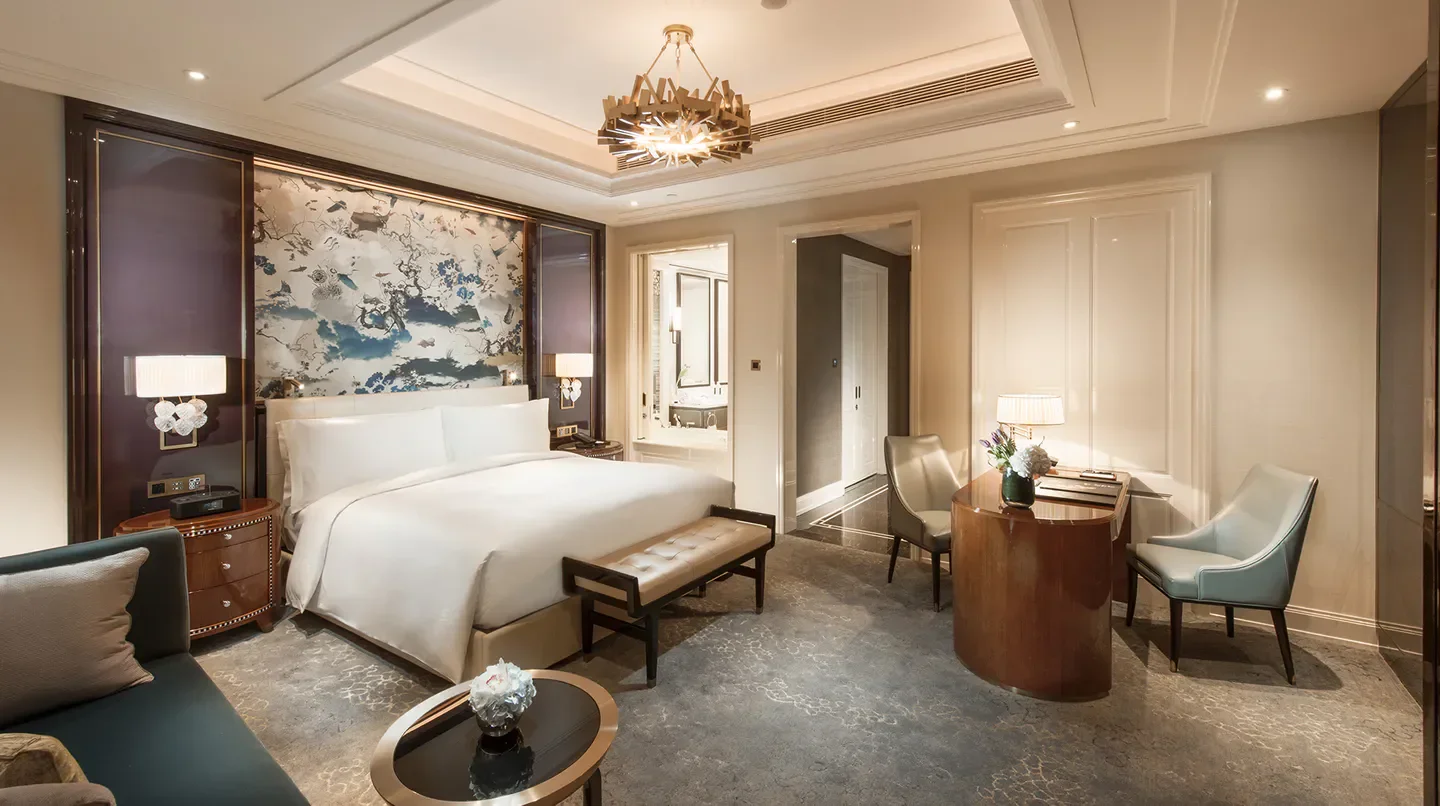
Chengdu hotels function as extensions of the local tea house culture, prioritizing slow-paced social connection over the frantic efficiency seen in Shanghai or Beijing. Architecture here prioritizes internal courtyards and wooden screens, reflecting a regional preference for enclosure against the humid Sichuan basin air. You choose a stay here to engage with the city’s deep-rooted habit of lingering over long afternoons.
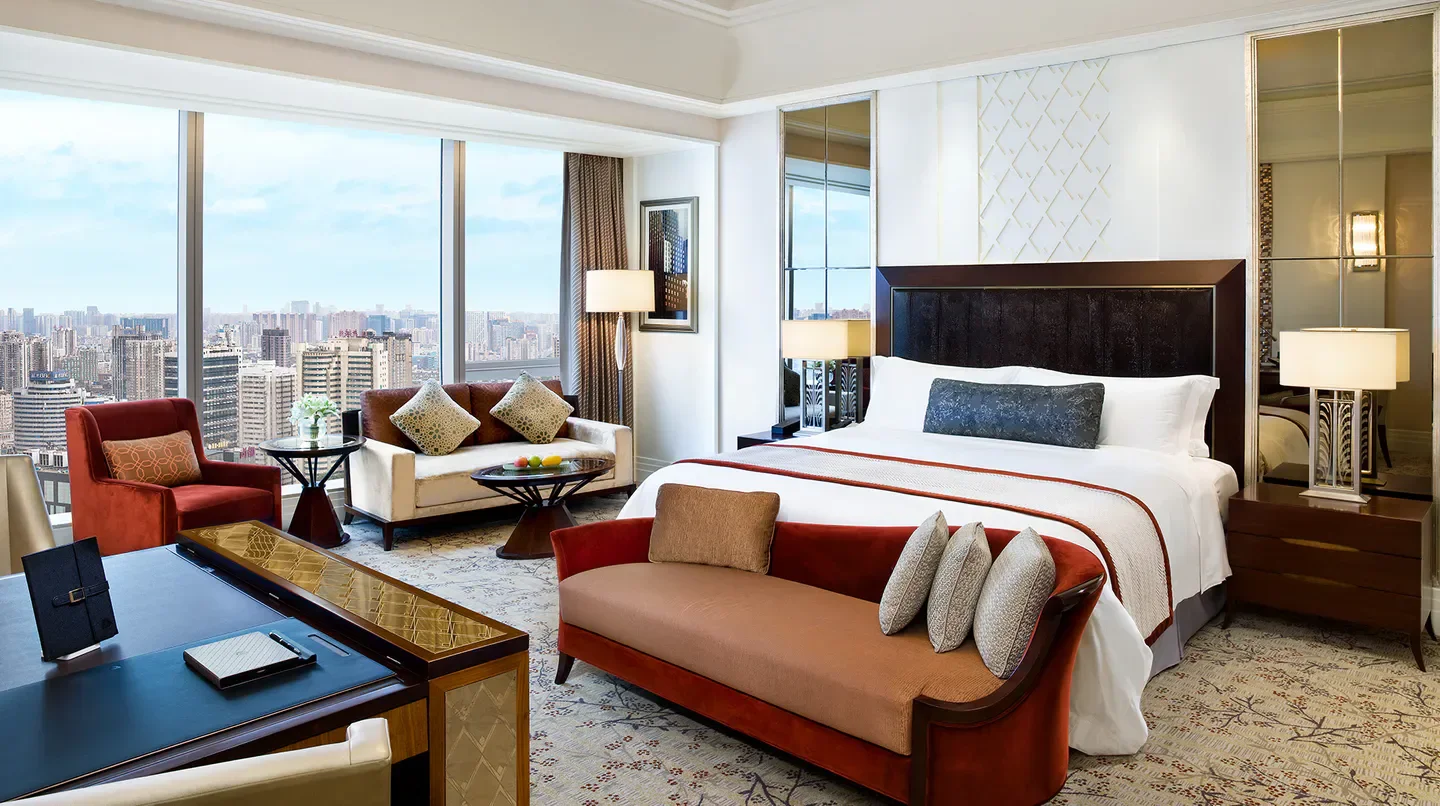
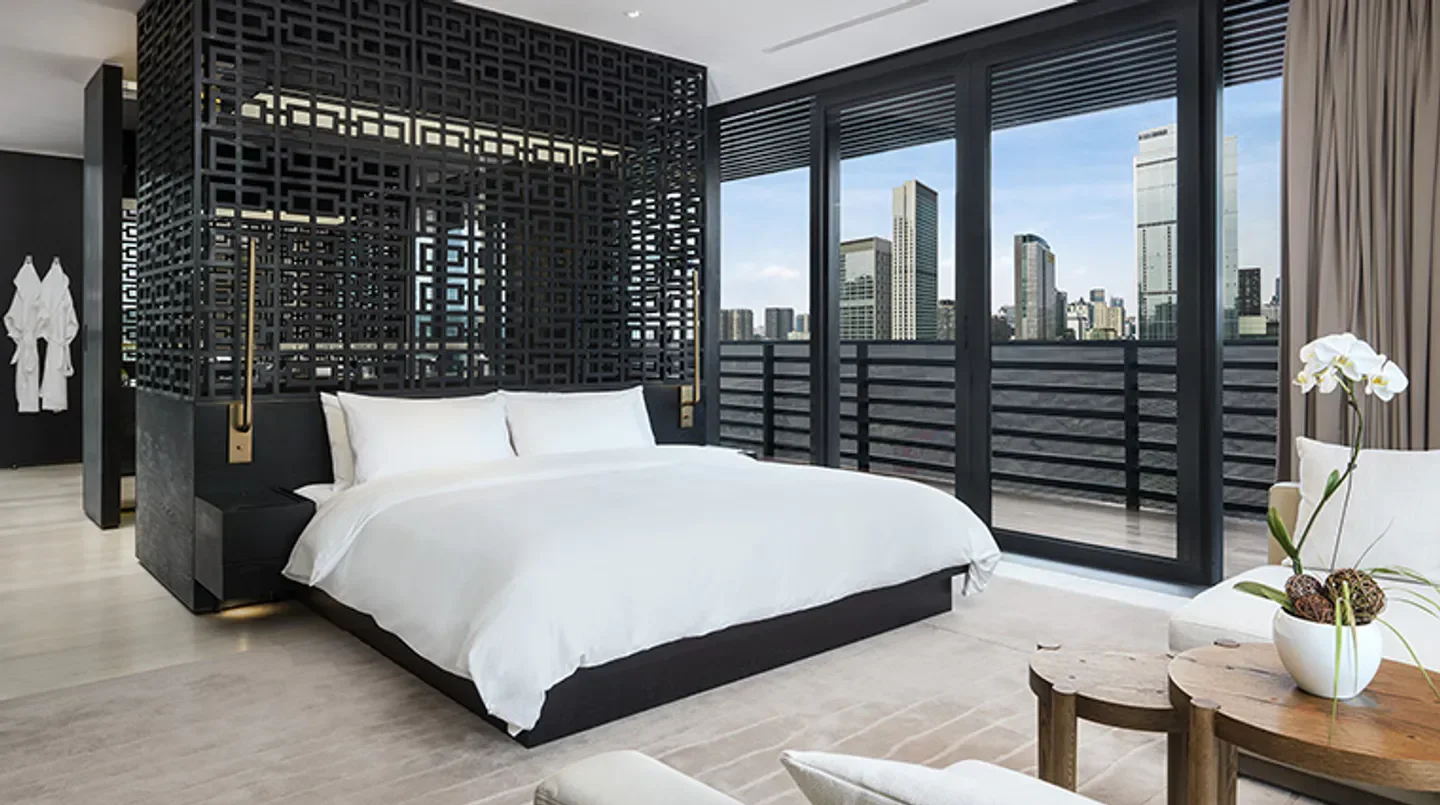
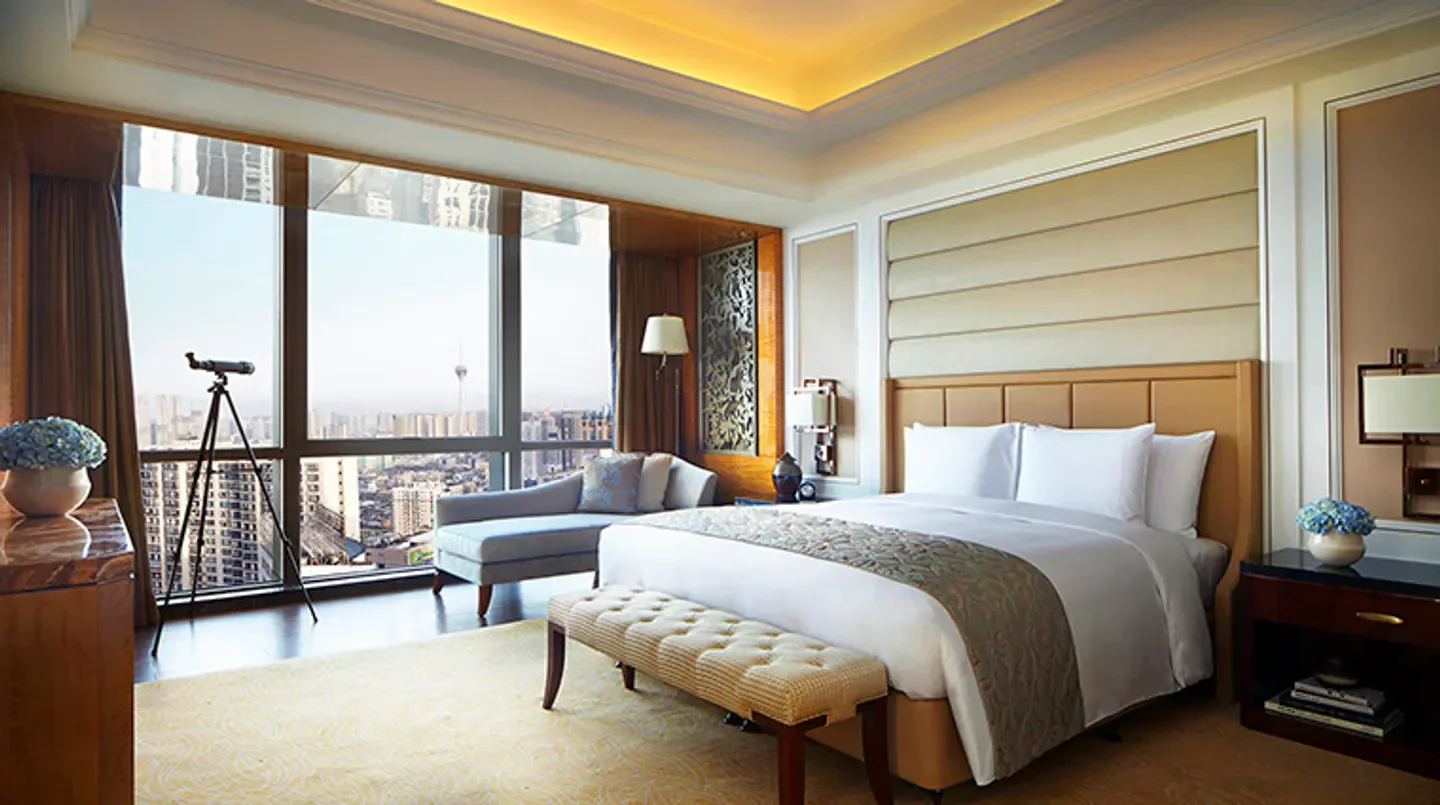
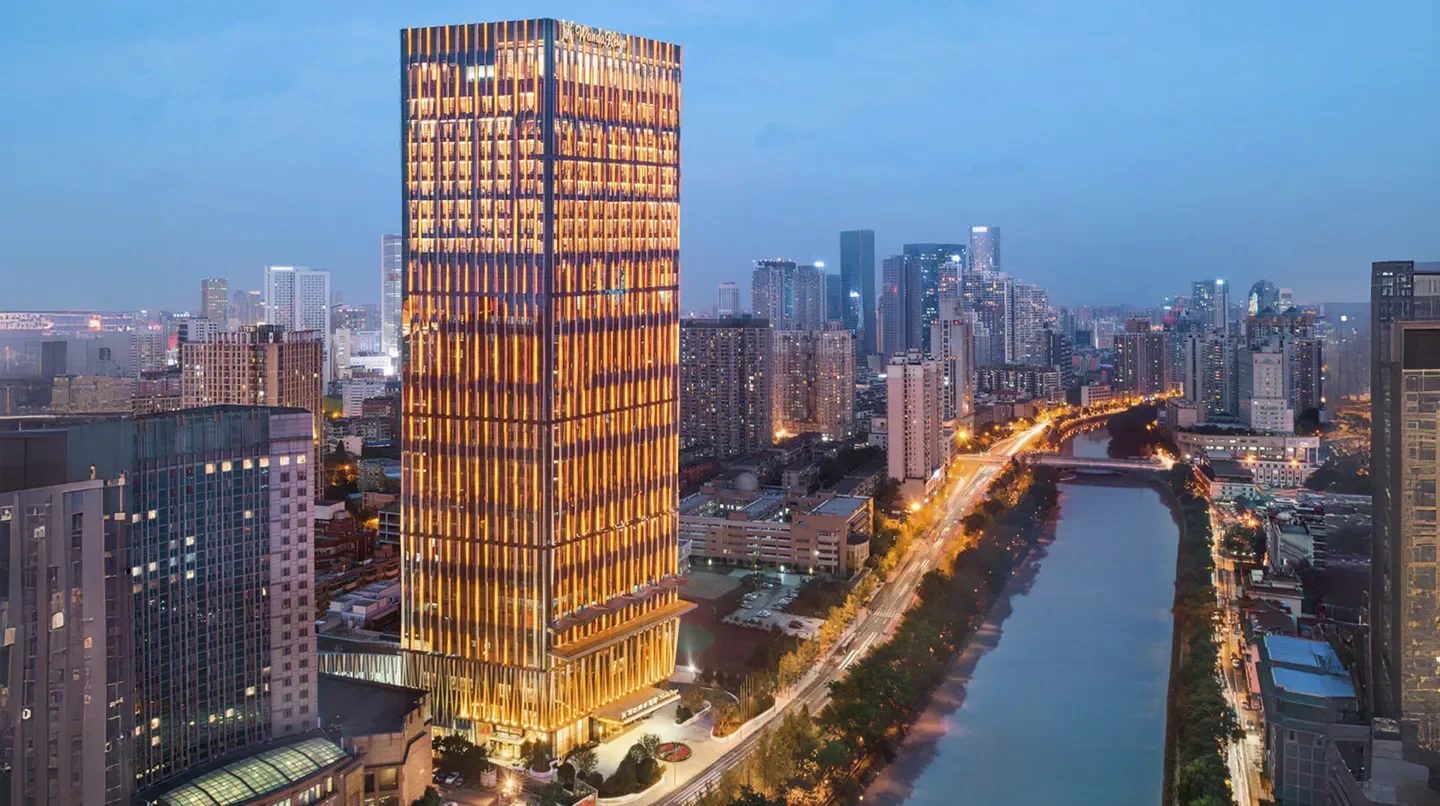
The commercial core near Chunxi Road pulls in those who prefer proximity to the high-street fashion houses and the city’s primary retail arteries. Niccolo Chengdu is the choice for direct access to these shopping blocks, keeping you centered in the urban flow. The Temple House integrates heritage buildings with modern design, offering a quiet, walled-in sanctuary within the busy Daci Temple precinct. For a more conventional high-rise experience, The St. Regis Chengdu provides a vantage point over the central business district that suits travelers balancing meetings with local exploration.
Sichuan’s heavy fog often descends in mid-winter, grounding the city in a grey, muffled atmosphere that slows the pace of the street life. Late spring remains the preferred time for visiting, as temperatures allow for the full use of outdoor hotel gardens before the intense summer heat sets in. We keep these entries updated as shifts occur in the local hospitality landscape. Waldorf Astoria Chengdu anchors the southern expansion, drawing in those who trade central proximity for the quiet air of the Finance District. This is the place to be if you prioritize the scale of modern development over the tight, ancient alleys of the old city.
Chengdu Hotels FAQ