Andalusia Luxury Concierge Services
Plan Your Experience
The Andalusia Edit
View all
The Experience
Andalusia Unlocked
The challenge in Andalusia is not finding a meal, but navigating the friction between centuries-old tavern culture and a modern culinary shift that respects the region’s Al-Andalus roots. Most visitors succumb to the habit of grazing on fried fish and sherries in crowded plazas, ignoring the rigorous technical work happening in kitchens that trade tourist-friendly menus for historical research. To eat well here, you must abandon the idea of a fixed dinner hour; the kitchens hitting their stride are those that reject the frantic pace of typical tapas crawls.
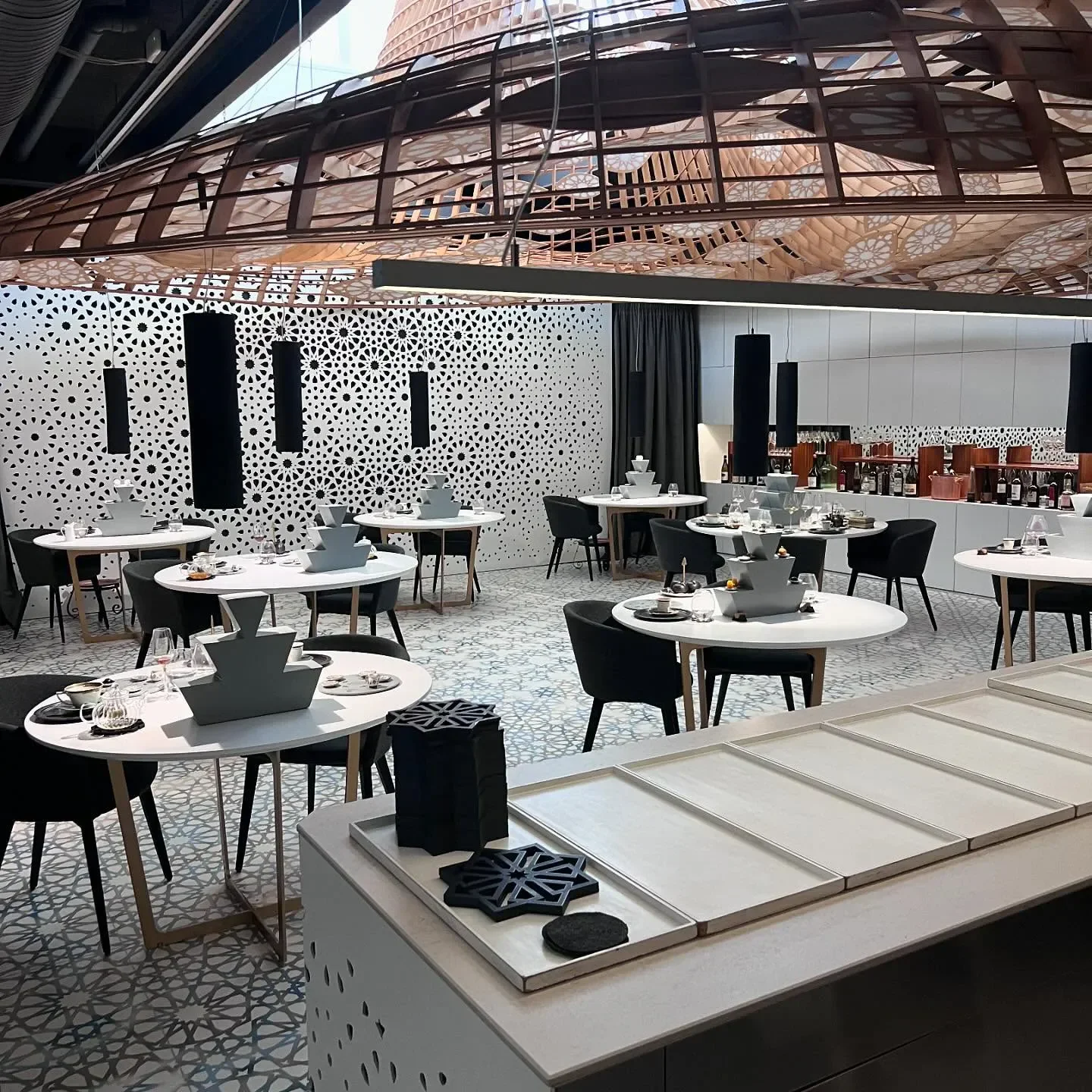
The scene clusters in pockets where proximity to local produce meets high-level technique. In Córdoba, the focus is on elevating the Moorish legacy of the Caliphate. Noor holds three Michelin stars and justifies the trip for its interpretation of regional history, transforming the city’s complex past into a singular, intellectual dining experience. Further into the hills, the focus shifts to the seasonal wild game and mountain ingredients of Jaén. Malak holds a Michelin star, providing a stark, minimalist contrast to the heavy, oil-drenched plates often found in the surrounding provincial towns.
Planning a trip across these provinces requires a slow approach to the calendar. The interior plains become punishingly hot by midday, pushing the dining culture into late-night slots, while the coastal breeze dictates the rhythm of service in the south. Weekends are reserved for family gatherings that fill every corner of a tavern, making the middle of the week better for visiting spots like Restaurante El Churrasco. We track the changing guard of regional cuisine to ensure your time is spent at the tables doing the most meaningful work.
Andalusia FAQ