Shenzhen Luxury Concierge Services
Plan Your Experience
The Shenzhen Edit
View all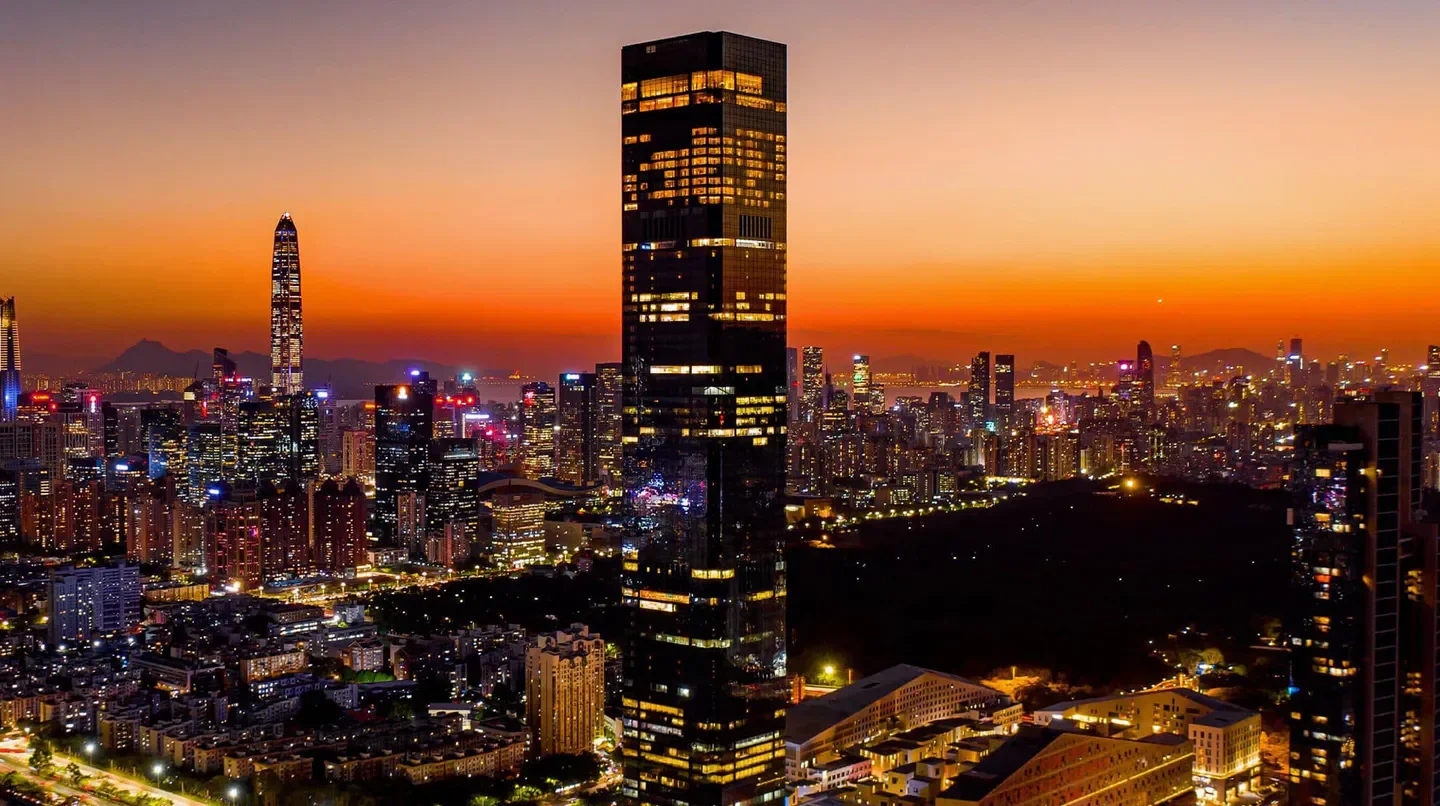
The Experience
Shenzhen Unlocked
Shenzhen challenges the visitor with a vertical geography that defies the traditional city center. Instead of one historic core, the metropolis exists as a series of distinct, rapidly rising clusters tied together by an extensive rail network. The city prioritizes efficiency and constant renewal, meaning the most relevant dining and nightlife hubs often shift to match the latest commercial developments. Success here requires moving past grand lobby culture to find the spots where the city’s pace actually slows down.
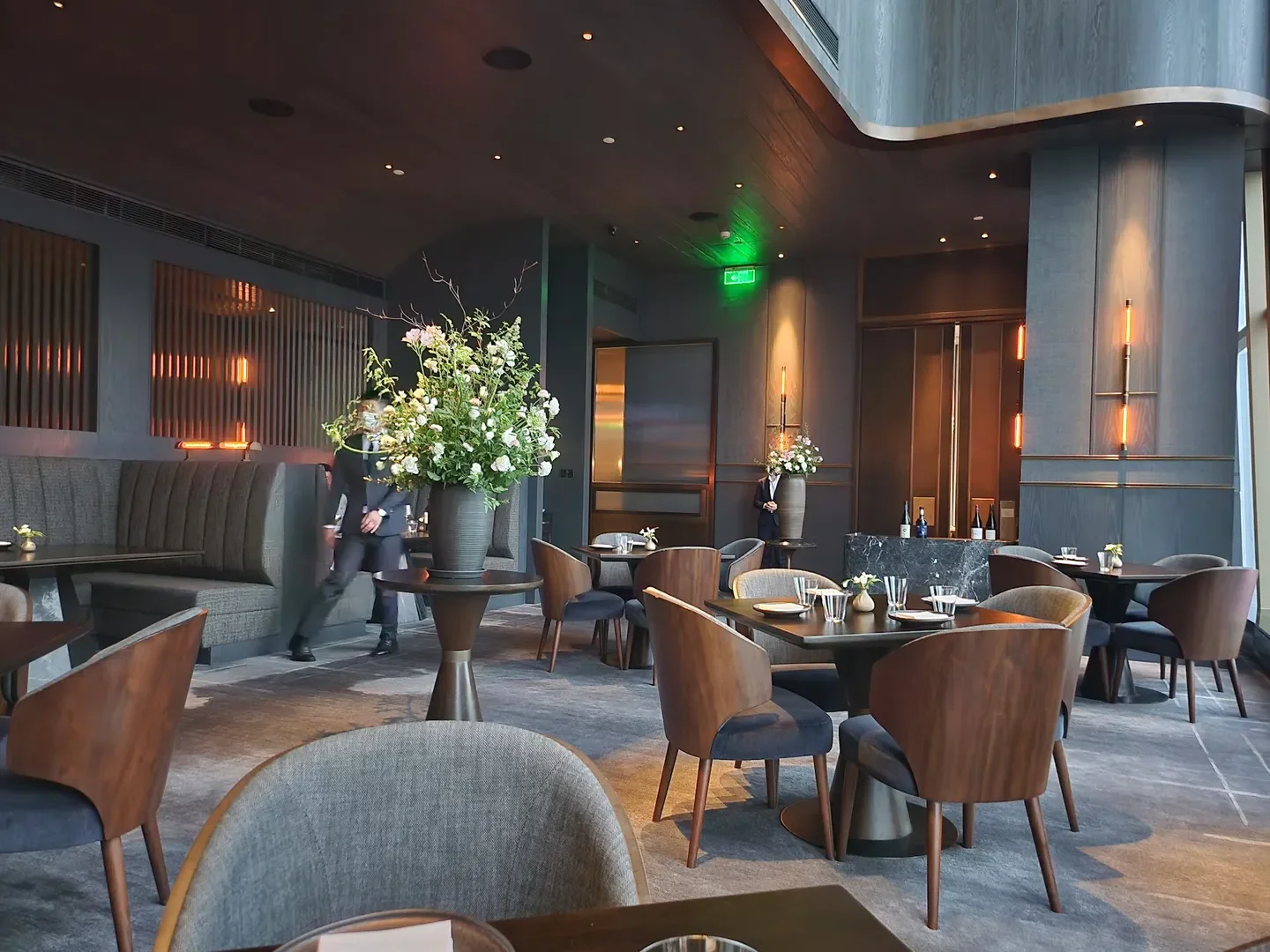
The Futian district is the primary nerve center, defined by high-density glass towers and rapid transit access. The Ritz-Carlton, Shenzhen provides a grounded base within this frantic business core, while the nearby Four Seasons Hotel Shenzhen is a reliable anchor for navigating the district's grid. For a high-concept approach to dining, Ensue is the one to book; La Liste placed it at no. 55. The St. Regis Shenzhen rises above the Luohu area, emphasizing the city's sheer scale.
Planning a trip requires acknowledging the humidity that defines the warmer months, making mid-day transit difficult; concentrate your activities in the cooler evening hours. Weekends in areas like Nanshan see significant swells in patronage at popular venues, so prioritizing proximity to your accommodation saves time. The Langham, Shenzhen is a retreat on the western edge of the city, away from the constant noise of the central business zones. We vet every hotel and restaurant to ensure they provide a necessary refuge from the intensity of the urban environment. The Mandarin Oriental, Shenzhen is a base in the city's northern, upmarket commercial corridors.
Shenzhen FAQ