The Best Hotels in Maldives
Plan Your Experience
The Maldives Hotels Edit
The Experience
Maldives Hotels Unlocked
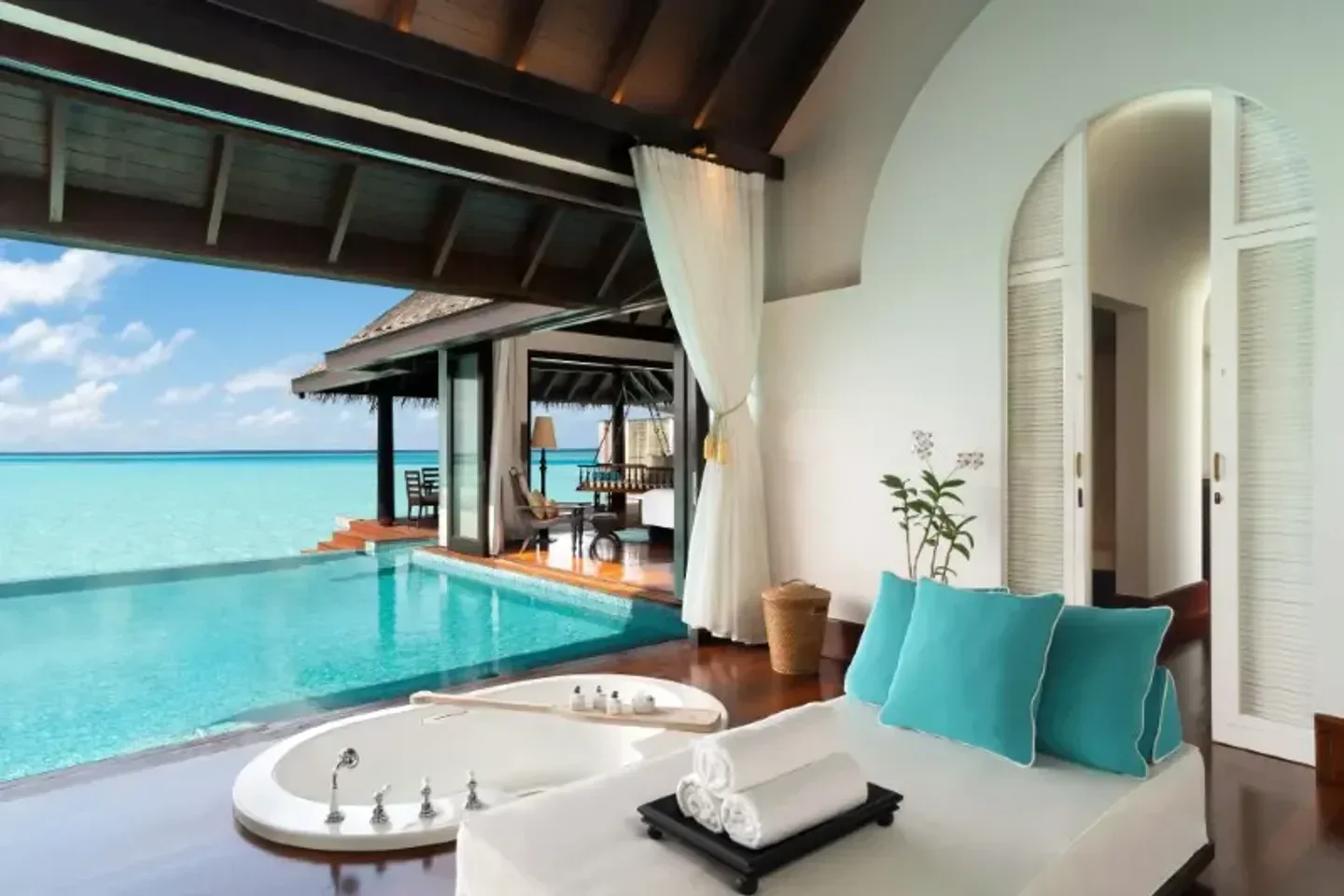
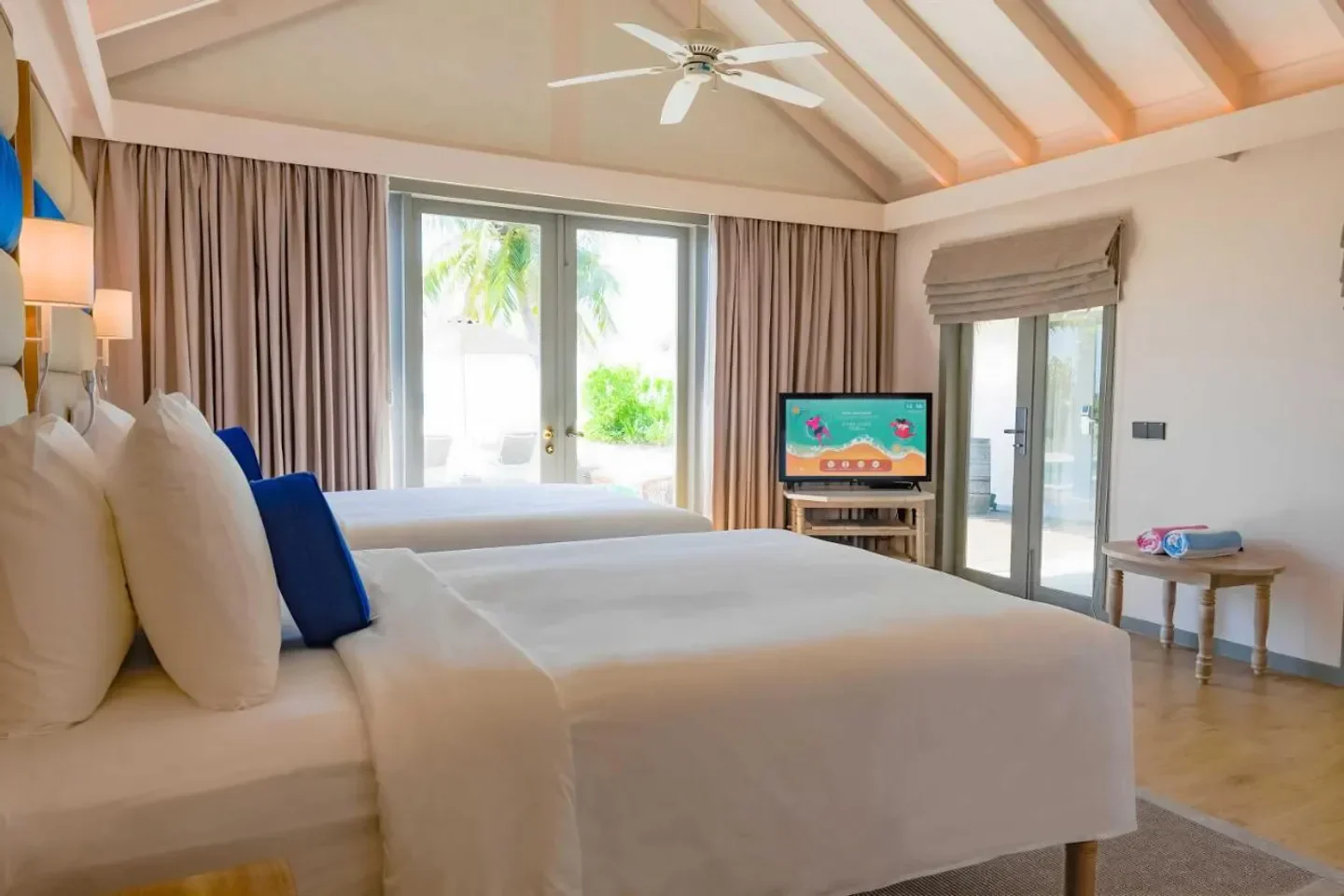
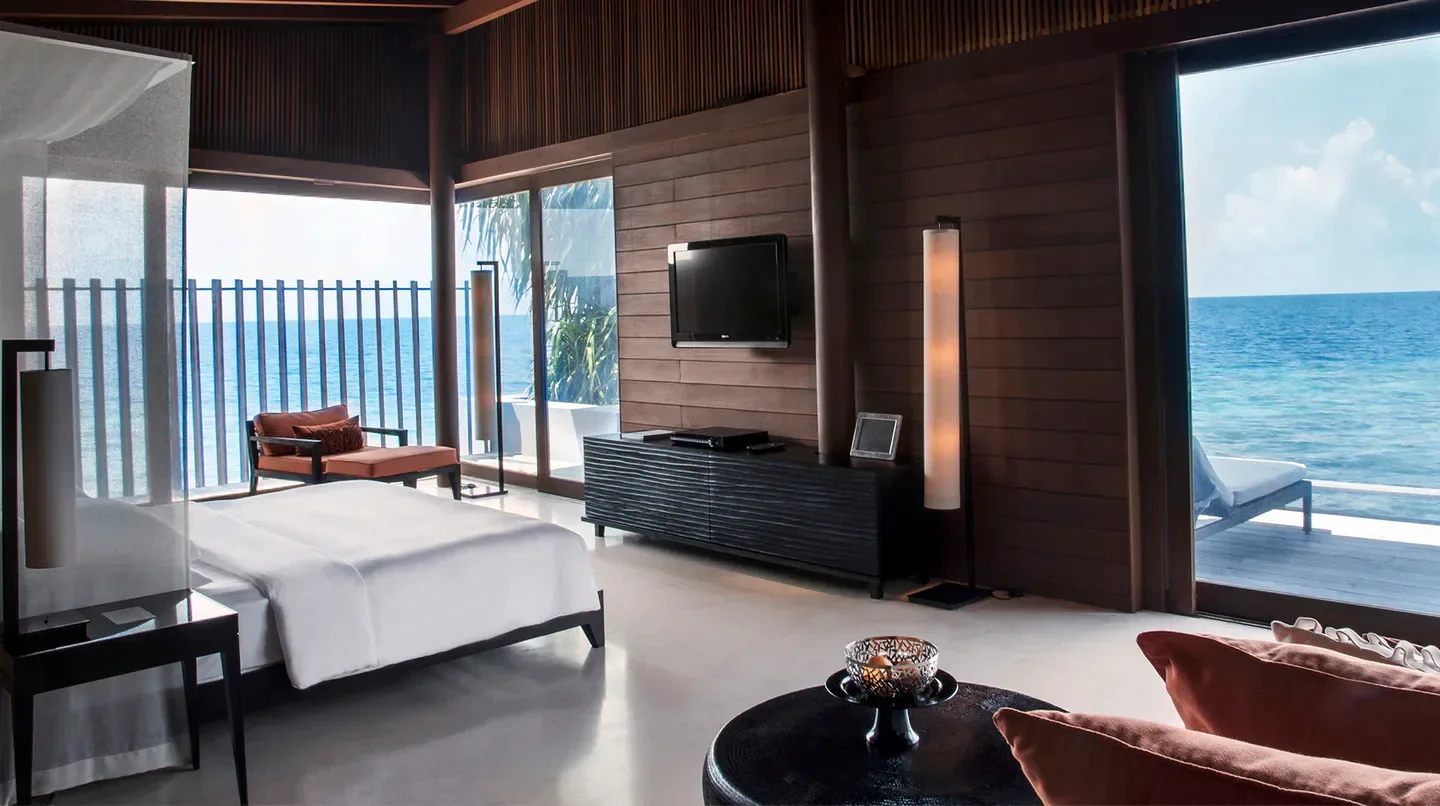
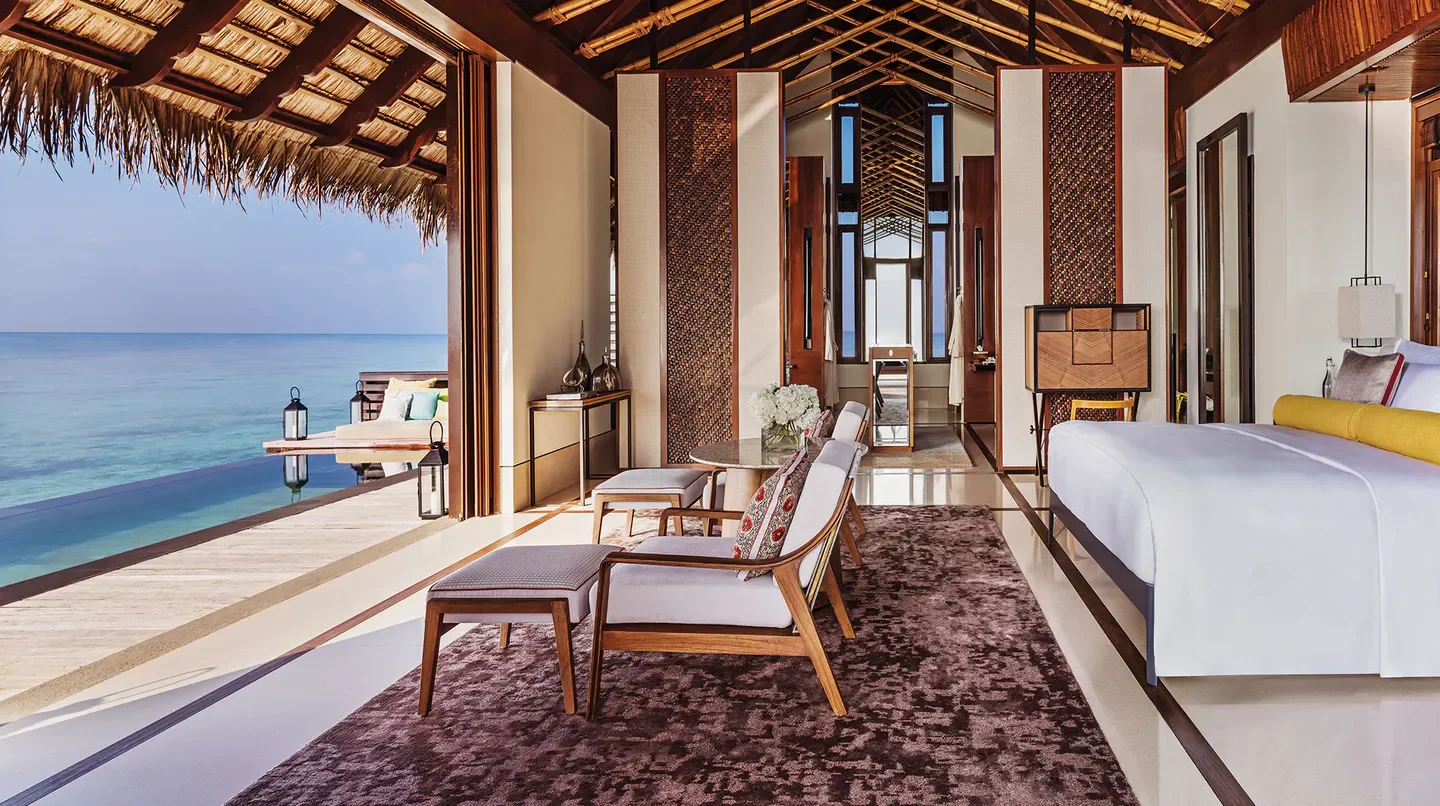
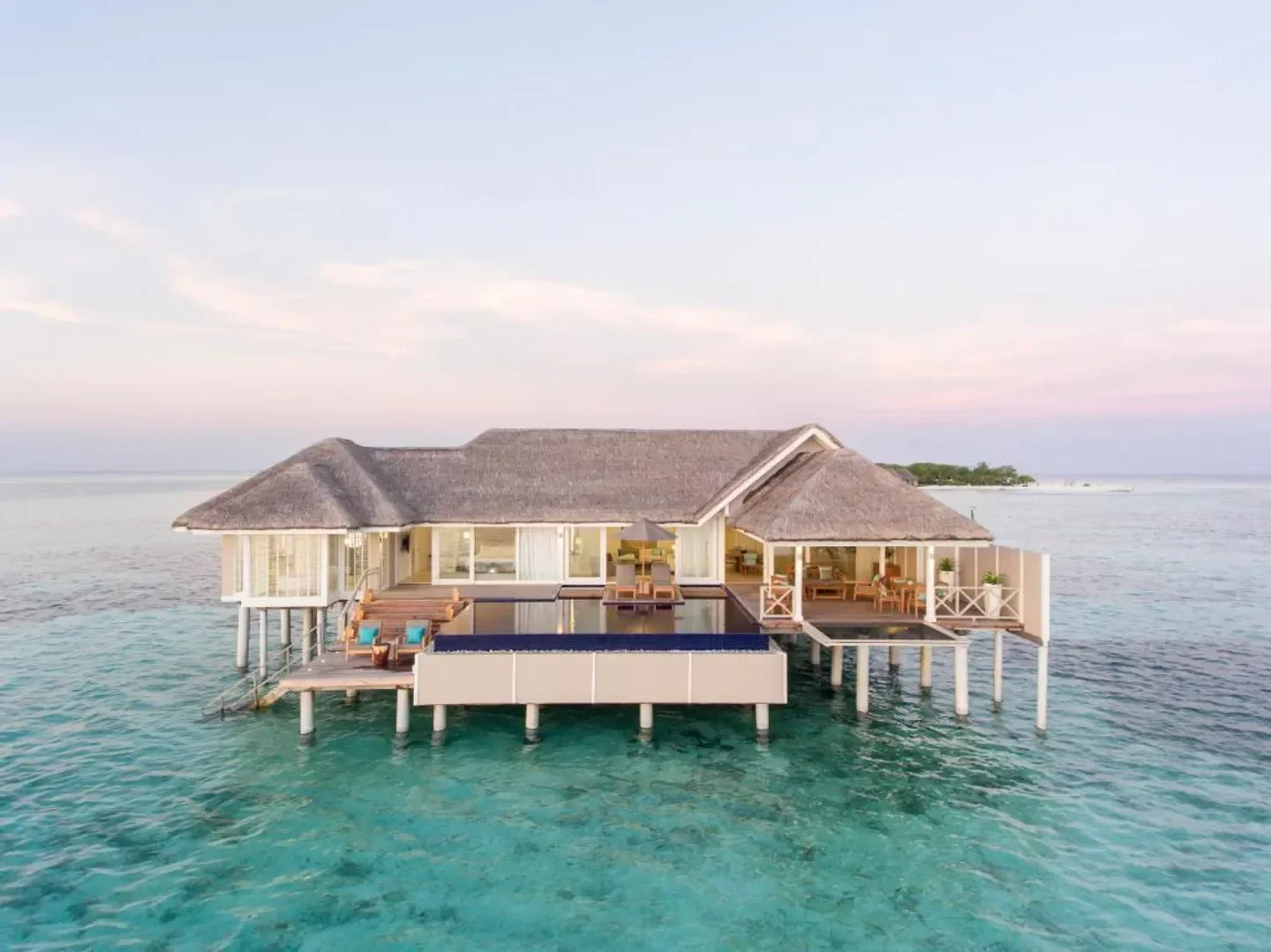
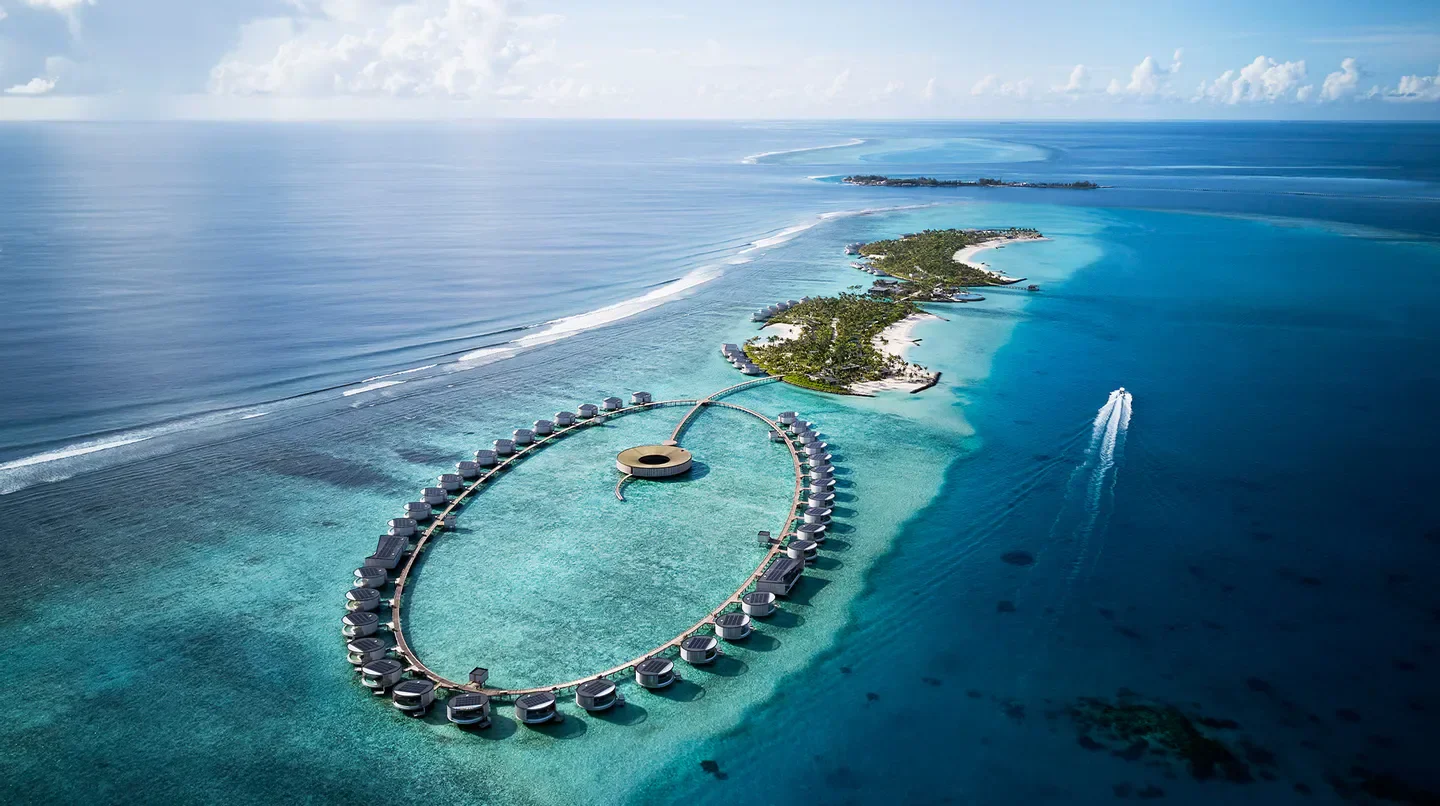
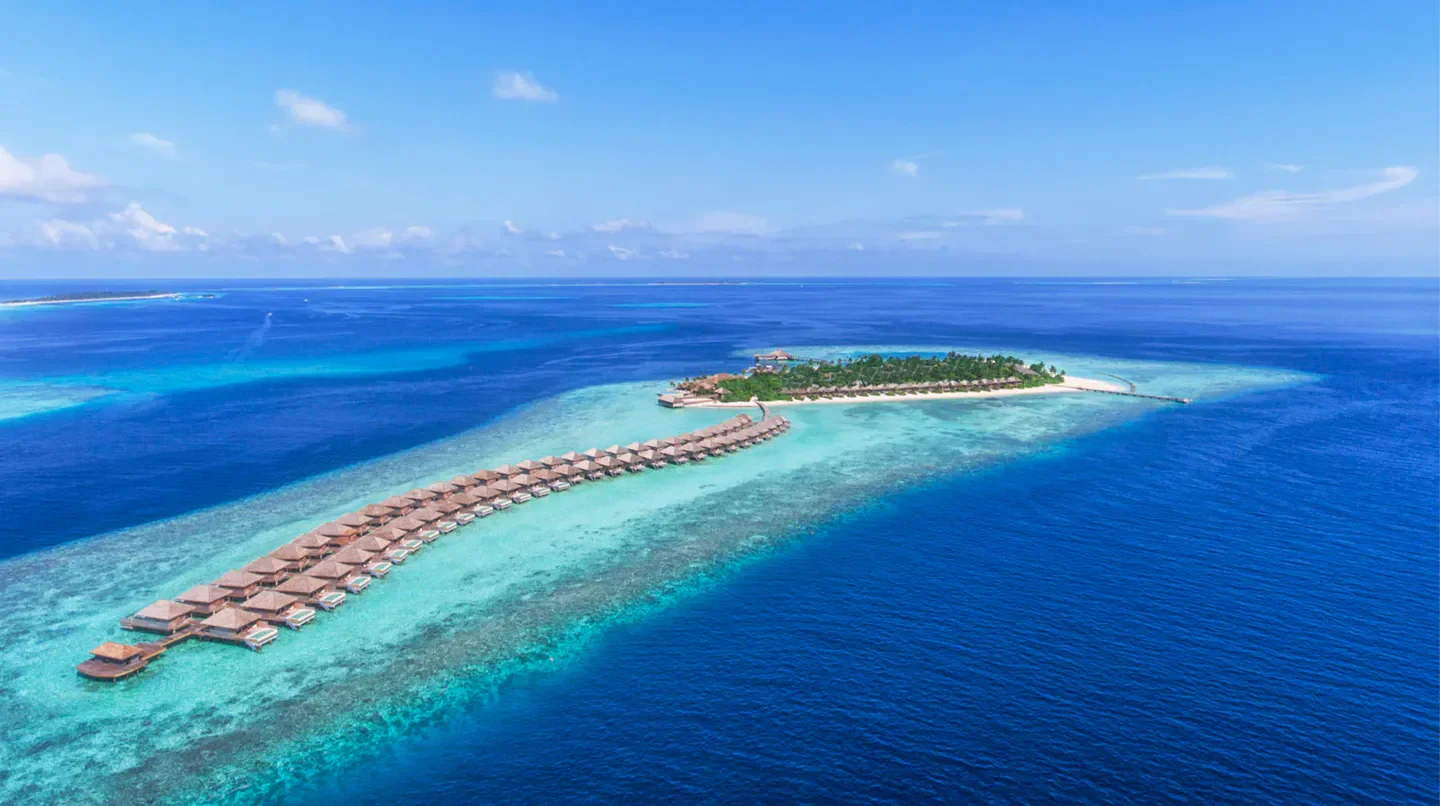
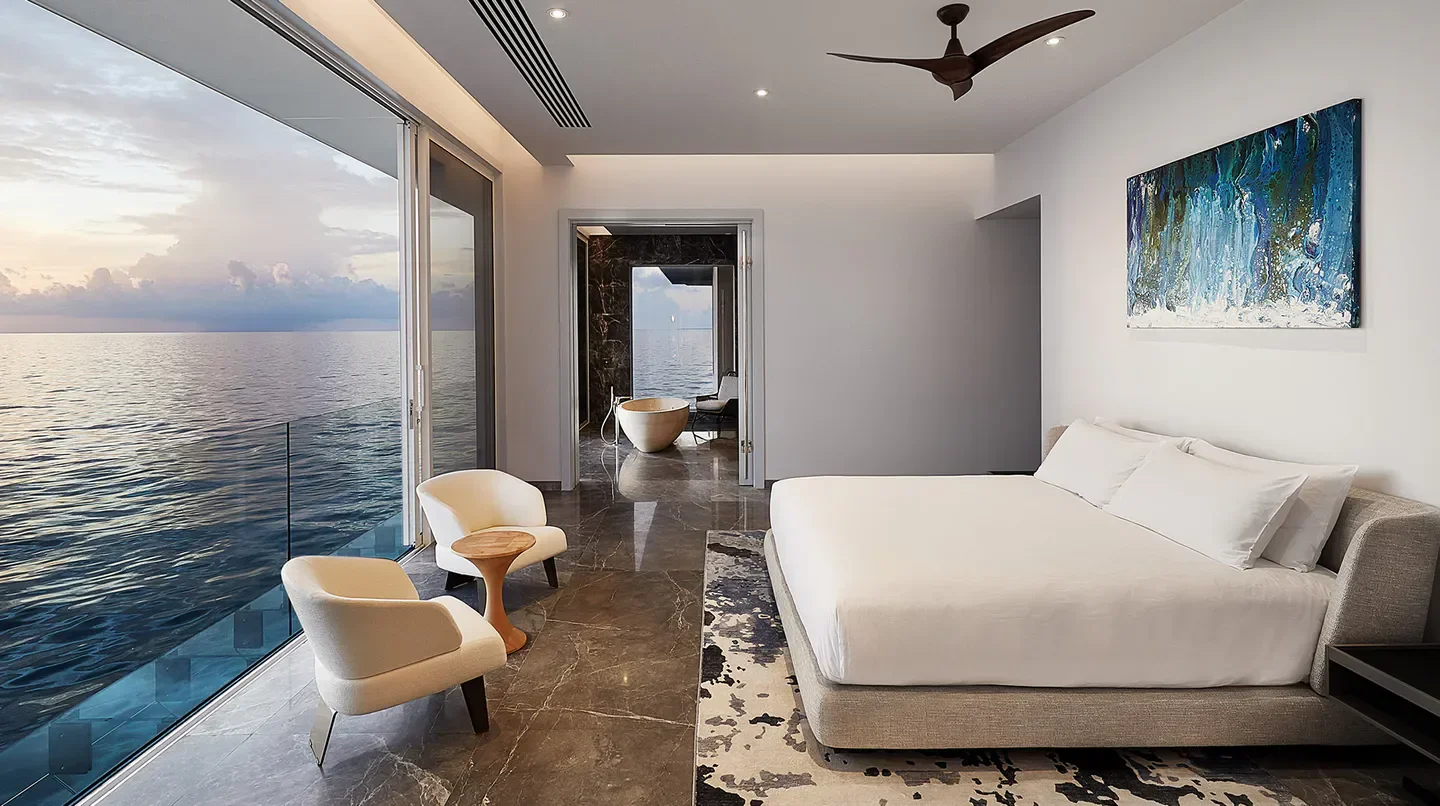
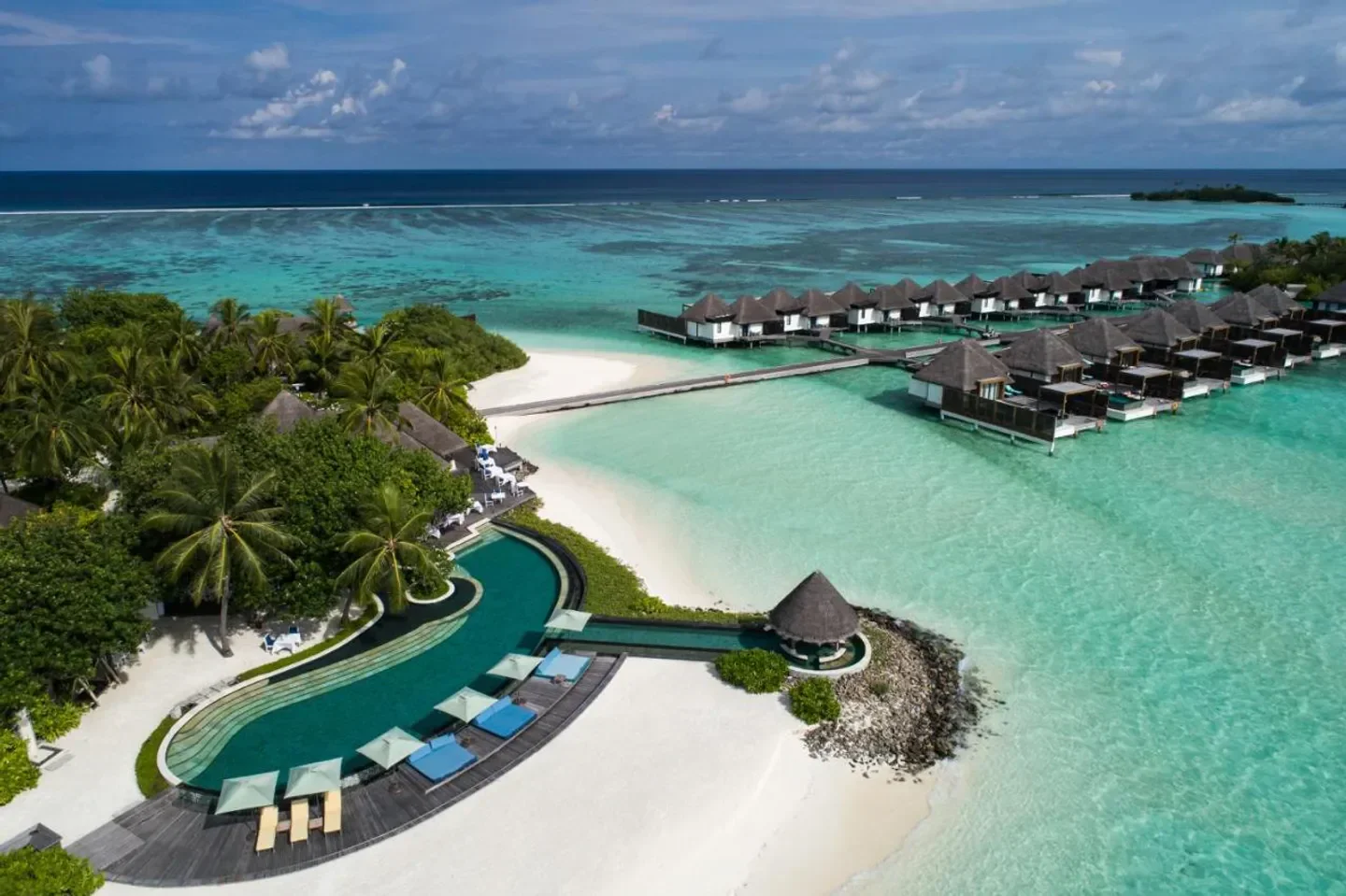
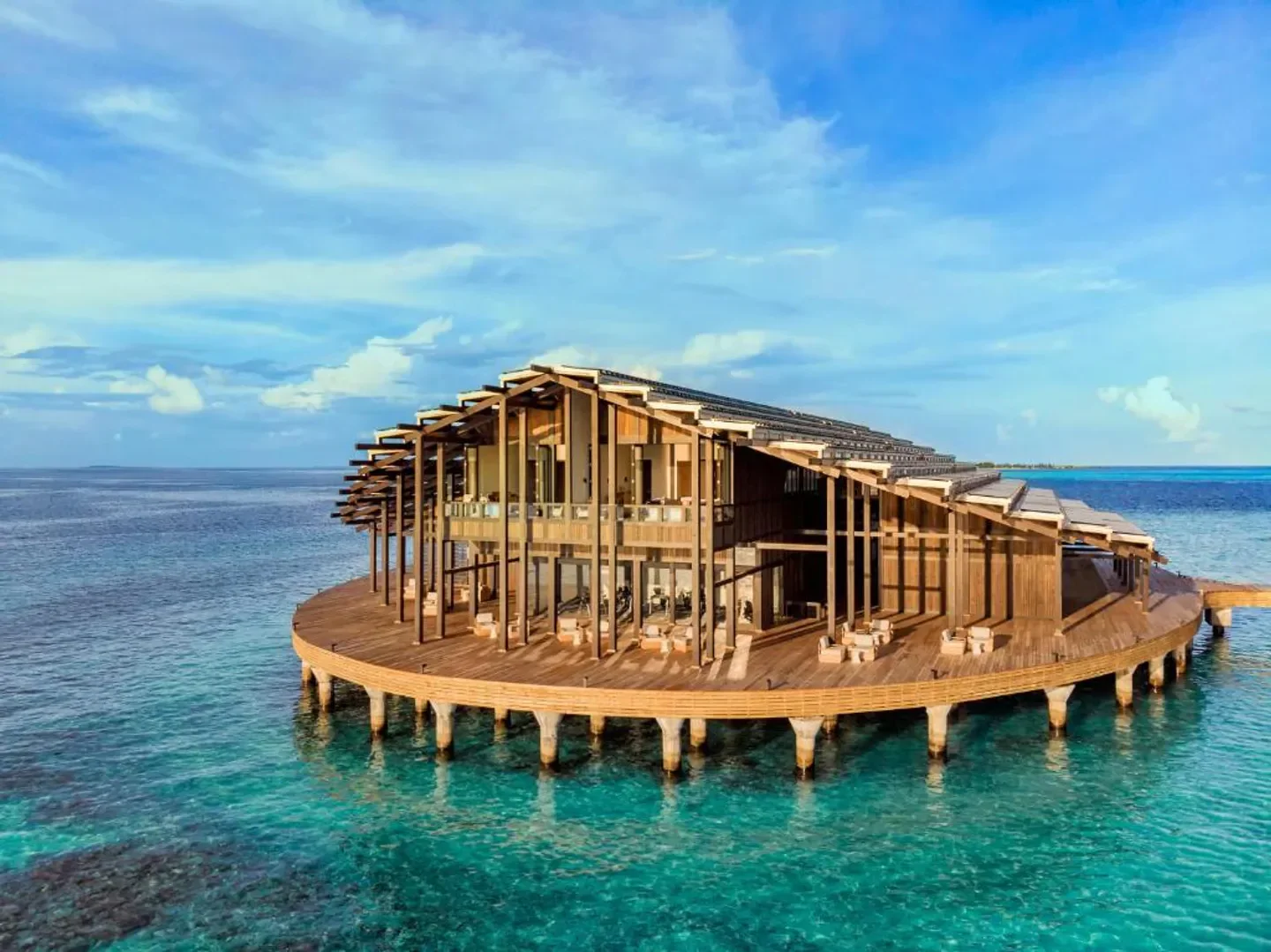
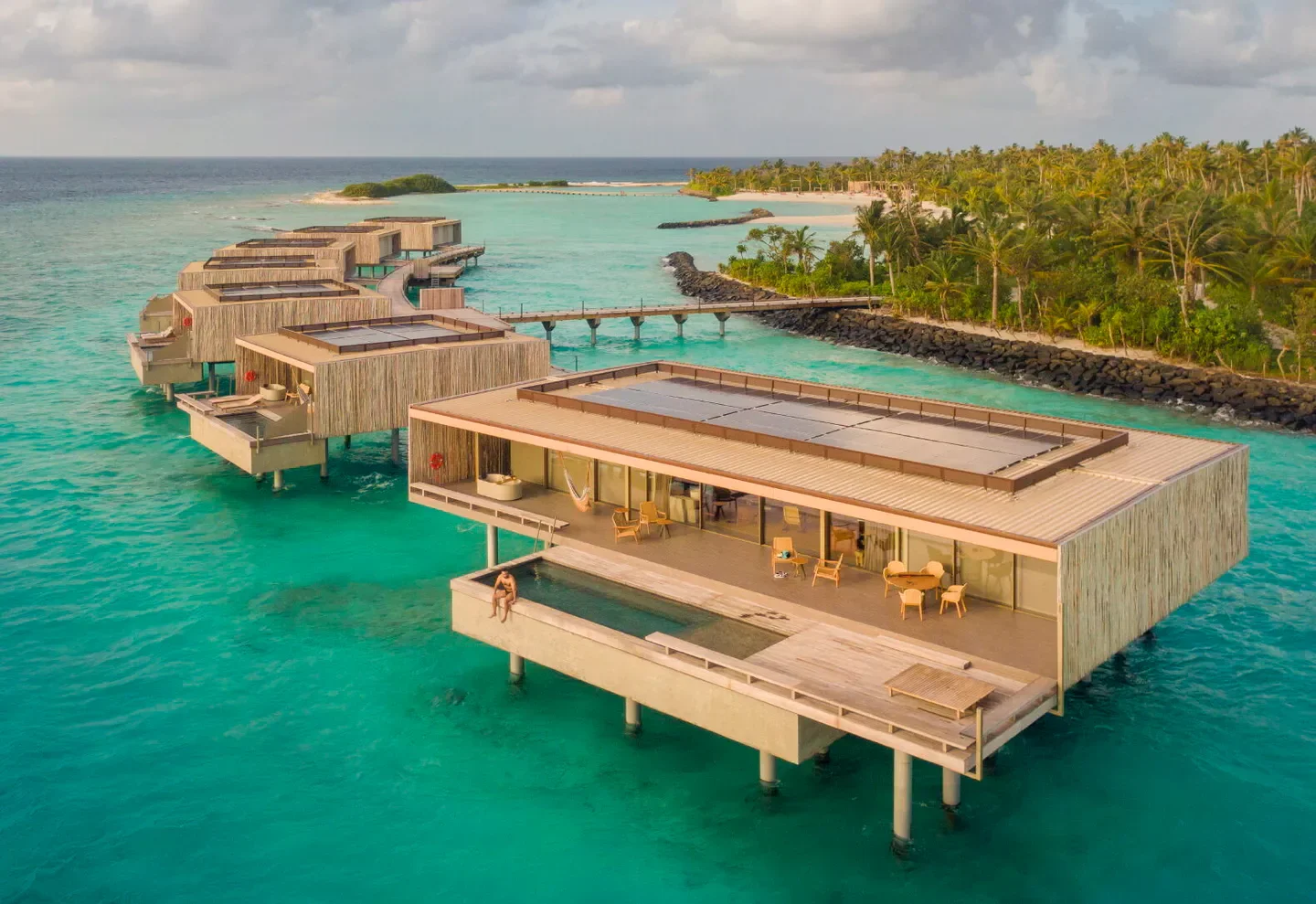
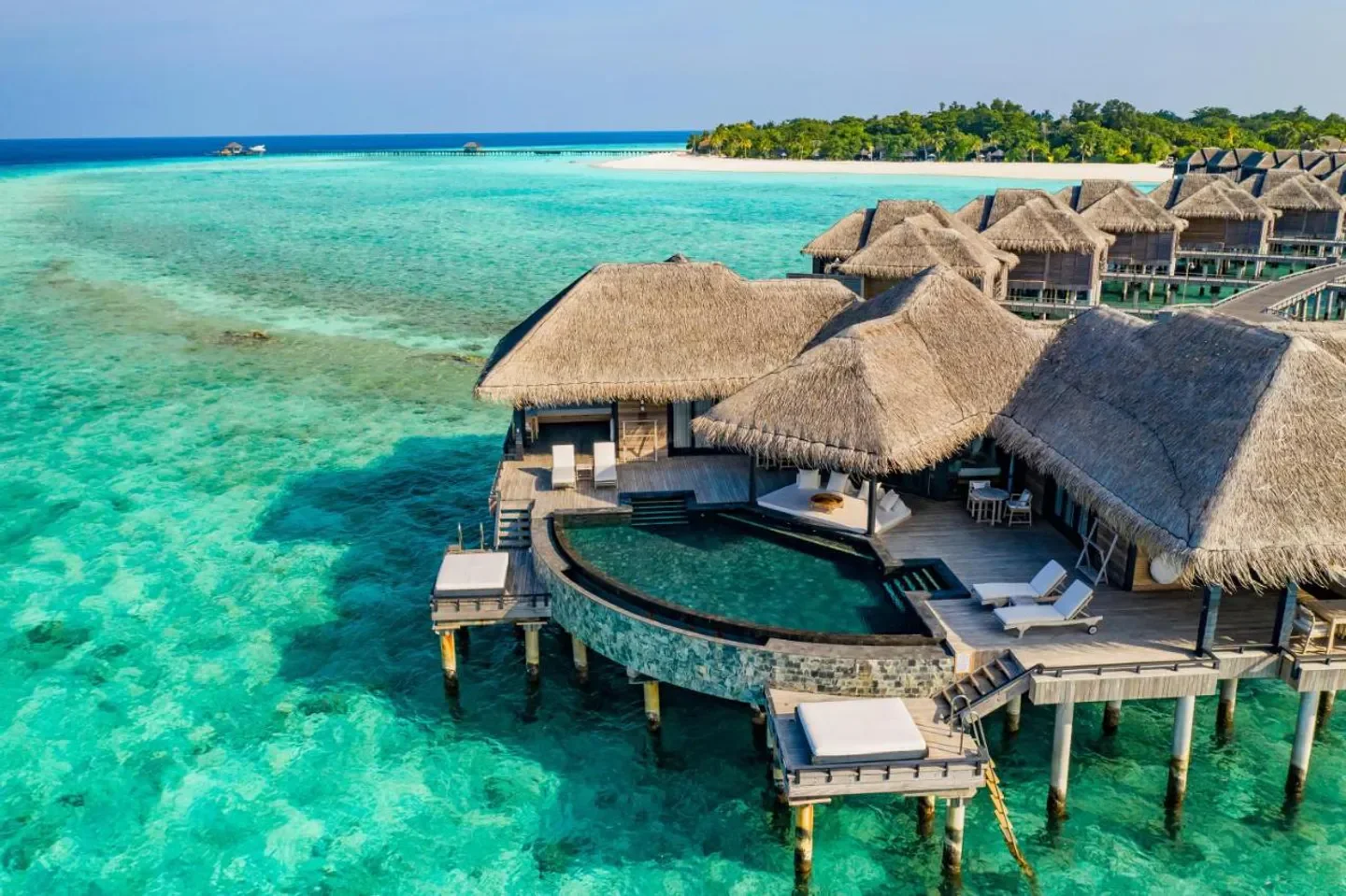
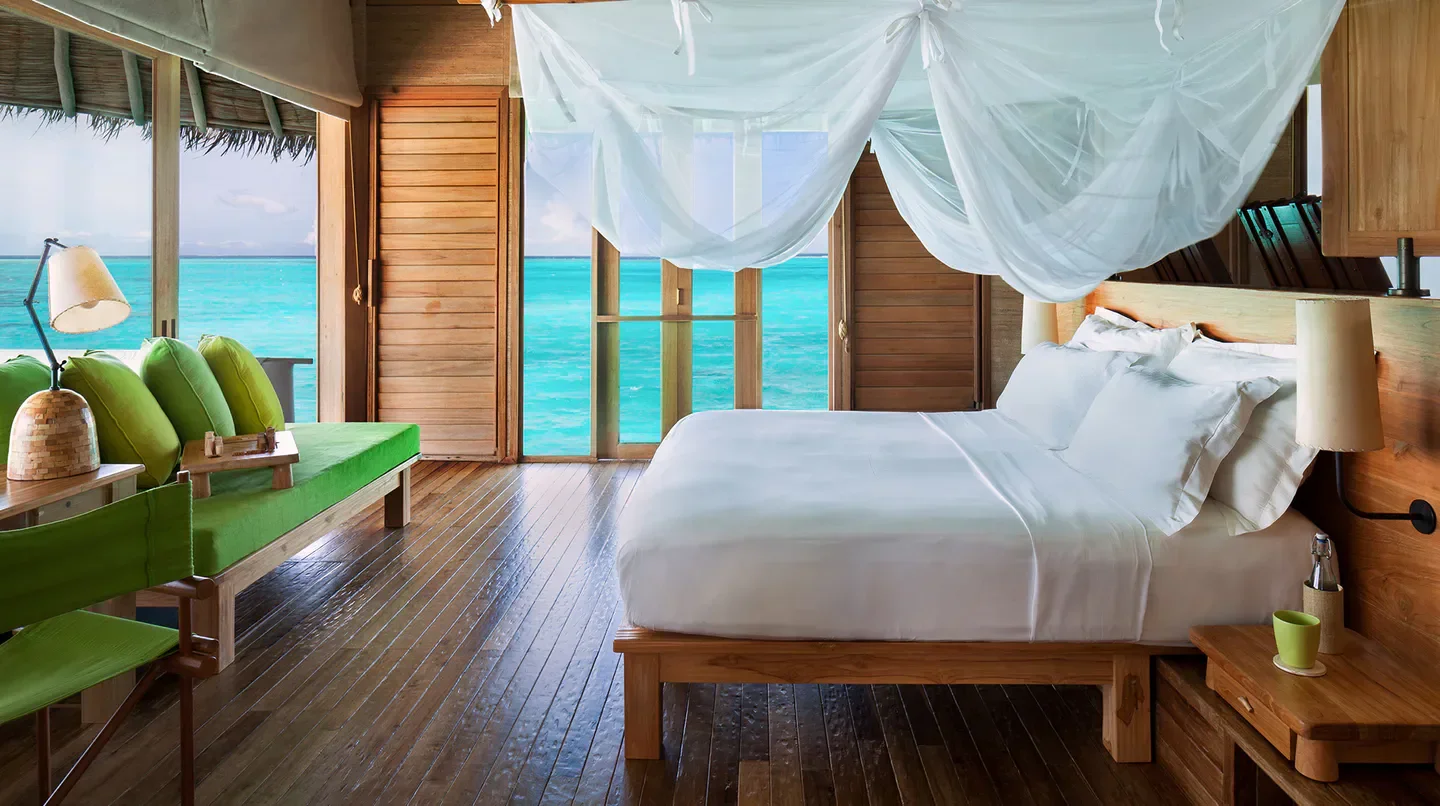
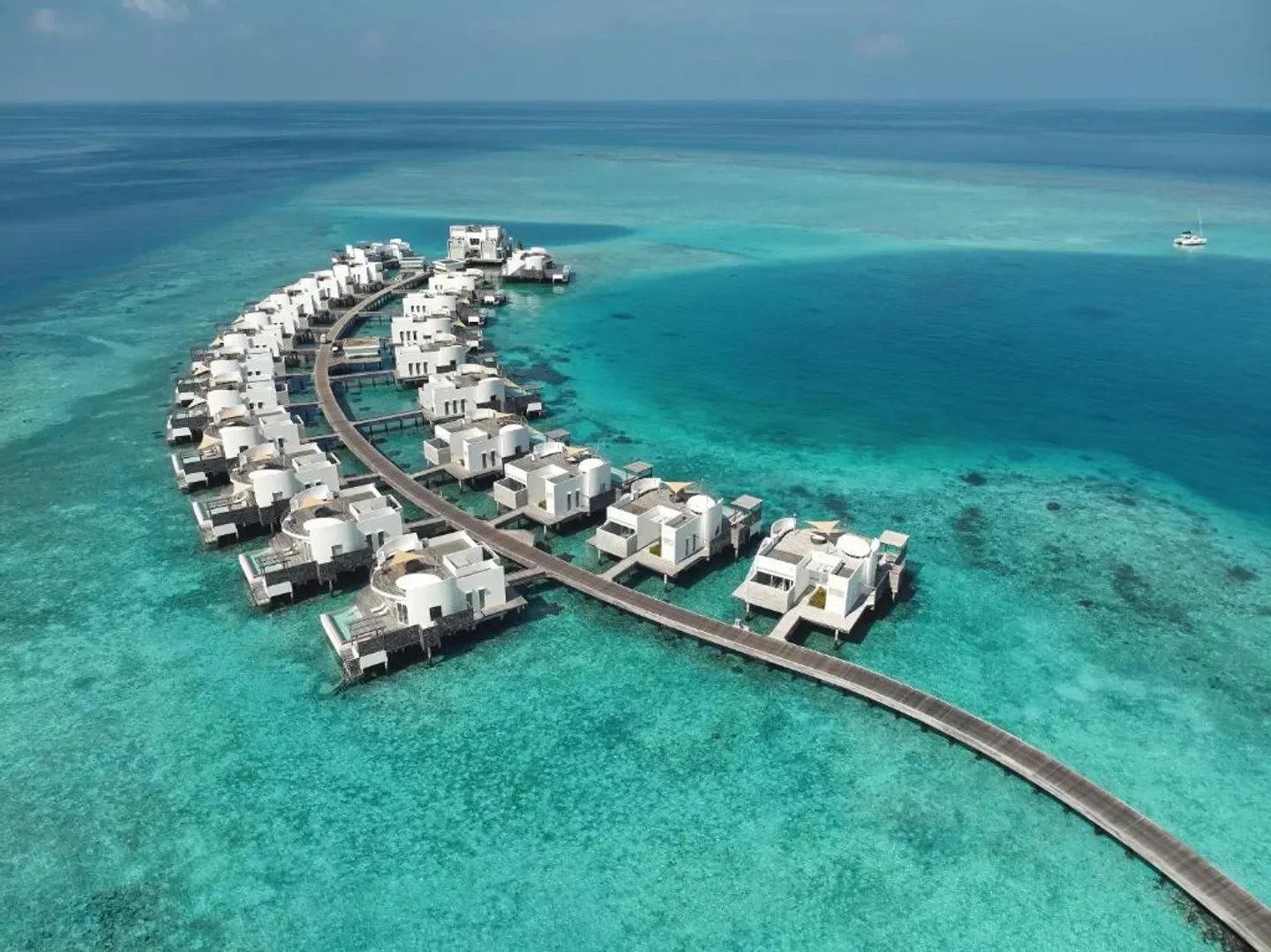
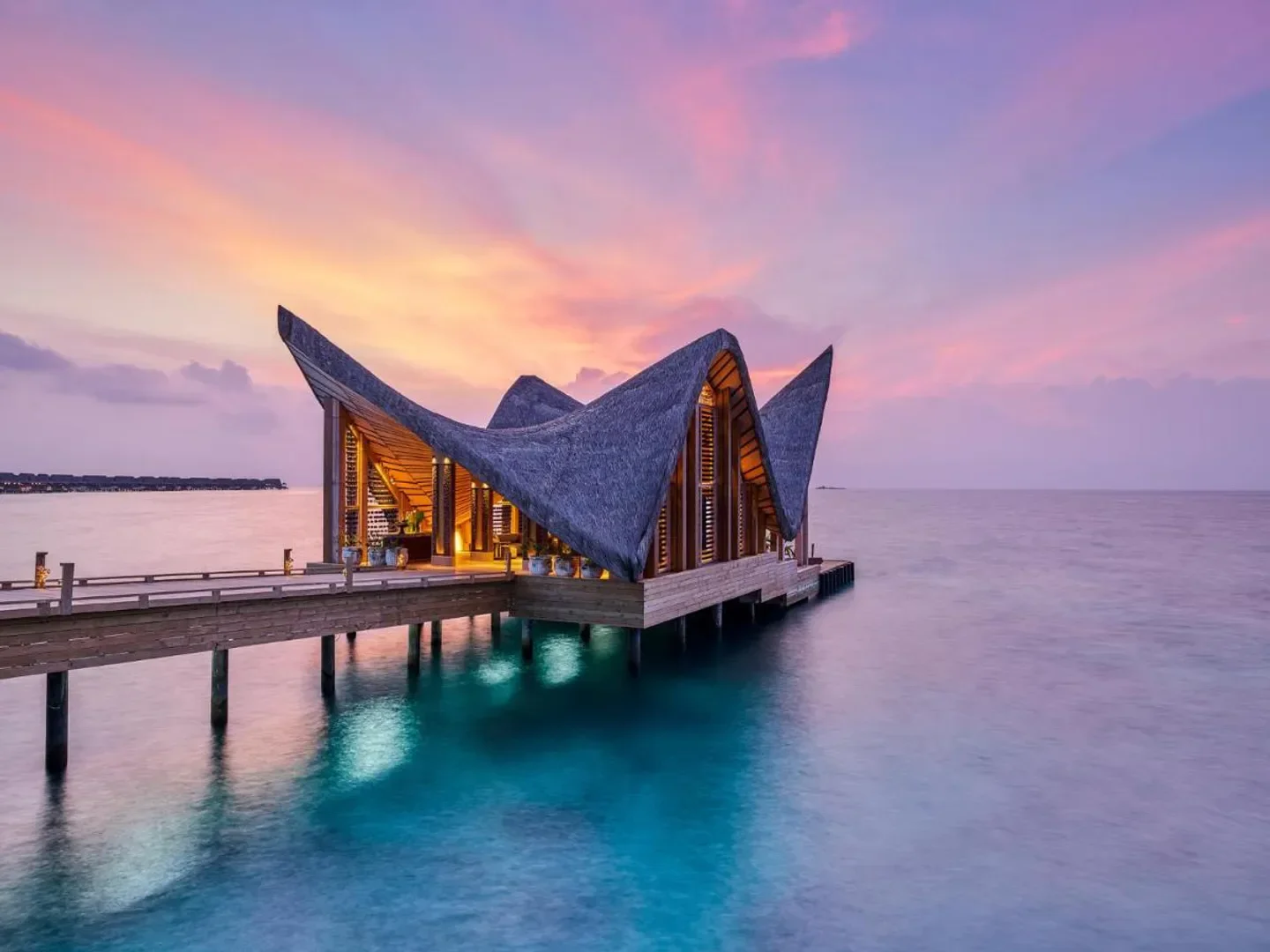
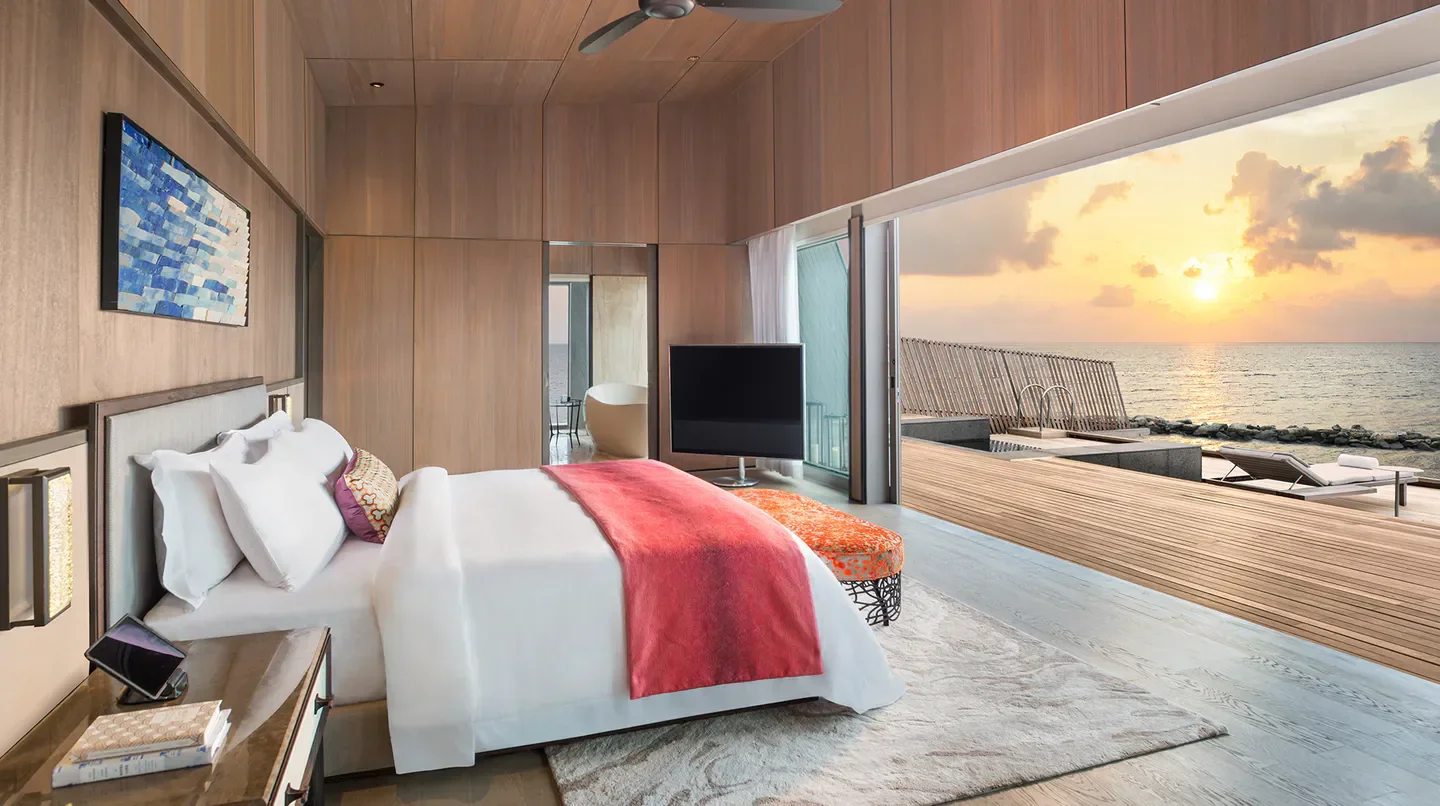
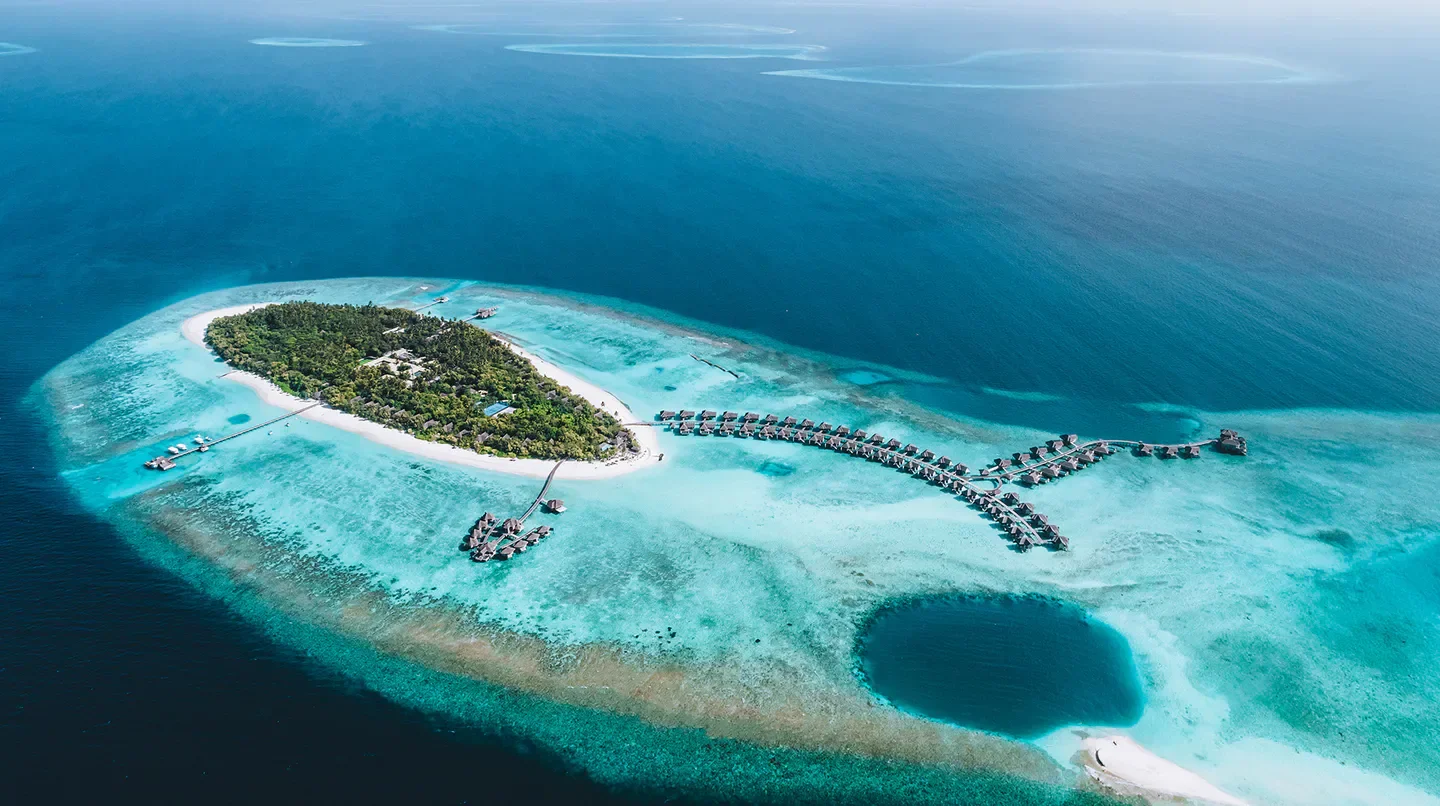
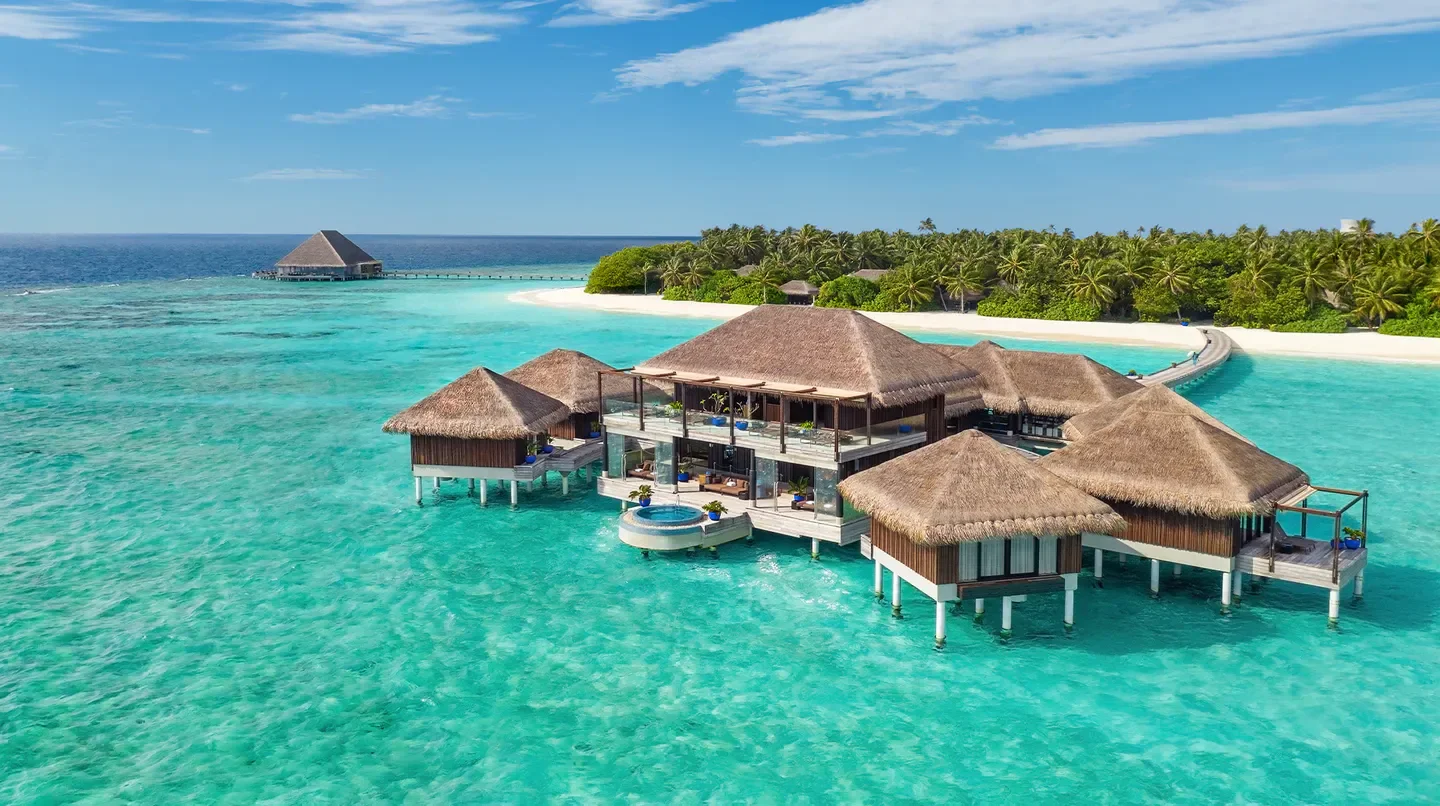
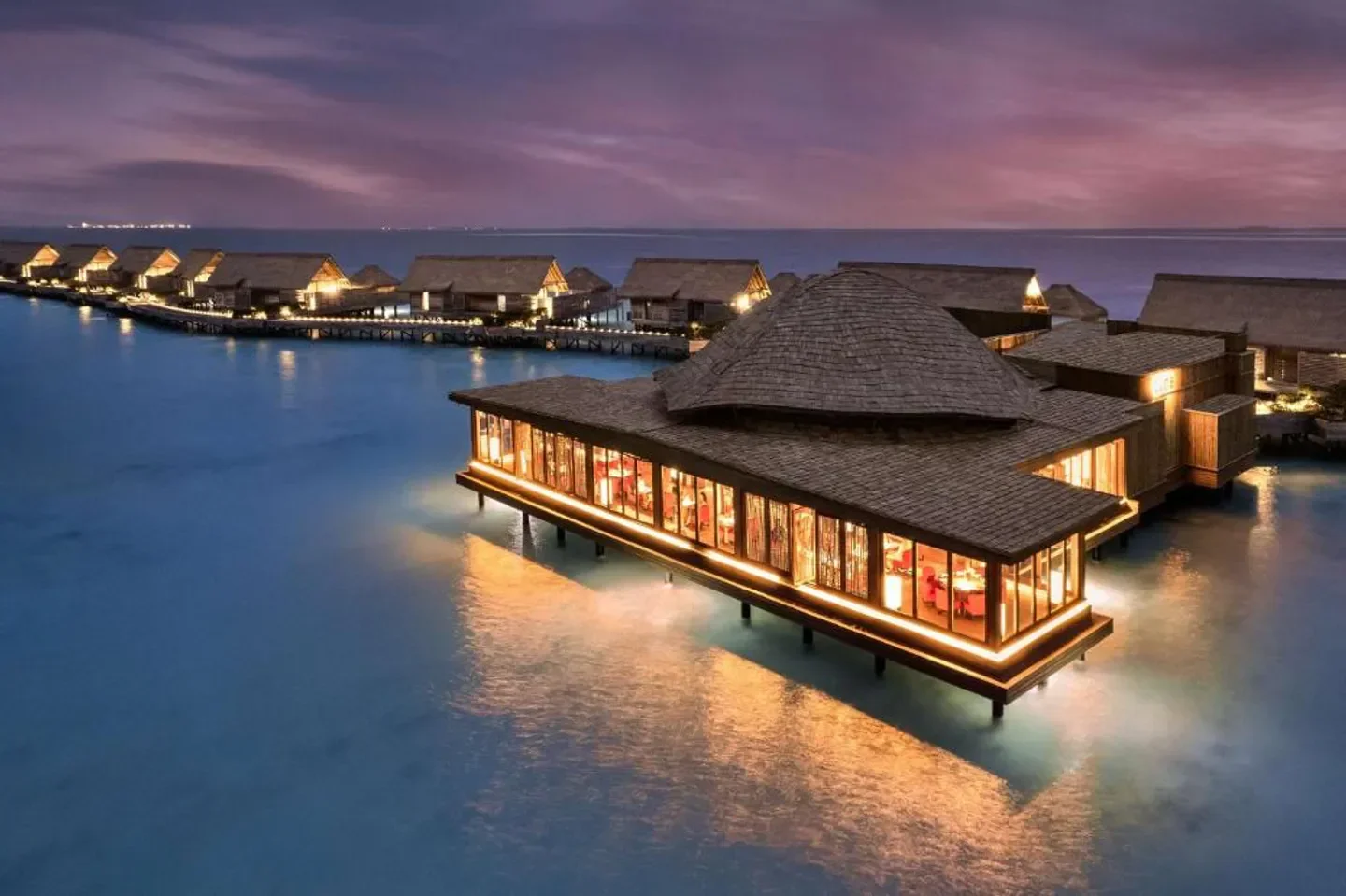
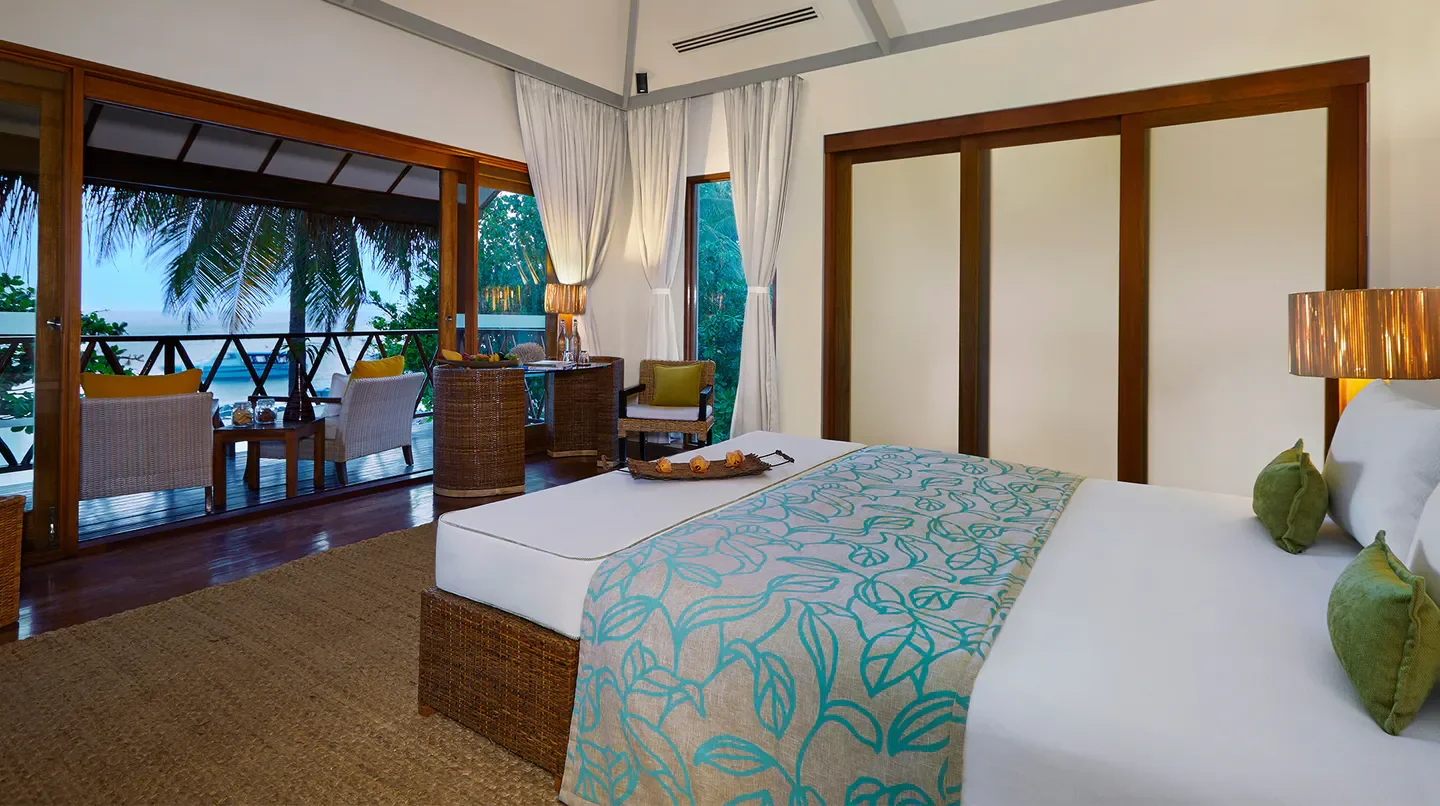
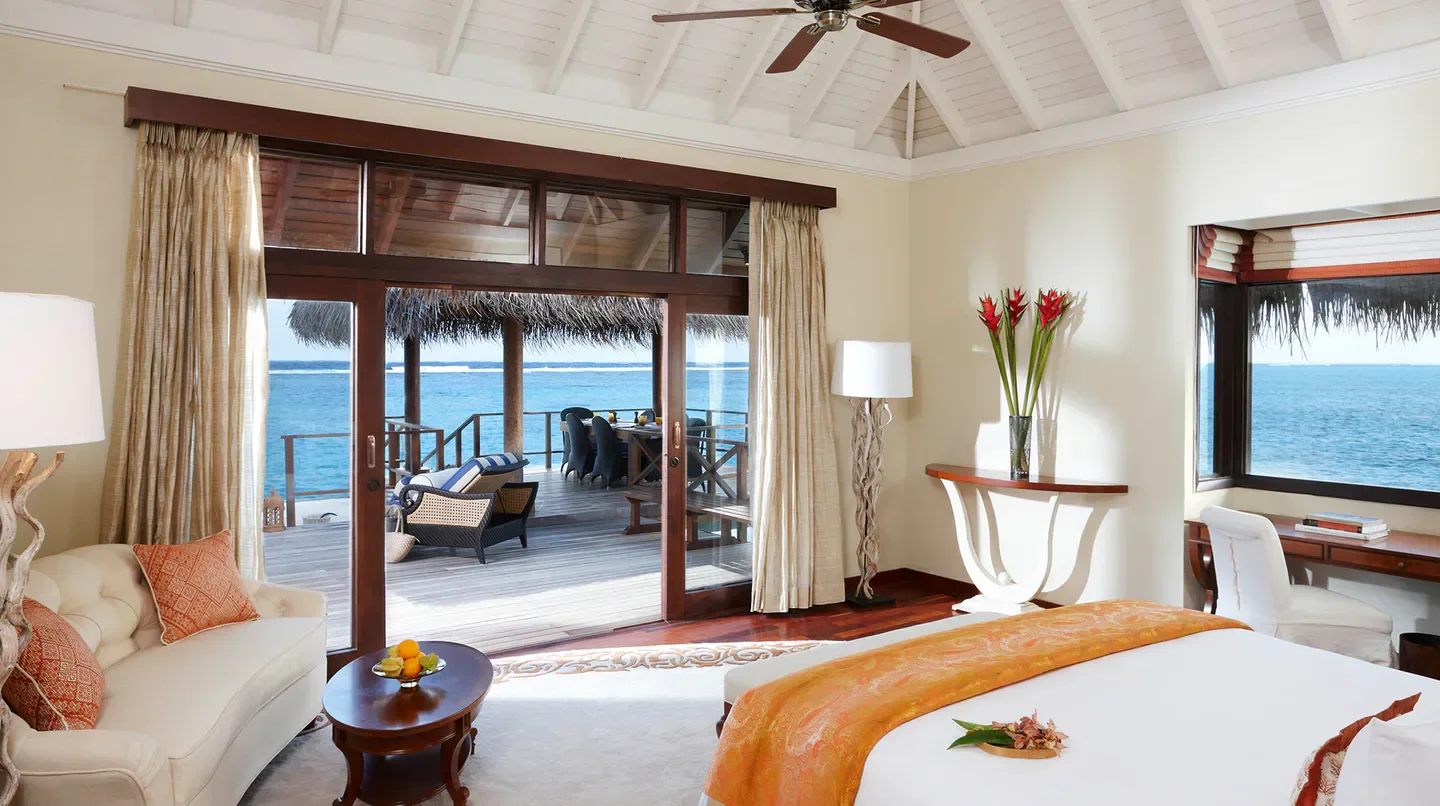
Maldives hotels rely on the geography of the atoll, where the villa acts as the entire ecosystem for the traveler. Unlike metropolitan hospitality, your room is not merely a place to sleep but a self-contained island infrastructure, often requiring seaplane transit or boat logistics to reach the lobby. Architecture here must contend with the encroaching salt spray and high humidity of the Indian Ocean, favoring open-air structures that prioritize ventilation over sealed interiors.
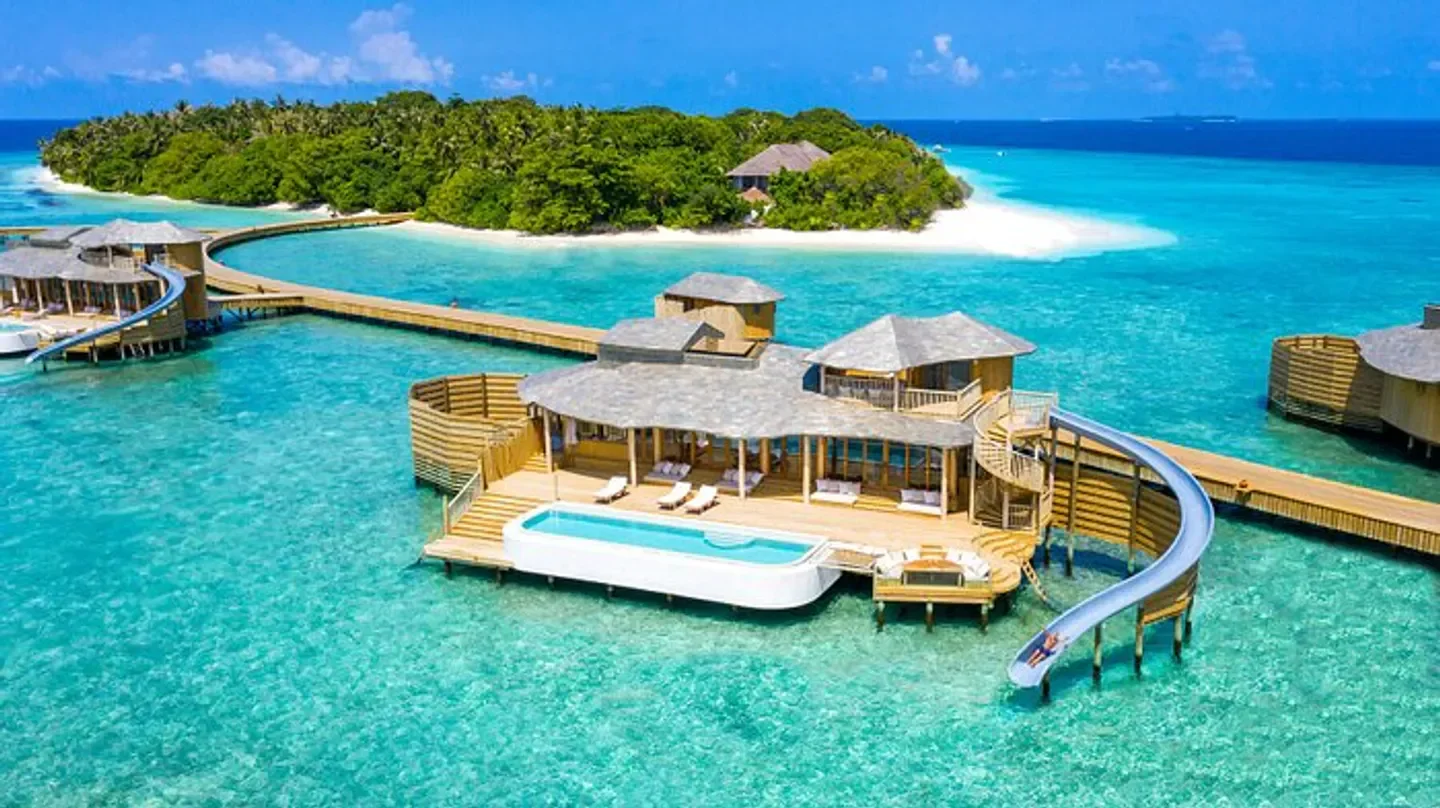
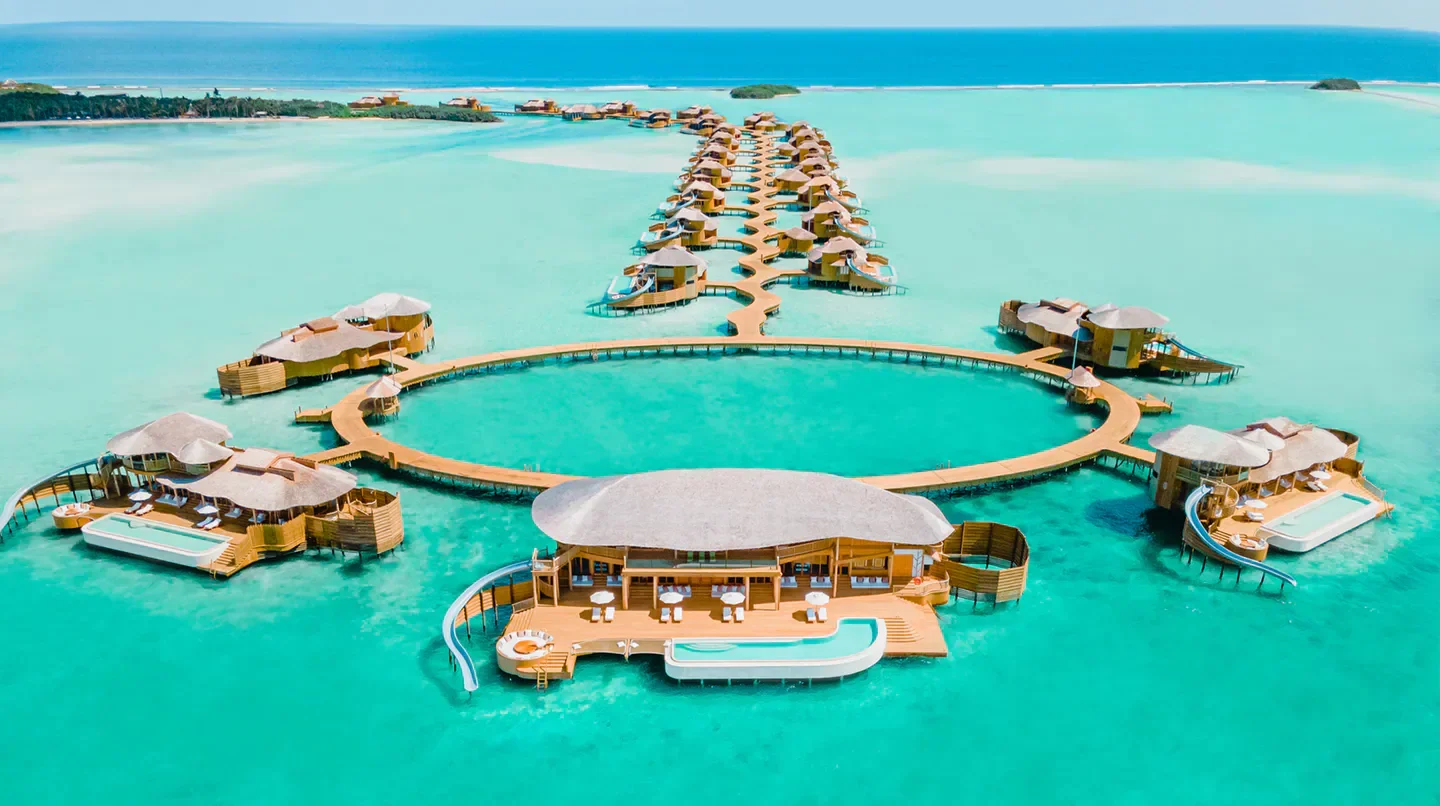
The Maldivian scene clusters by atoll, creating distinct pockets of isolation. The Fari Islands serve as a hub for those seeking proximity to one another, where Patina Maldives offers a focused study in modern, earth-toned design. In the Raa Atoll, JOALI BEING anchors itself in a strict wellness philosophy, distancing its guests from the standard resort model to concentrate on physiological restoration. Meanwhile, Soneva Jani provides a playful, structural take on the overwater villa, where the scale of the private slides and retractable roofs defines the guest experience.
The high season runs from December through April, as the northeast monsoon brings lower humidity and clearer water visibility. While hotels remain operational year-round, the rainy southwest monsoon from May to October dictates the movement between islands, as choppy seas often delay boat transfers. We verify availability across these remote atolls to ensure your travel dates align with the transport realities of the region.
Maldives Hotels FAQ