The Best Hotels in Maui
Plan Your Experience
The Maui Hotels Edit
The Experience
Maui Hotels Unlocked
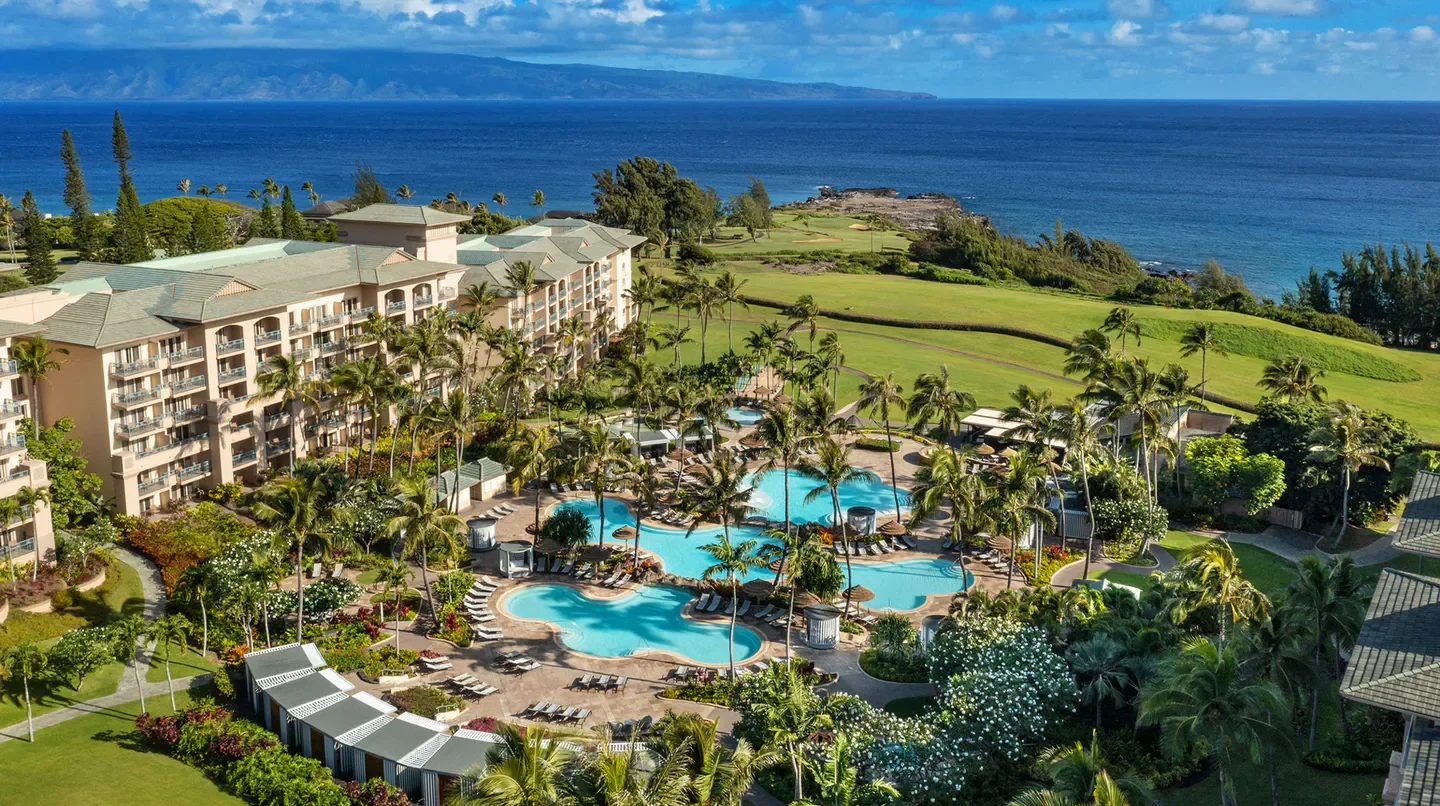
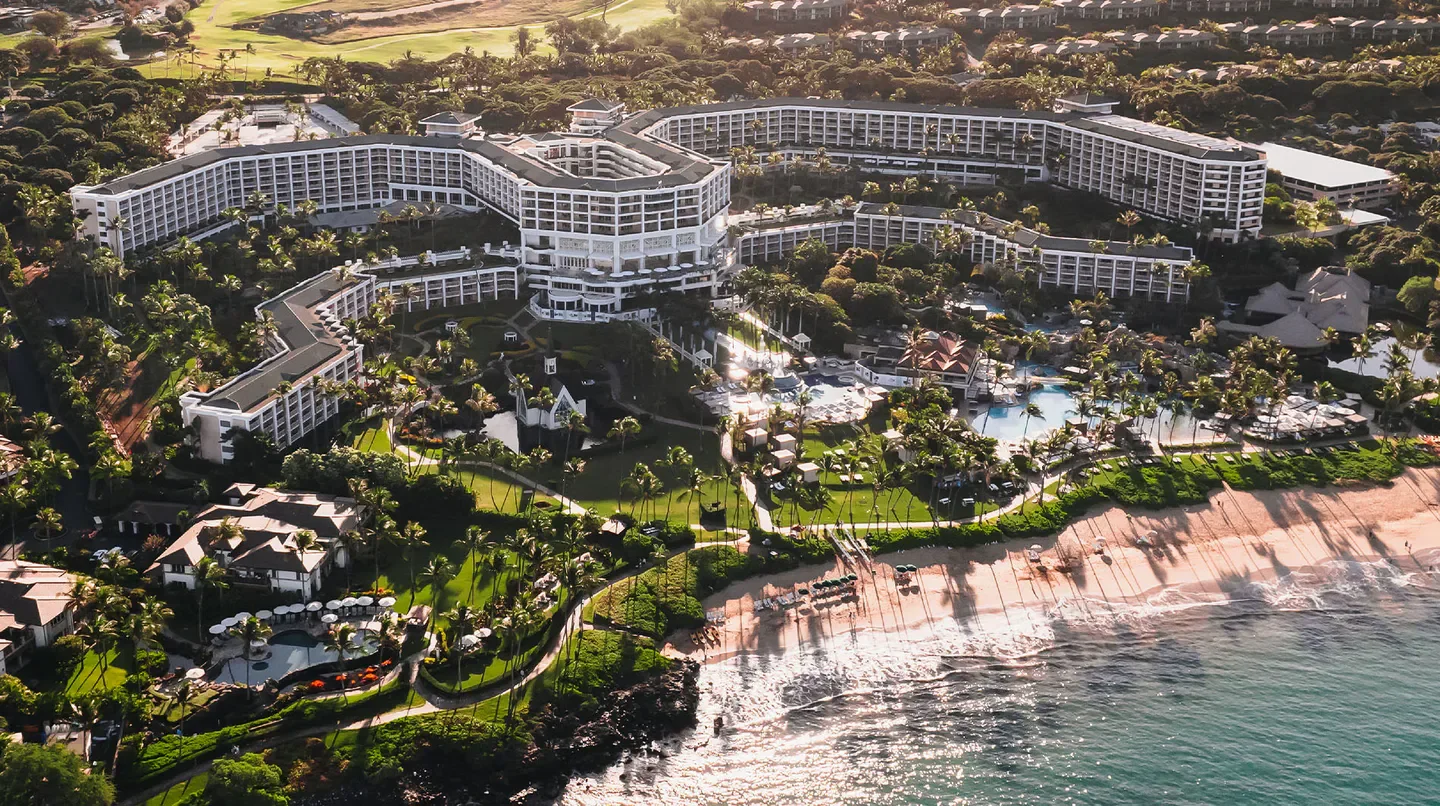
Maui resorts trade on a specific architectural paradox: the necessity of housing massive footprints within an ecosystem that demands low-slung, permeable integration. Unlike the vertical glass towers of urban hubs, these properties function as self-contained tropical campuses where the distinction between indoor hallways and outdoor trade winds is intentionally blurred. Gravity and local zoning mandate that architecture mimics the gentle sloping of the volcanic landscape toward the Pacific.
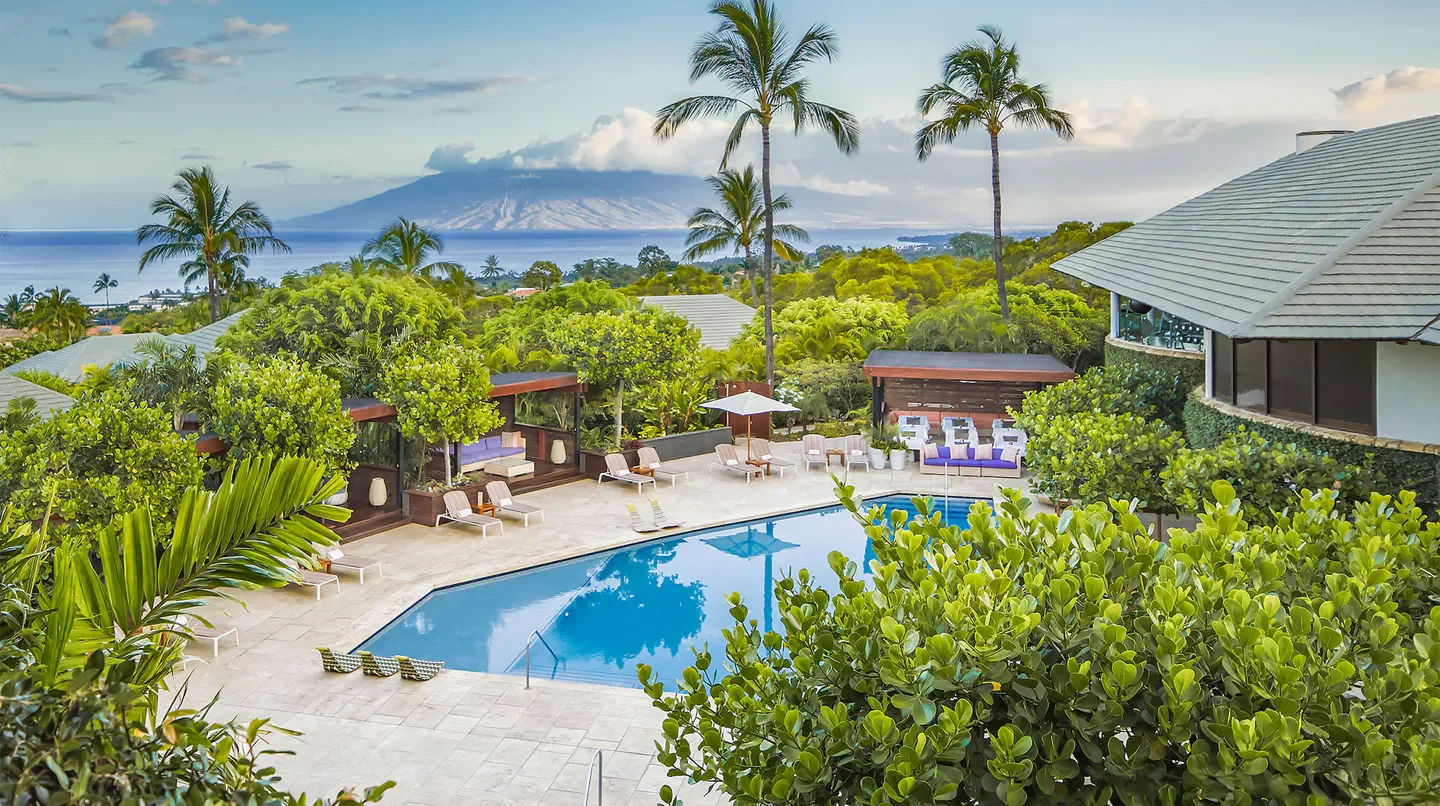
Most activity clusters in the master-planned communities of Wailea and Kapalua, where terrain dictates the pace. Hotel Wailea offers a secluded, hillside vantage point that favors privacy over direct sand access. Grand Wailea Maui, A Waldorf Astoria Resort anchors the shoreline with a sprawling density that caters to high-traffic, multi-generational demand. Meanwhile, Montage Kapalua Bay balances the quietude of the island’s northern reaches, prioritizing horizontal space and residential-style layouts that feel grounded in the local geography.
Trade winds dictate the rhythm of the island, with north-facing exposures capturing stronger gusts during winter months. Summer humidity brings a heavier stillness that pushes activity toward the ocean edge, particularly during the mid-afternoon sun. Weekends bring an influx of inter-island traffic that fills common areas, while weekdays offer a slower cadence ideal for accessing the quieter fringes of the property grounds. We identify these patterns to help you determine which micro-climate best aligns with your travel timing.
Maui Hotels FAQ