
The Best Restaurants in Bali









Plan Your Experience
The Bali Restaurants Edit
The Experience
Bali Restaurants Unlocked
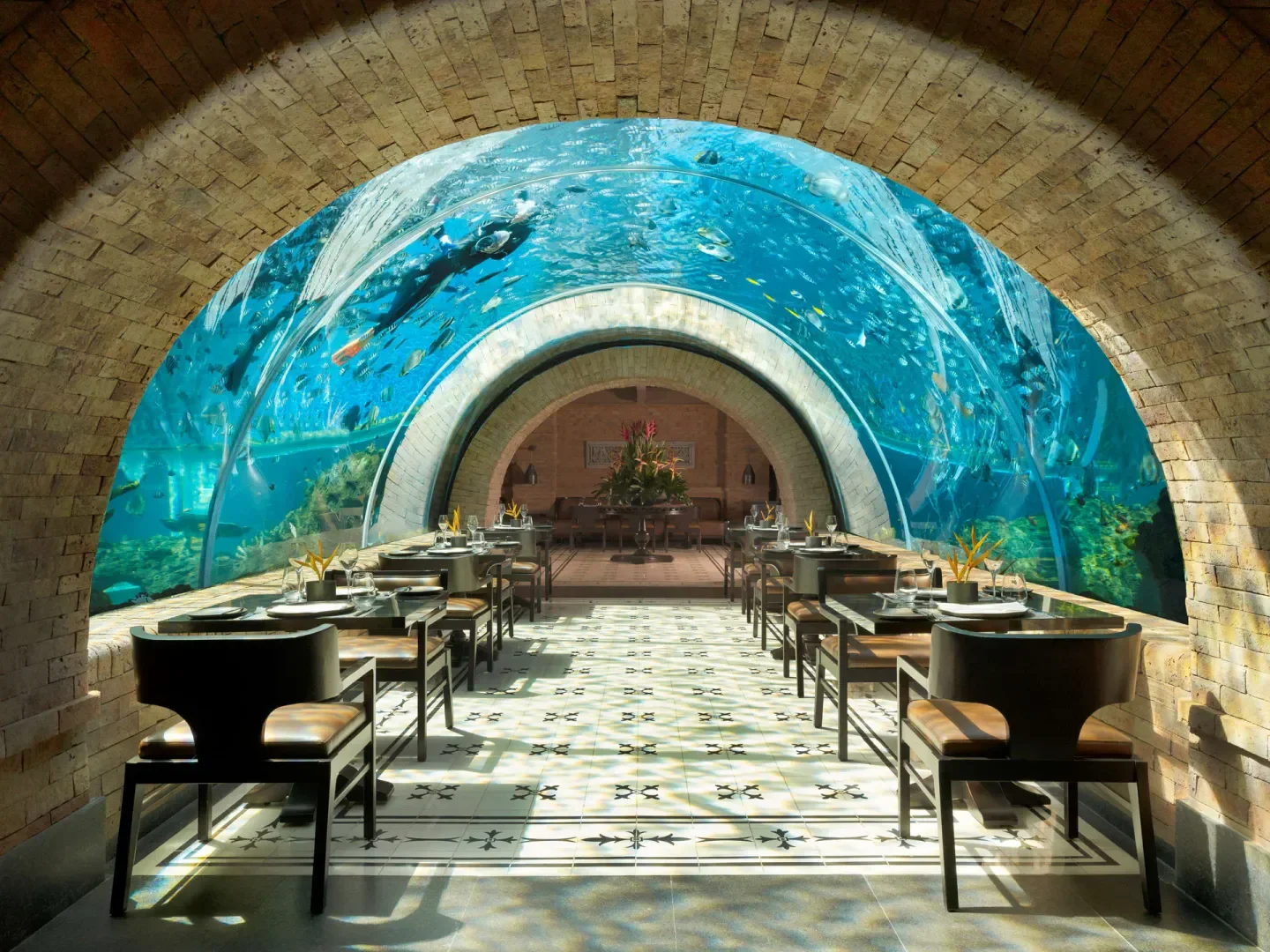
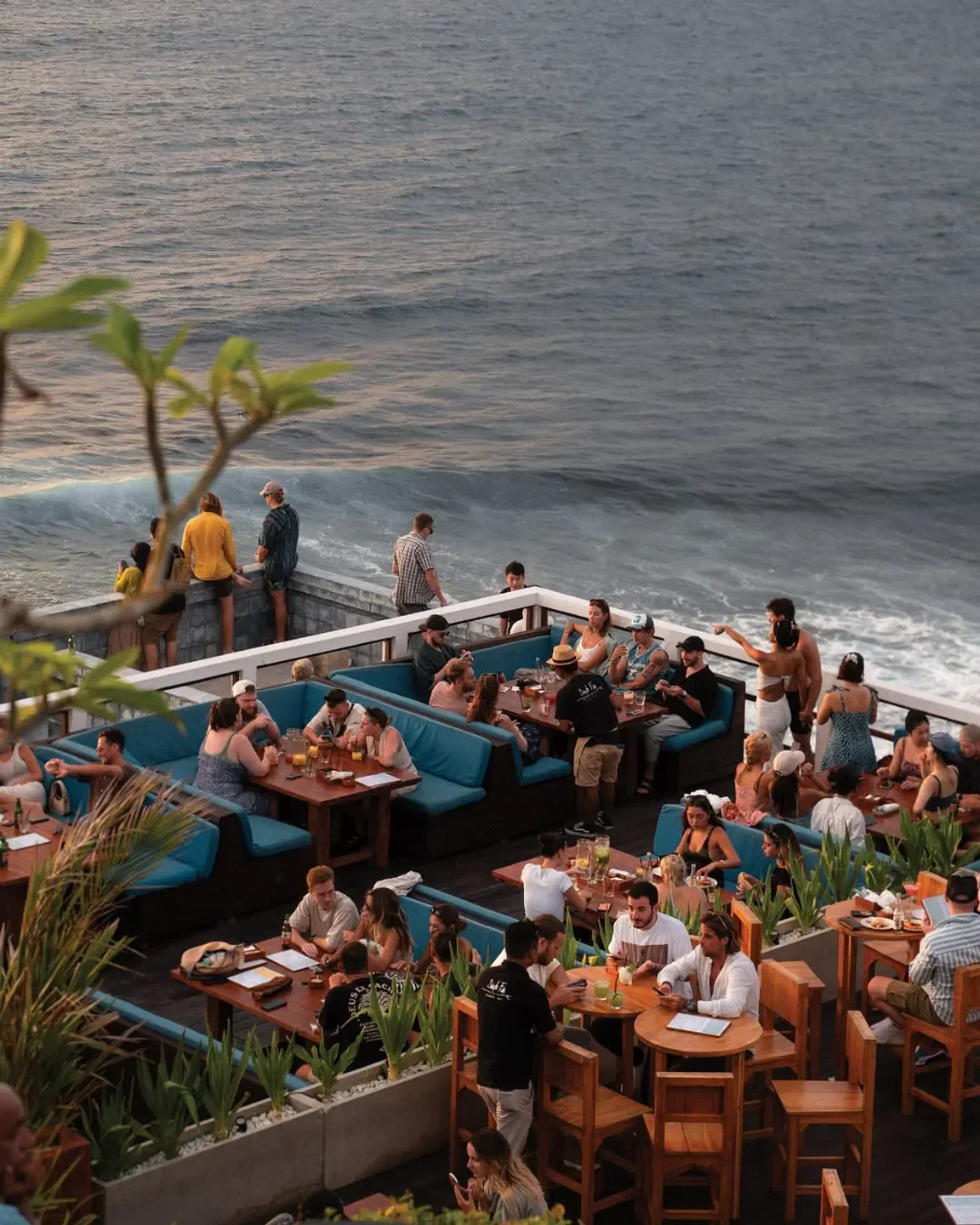
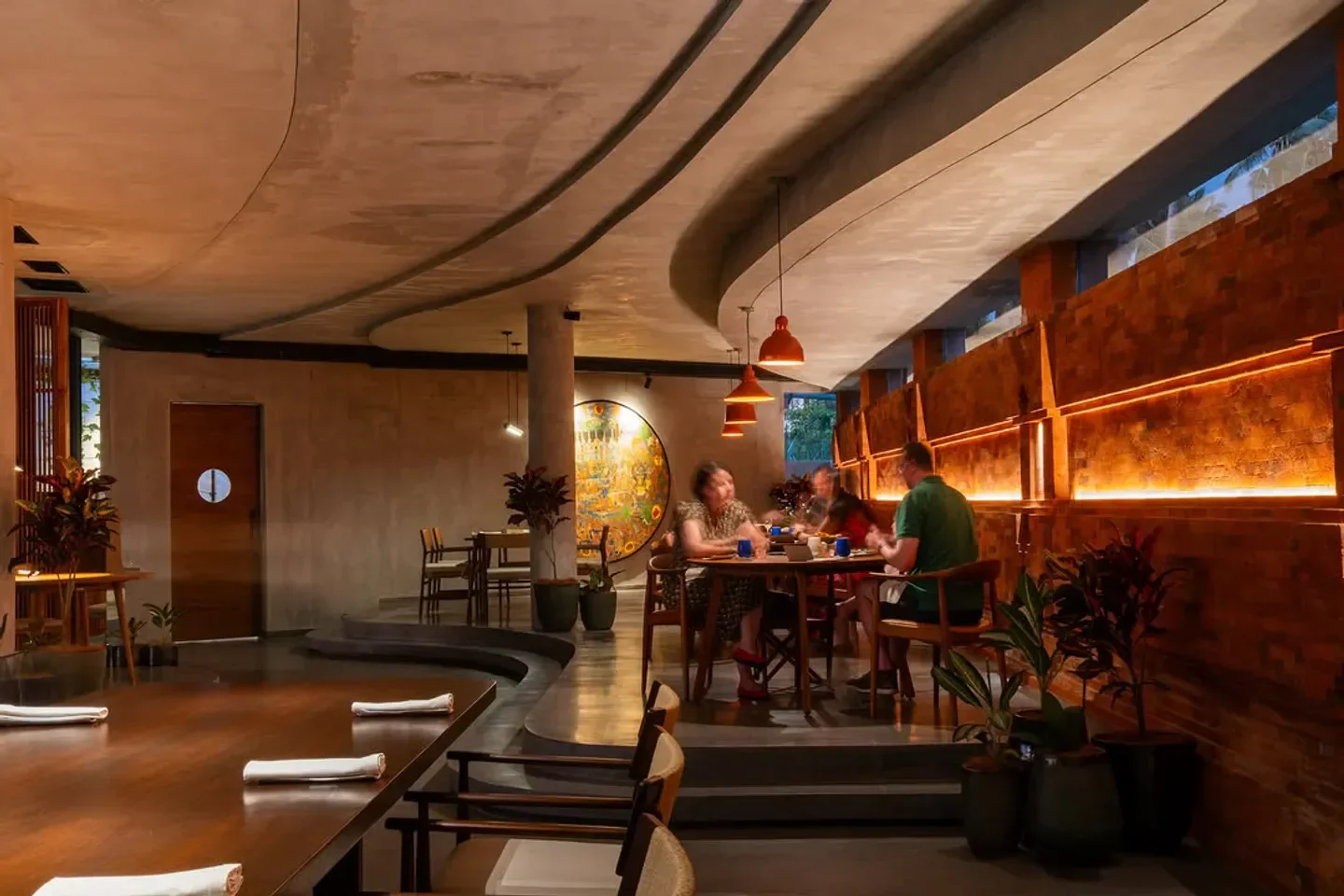
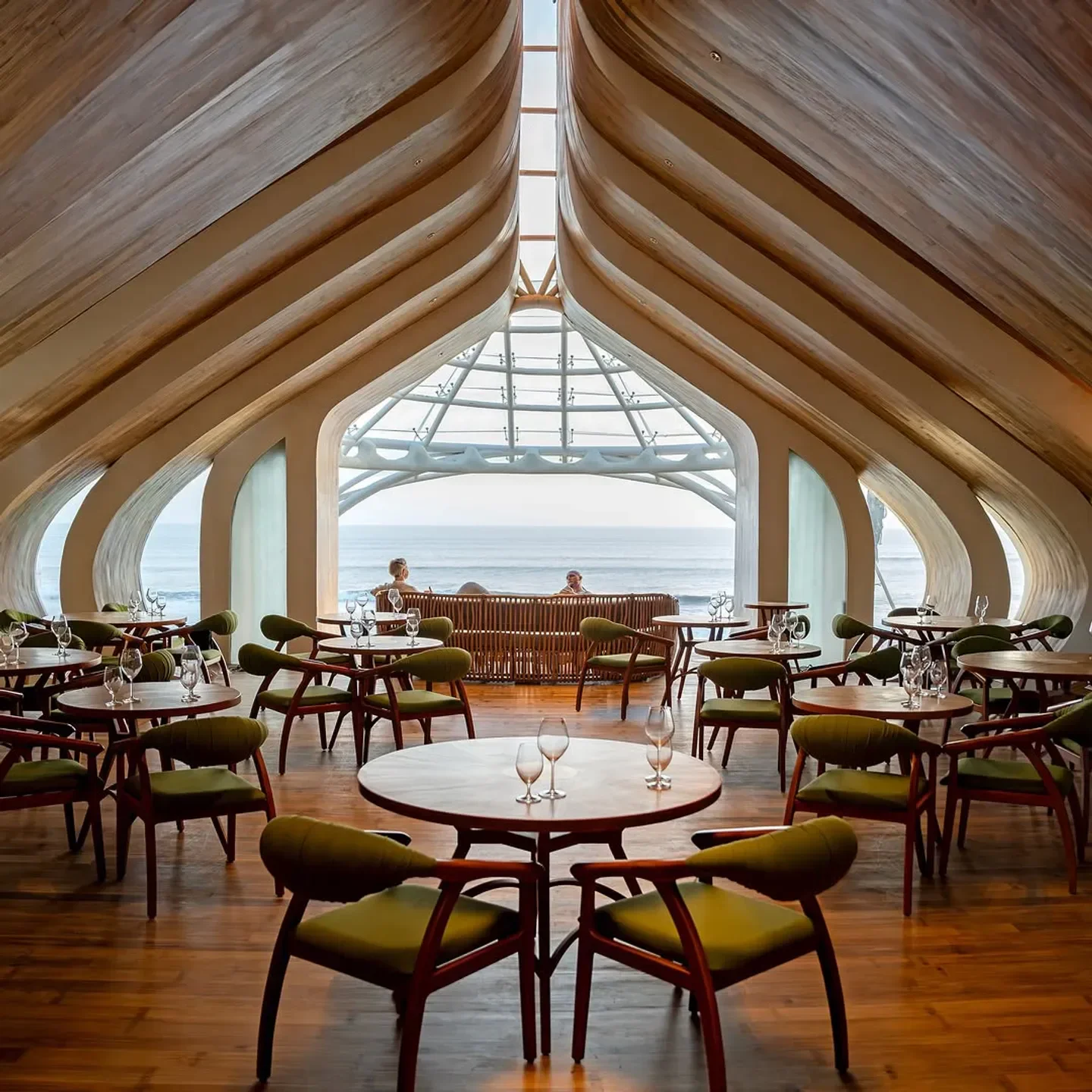
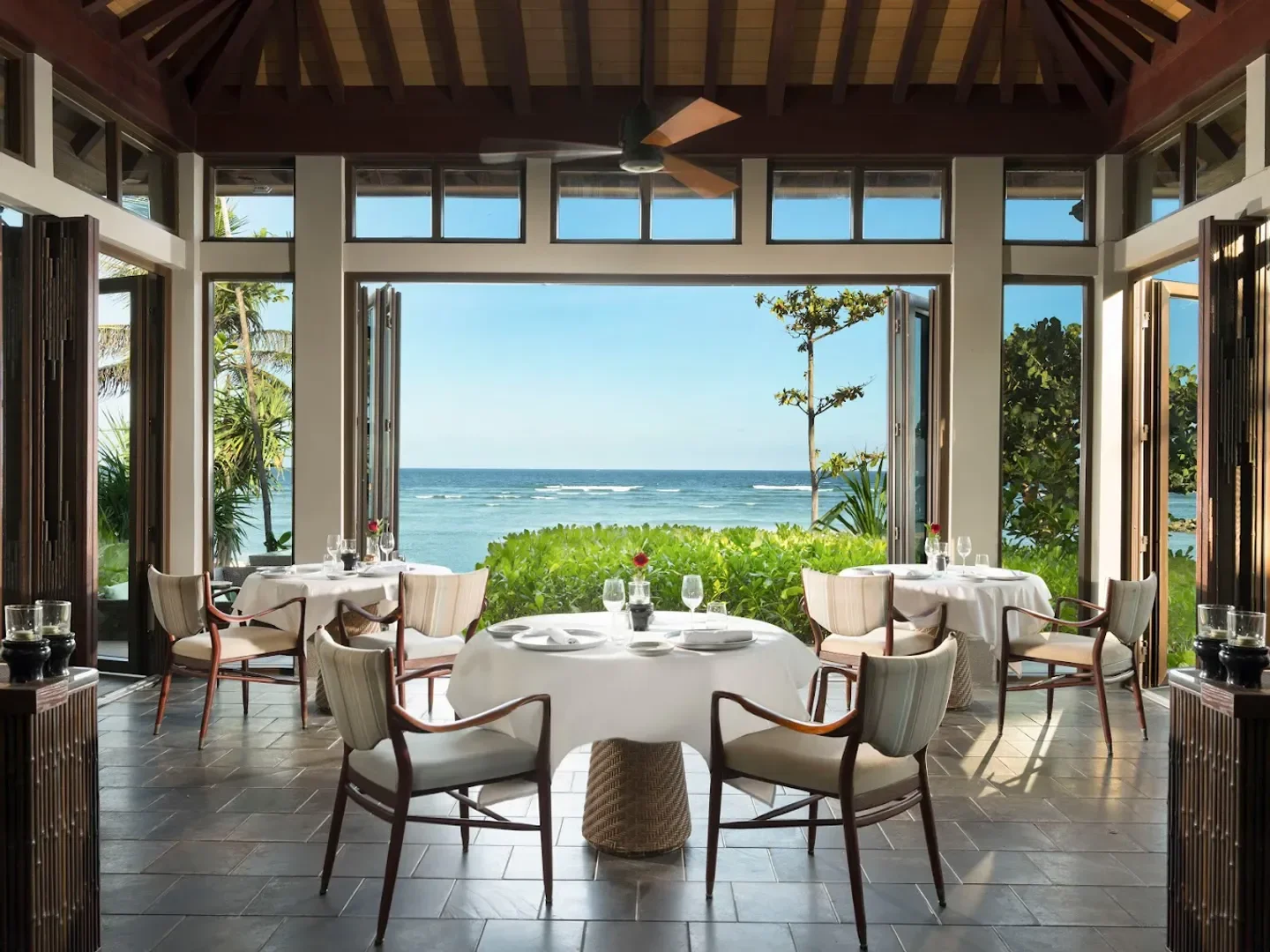
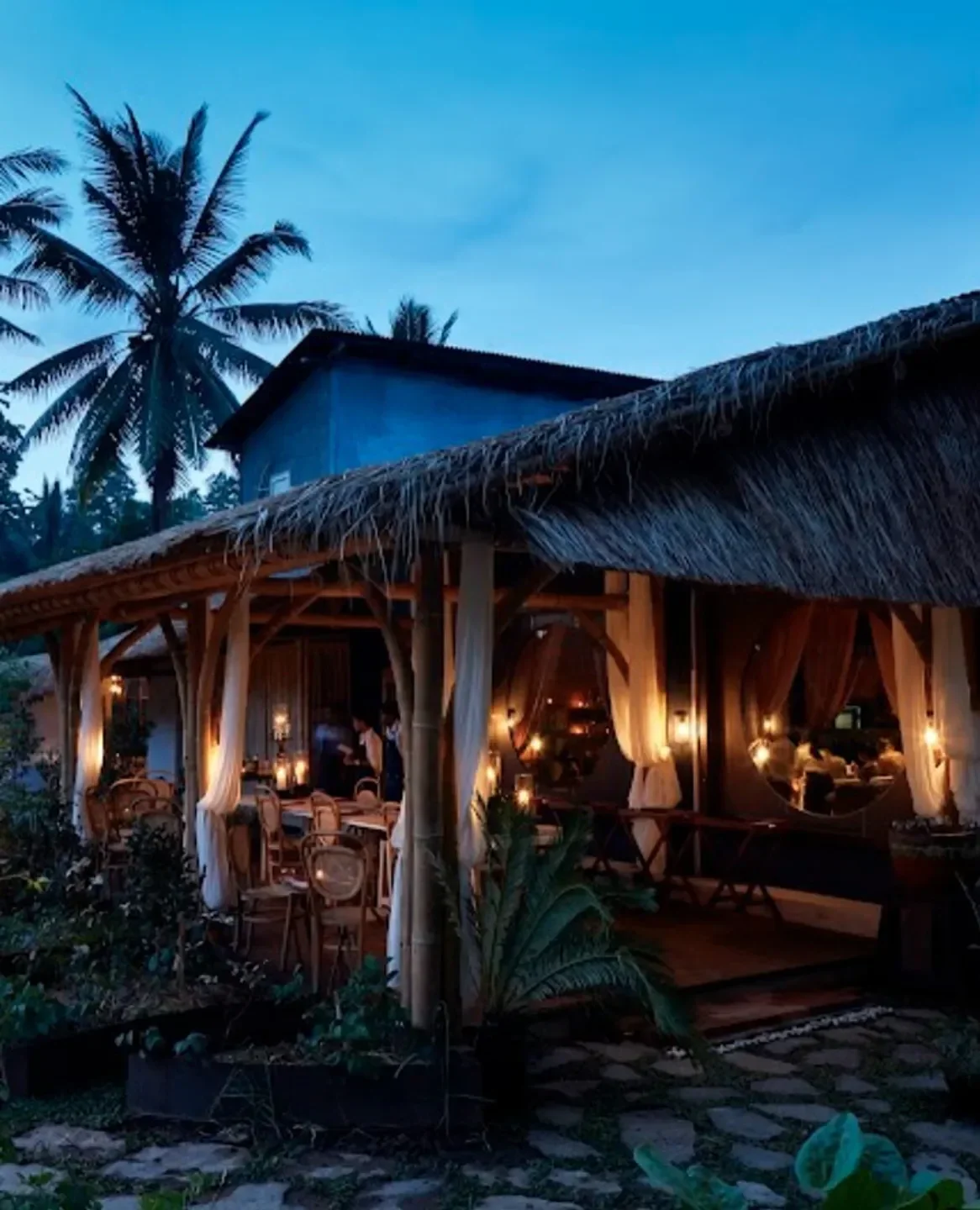
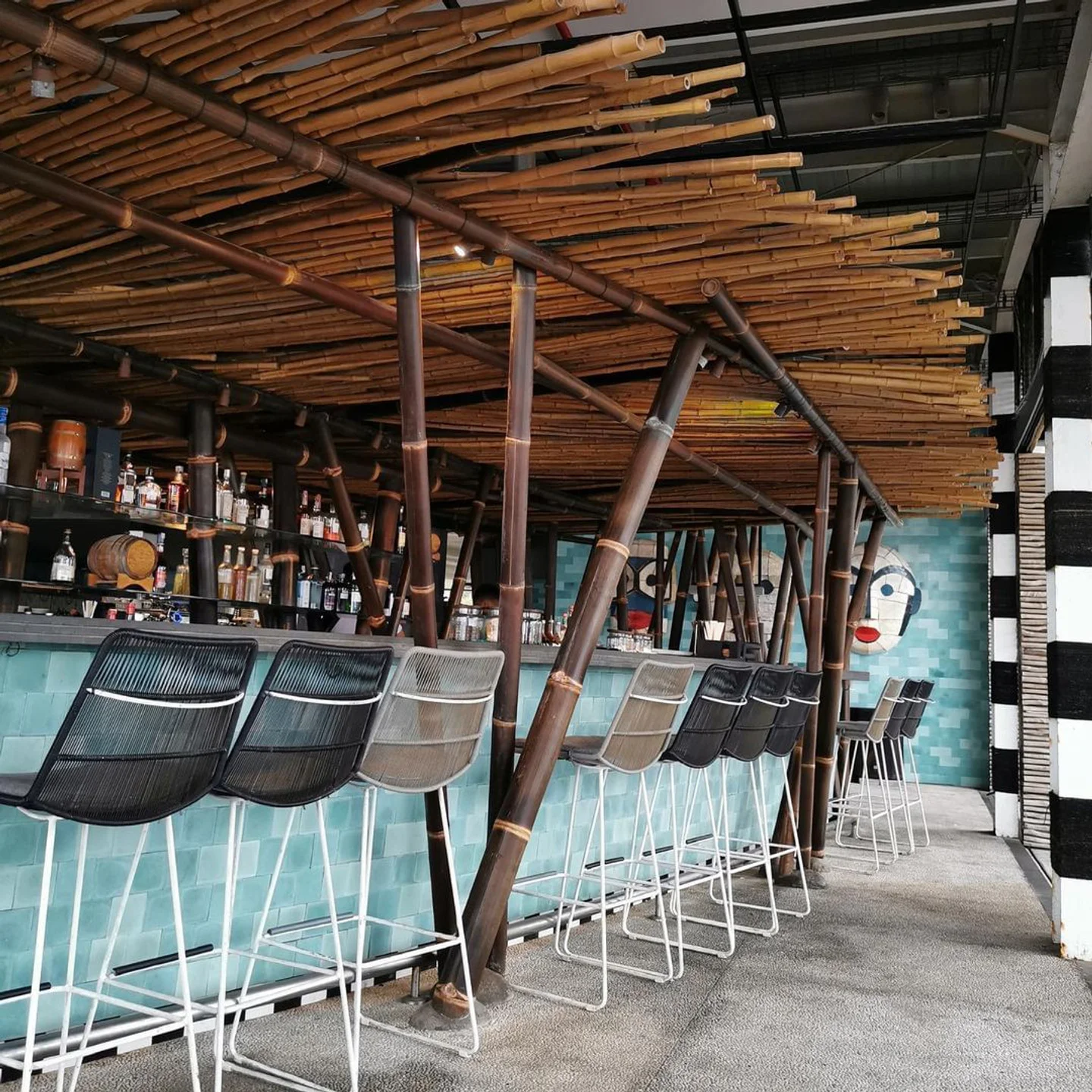
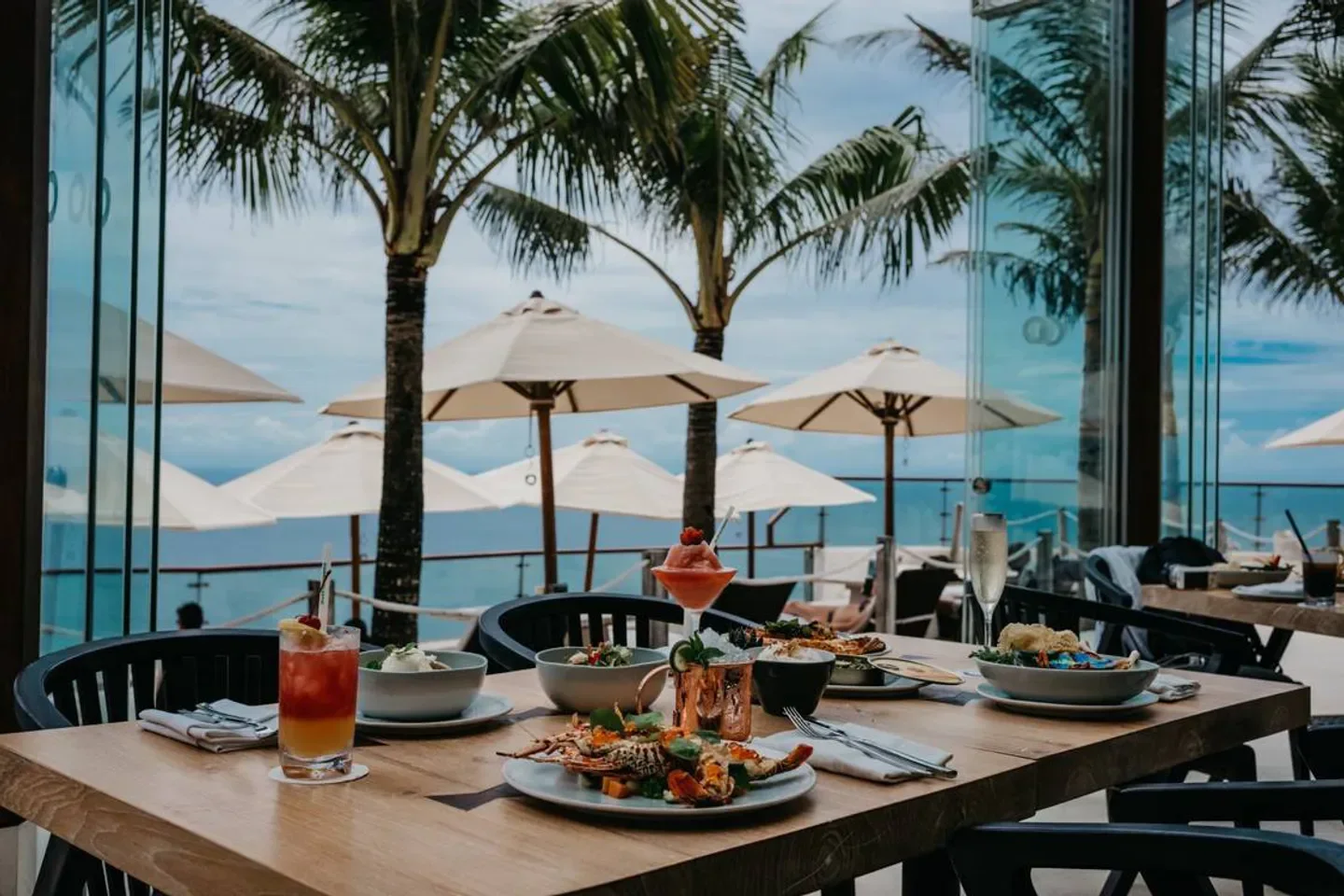
Bali dining is defined by a tension between the interior jungle and the coastal cliff edge. Restaurants here adapt to the tropical humidity by stripping away walls, ensuring that the boundary between the kitchen and the humid outdoors is nearly non-existent.
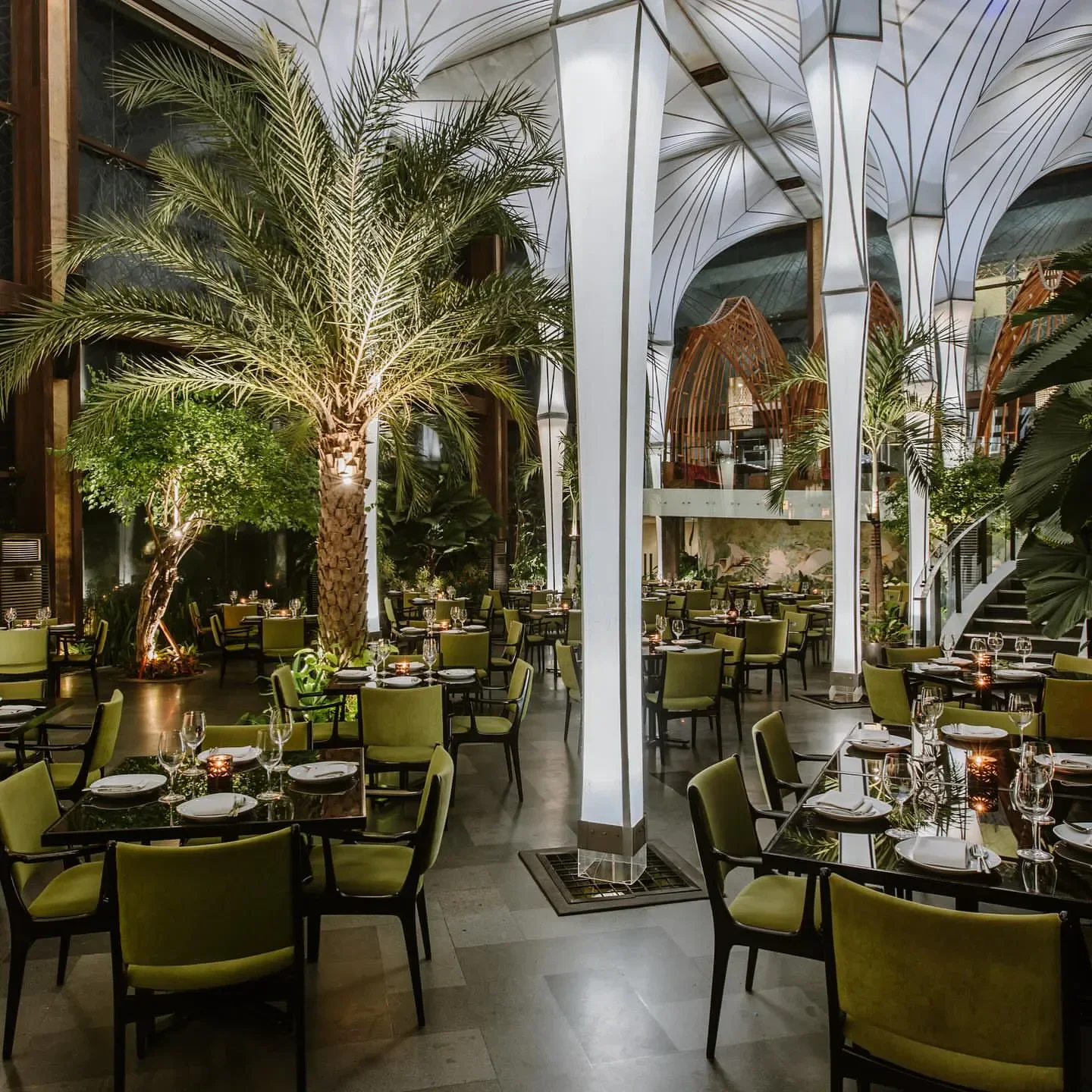
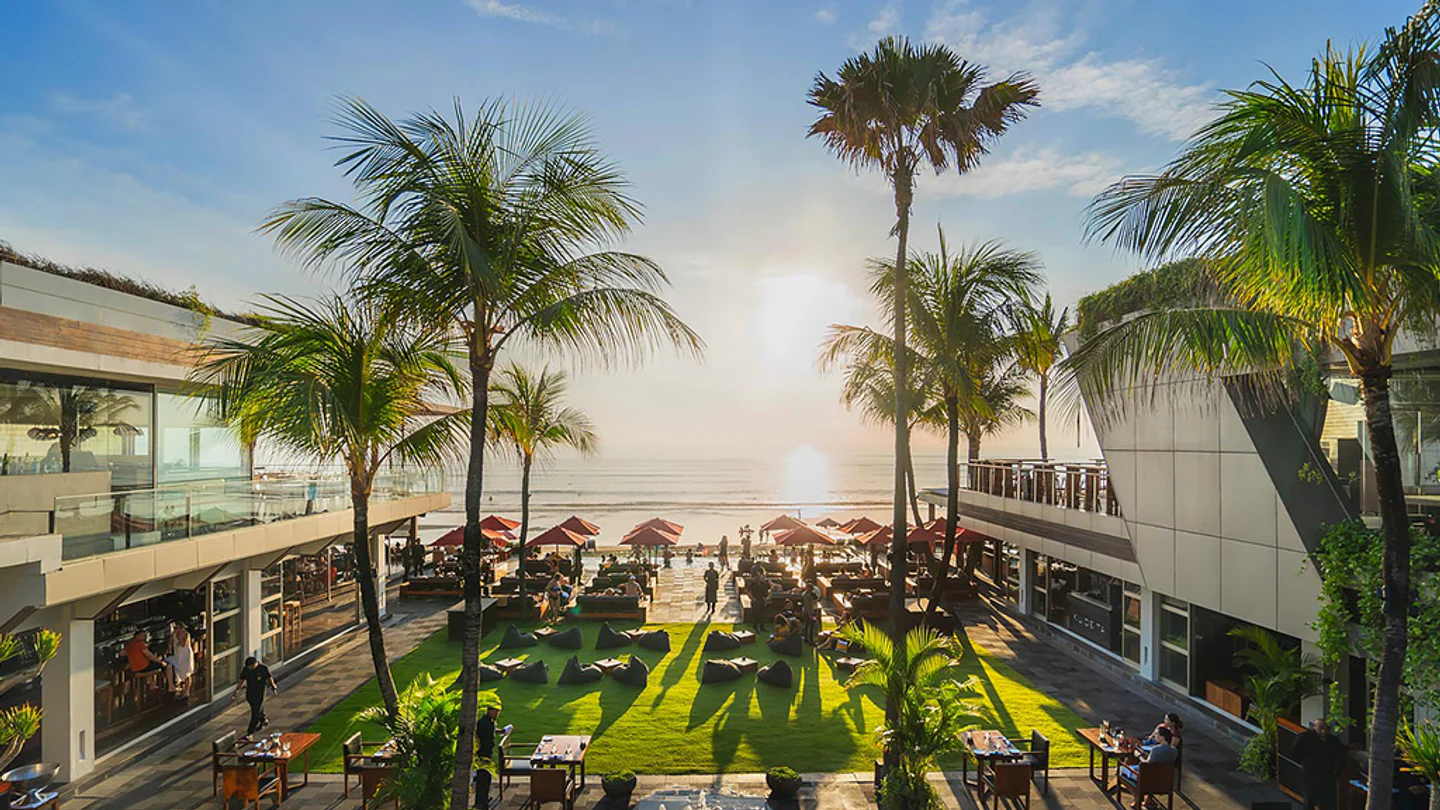
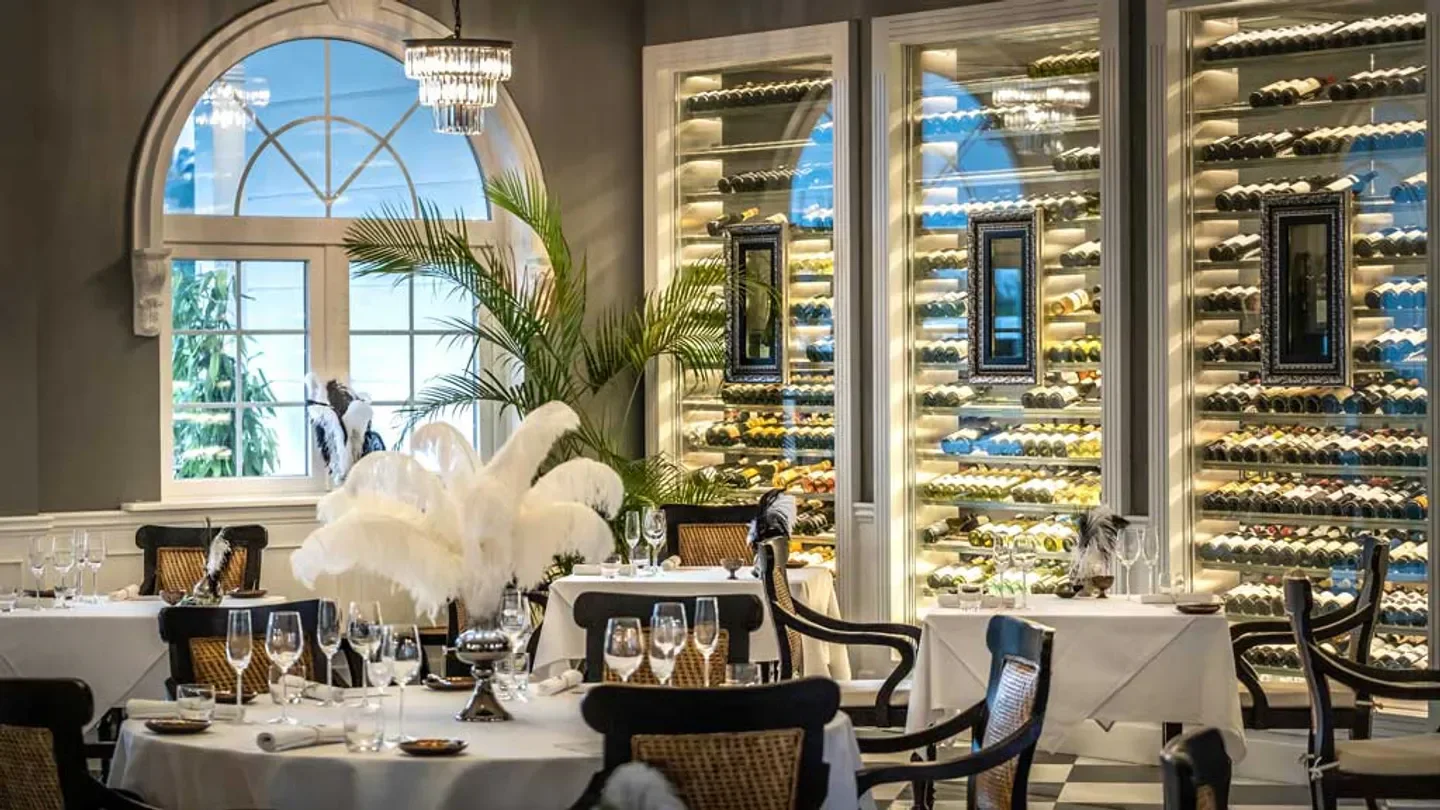
In the southern highlands of Ubud, Locavore NXT focuses on experimental ethical and sustainability practices, having earned an ethical and sustainability award from La Liste. Closer to the southern peninsulas, Kayuputi Restaurant commands attention for its rigorous oenological focus, holding a Wine Spectator Excellence Award. While these areas draw a steady crowd, the beach clubs at the water line rely on a different geometry, where the proximity to the surf dictates the pace of the evening.
The rhythm of dining shifts noticeably once the humidity breaks after sunset. Mid-week evenings in the southern beach zones attract a younger, mobile crowd, while the inland forest spots quiet down early. We track these shifts in volume so you can decide which tempo suits your evening.
Bali Restaurants FAQ