Beirut Luxury Concierge Services
Plan Your Experience
The Beirut Edit
View all
The Experience
Beirut Unlocked
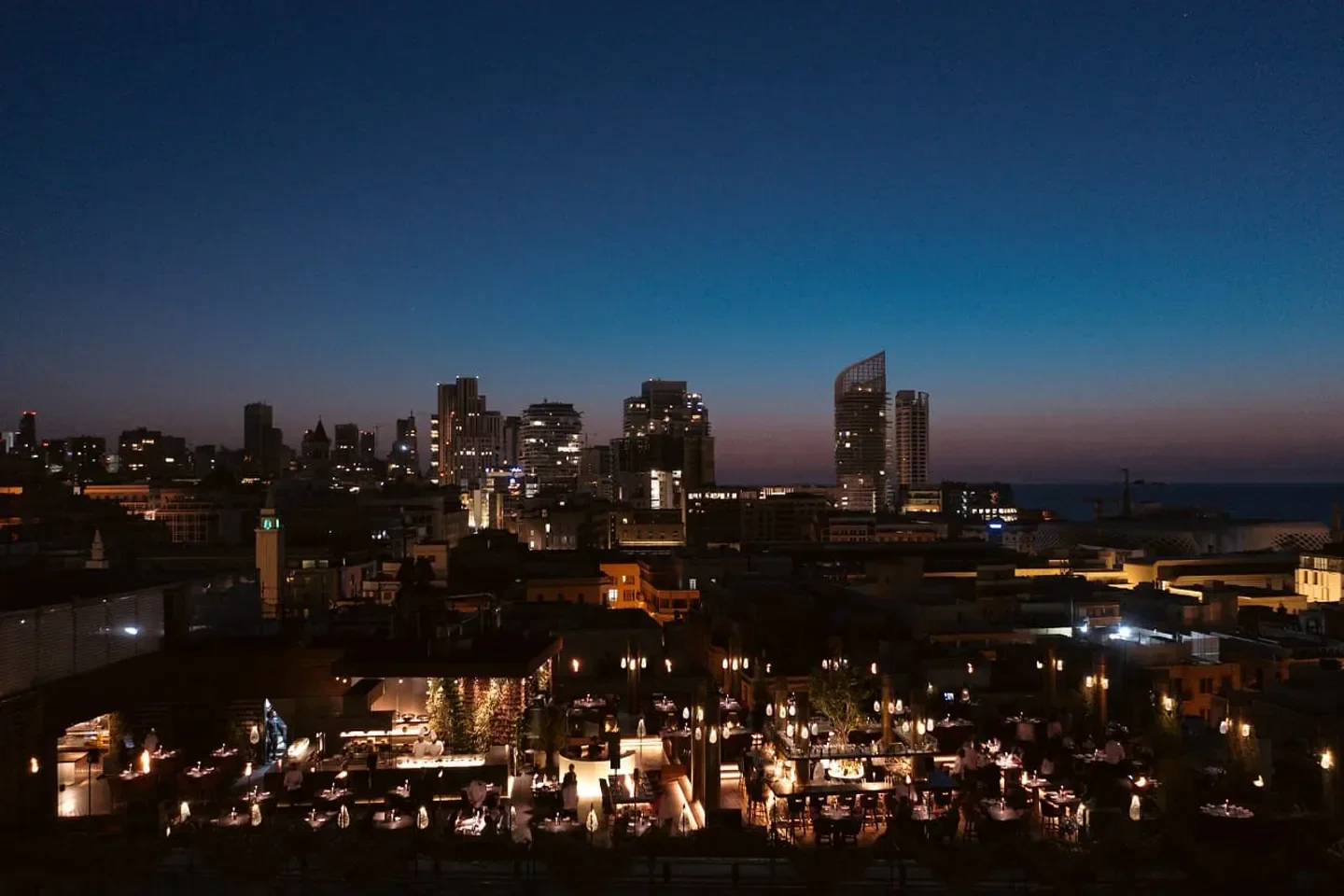
Beirut does not reward the map-dependent visitor. The city operates in layers of noise and silence, where the most essential tables hide behind heavy blast walls or within crumbling, century-old villas that feel perpetually mid-transition. You must navigate the specific rhythm of the evening, which starts late, drifts through heavy traffic, and ignores the standard western dining clock entirely. Finding the pulse here requires moving between the grit of the street and the polished, high-ceilinged interiors that define the city’s resilience.
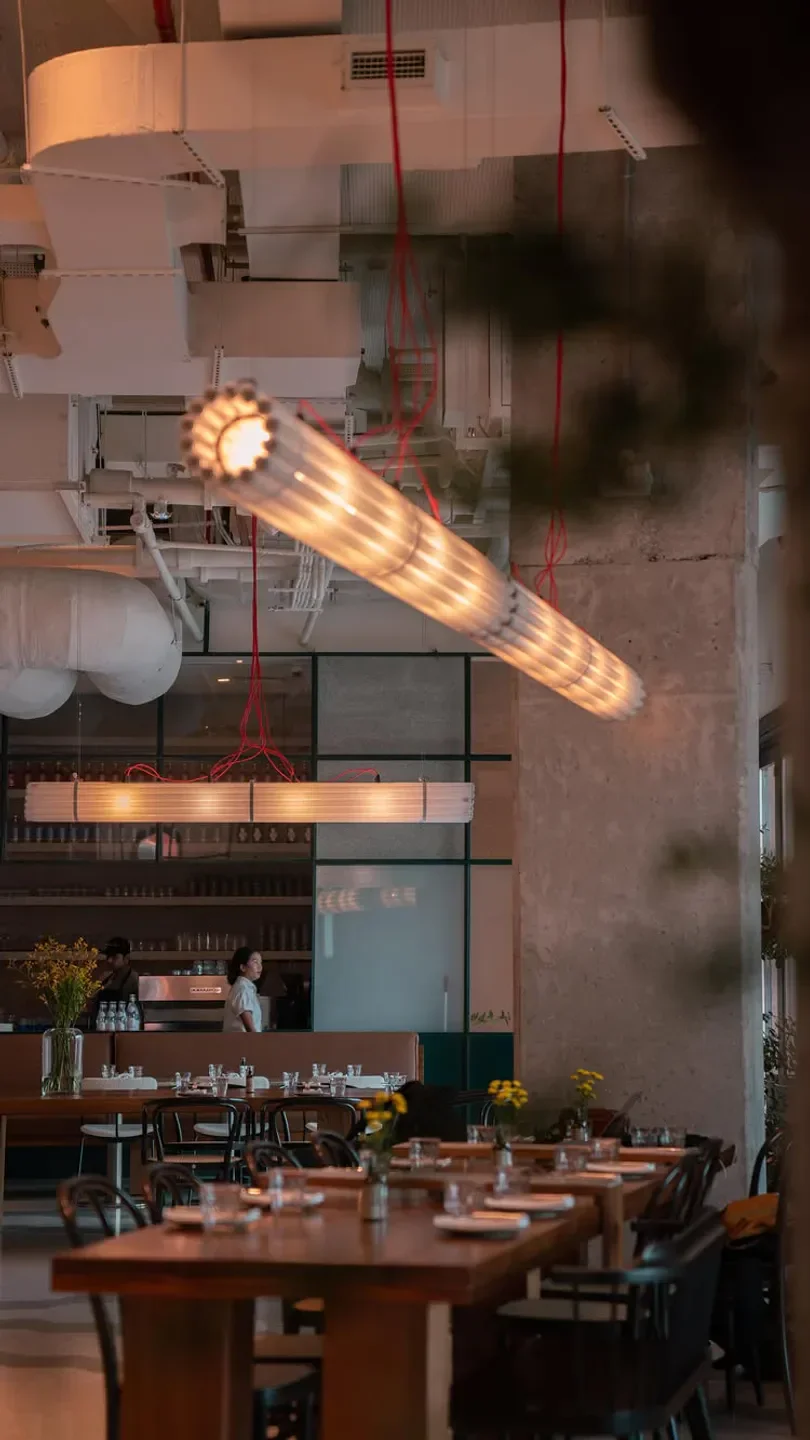
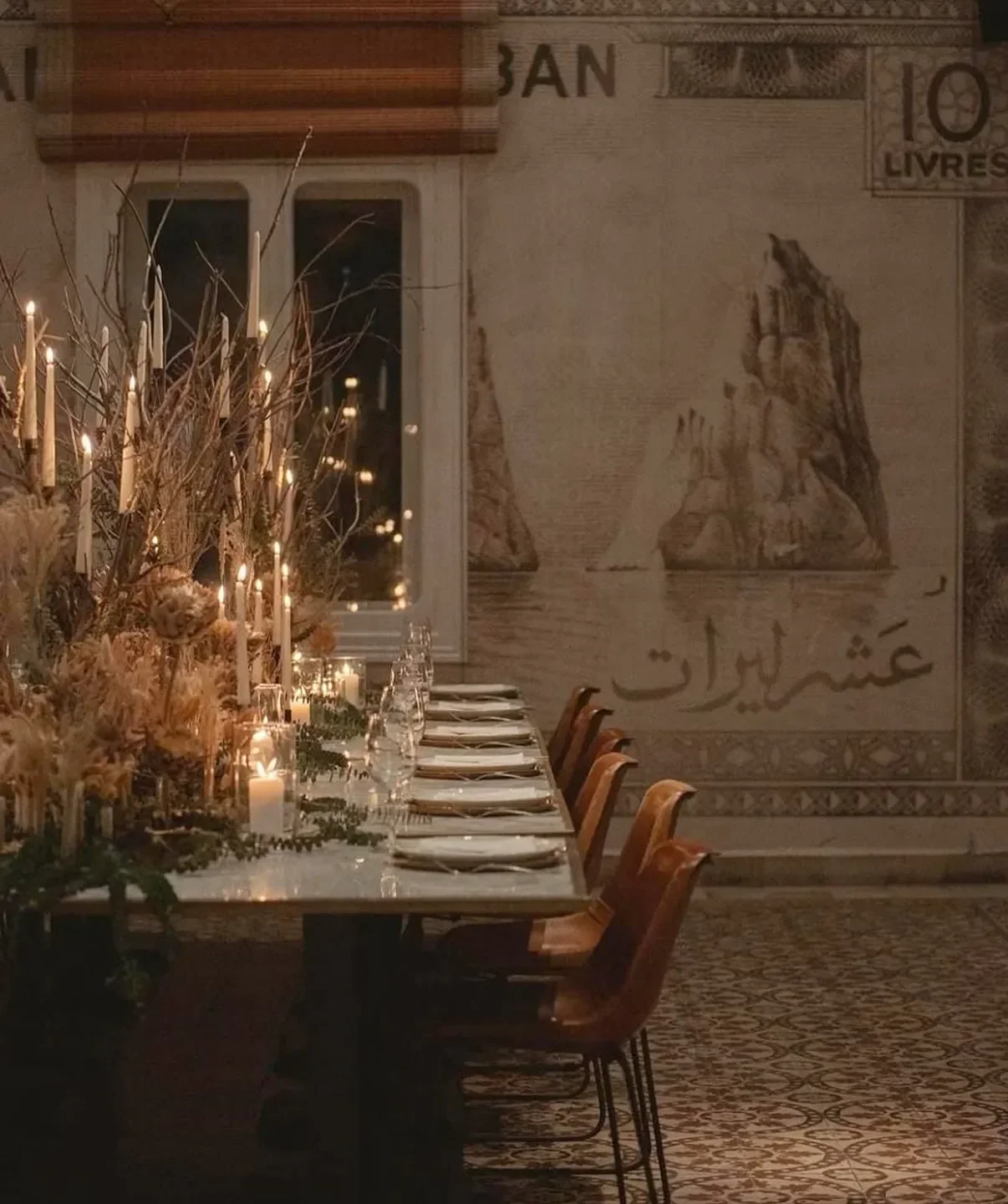
The dining scene clusters tightly along the coastal strip and the leafy intersections of Mar Mikhaël and Gemmayzeh. Em Sherif, which stands at no. 7 on The World's 50 Best MENA, provides an essential masterclass in Lebanese hospitality that is far removed from the city's frantic pace. Nearby, Baron leans into a sharp, ingredient-led Mediterranean sensibility that earned it no. 15 on The World's 50 Best MENA. For a sense of history, Liza Beirut offers a sprawling, ornate take on the traditional domestic dining room.
Plan your nights for the latter half of the week, when the energy in the Ashrafieh district peaks and the cafes in the west fill with a restless, late-night crowd. Avoid midday constraints; most kitchens stay active deep into the night to accommodate a city that refuses to sleep. Start your mornings with the heavy, unpretentious local staples at El Soussi before heading toward the coast for the polished, high-altitude perspective of Clap Beirut. We track these movements to ensure you find the authentic version of the city, not the glossed-over caricature.
Beirut FAQ