Burgundy Luxury Concierge Services
Plan Your Experience
The Burgundy Edit
View all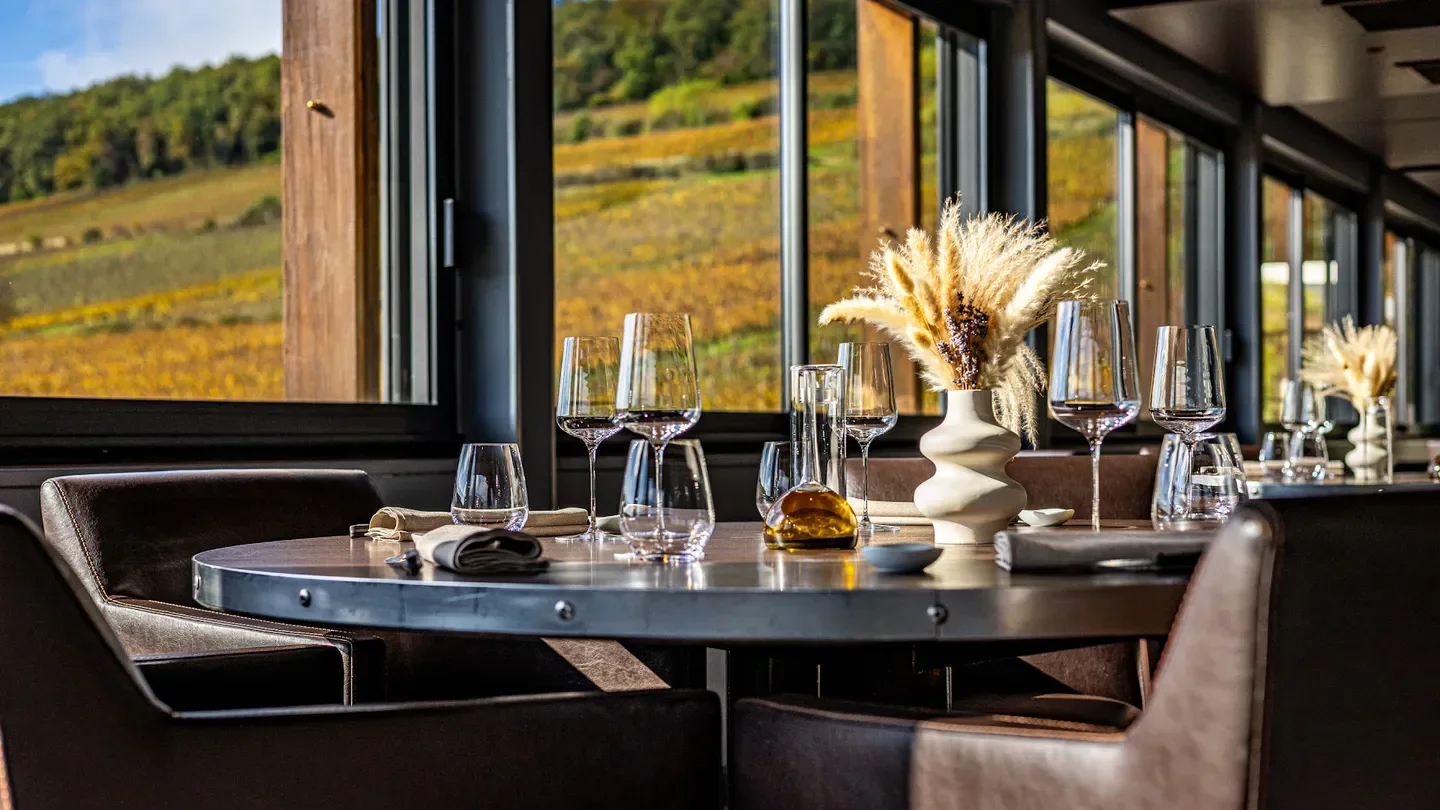
The Experience
Burgundy Unlocked
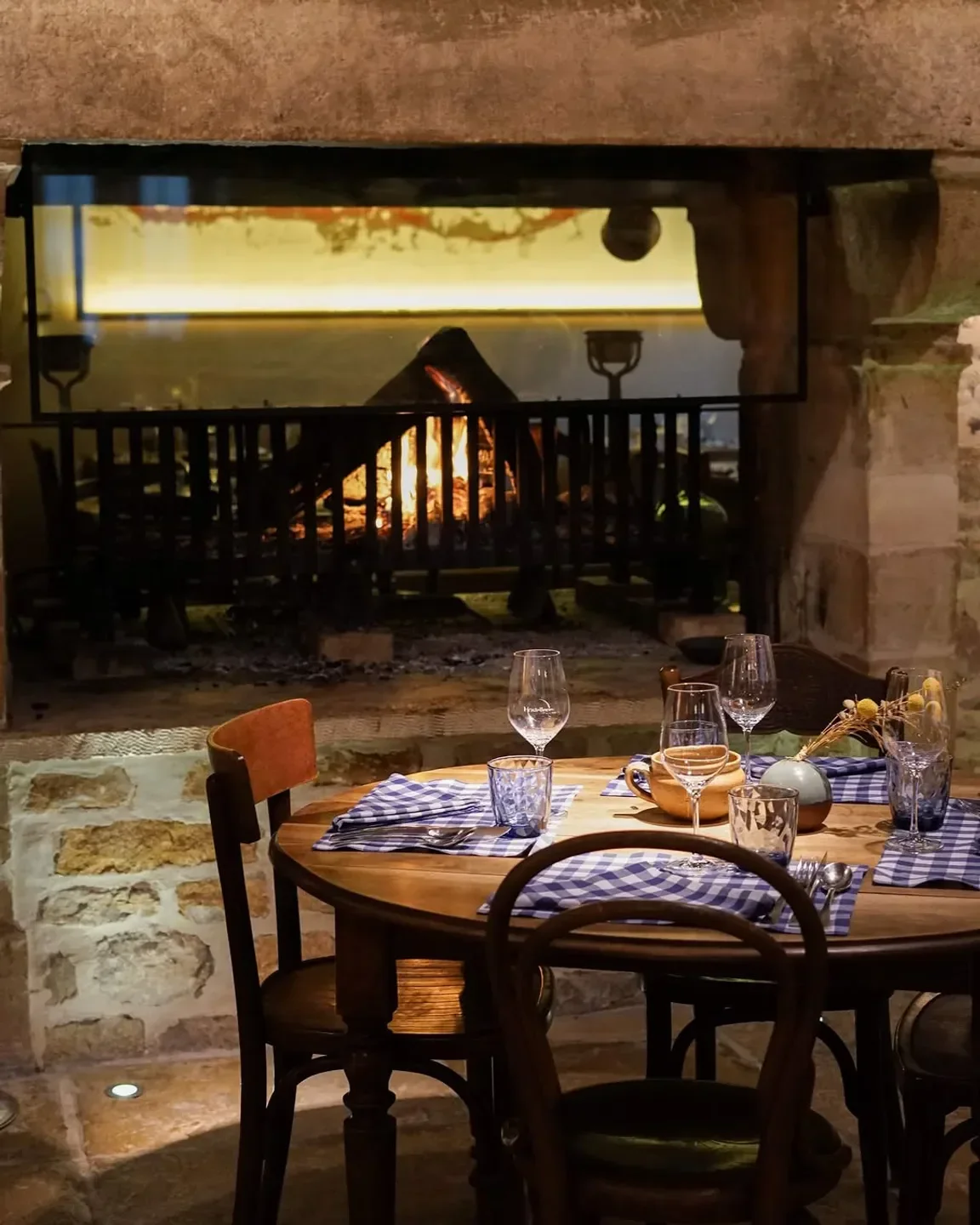
Burgundy forces a brutal trade-off between the postcard image of vineyard-cradled bistros and the reality of a region where the best cooking often hides in plain sight. Visitors arrive expecting endless, open-door hospitality, yet the landscape is defined by long, winding stretches between villages, making spontaneous dinner hops nearly impossible. The rhythm here follows the heavy, agrarian work of the vines rather than the clock of a major tourist hub, meaning late arrivals or mid-afternoon hunger frequently end in disappointment.
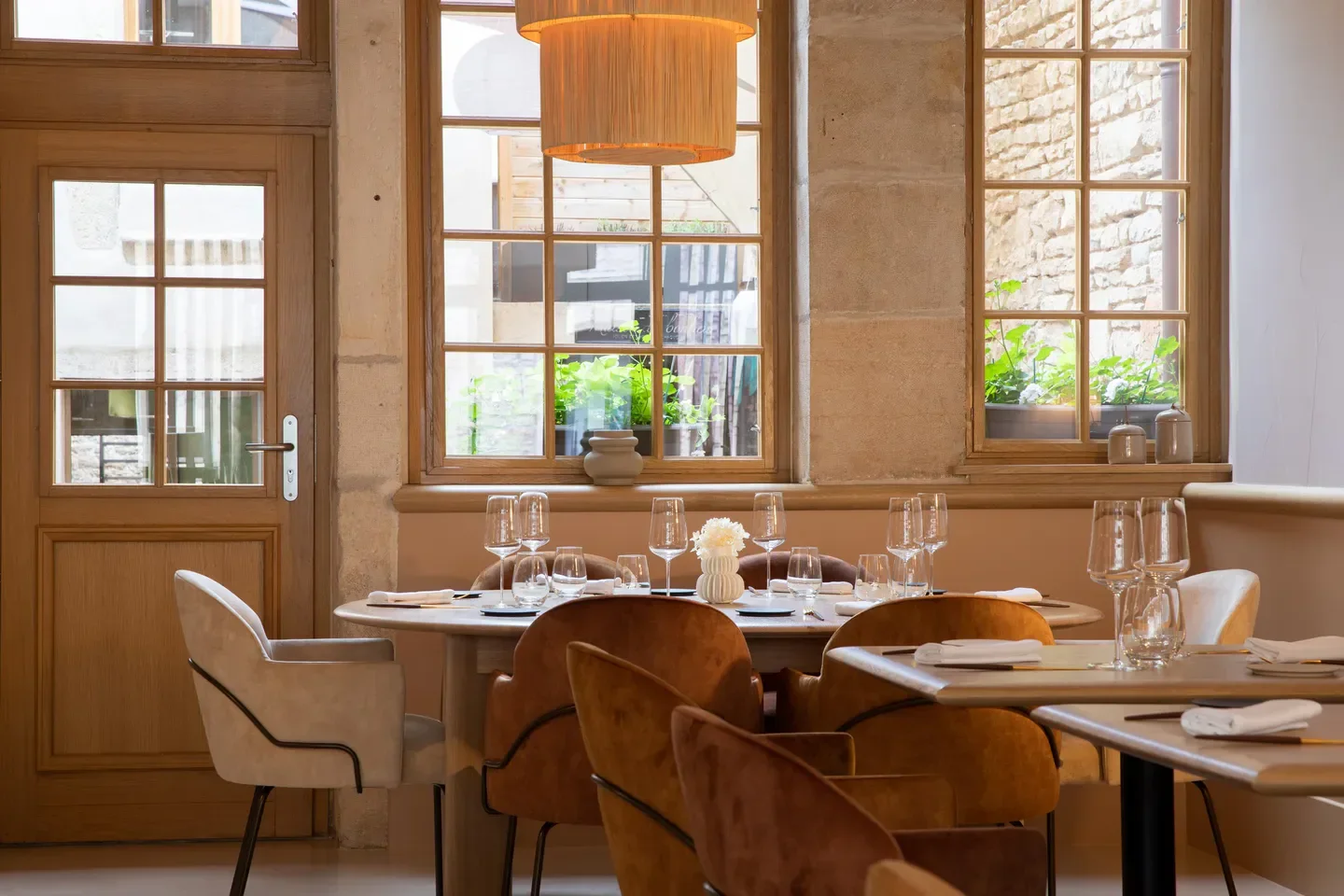
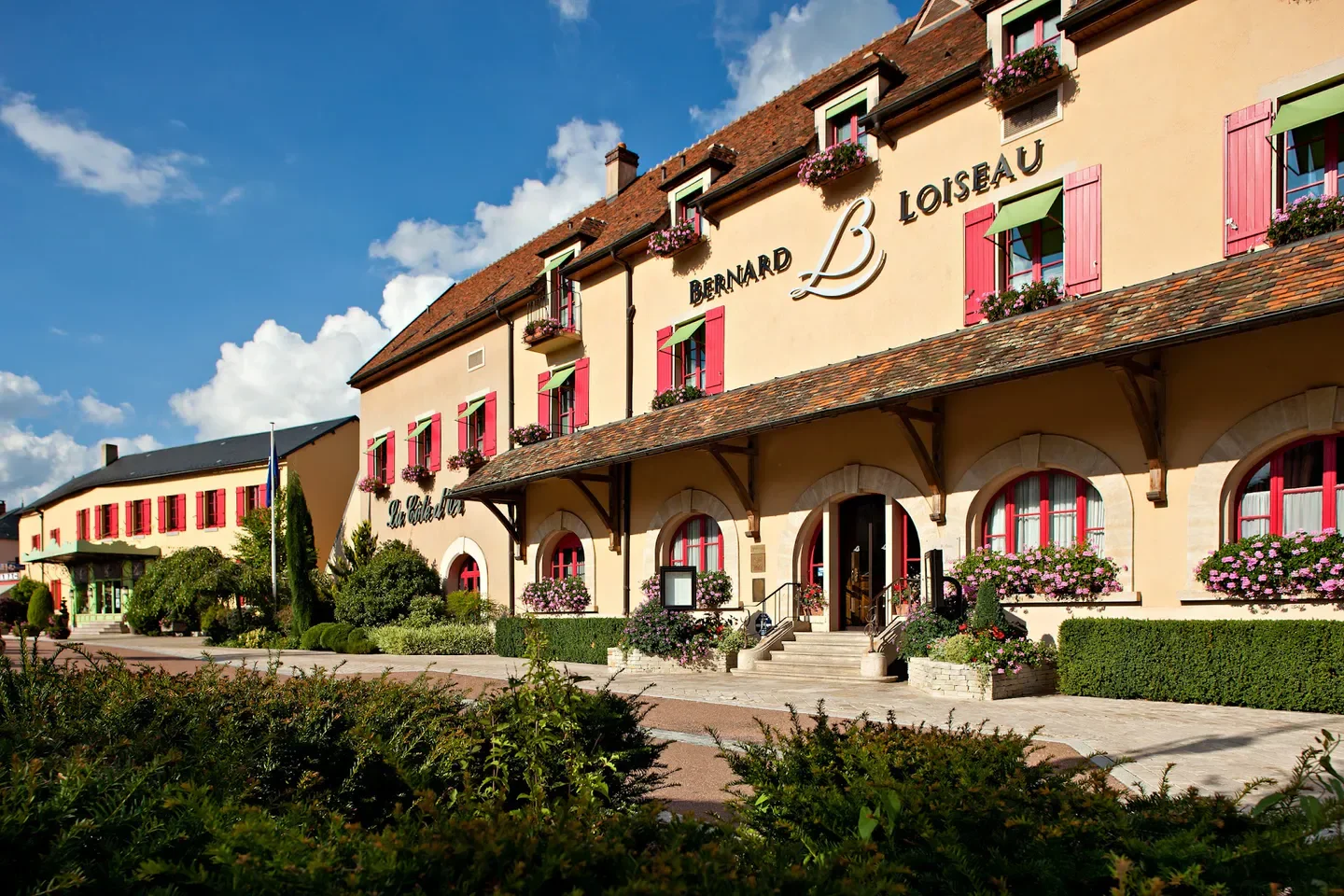
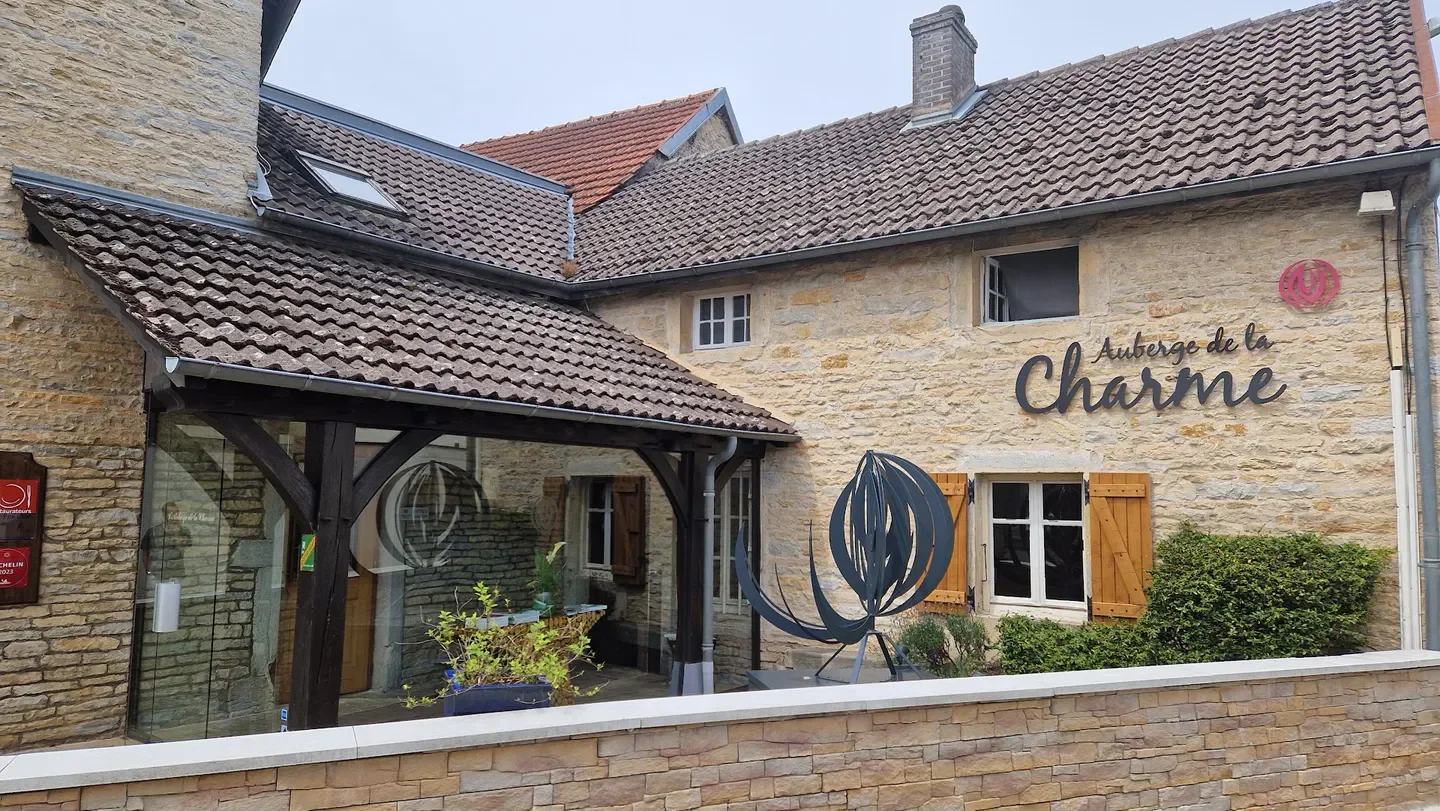
The food scene clusters heavily around Beaune and Dijon, though the most compelling meals remain scattered among quiet stone hamlets. In the heart of Beaune, William Frachot provides a rigorous, modern technical precision, while Loiseau des Ducs offers a sharper, more focused iteration of regional heritage. For those willing to travel deeper into the Côte d'Or, Auberge de la Charme holds a Michelin star, proving that remote, hillside locations often yield the most precise, ingredient-driven cooking in the entire province.
Plan your itinerary by mapping the terroir rather than the town name, as driving across the Côte de Nuits or the Côte de Beaune consumes more time than the map suggests. Early autumn and late spring are the quietest windows to navigate the winding D974, as harvest season turns these lanes into bottlenecks that can derail the most precise dinner plans. We identify the spots that offer genuine insight into the local pantry, filtering out the tourist traps that rely solely on a historic address.
Burgundy FAQ