Provence Luxury Concierge Services
Plan Your Experience
The Provence Edit
View all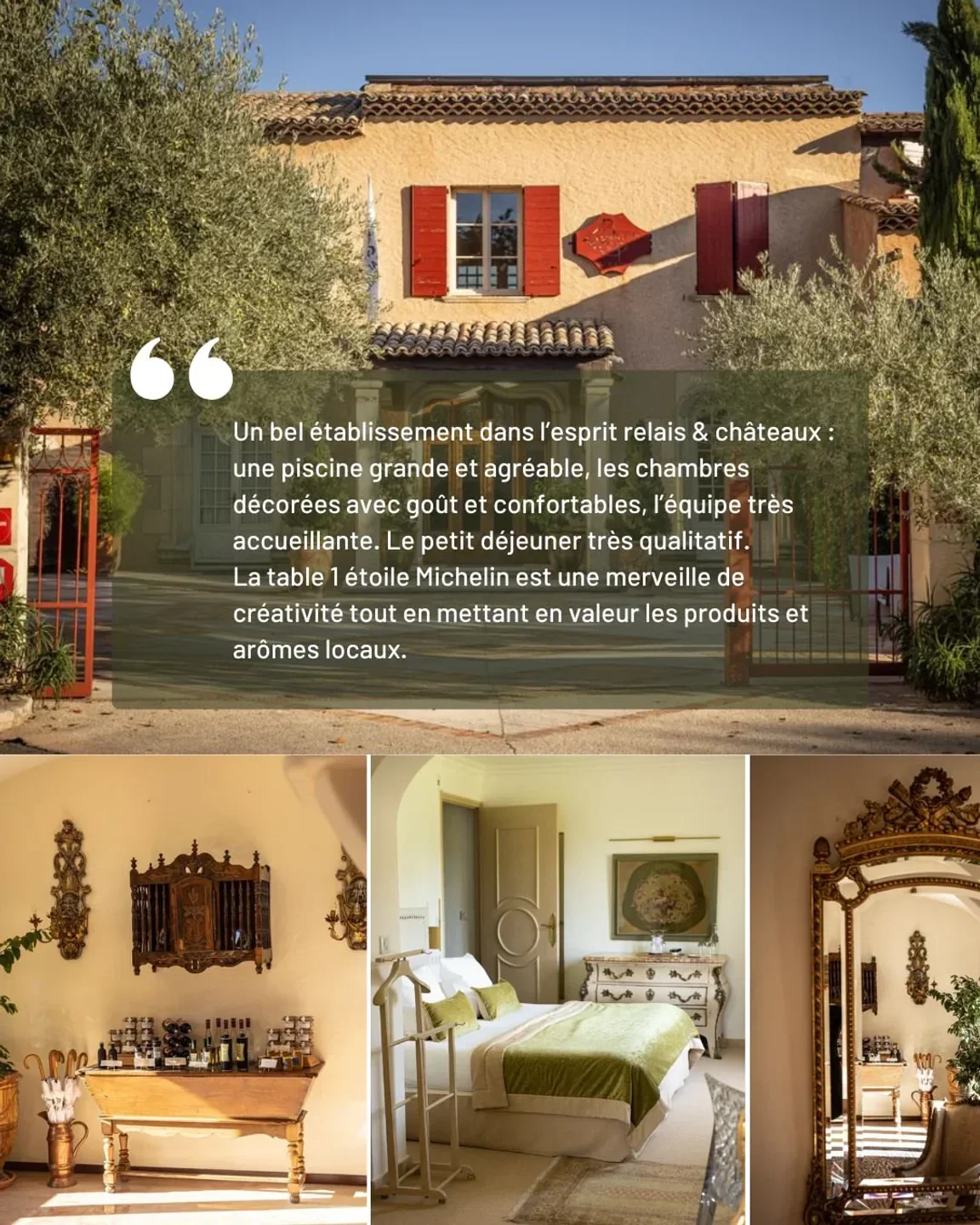
The Experience
Provence Unlocked
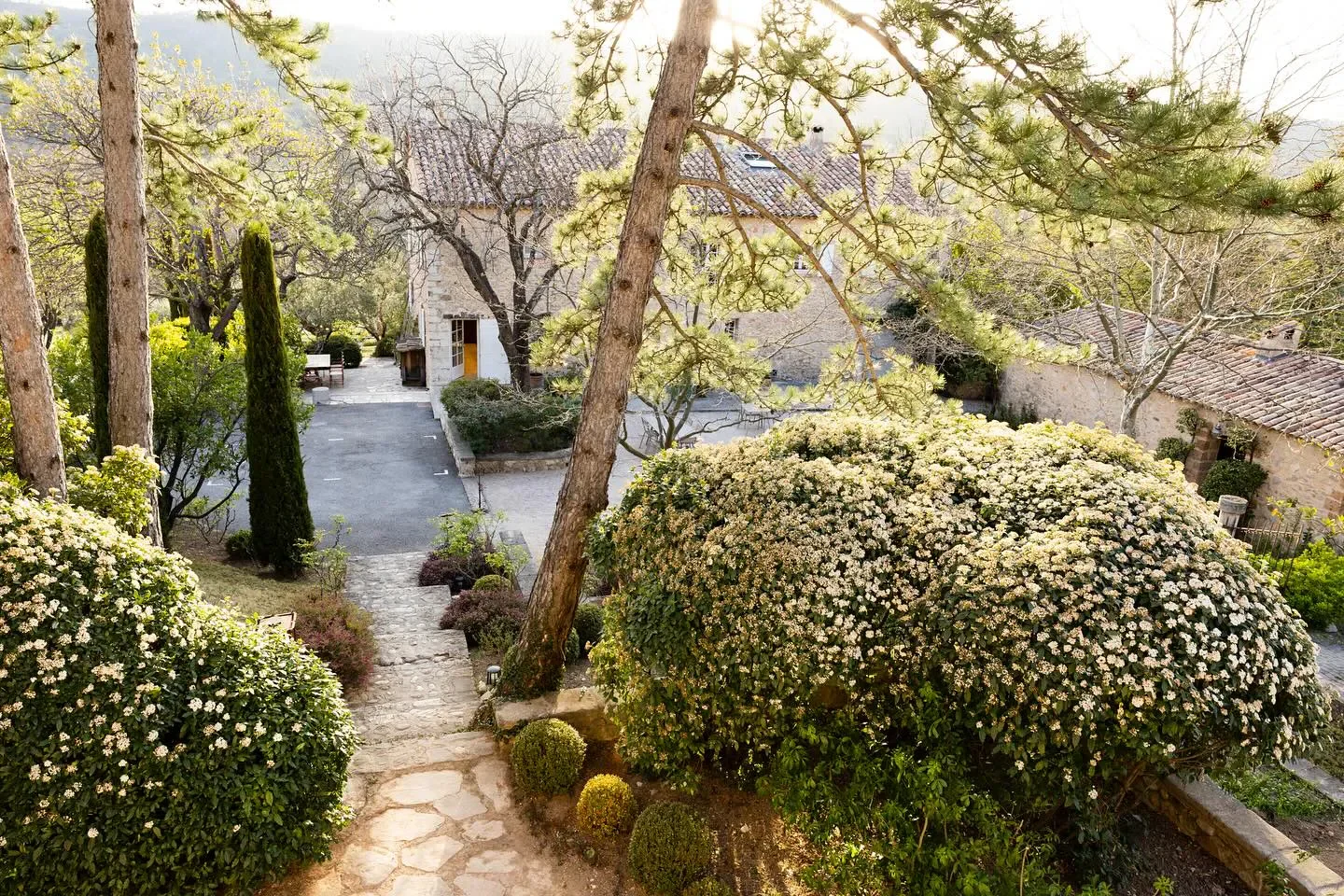
The real challenge in Provence is not selecting a dinner spot, but navigating the vast distances between the sun-baked villages that define the region. While the lavender fields attract the crowds, the serious kitchens are often tucked into remote hillsides or quiet stone hamlets far from the major train stations. Do not expect the frantic turnover of a capital city; here, the rhythm of the meal is slow, governed by the heat of the afternoon and the local produce harvested from nearby orchards and herb gardens.
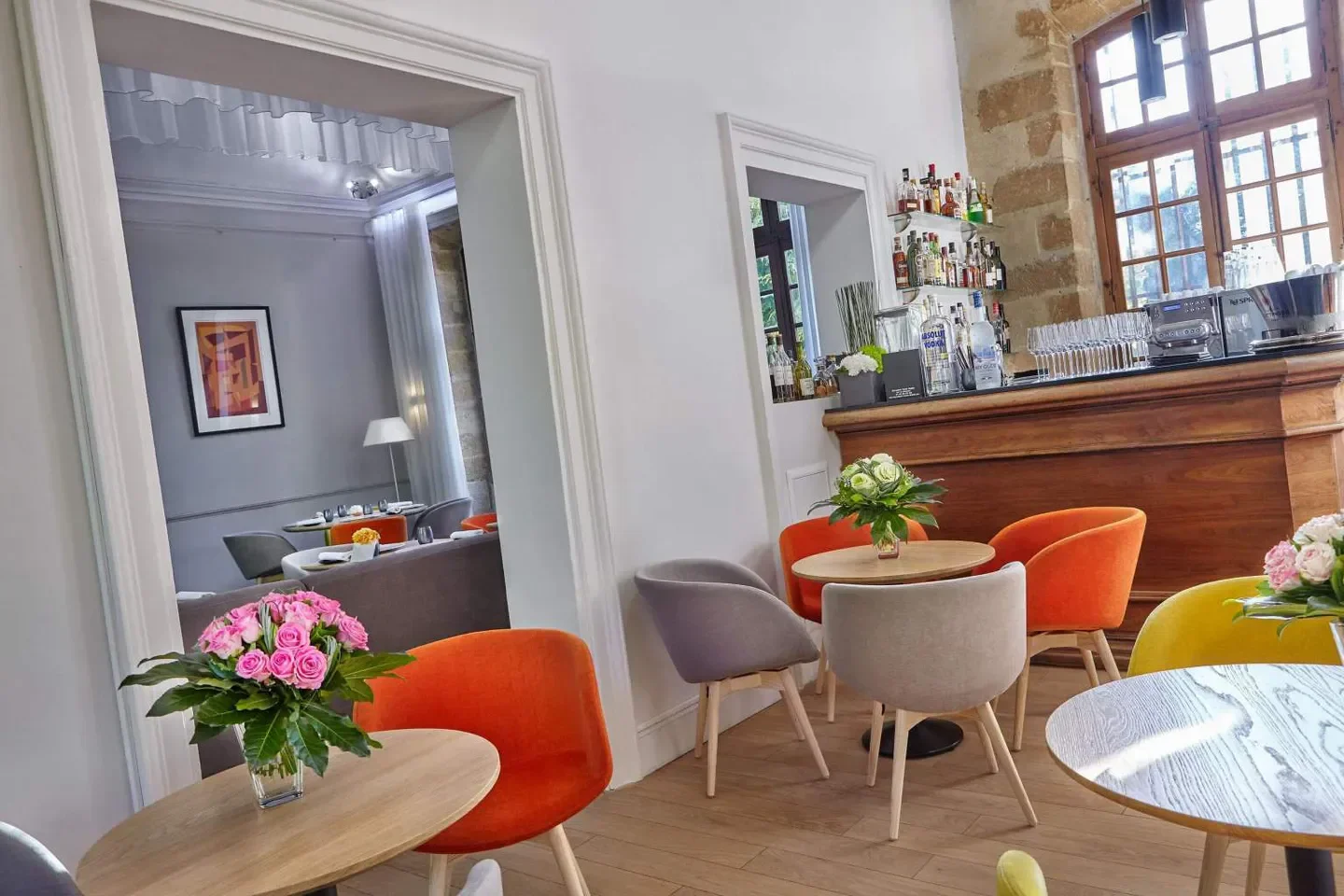
Things cluster along the winding roads of the Luberon and near the northern gateways of the Alps. In Moustiers-Sainte-Marie, La Bastide de Moustiers offers a direct connection to the local land, holding a Michelin star for its commitment to the regional harvest. Further north toward the mountains in Château-Arnoux-Saint-Auban, La Bonne Étape makes the trek worthwhile for those seeking a balance of tradition and technique. Those sticking closer to the urban centers of Aix-en-Provence find Le Art, which holds a Michelin star for its modern approach to the flavors of the south.
Planning a trip requires acknowledging that the most rewarding tables are rarely found on the main transit routes. Aim to visit during the shoulder seasons of spring or early autumn when the heavy summer traffic subsides and the produce is at its peak. Avoid trying to cross the region in a single day, as the rural topography demands a slower pace. We provide the essential geography of these kitchens to ensure your time is spent on the plate rather than the road.
Provence FAQ