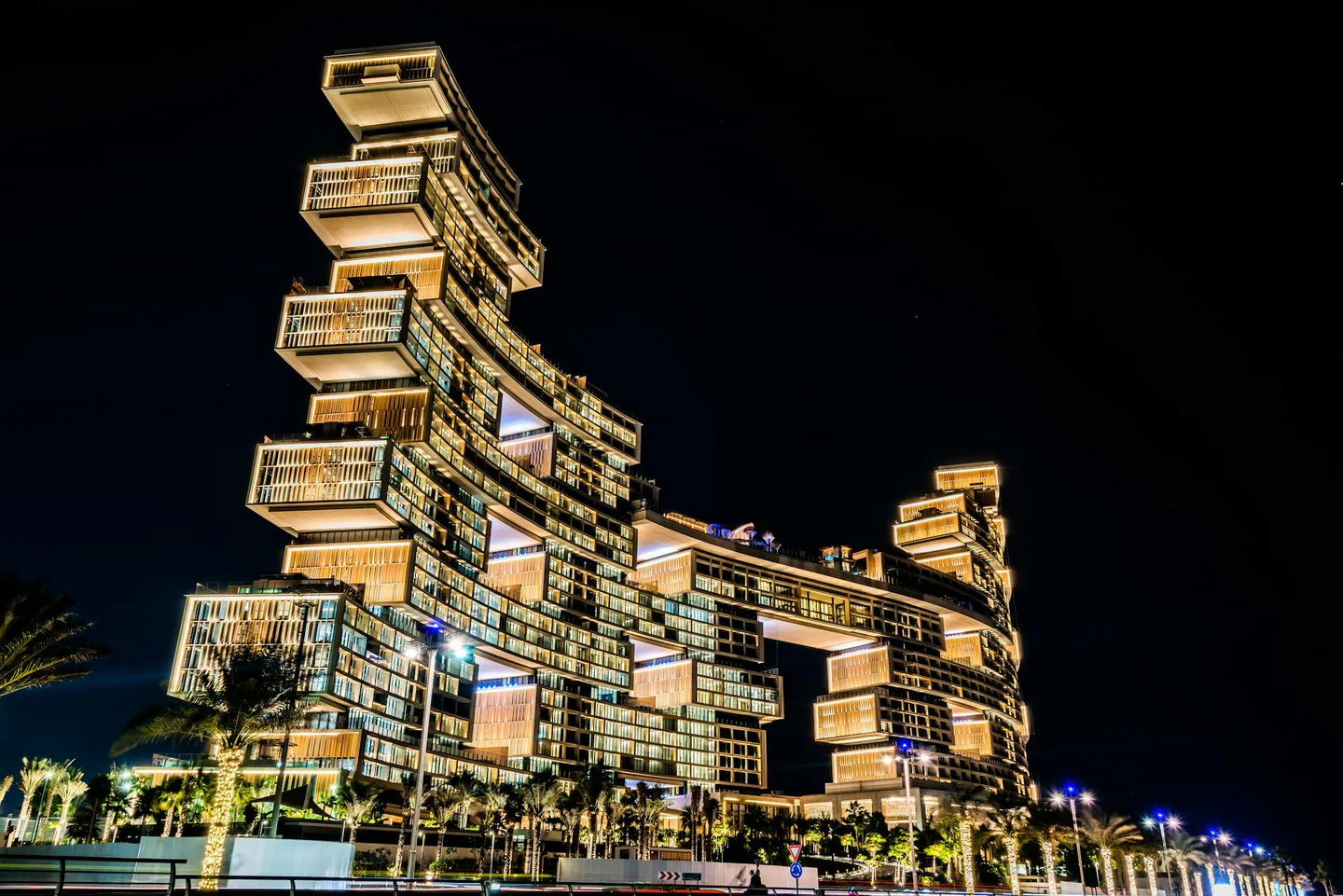
The Best Hotels in Hong Kong
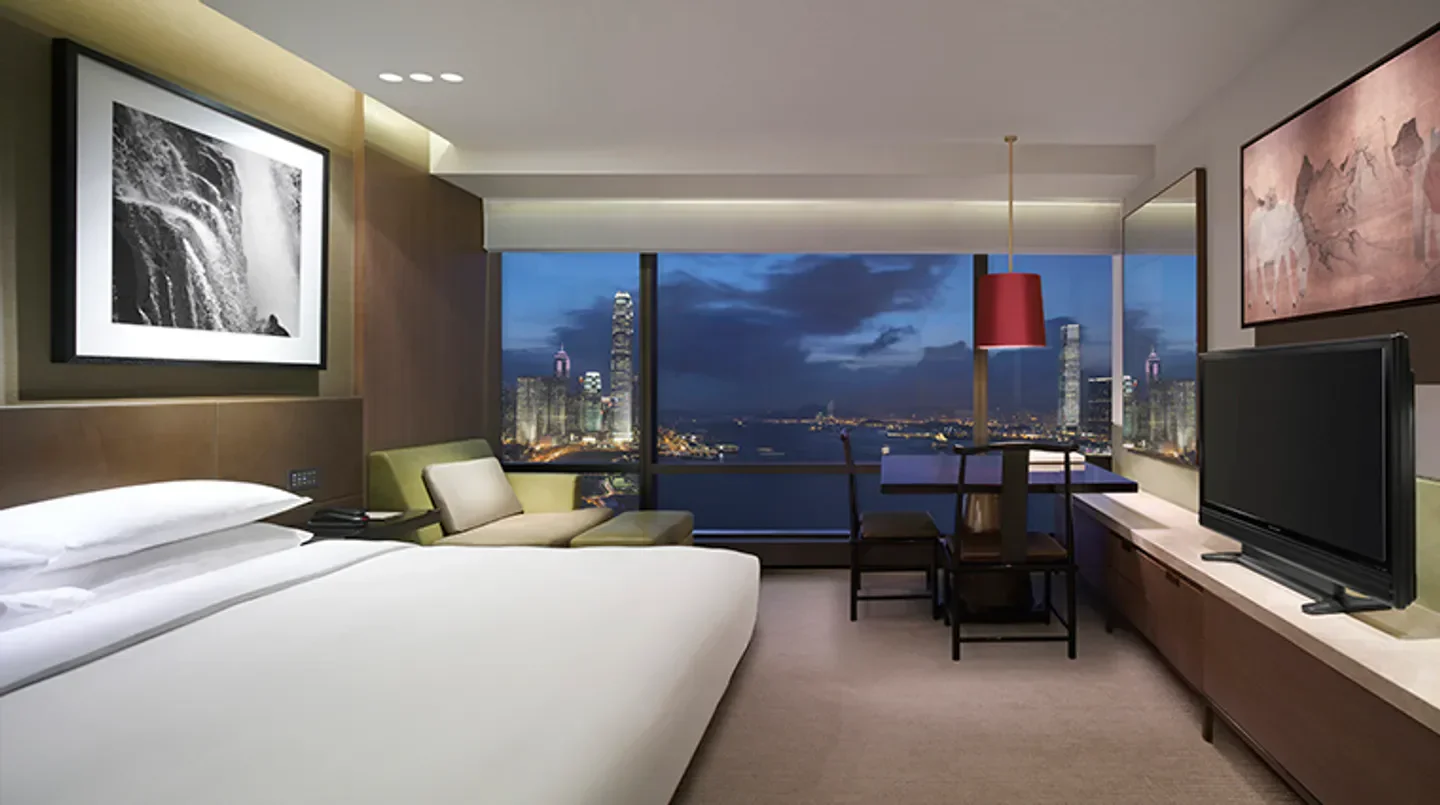
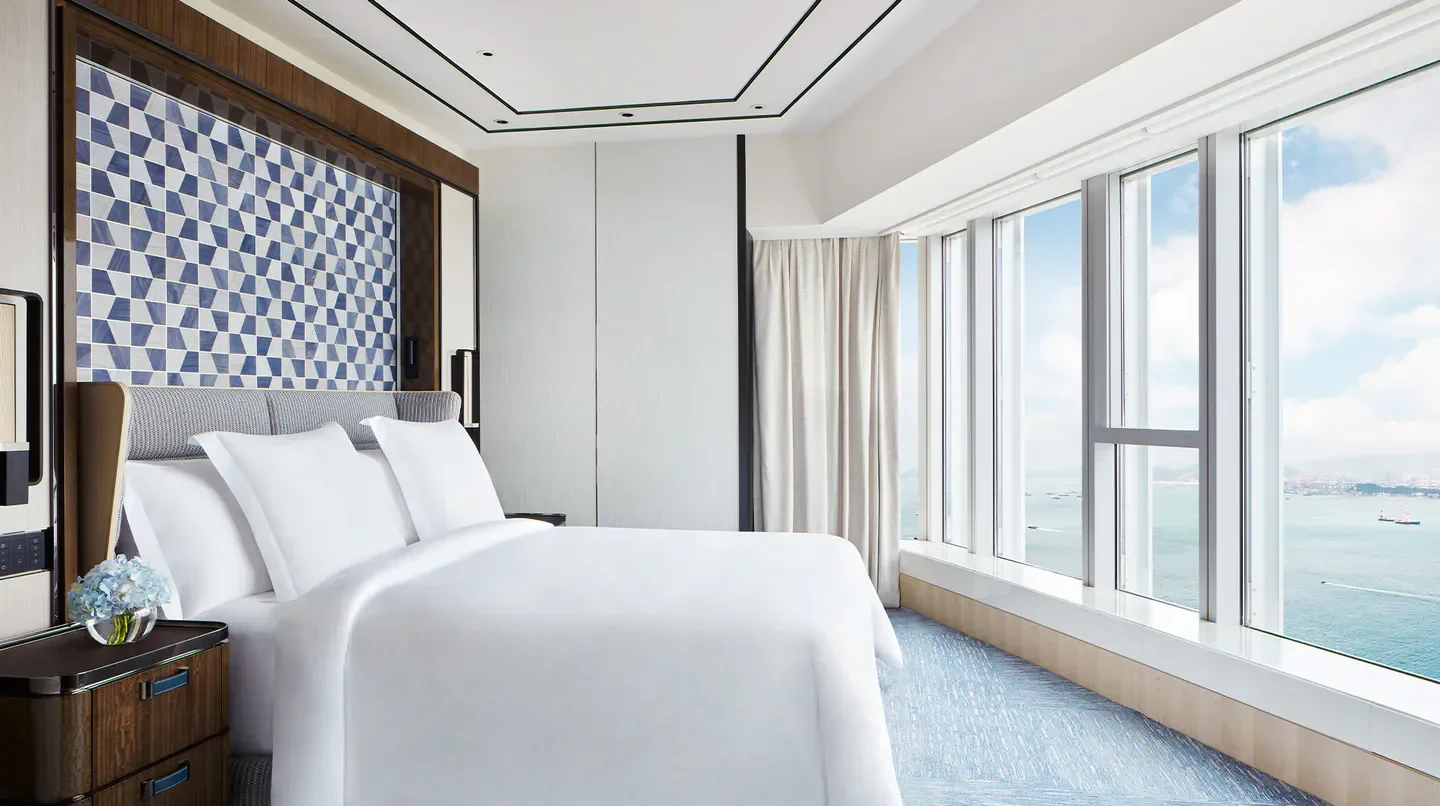
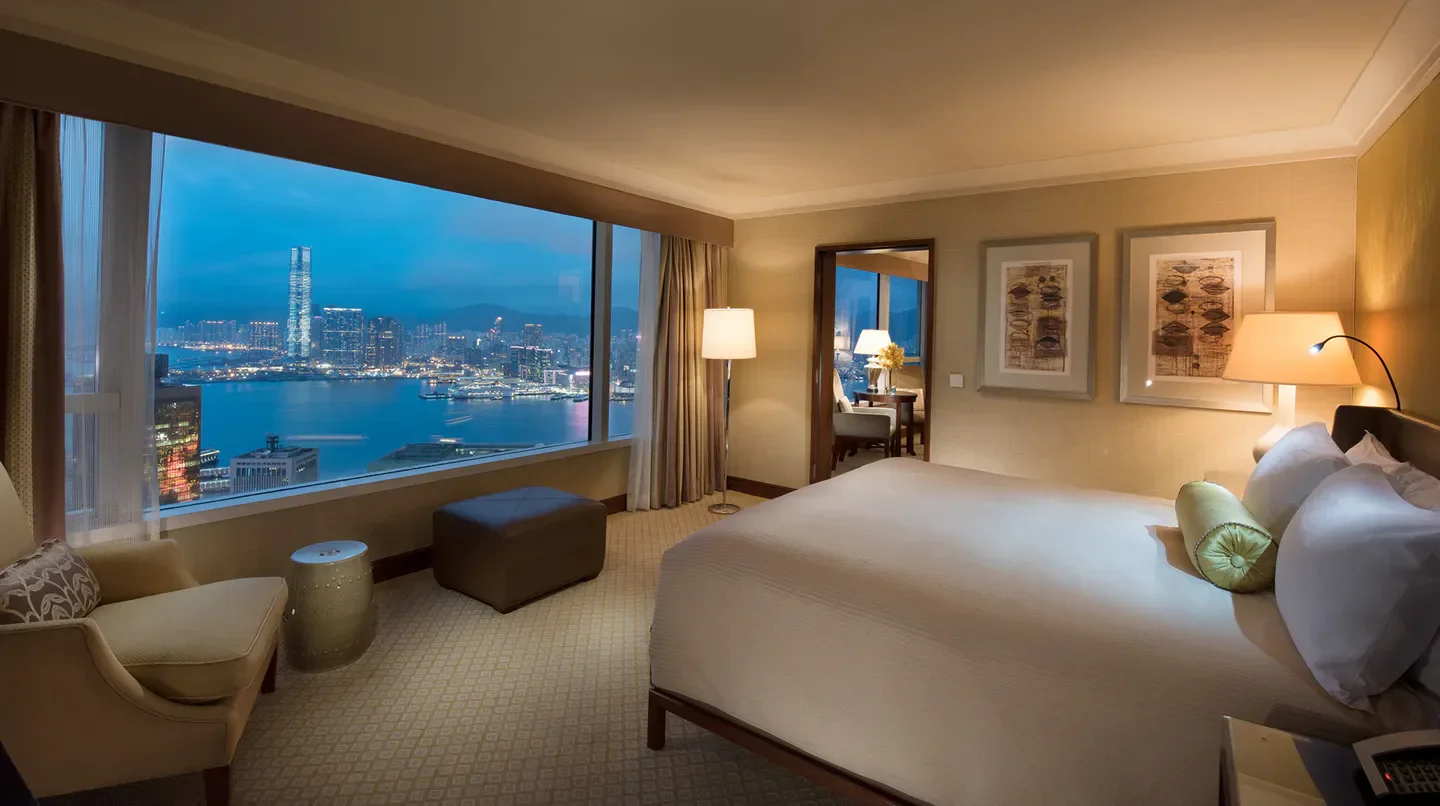
Plan Your Experience
The Hong Kong Hotels Edit
The Experience
Hong Kong Hotels Unlocked
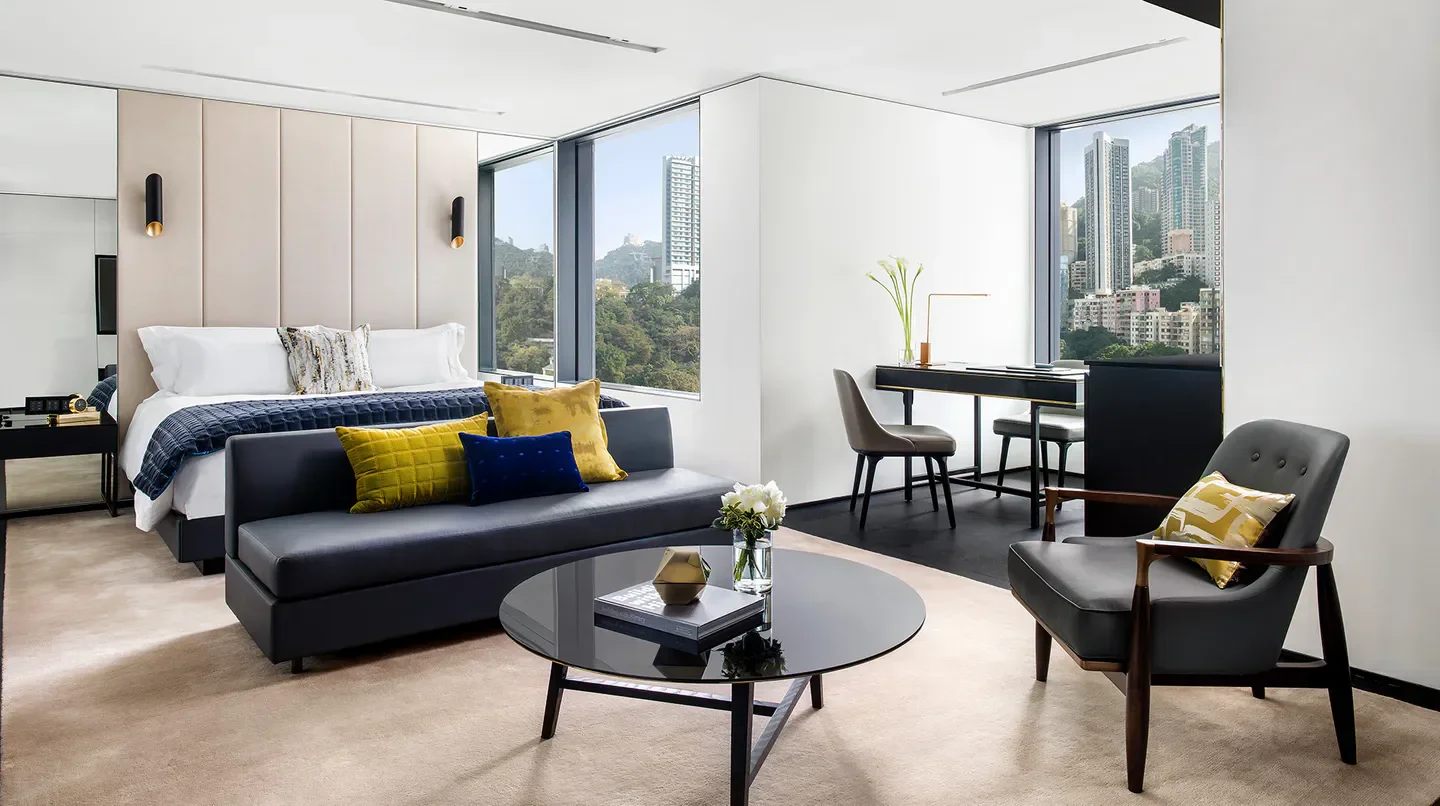
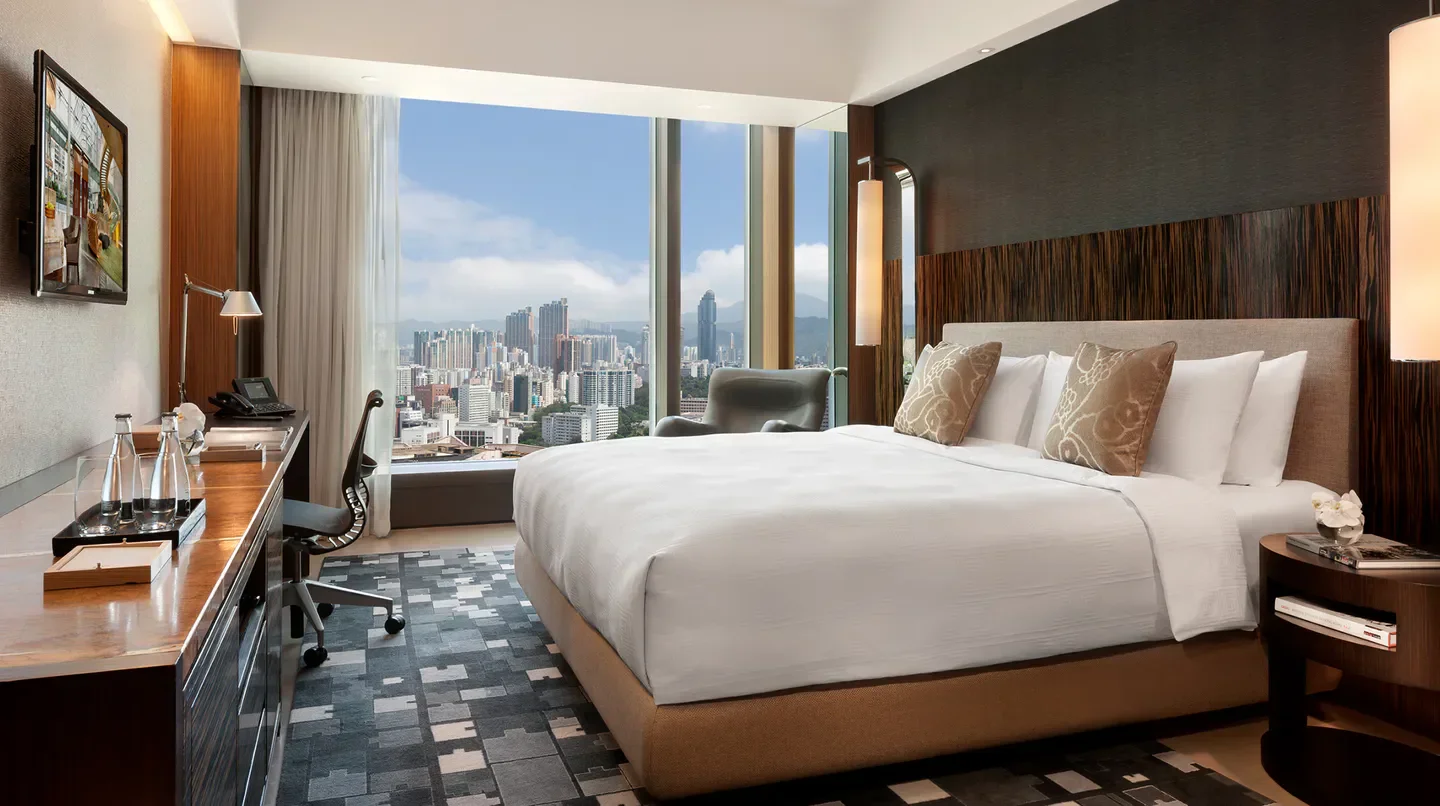
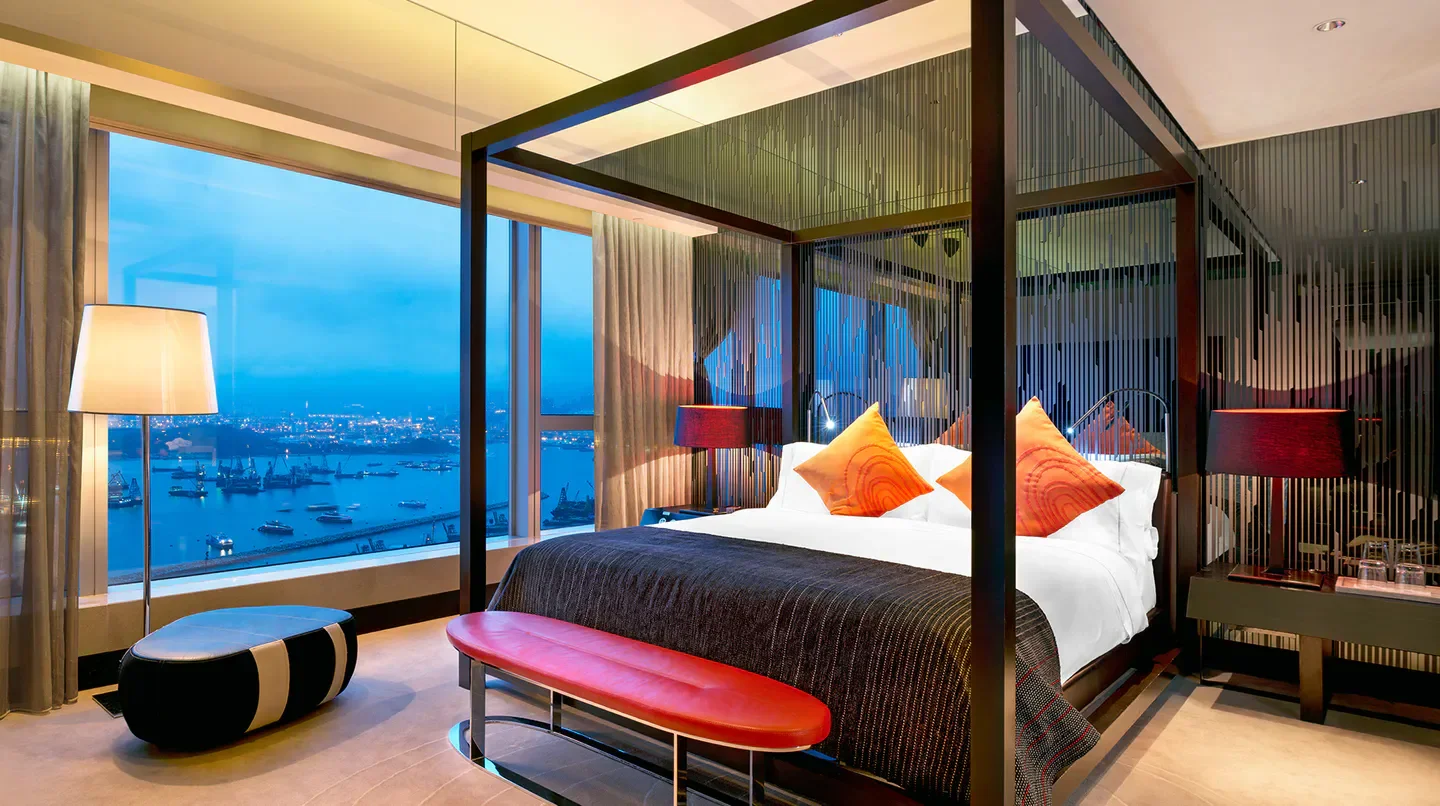
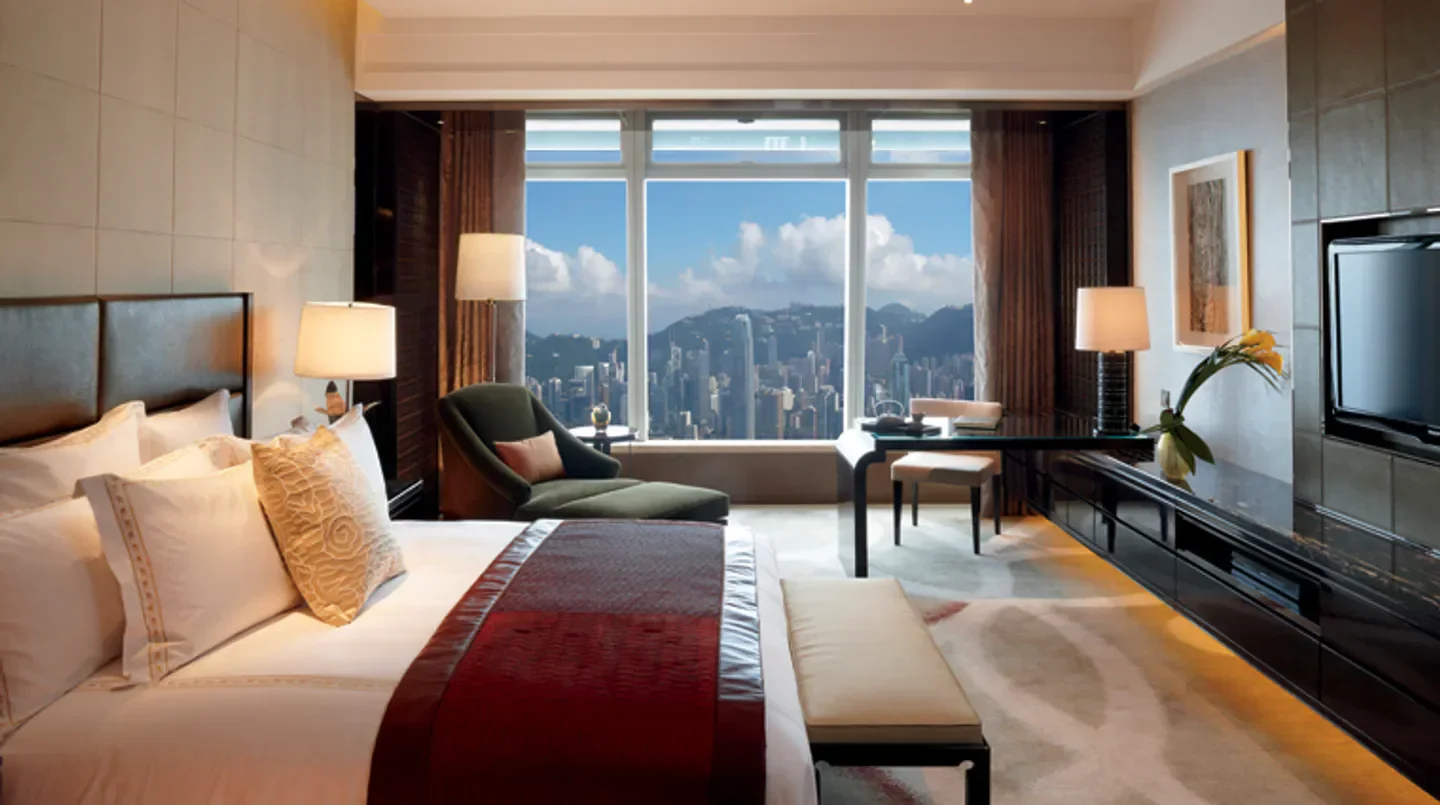
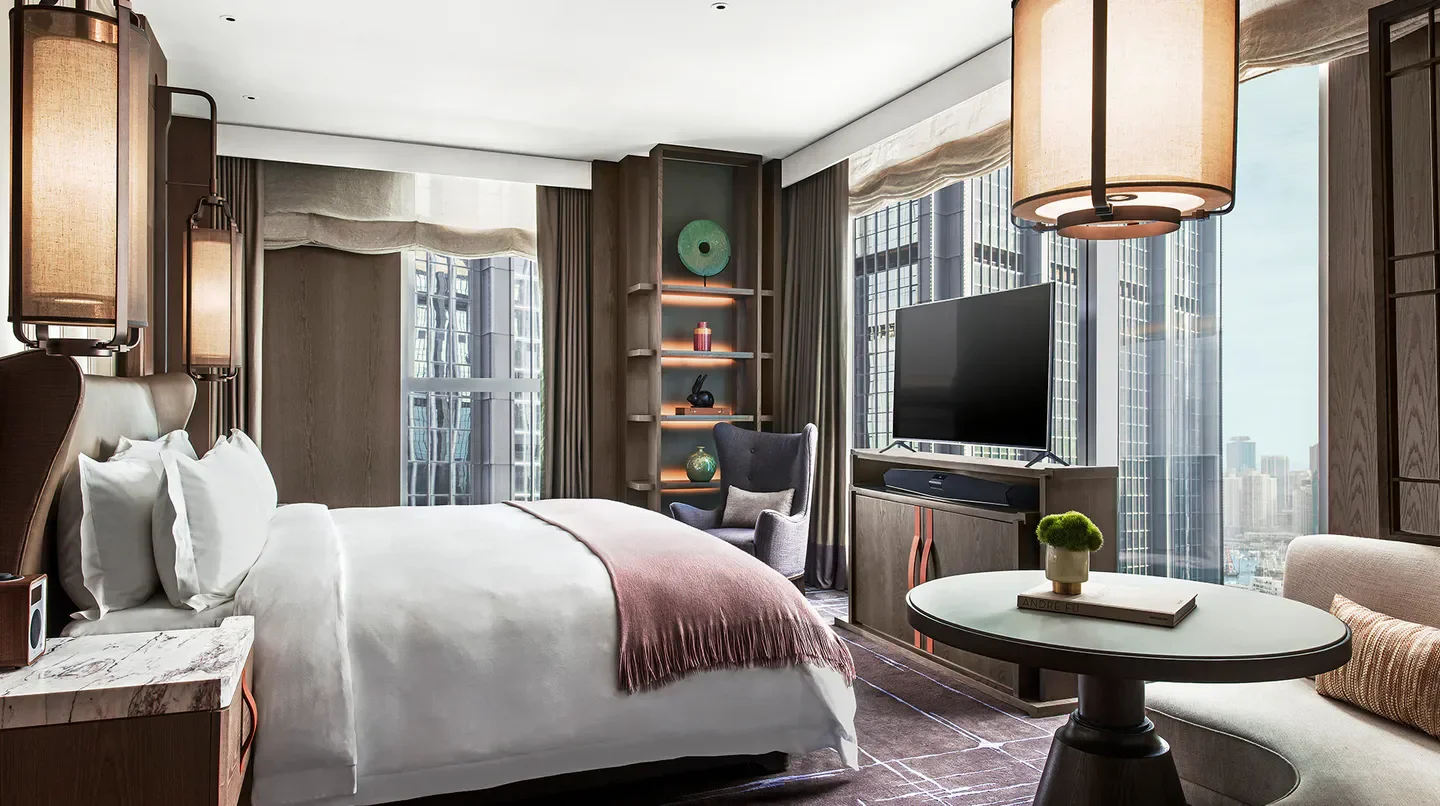
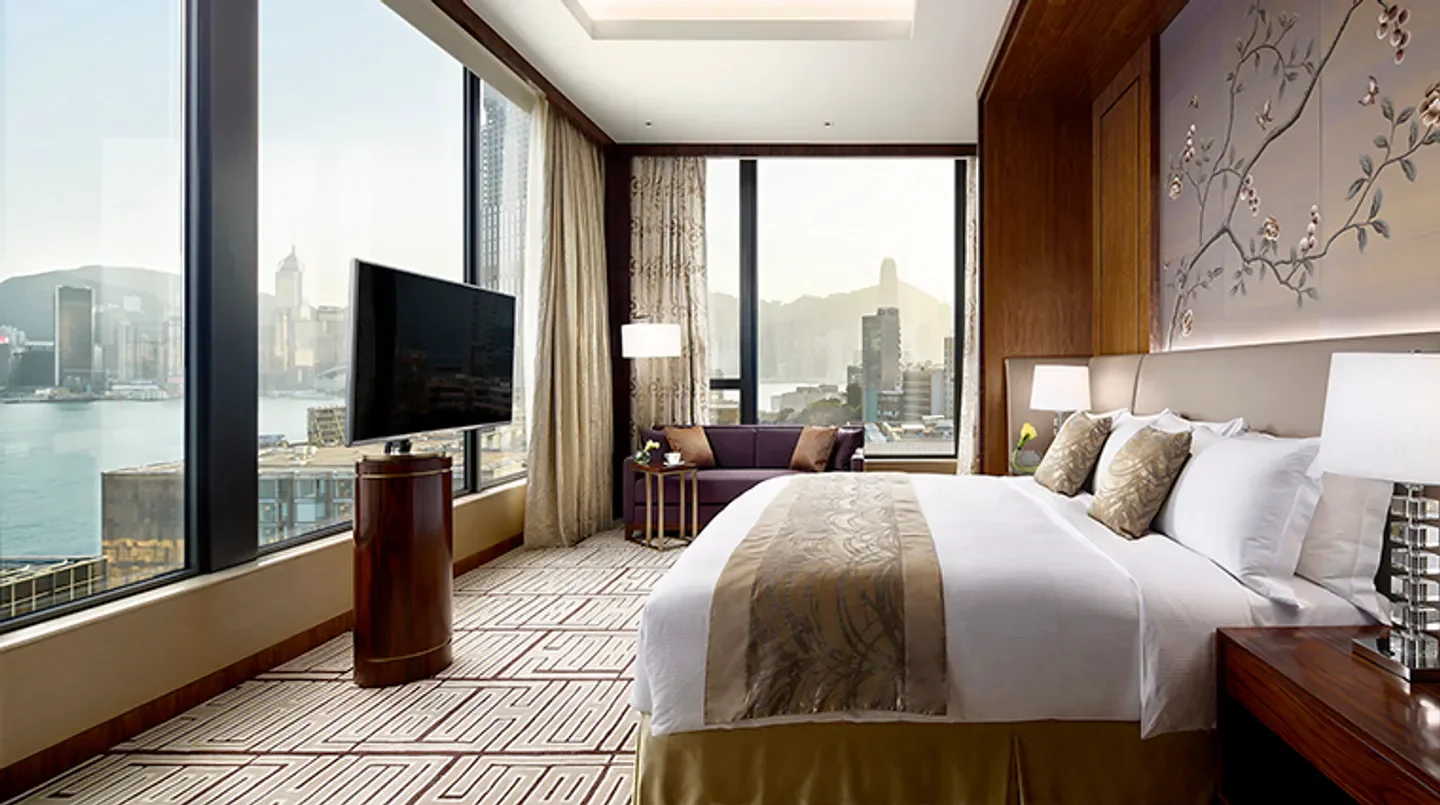
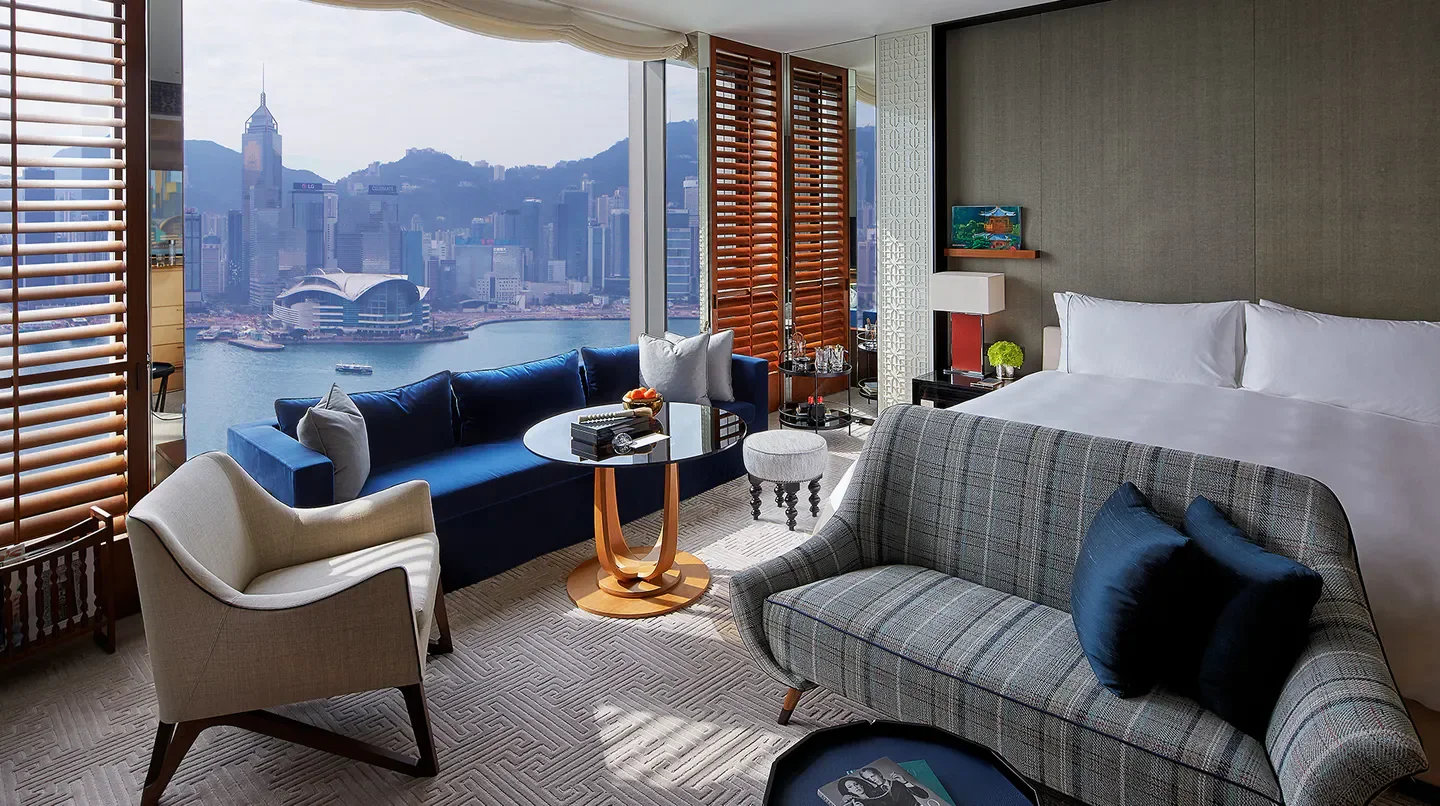
Hong Kong hotels exist as vertical cities, defined by structural ingenuity rather than traditional footprints. Architects here contend with extreme density, resulting in tower-based layouts that push lobby spaces into the sky to prioritize floor-to-ceiling perspectives. Space is the ultimate commodity, turning interiors into private, high-altitude sanctuaries that remain separate from the chaotic street-level commerce below.
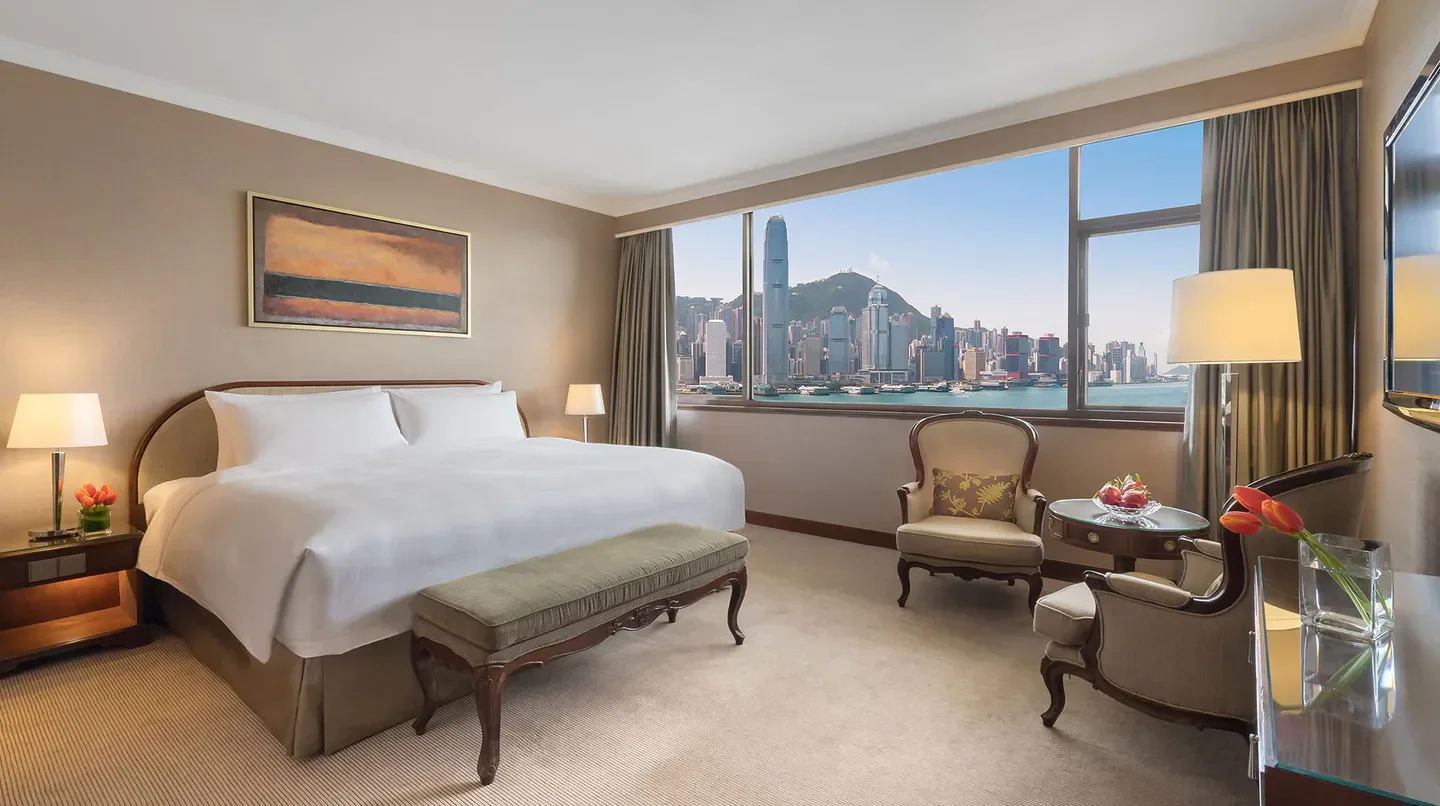
In Central, hotels cluster around the office corridors and steep hillsides near the mid-levels escalators. The Upper House succeeds here by stripping away the usual hotel clutter, while Mandarin Oriental, Hong Kong holds a Michelin star and draws a crowd of regulars to its central lobby. Across the water, the Tsim Sha Tsui waterfront remains the primary battleground for scale. The Peninsula Hong Kong keeps a colonial structure at the southern tip of the peninsula, providing a rigid, old-world contrast to the modern, glass-heavy towers defining the nearby skyline.
Travel schedules follow the tides of the international business calendar. Mid-week evenings pulse with corporate activity as professionals converge in hotel bars, while weekends soften, shifting the demographic toward regional staycationers. Mid-autumn through early winter provides the most predictable climate for walking between districts, as humidity drops and the harbor breeze becomes manageable. We provide these objective assessments to help you navigate the city’s vertical geography.
Hong Kong Hotels FAQ