The Best Hotels in Las Vegas


Plan Your Experience
The Las Vegas Hotels Edit
The Experience
Las Vegas Hotels Unlocked
In Las Vegas, hotels are self-contained ecosystems, designed to keep guests within the perimeter of a gaming floor or climate-controlled atrium. Unlike cities where neighborhood exploration defines the trip, here the boundary between lobby, corridor, and entertainment space intentionally dissolves. The architecture prioritizes inward-facing activity, turning the desert environment into an afterthought once the registration desk is cleared.
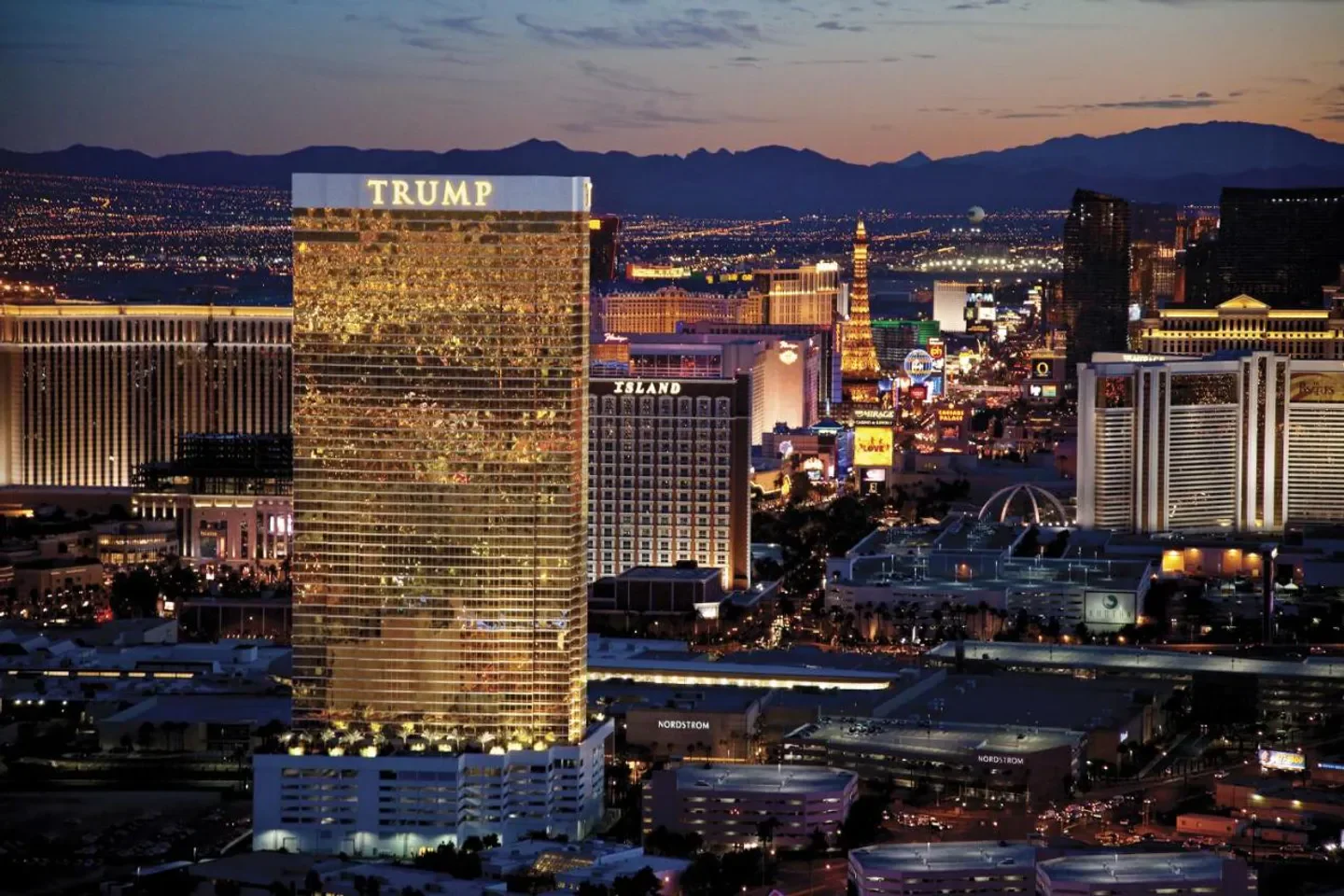
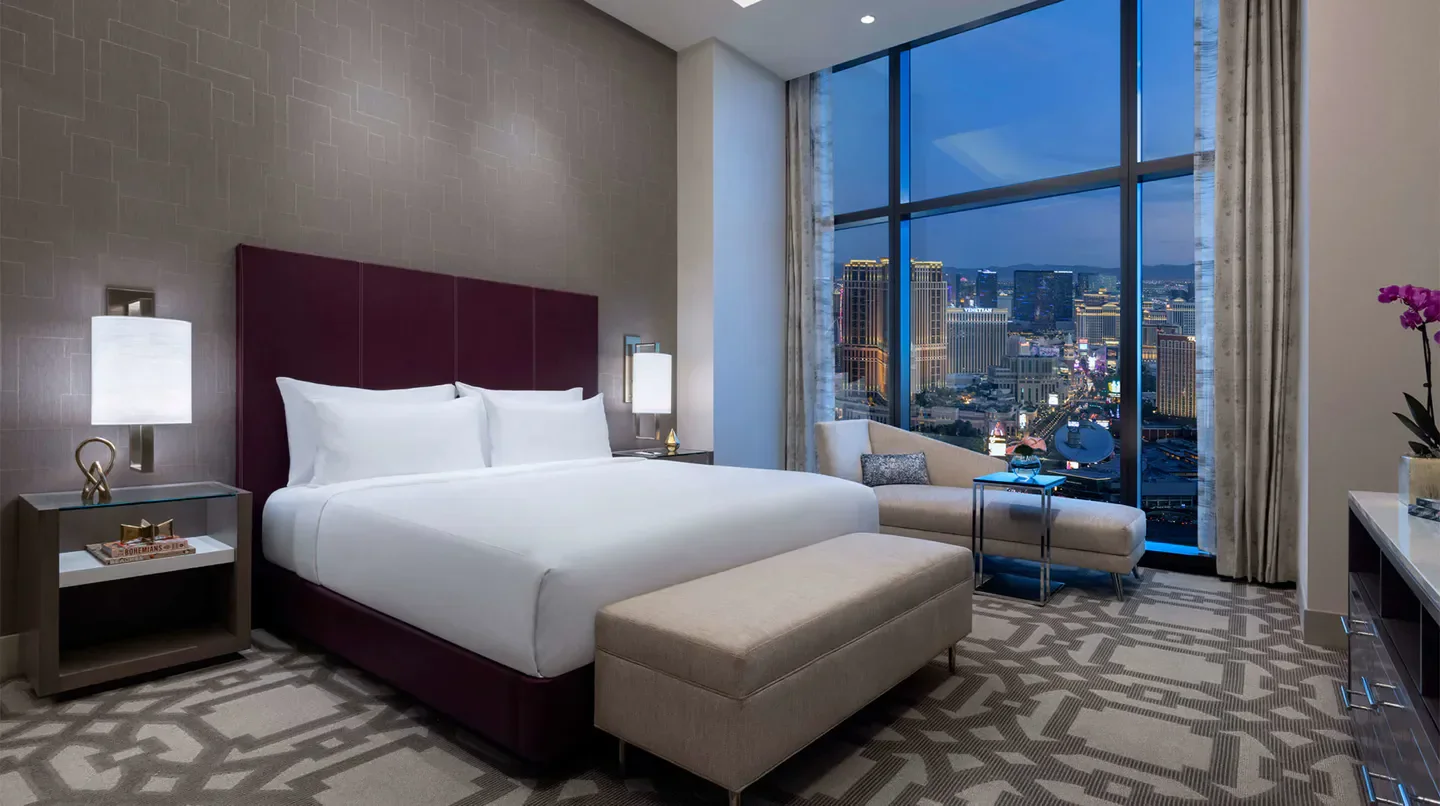
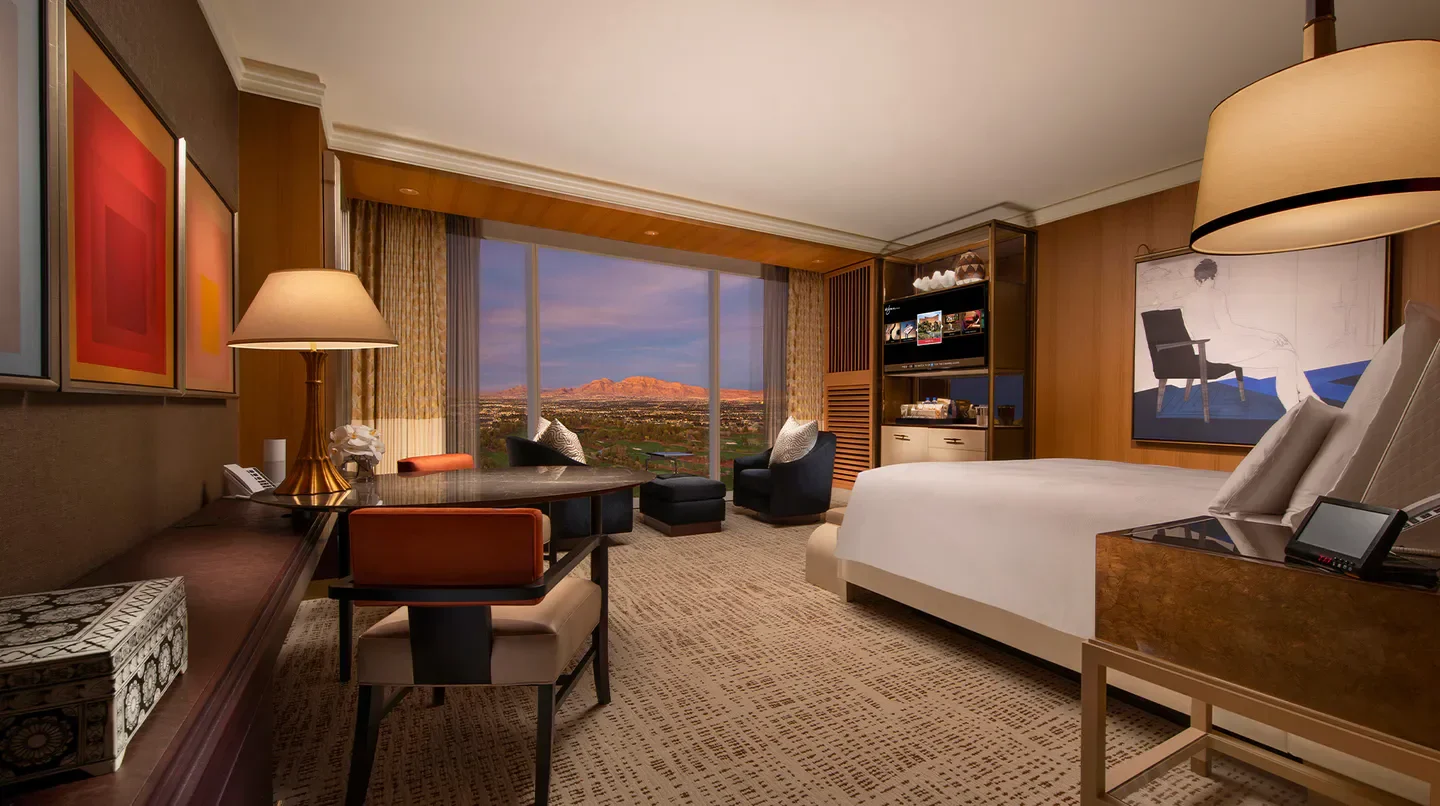
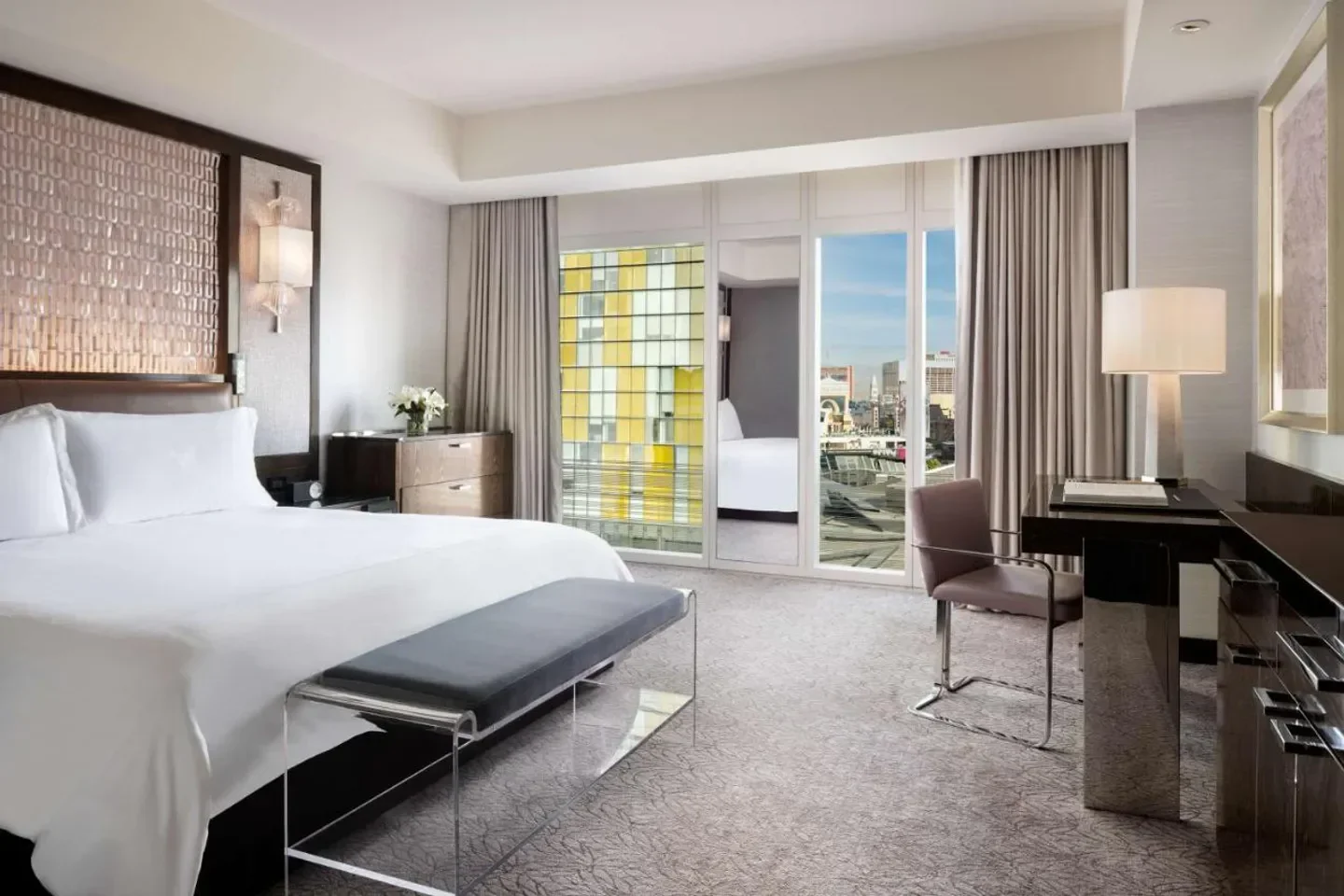
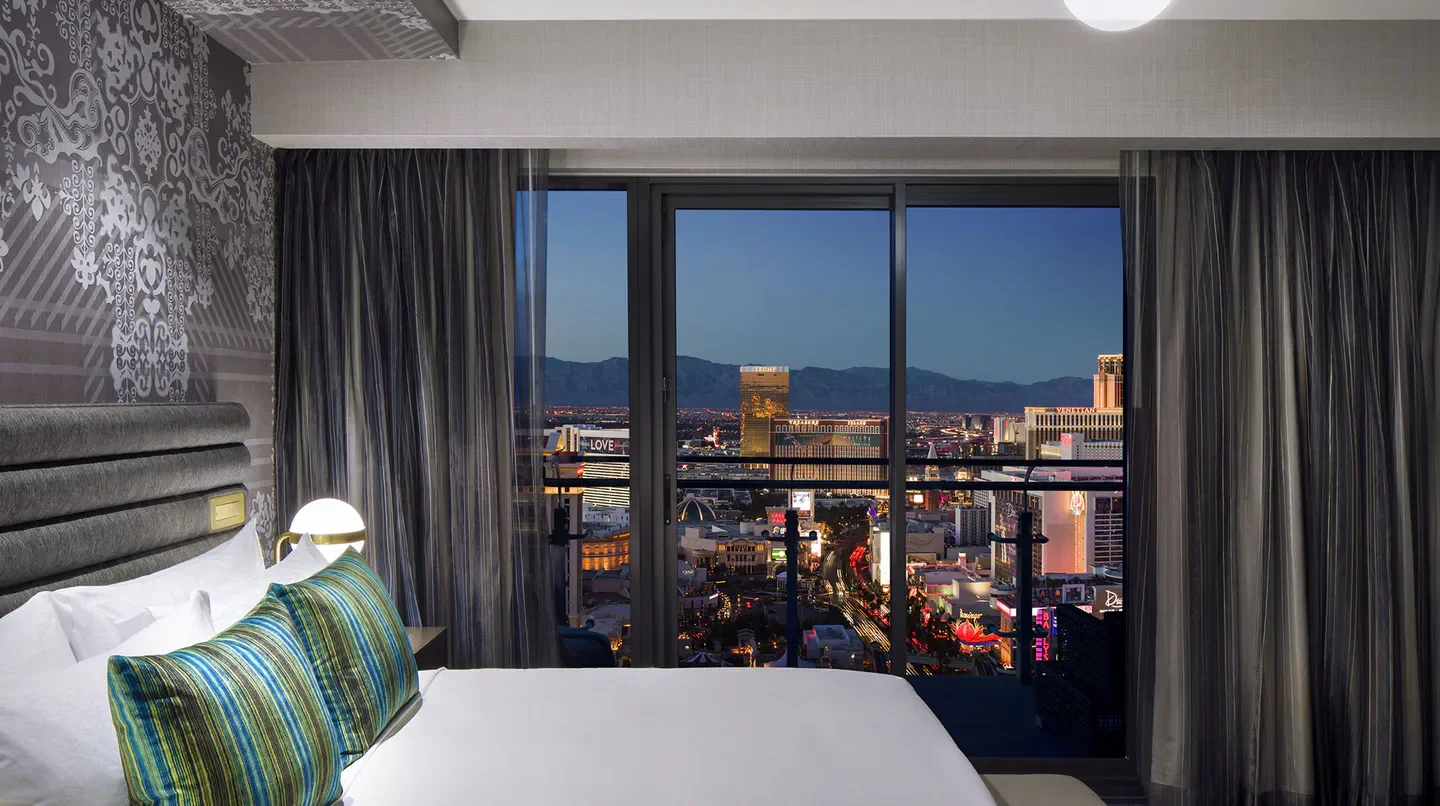
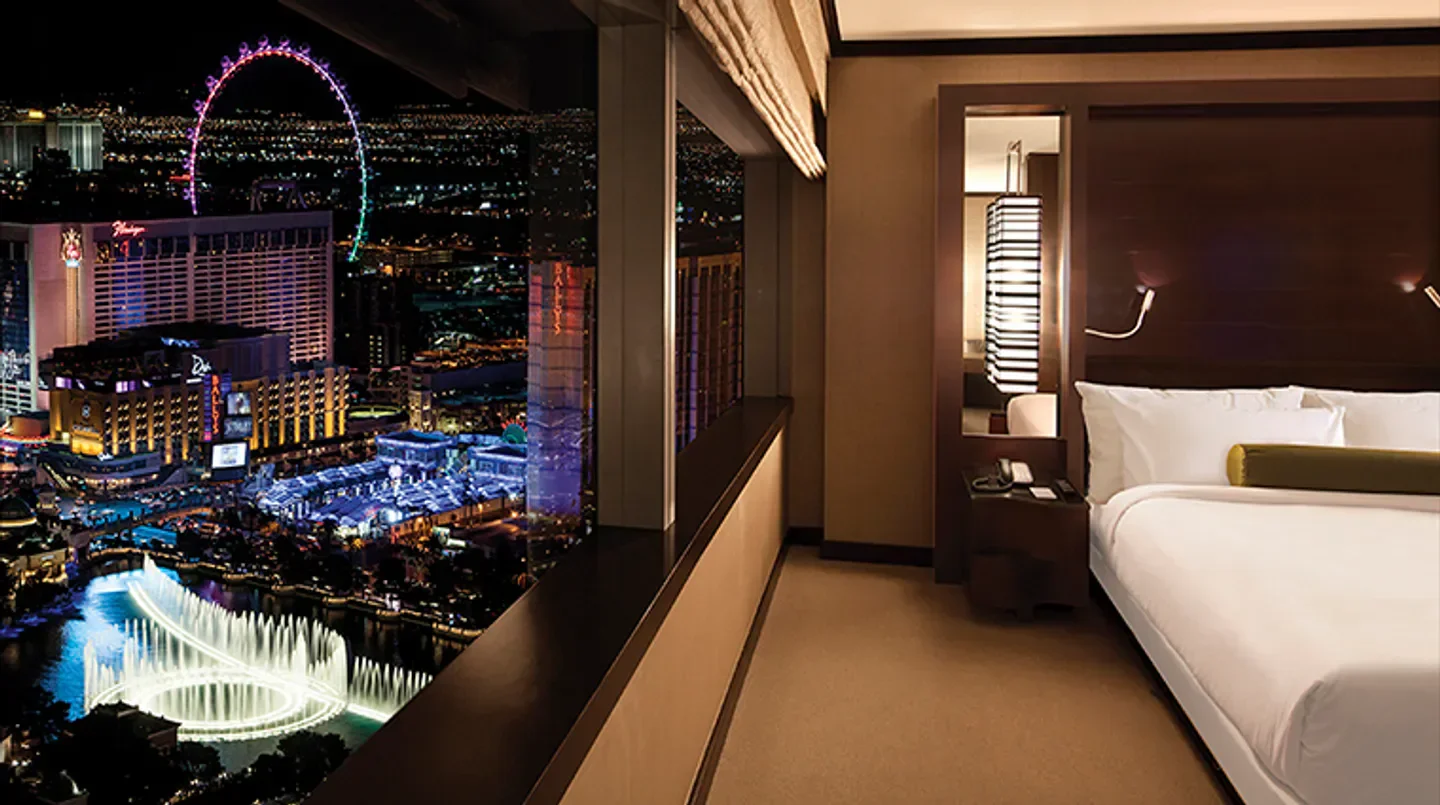
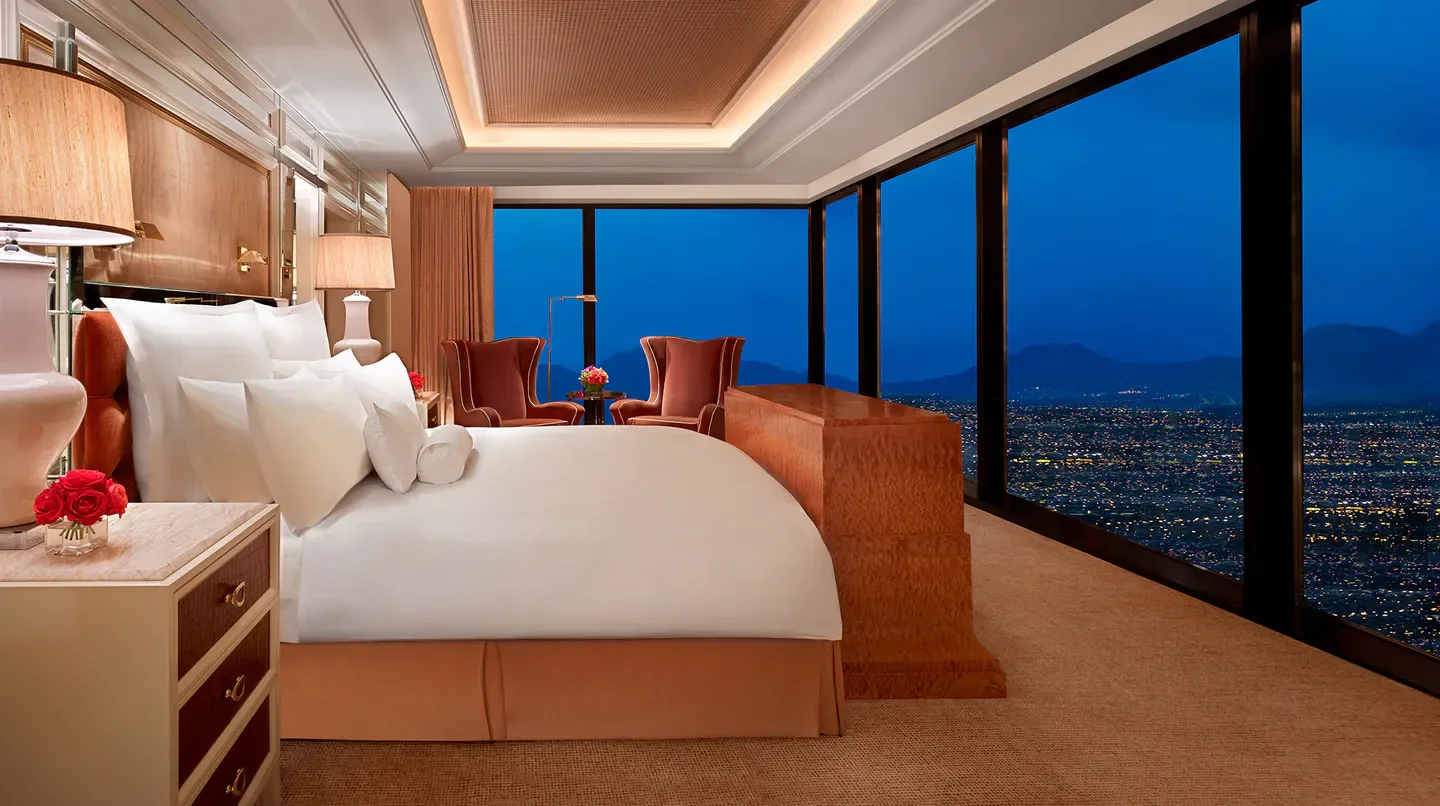
The Strip acts as the spine for the most ambitious properties, though the experience shifts significantly depending on the site. Wynn Las Vegas provides floor-to-ceiling glass and garden views that dampen the usual sensory overload. For those prioritizing a quieter environment, the Waldorf Astoria Las Vegas offers a non-gaming atmosphere that provides a retreat from the heavy foot traffic of the central boulevard. Near the expansive footprint of the resort corridor, The Cosmopolitan of Las Vegas features terraced balconies, providing a rare architectural connection to the outdoor heat that most nearby towers strictly exclude.
Mid-week stays offer a lower density of crowds, as the city shifts its focus to conventions and regional travel. Weekend occupancy spikes, reflecting the city’s reliance on short-term visitors arriving for events and performance schedules. Heat defines the seasonal rhythm, pushing activity toward late evening hours when the exterior lighting replaces the need for natural sun. We provide this overview to help you navigate the specific demands of a town built for constant, high-intensity circulation.
Las Vegas Hotels FAQ