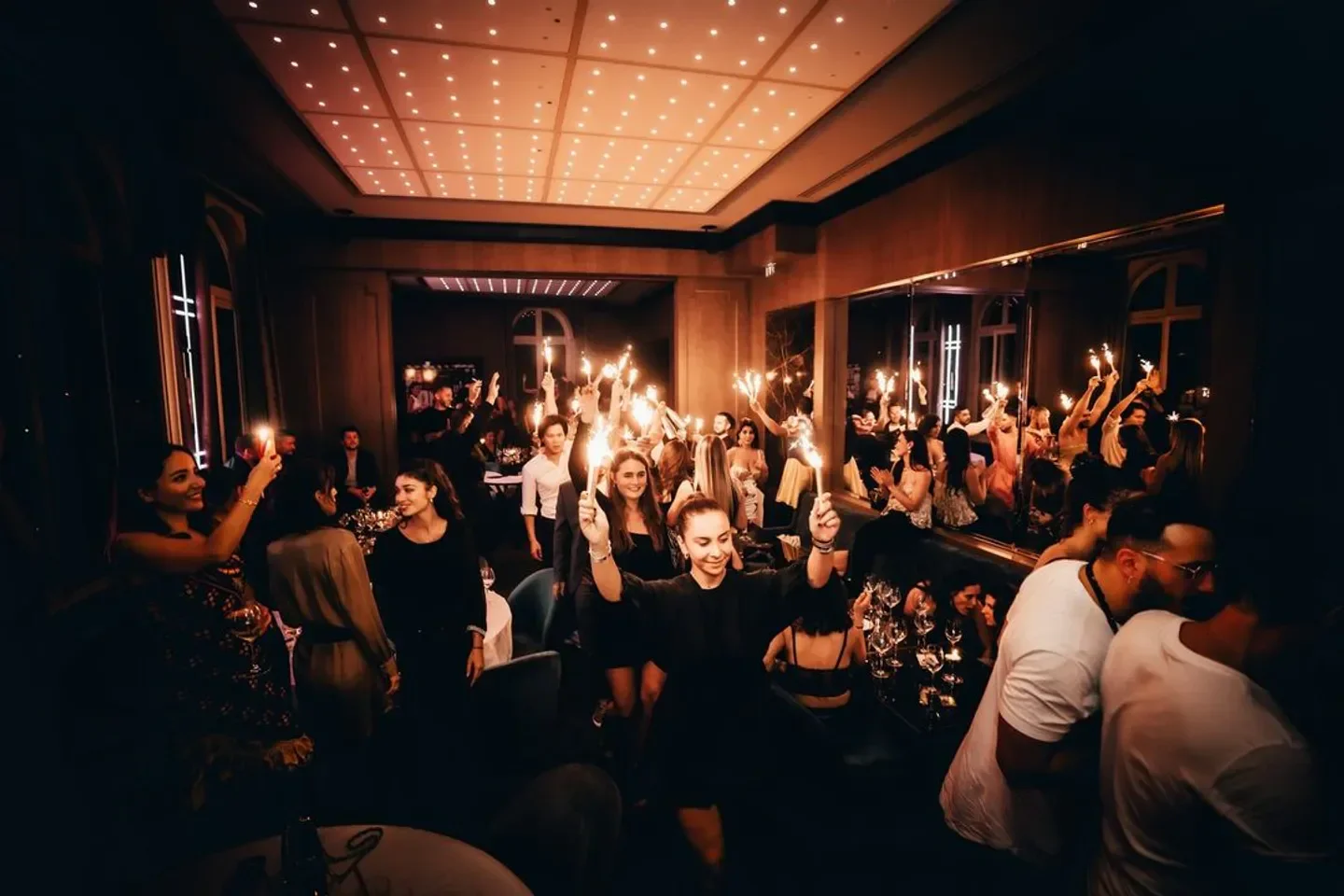
The Best Restaurants in Manila
Plan Your Experience
The Manila Restaurants Edit
The Experience
Manila Restaurants Unlocked
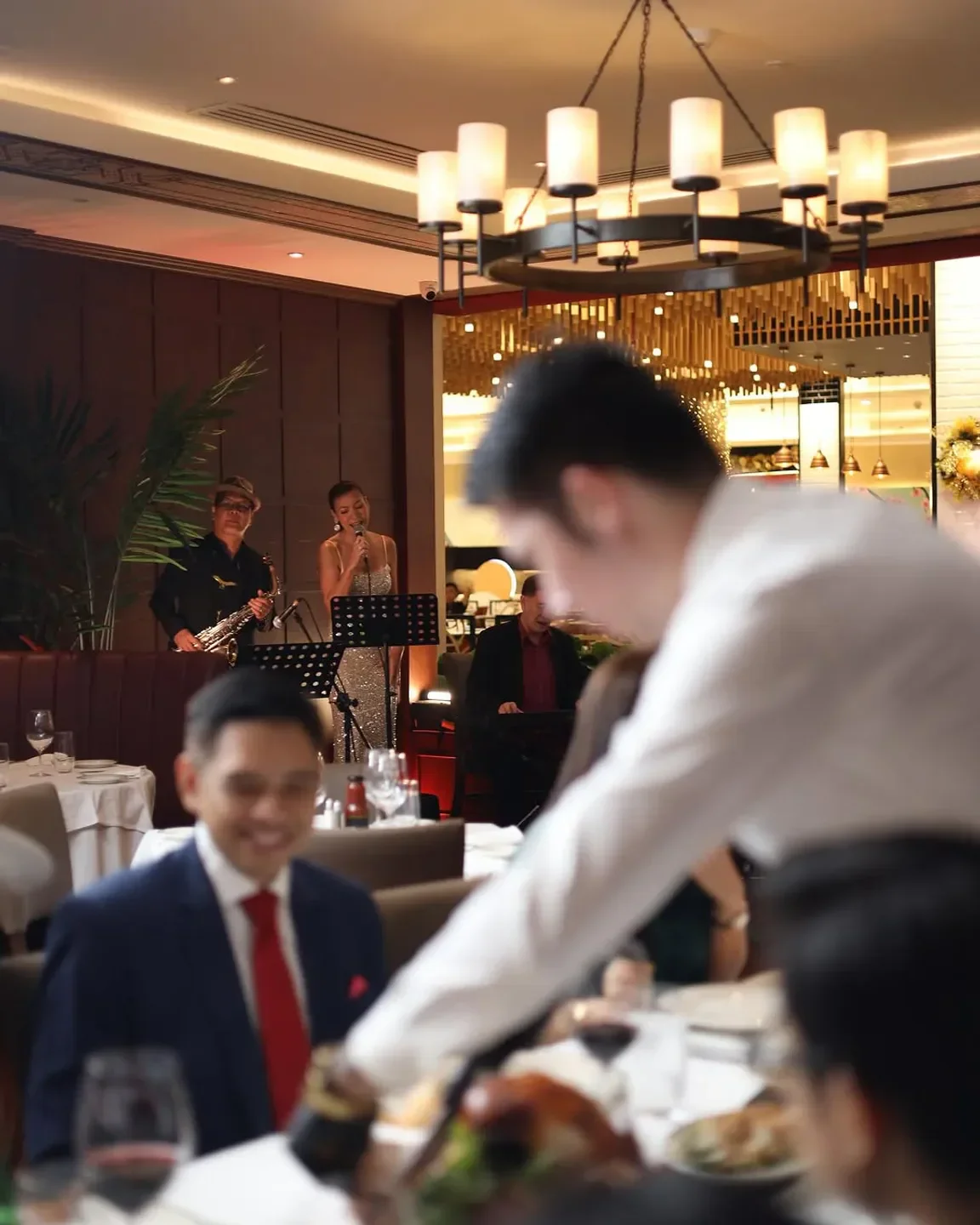
Manila restaurants distinguish themselves through a persistent tension between global culinary ambition and a hyper-localized reliance on specific, imported ingredients that dictate the menu. Unlike cities where regional produce drives the kitchen, local chefs here master the logistics of geography to maintain consistent standards. This creates a dining environment where the provenance of a steak or a specific grain of pasta becomes the primary conversation at the table.
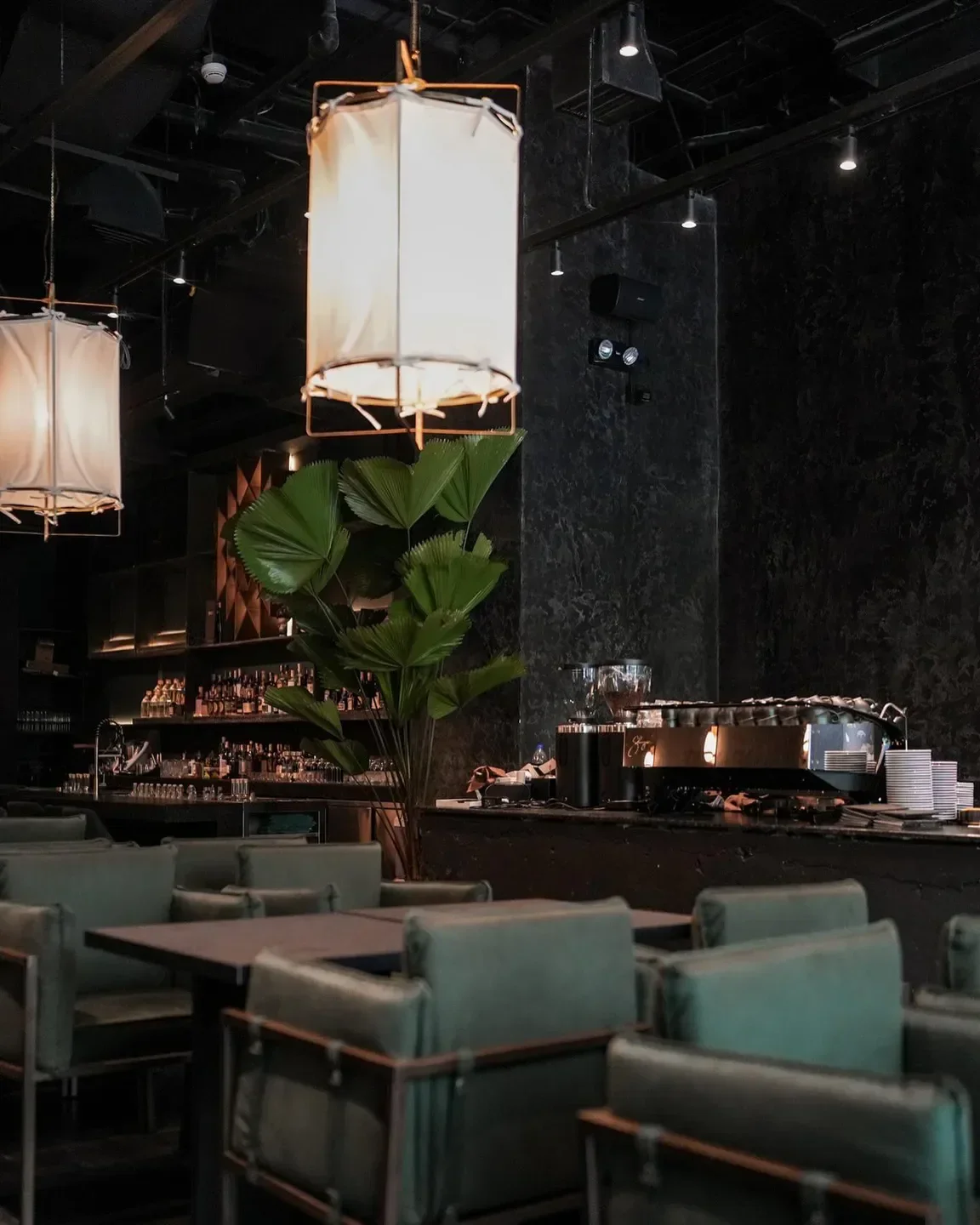
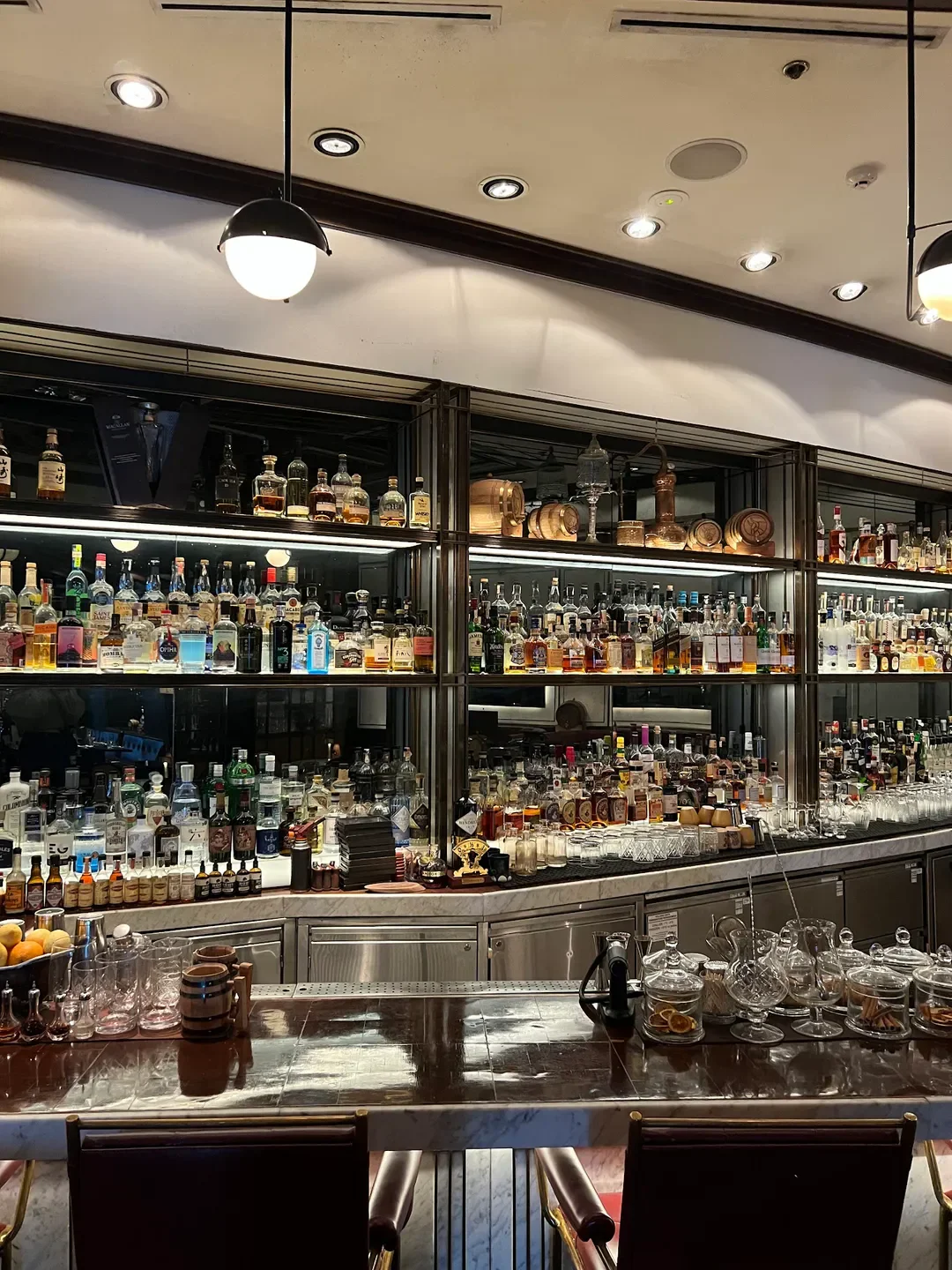
In the Makati business district, Toyo Eatery remains essential for its engagement with local narratives, landing at no. 23 on Asia's 50 Best Restaurants. Nearby, Lusso by Margarita Forés offers a focused European-influenced menu that suits a quick business lunch, while Southbank Cafe Lounge provides a more relaxed atmosphere for the after-work crowd, having earned a spot on the Asia's 50 Best Bars list at no. 81. Makati dining relies on these compact pockets where the transition from corporate office to dining room is instantaneous.
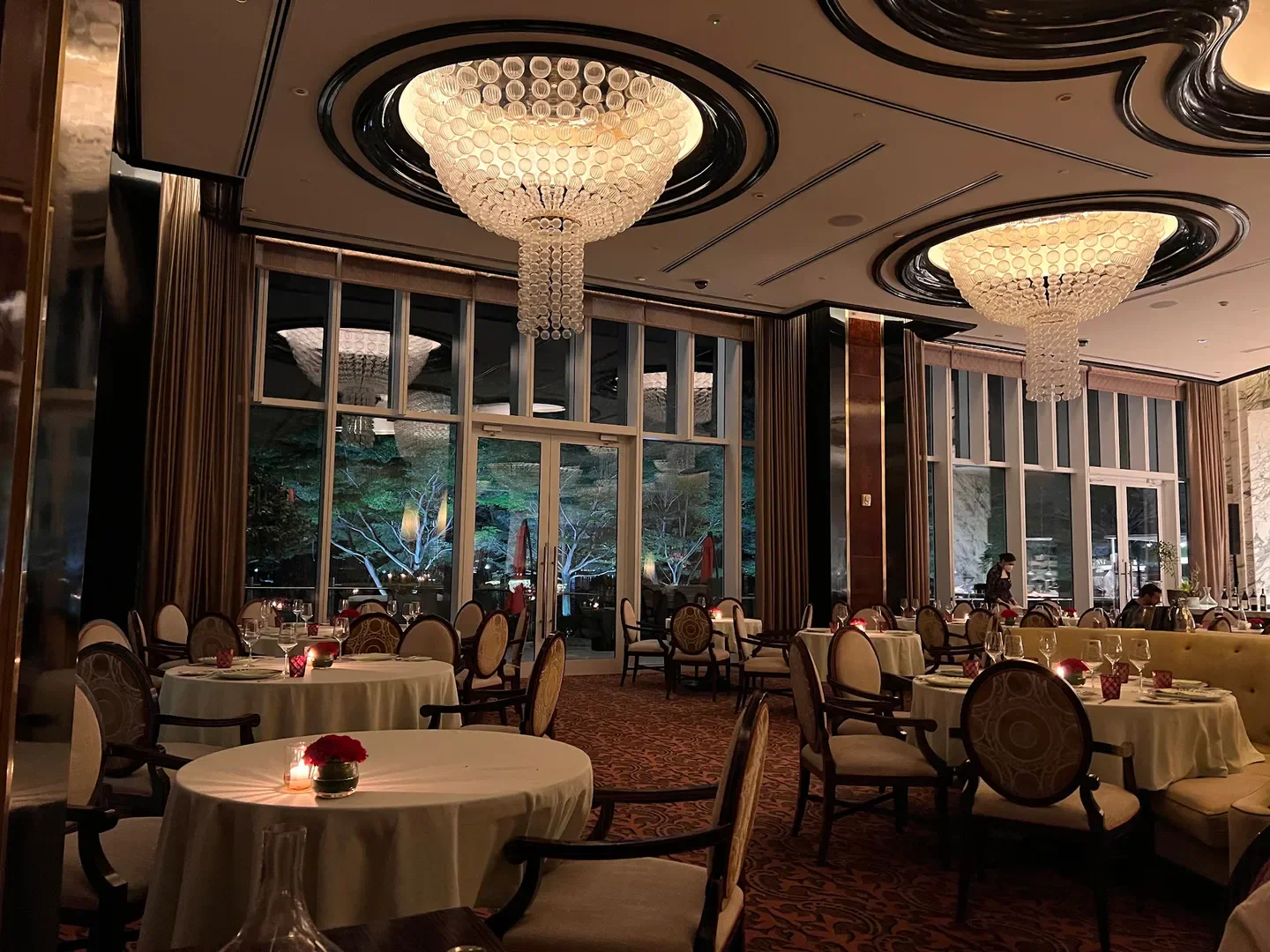
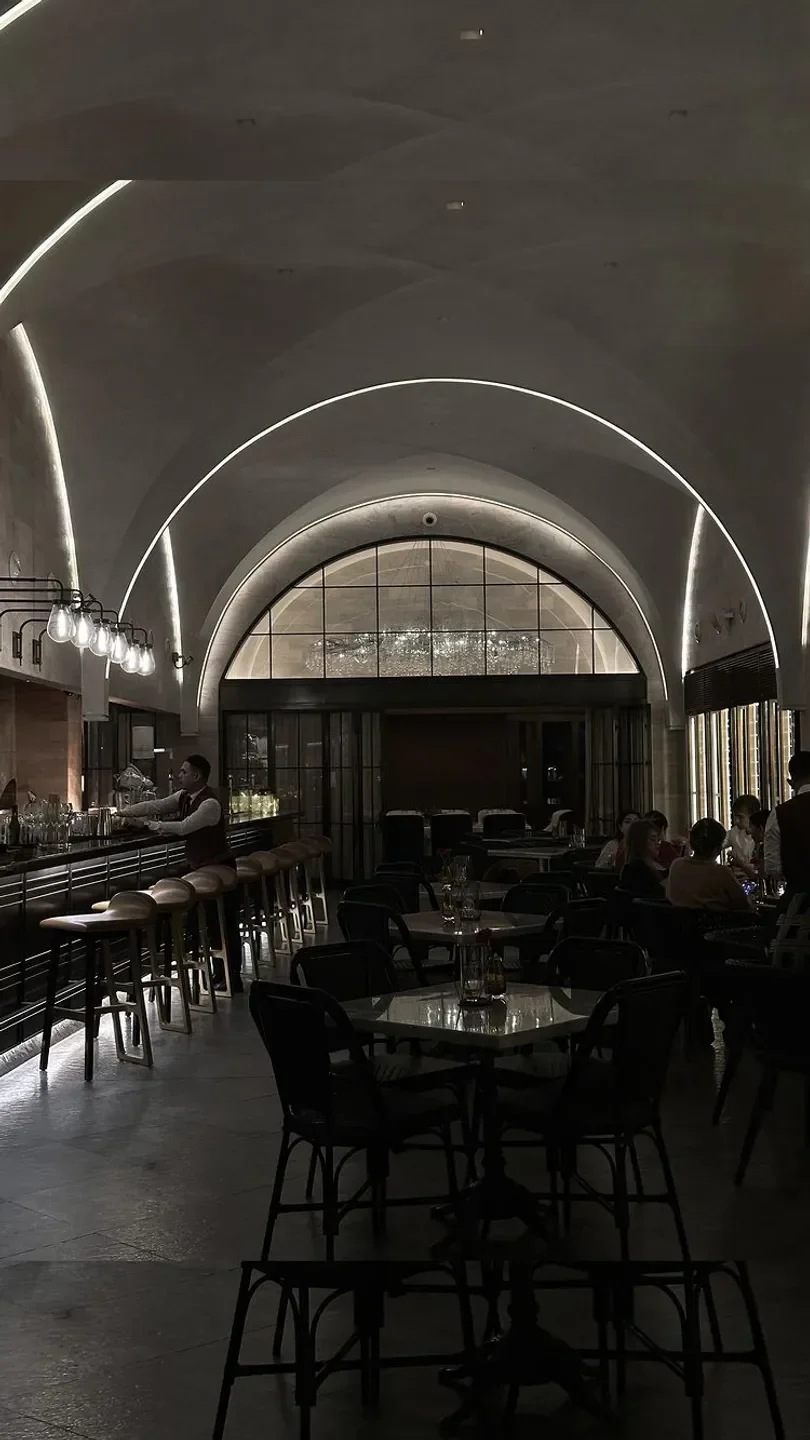
Manila’s humidity and traffic patterns mean that weekend evenings feel significantly more crowded than mid-week nights. Most city dining reaches its peak pulse on Friday and Saturday, when the heat of the day subsides and social traffic shifts toward air-conditioned interiors. We organize these recommendations to help you navigate which spaces offer genuine value versus simple noise. During the humid summer months, the internal climate of these dining rooms becomes as vital as the food on the table.
Manila Restaurants FAQ