
Muscat Luxury Concierge Services
Plan Your Experience
The Muscat Edit
View all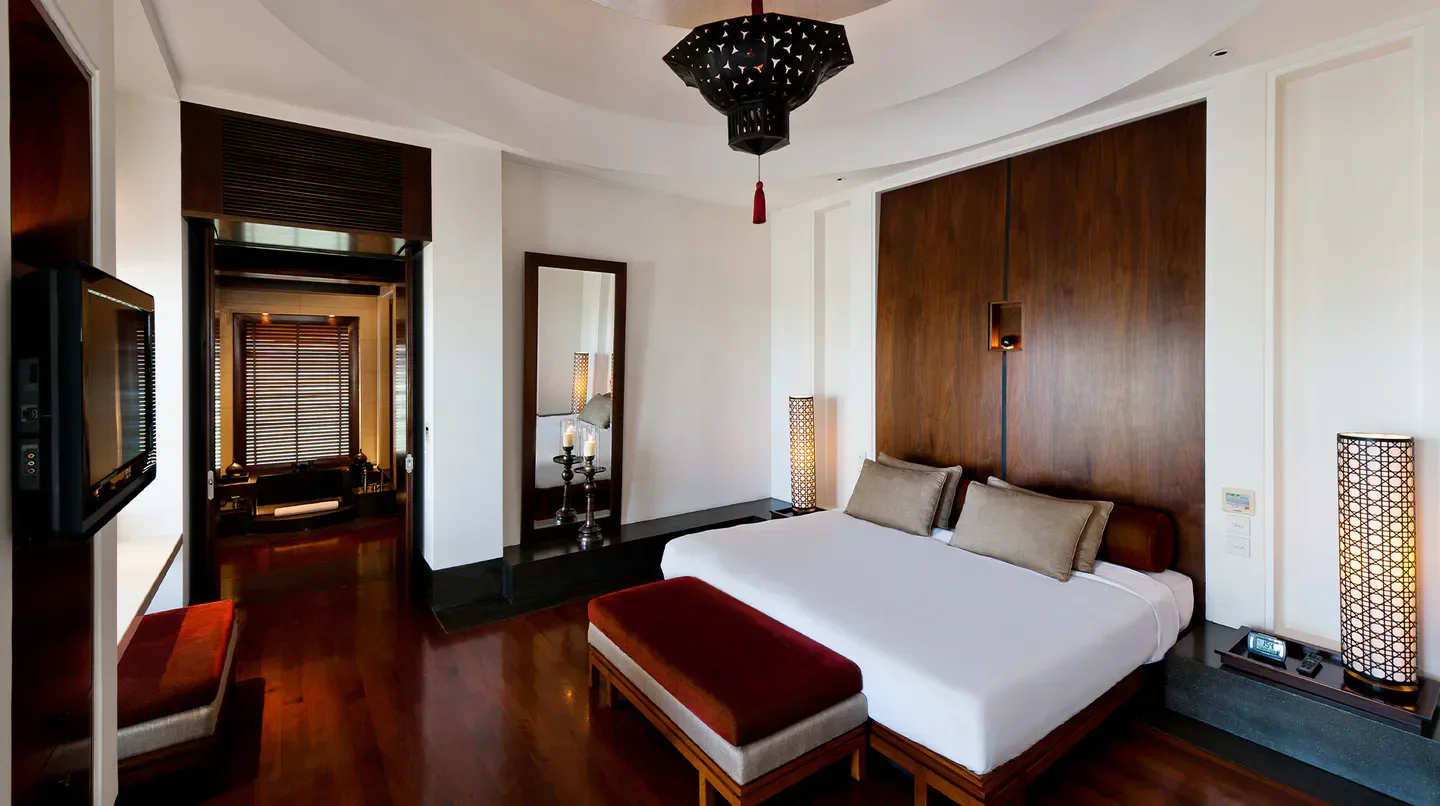
The Experience
Muscat Unlocked
Muscat is a sprawling ribbon of low-rise white architecture wedged between the Hajar Mountains and the Gulf of Oman, making the car an unavoidable companion. Life here shifts away from the sun, with the city breathing loudest once the heat breaks in the evening. The capital favors a slower rhythm that forces visitors to commit to the coastal commute rather than expecting a walkable core.
The scene clusters in distinct pockets, moving from the historic trading ports to the ambitious developments along the coast. Al Bustan Palace, a Ritz-Carlton Hotel provides a scale that grounds the southern end of the city. Closer to the centre, The Chedi Muscat prioritizes a minimalist design that appeals to those seeking a sharp, quiet aesthetic. Further northwest, The St. Regis Al Mouj Muscat Resort defines modern waterfront living, holding a ranking of no. 1 in the Middle East according to the World Travel Awards.
Plan your nights for the end of the week, when the social pulse beats strongest. Because the temperature dictates the geography of your evening, move between the seaside resorts to avoid the inland midday swelter. Most local life sits along the coastline, so keep your movements west-to-east to stay near the water. This guide provides the essential geography of these districts so you can navigate the city with intent rather than by chance.
Muscat FAQ