Okinawa Luxury Concierge Services
Plan Your Experience
The Okinawa Edit
View all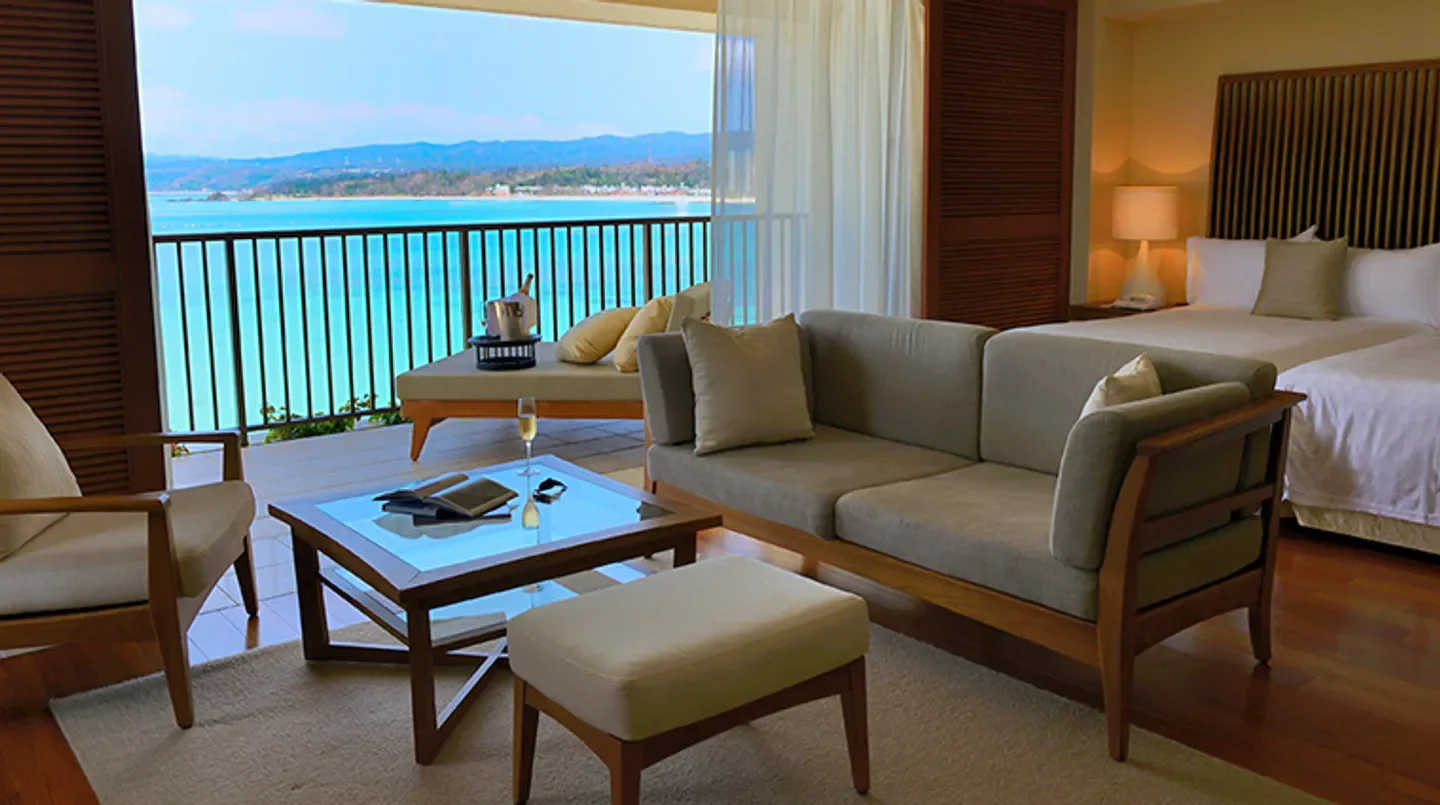
The Experience
Okinawa Unlocked
Okinawa forces a choice between the rugged, jungle-dense north and the limestone-cliffed southern reaches. Visitors often mistake the archipelago for a singular beach destination, but the reality involves a fragmented landscape split by the East China Sea and the Pacific. The transit between these ends consumes daylight, making it essential to prioritize either the manicured coastlines of the west or the isolated, meditative pockets of the south.
Accommodation clusters heavily along the Onna coastline, where the tide dictates the daily rhythm. Halekulani Okinawa provides a disciplined approach to island hospitality, keeping guests connected to the constant movement of the water. The Terrace Club at Busena offers maritime access that feels managed and strictly ordered. If you venture south toward the Nanjō cliffs, Hyakuna Garan provides a quietude that separates the property from the busier northern corridors. Among these, The Ritz-Carlton, Okinawa holds a Forbes Travel Guide Five-Star award, marking it as a rare point of consistency in a region where quality fluctuates with the heat.
Timing your visit remains a prerequisite for success, as the humidity and typhoon windows govern the rhythm of the year. Weekend ferry schedules to outlying islands falter during the autumn gale season, so keep your itinerary flexible. Northern resorts remain busy through the spring holiday windows, while coastal stretches quieten once the winter winds shift the surf. We focus here on properties that hold their own against the island’s climate, with The Ritz-Carlton, Okinawa also holding a Forbes Travel Guide Five-Star award for its structural rigor.
Okinawa FAQ