
Siem Reap Luxury Concierge Services
Plan Your Experience
The Siem Reap Edit
View all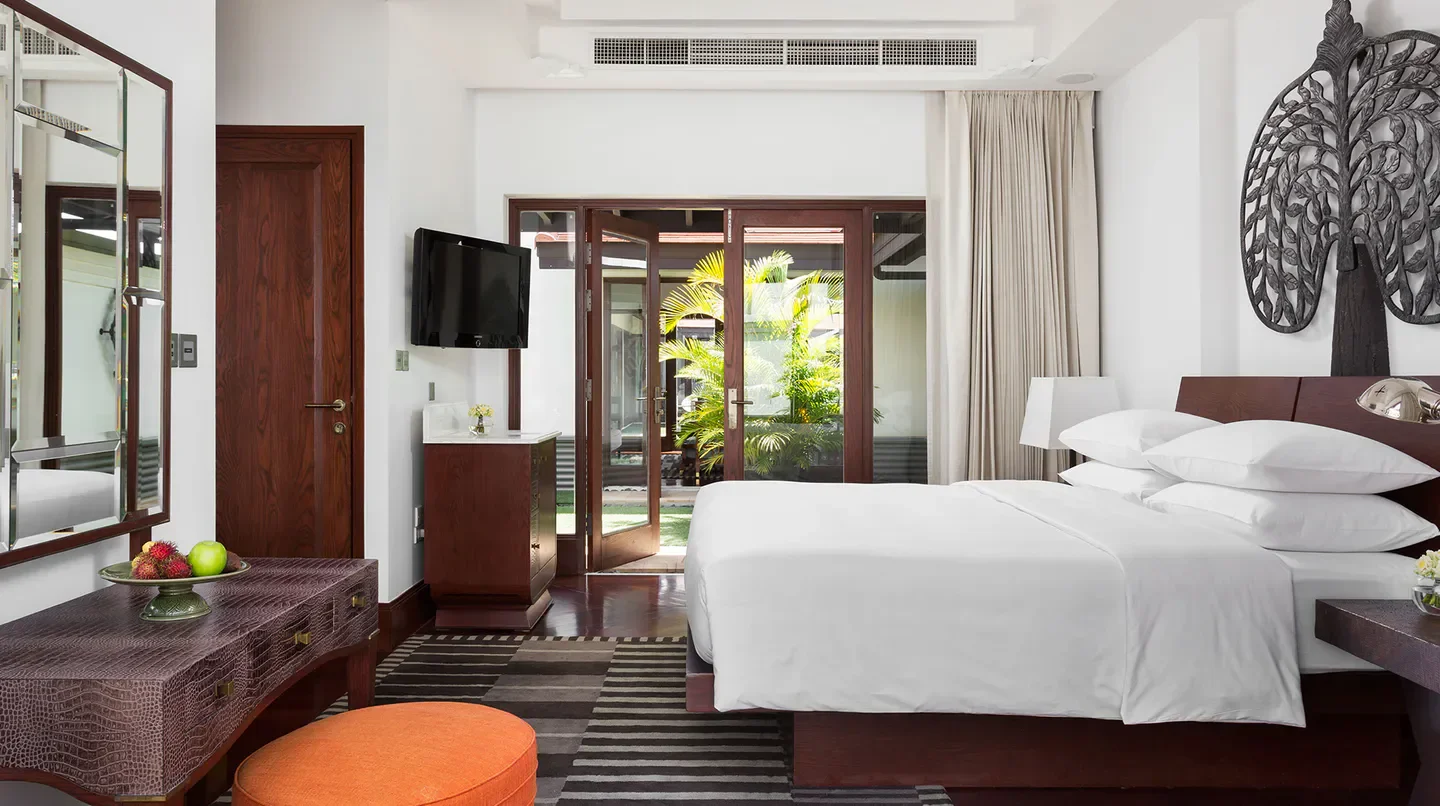
The Experience
Siem Reap Unlocked
Siem Reap revolves around the singular, taxing rhythm of the temples, forcing a choice between staying near the dust of the archaeology or retreating into the urban sprawl. Visitors often mistake the neon energy of Pub Street for the city's substance, failing to navigate the low-slung streets where the actual character resides. You must decide if you stay within a quick ride of the markets or in the quieter pockets along the river, where the colonial grid slows the pace.
Clusters of activity follow the river south and branch toward the rural fringes. Zannier Hotels Phum Baitang uses stilted wooden villas to mimic a traditional village, providing a rural base away from town centre congestion. Near the colonial heart, the Raffles Grand Hotel d'Angkor holds the standard for those seeking a link to the city’s early twentieth-century heritage. Shinta Mani Angkor and Bensley Collection Pool Villas takes a kaleidoscopic approach to space, winning a place on The World's 101 Best Hotels list for its inventive use of textures.
Planning a trip here requires managing the humidity and the mid-day fatigue that follows a sunrise start at the temples. Visit between November and February to avoid the peak heat, though the narrow lanes of the French Quarter are at their busiest then. The evening hours are when the city finds its temperature, as the heat dissipates and the riverside scene activates. Use this selective orientation to navigate the geography of the city. Spend midday hours under a fan rather than traversing the outer districts, and save the exploration of hidden courtyards for the cool of the late afternoon.
Siem Reap FAQ