Tuscany Luxury Concierge Services
Plan Your Experience
The Tuscany Edit
View all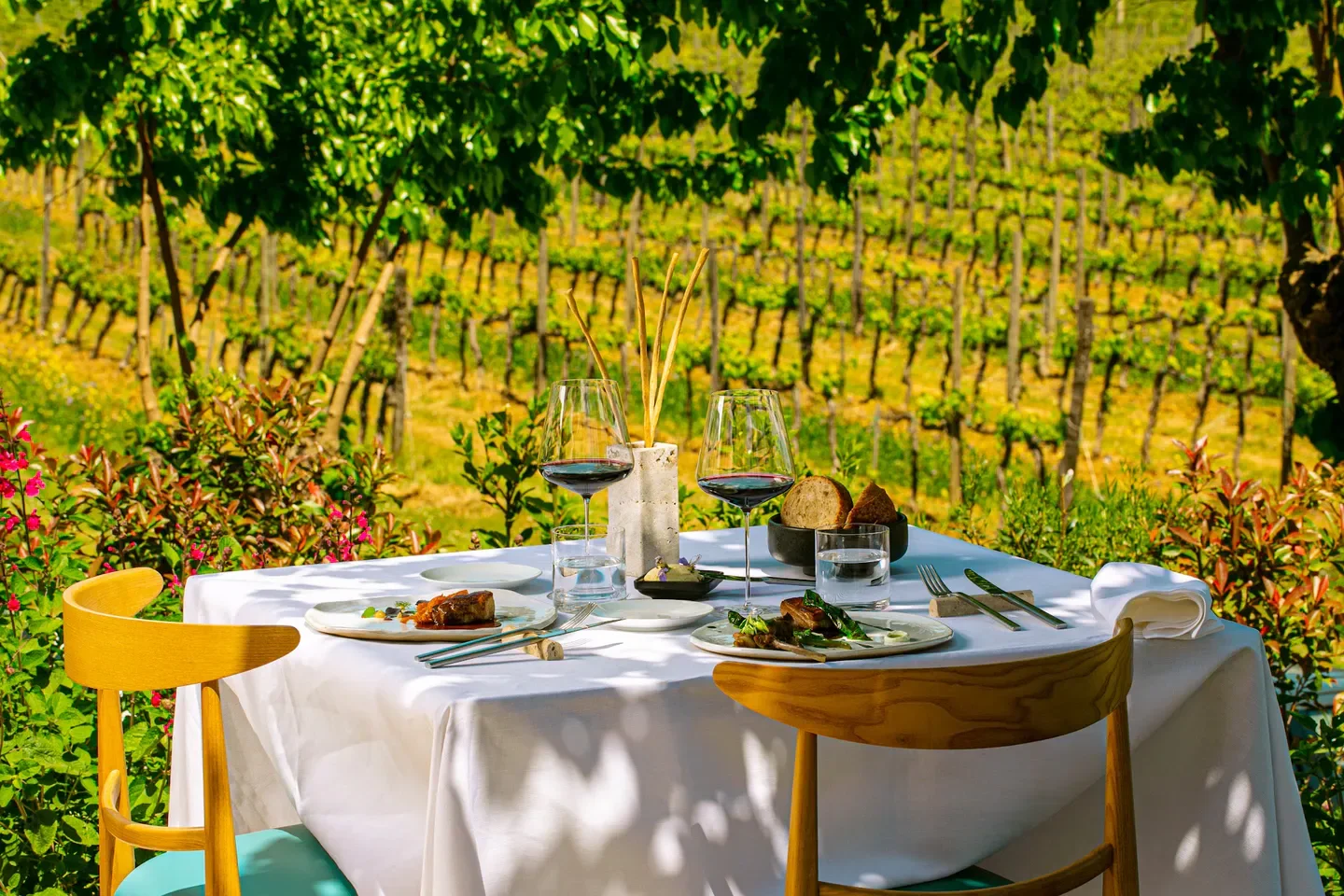
The Experience
Tuscany Unlocked
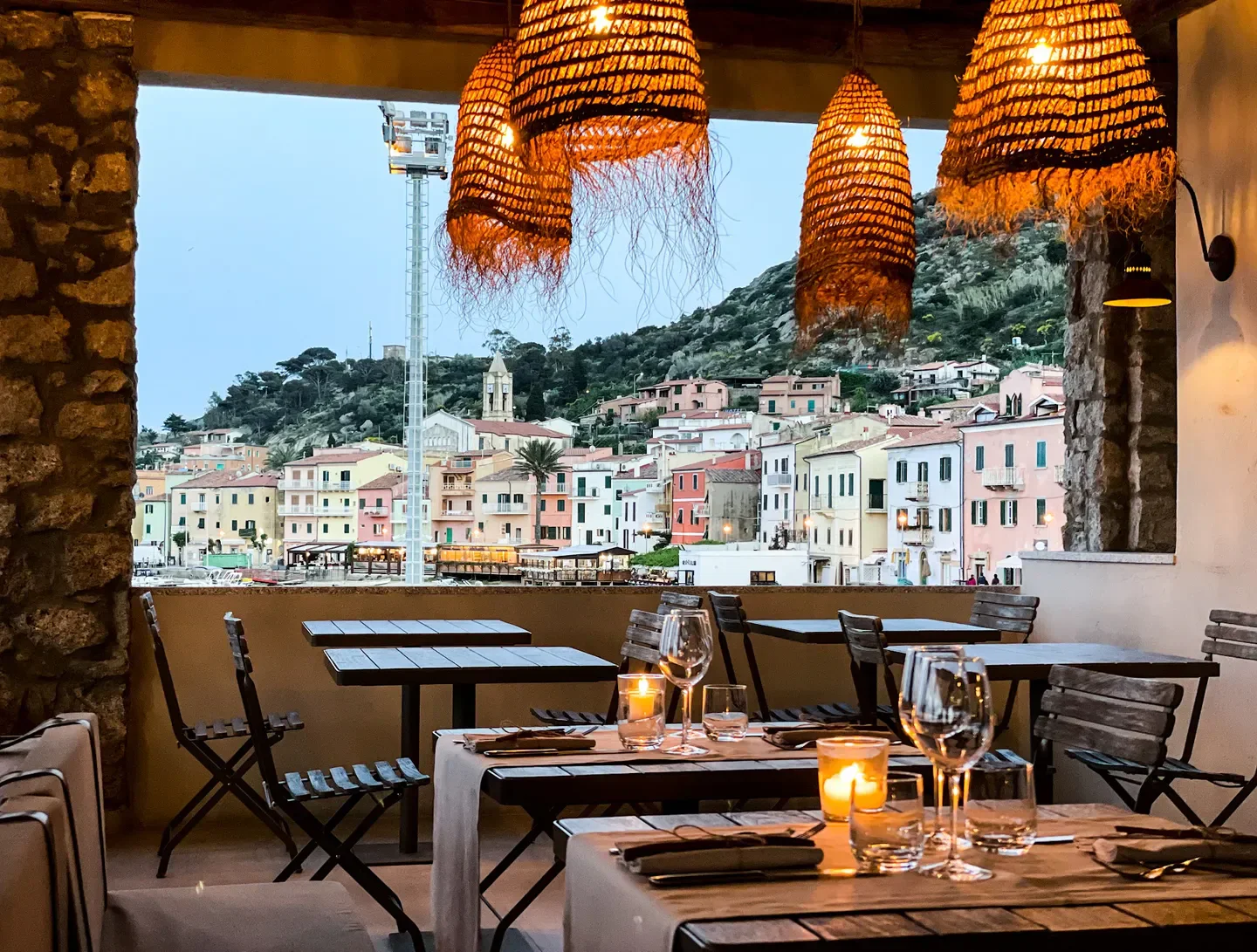
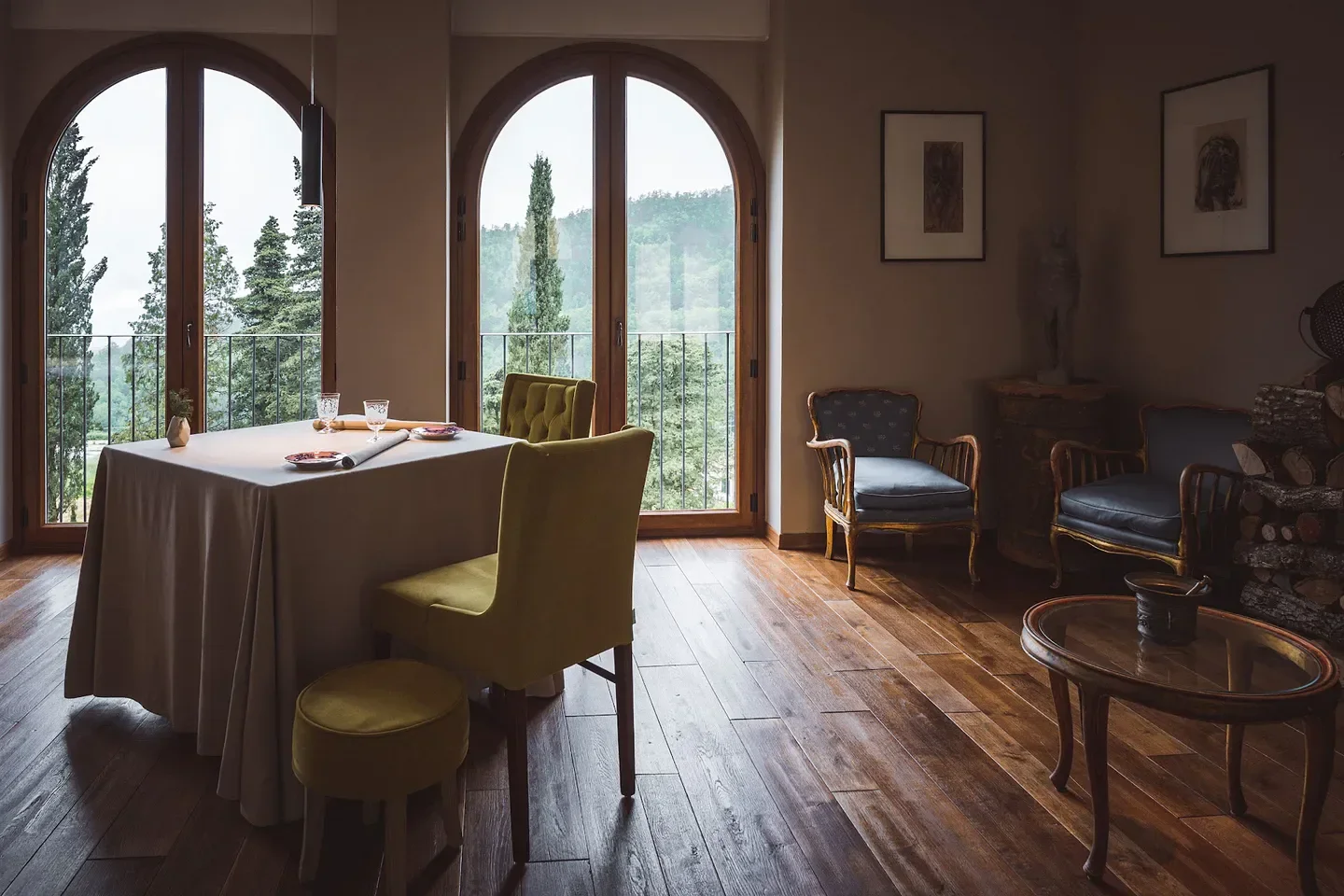
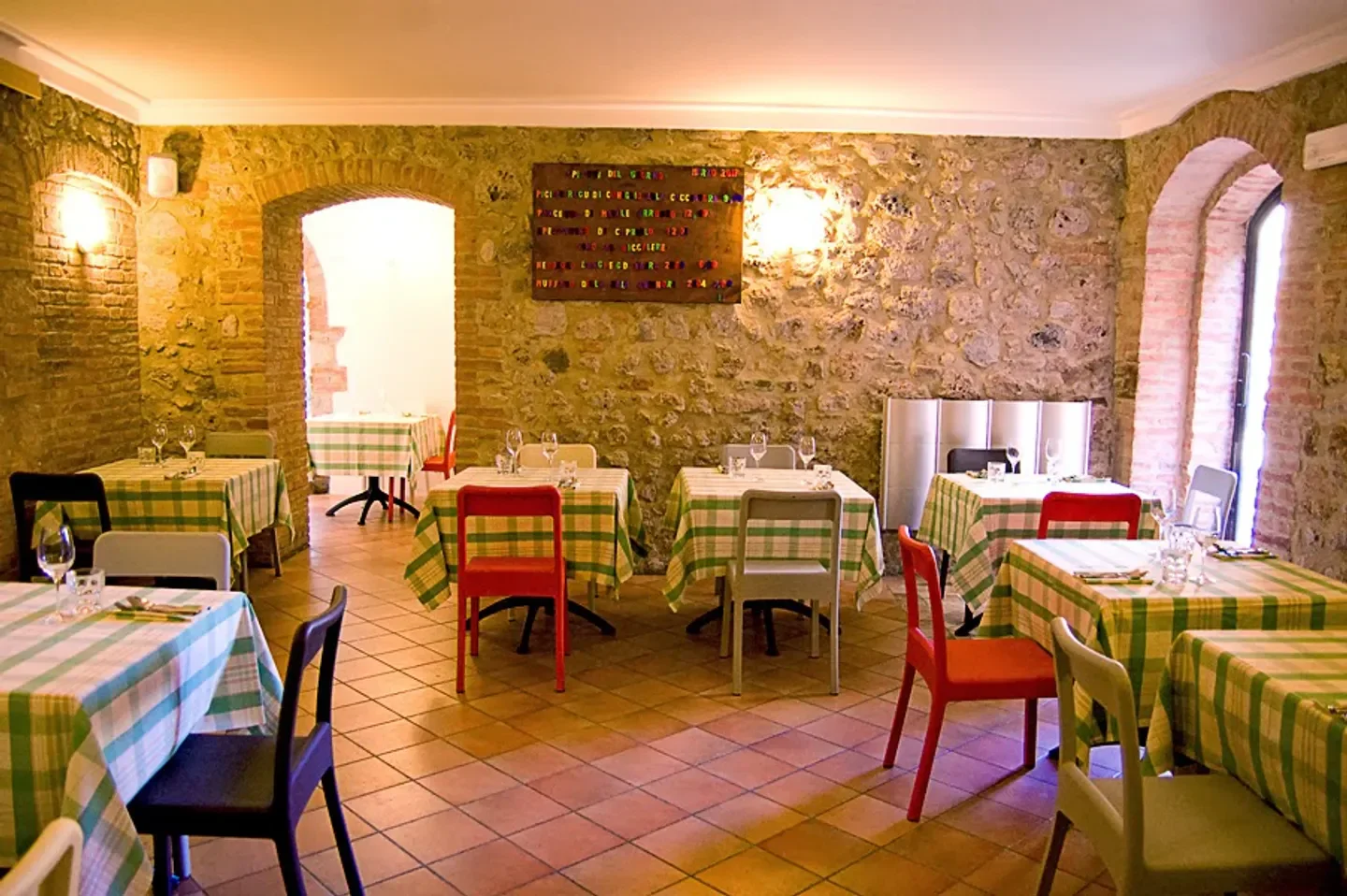
Tuscany confuses the visitor who assumes a short drive between two hilltop towns implies a singular culinary culture. The region is a patchwork of distinct agricultural pockets, where the obsession with Panzano beef differs sharply from the coastal focus on Mediterranean catch. You are not choosing between different menus; you are navigating a landscape where the distance between a contemporary urban bistro and a remote estate defines your evening’s transit. Relying on proximity often leads to disappointment in a region where the best kitchens are frequently tucked behind gravel roads miles from the main transit arteries.
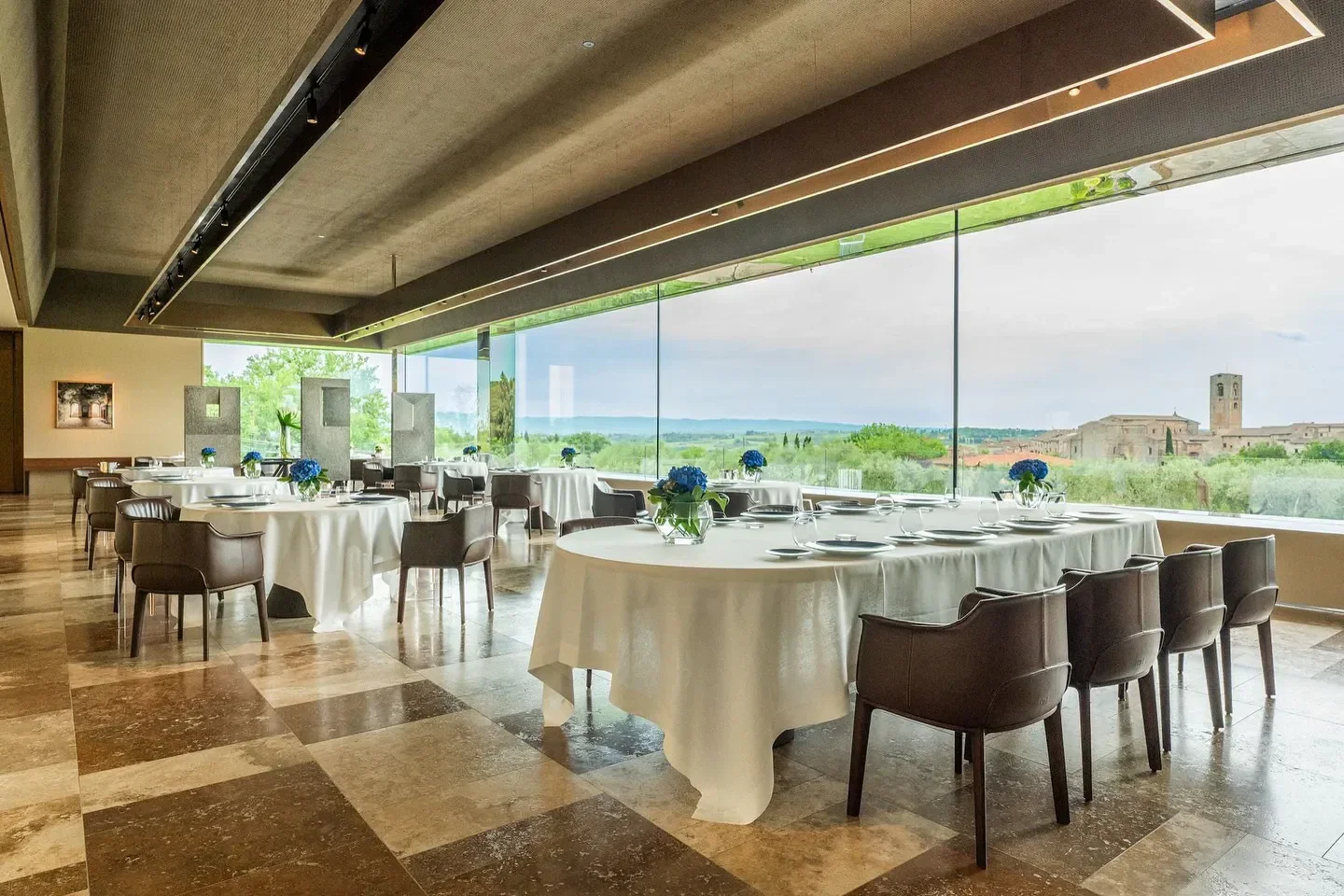
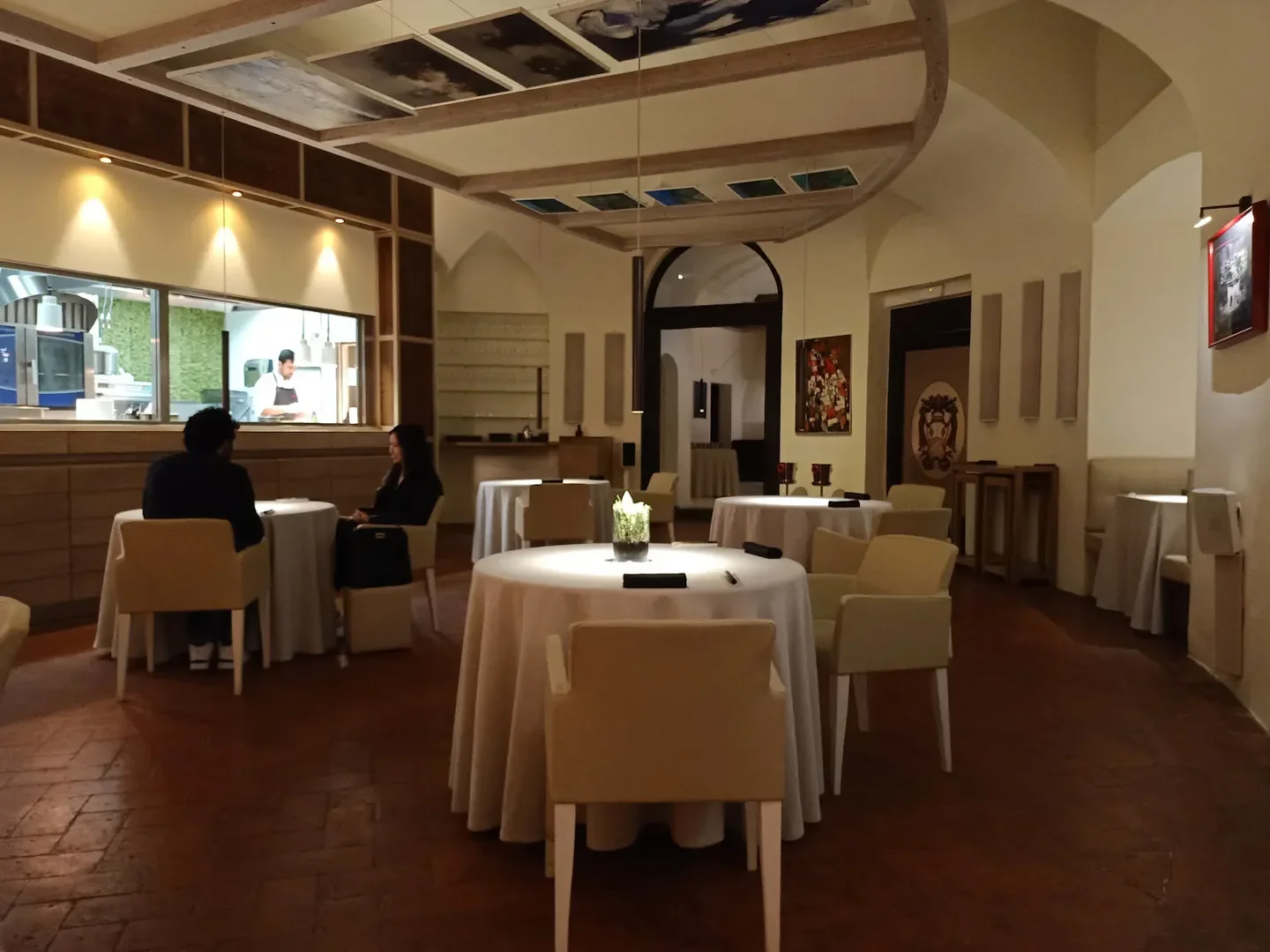
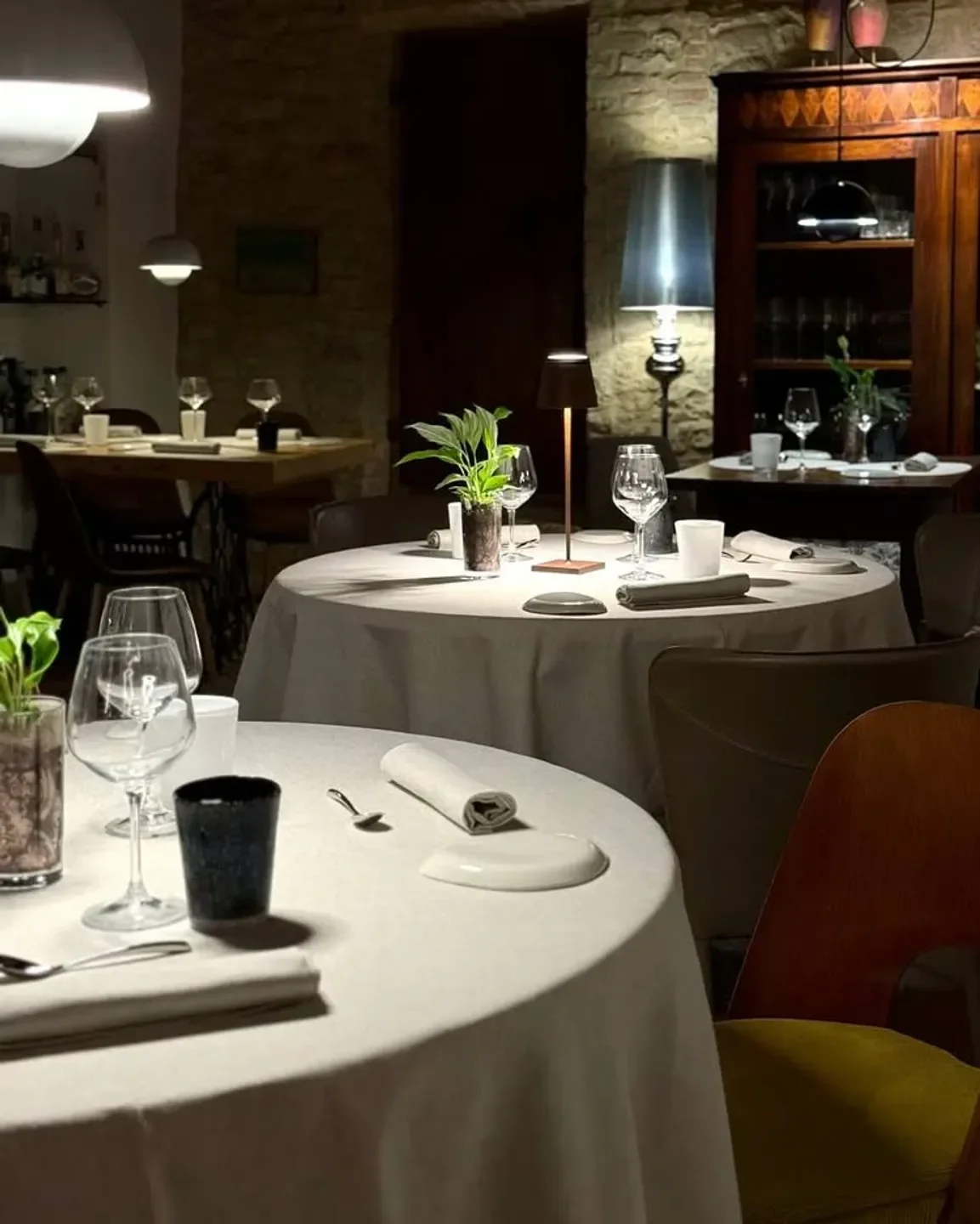
The scene clusters in pockets of refinement that contrast with the rustic rural aesthetic. In Colle di Val d’Elsa, Arnolfo holds two Michelin stars for its rigorous technical precision, while Giglio provides a one-starred experience within the medieval walls of Lucca. Futura Osteria acts as a modern counterpoint to the traditional trattorias that dominate the surrounding countryside, forcing you to prioritize specific producers over general geography. These spots offer a sharp departure from the rustic norms of the rural interior, focusing on precision that defies the standard regional expectations.
Planning requires mapping your itinerary to the harvest cycles and the intensity of the weekend crowd. Coastal destinations swell with traffic as the heat peaks, making inland valleys like the Val d’Orcia a quieter refuge for those who prefer to dine without the tourist rush. Weeknights are essential for access to the most sought-after estates, as local residents claim the dining rooms when the weekend day-trippers retreat. We focus on the kitchens that anchor these specific territories, ensuring your travel aligns with the rhythm of the local larder rather than the convenience of the main roads.
Tuscany FAQ