Hobart Luxury Concierge Services
Plan Your Experience
The Hobart Edit
View all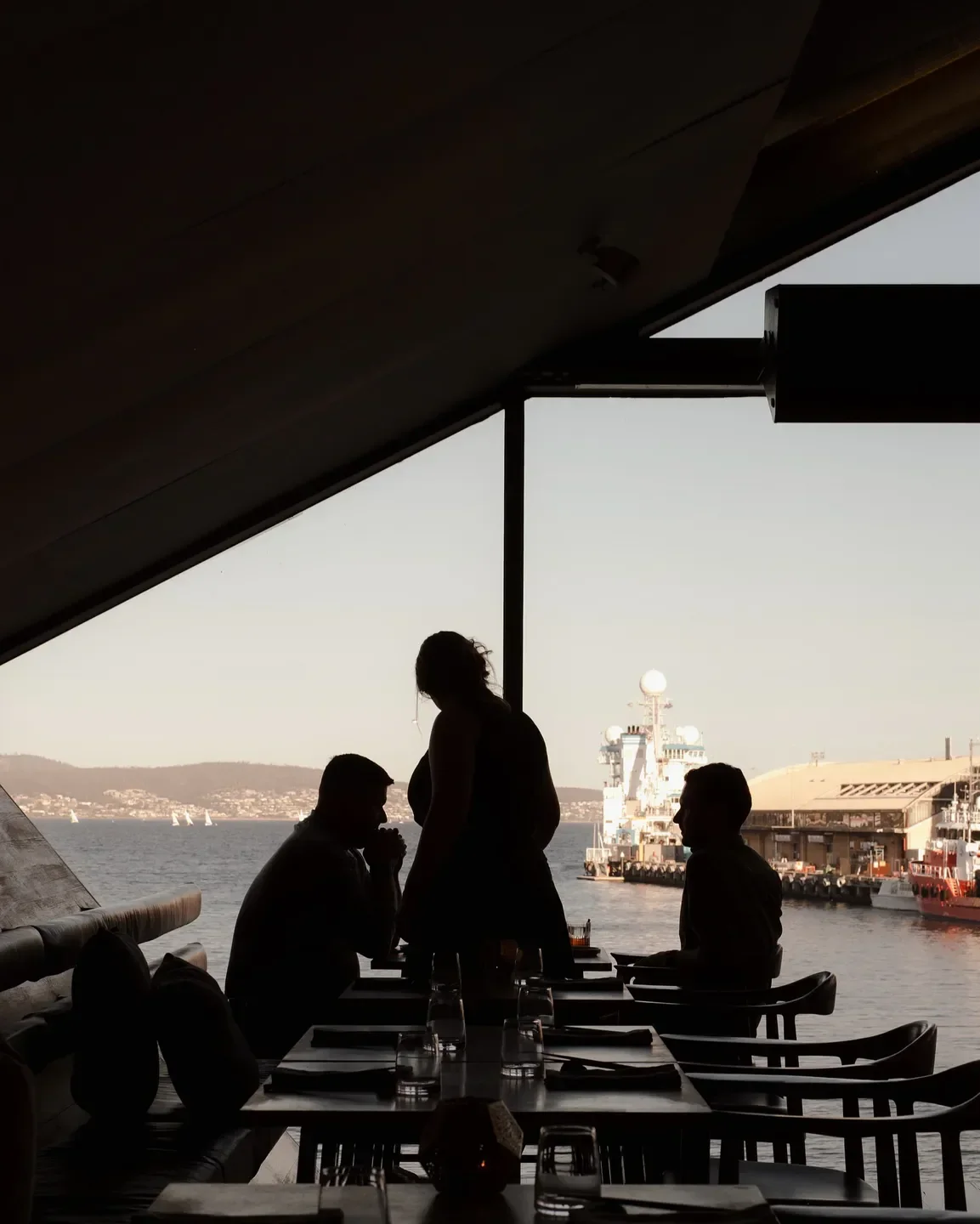
The Experience
Hobart Unlocked
Visitors often arrive expecting a sleepy colonial port, but Hobart demands a rapid recalibration of expectations. The city operates on a rhythm dictated by the cold Southern Ocean and a radical local devotion to hyper-seasonal produce. While the waterfront draws the crowds, the real culinary evolution happens in converted sandstone warehouses and hidden laneways where producers, not international trends, set the pace.
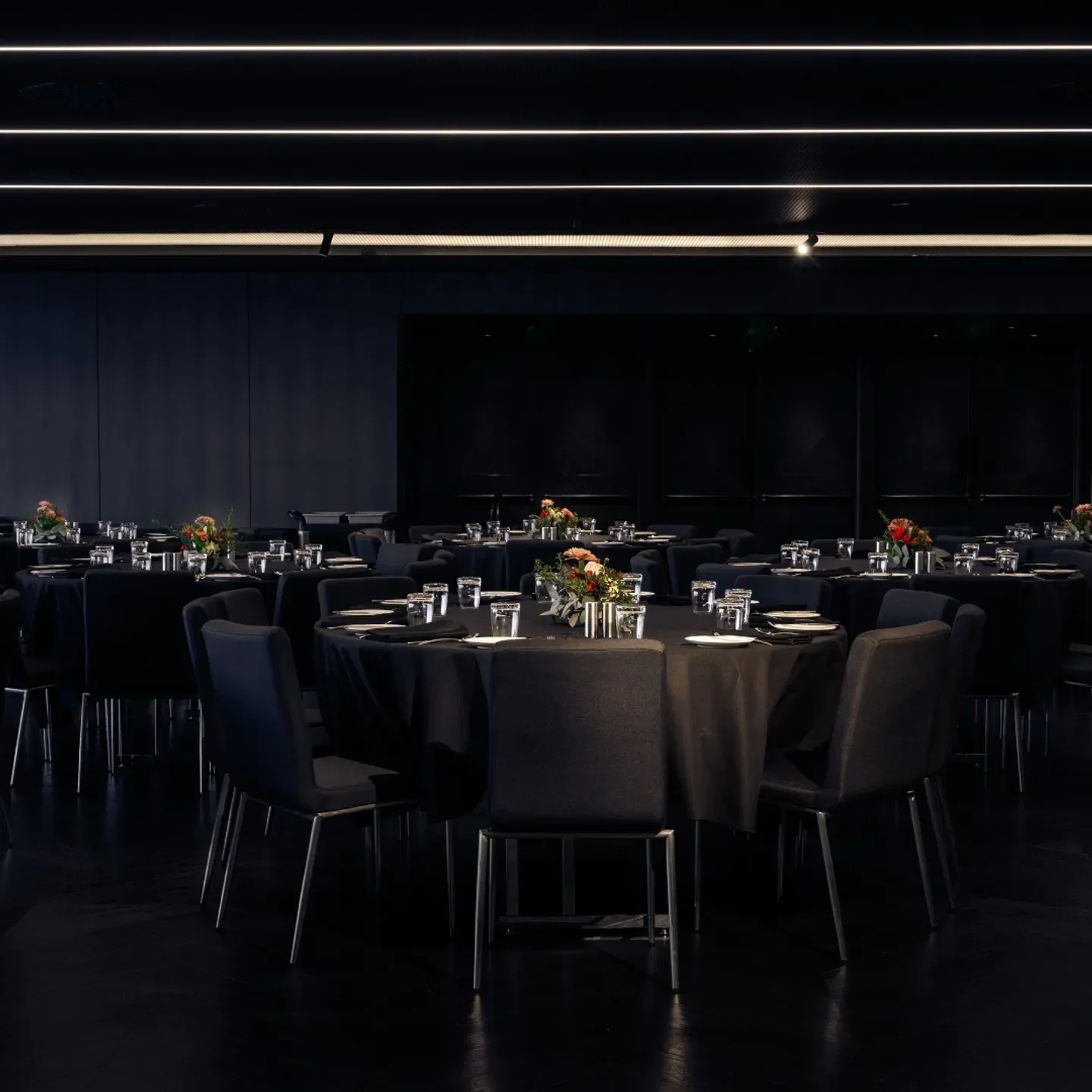
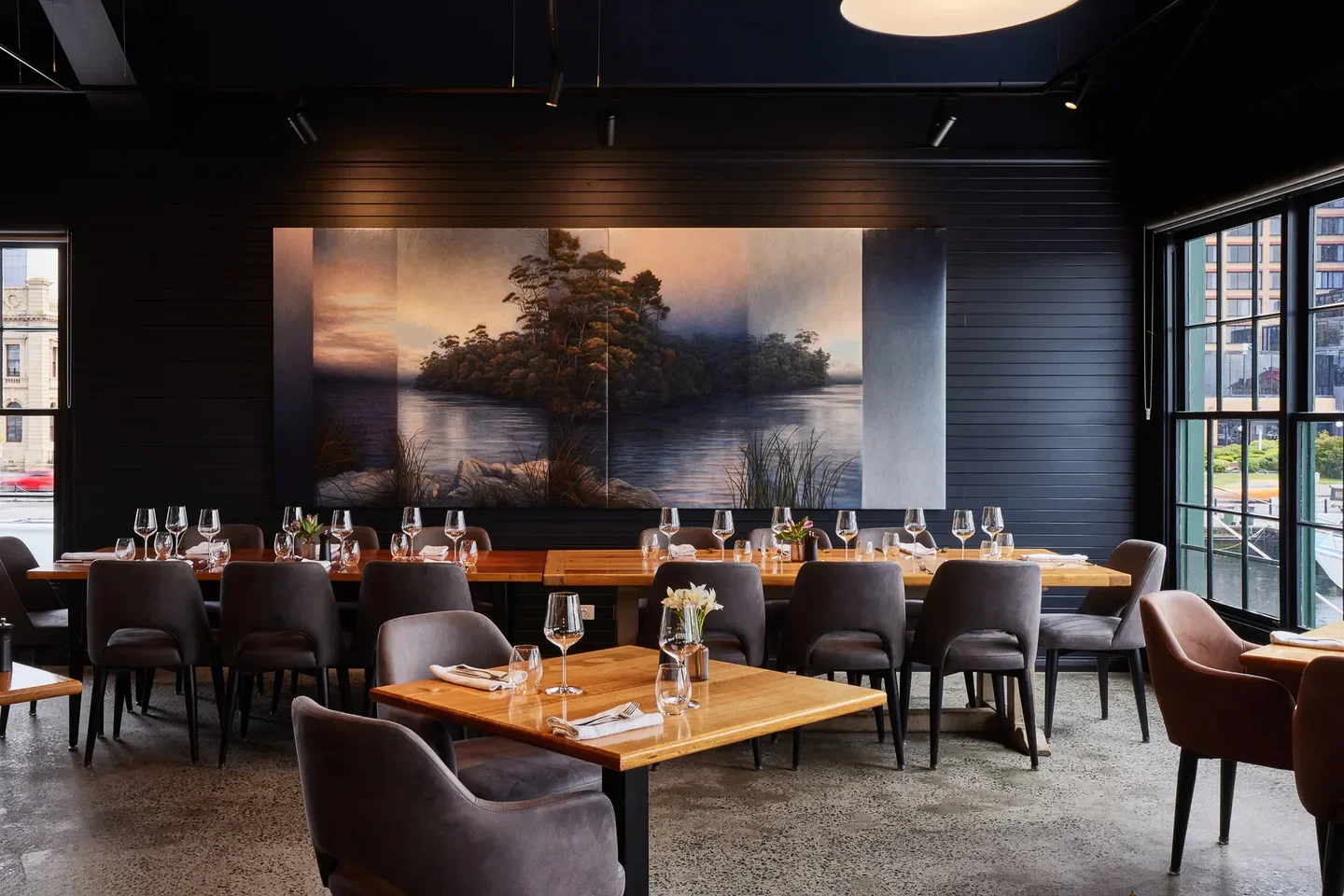
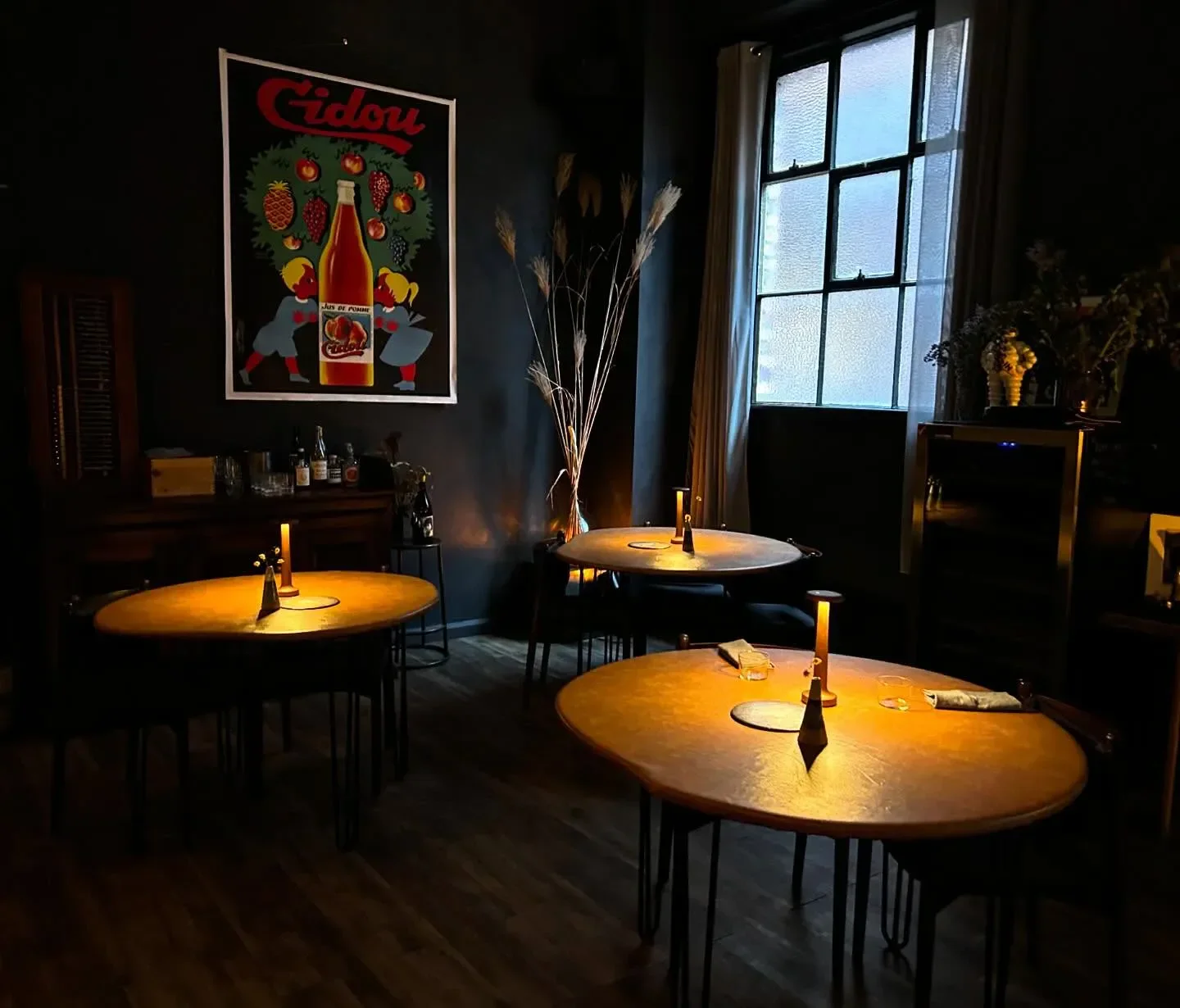
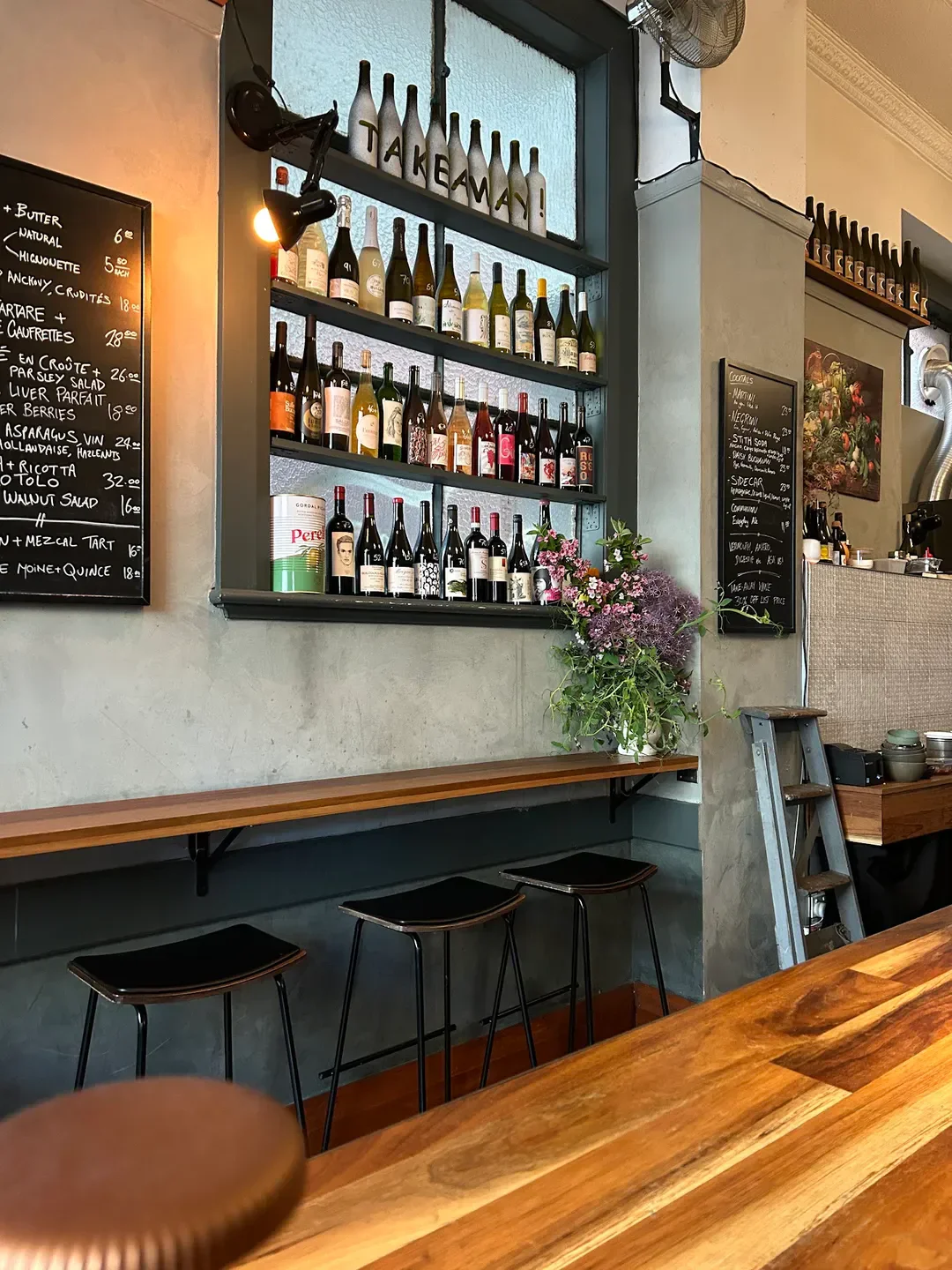
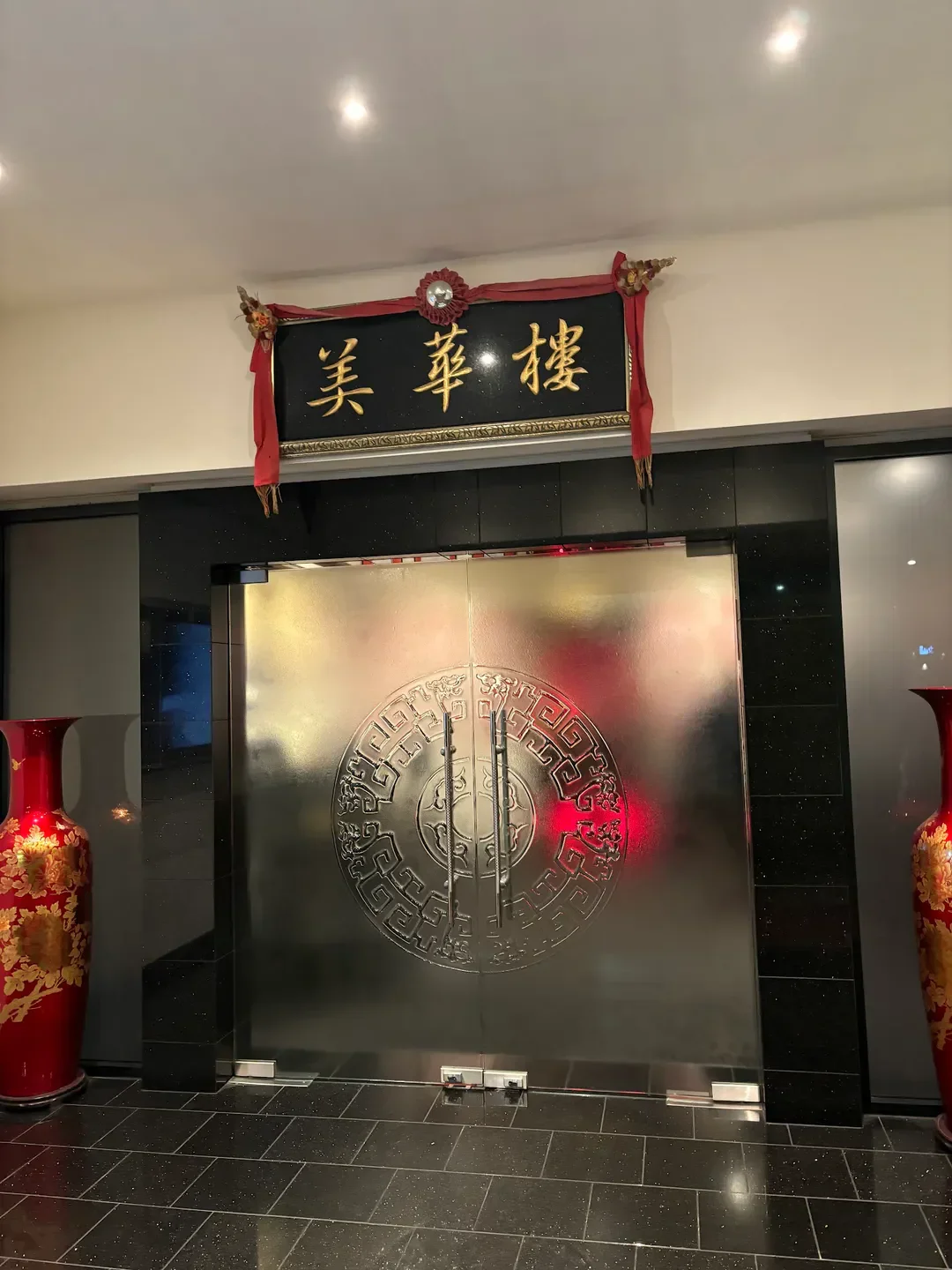
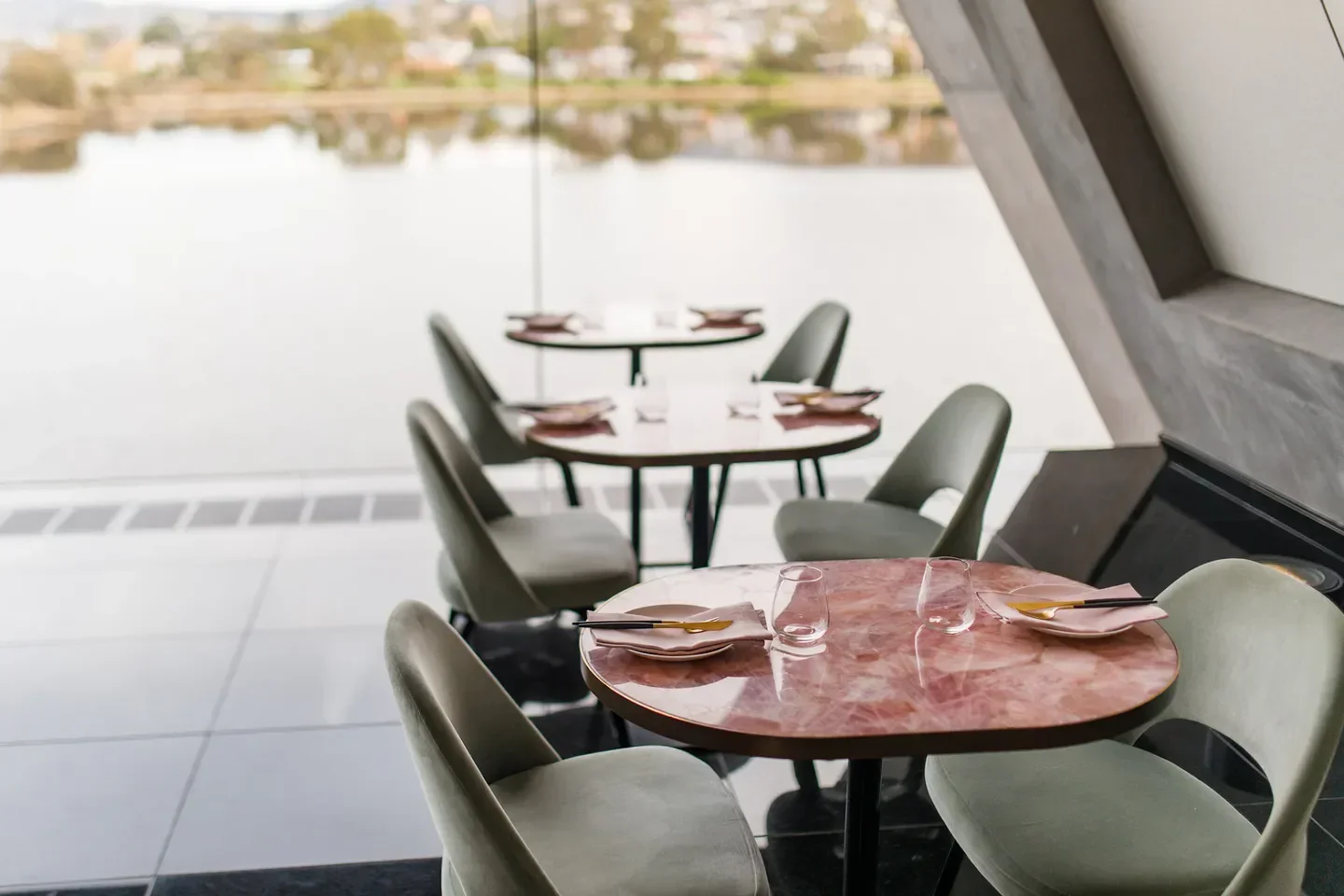
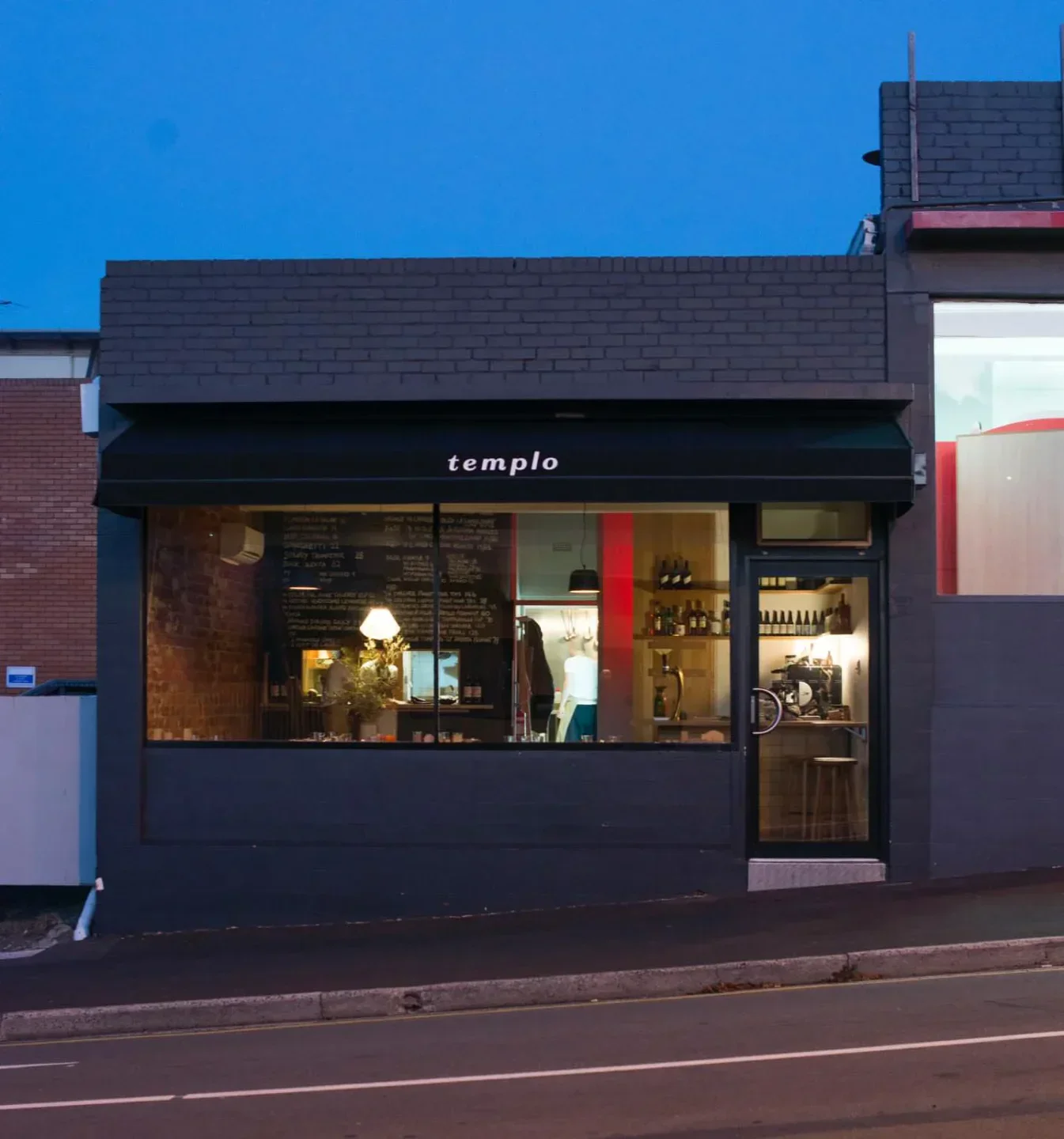
The dining scene clusters tightly between the docks and the slopes of Mount Wellington. You will find Dier Makr on Collins Street, which holds three hats from the Australian Good Food Guide for its focused, experimental approach. Further south near the wharves, Fico also holds three hats from the Australian Good Food Guide, acting as a departure point for those wanting modern, boundary-pushing techniques. If you prefer the intersection of industrial heritage and charcoal grilling, Landscape Restaurant & Grill leans into local history with a singular focus on heavy-hitting Tasmanian proteins.
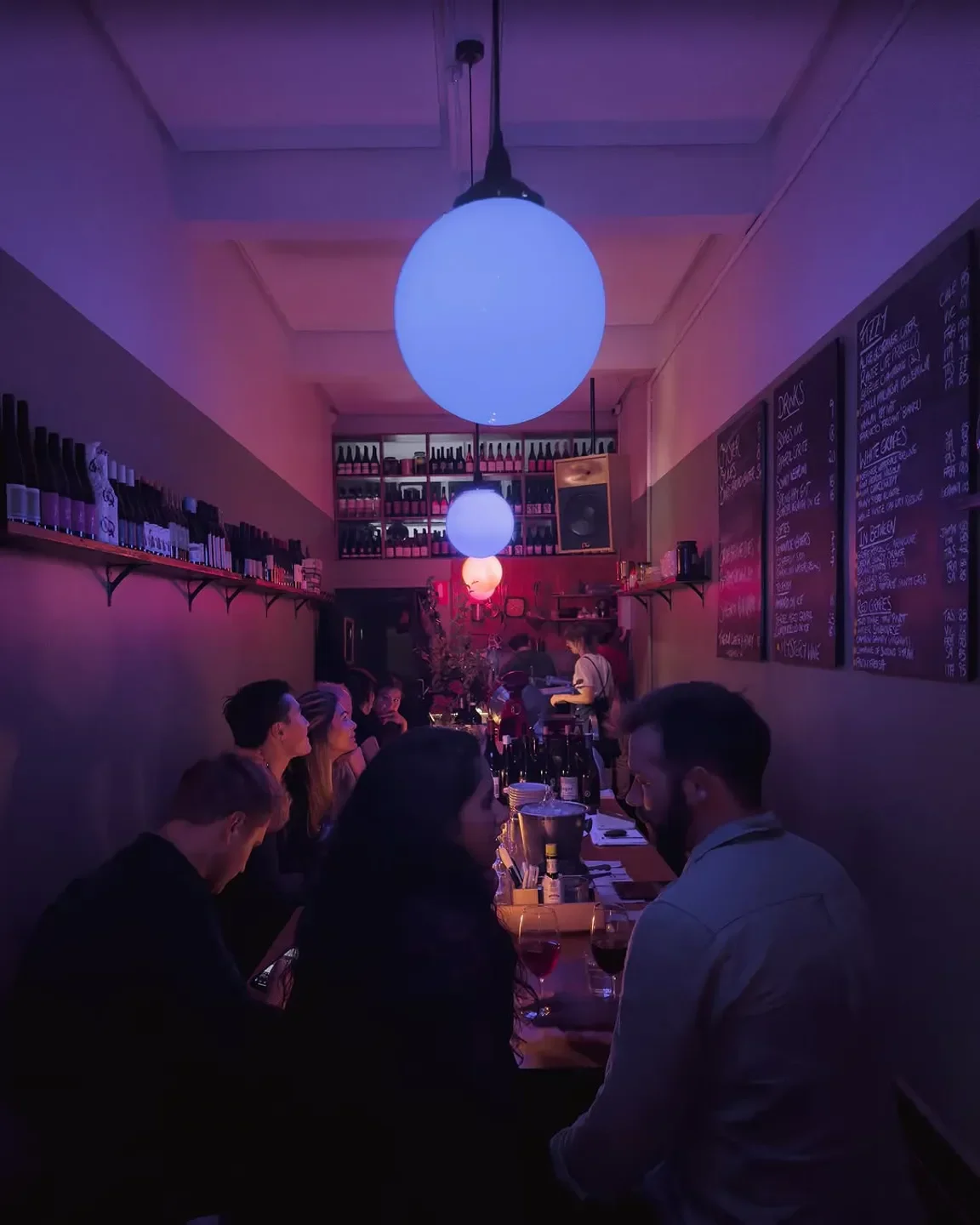
Planning a trip here requires leaning into the shifts of a maritime climate. Summer nights keep the city active well past dark, but mid-winter can shutter smaller spots earlier than expected. Mid-week evenings in the city center often prove quieter, while Friday and Saturday nights see demand spike across the harbor districts. We track these movements to help you navigate the city’s evolving landscape. Focus your energy on the local wine lists, which often highlight producers from the nearby Coal River or Derwent valleys that you will not find anywhere else.
Hobart FAQ