The Best Hotels in Kyoto
Plan Your Experience
The Kyoto Hotels Edit
The Experience
Kyoto Hotels Unlocked
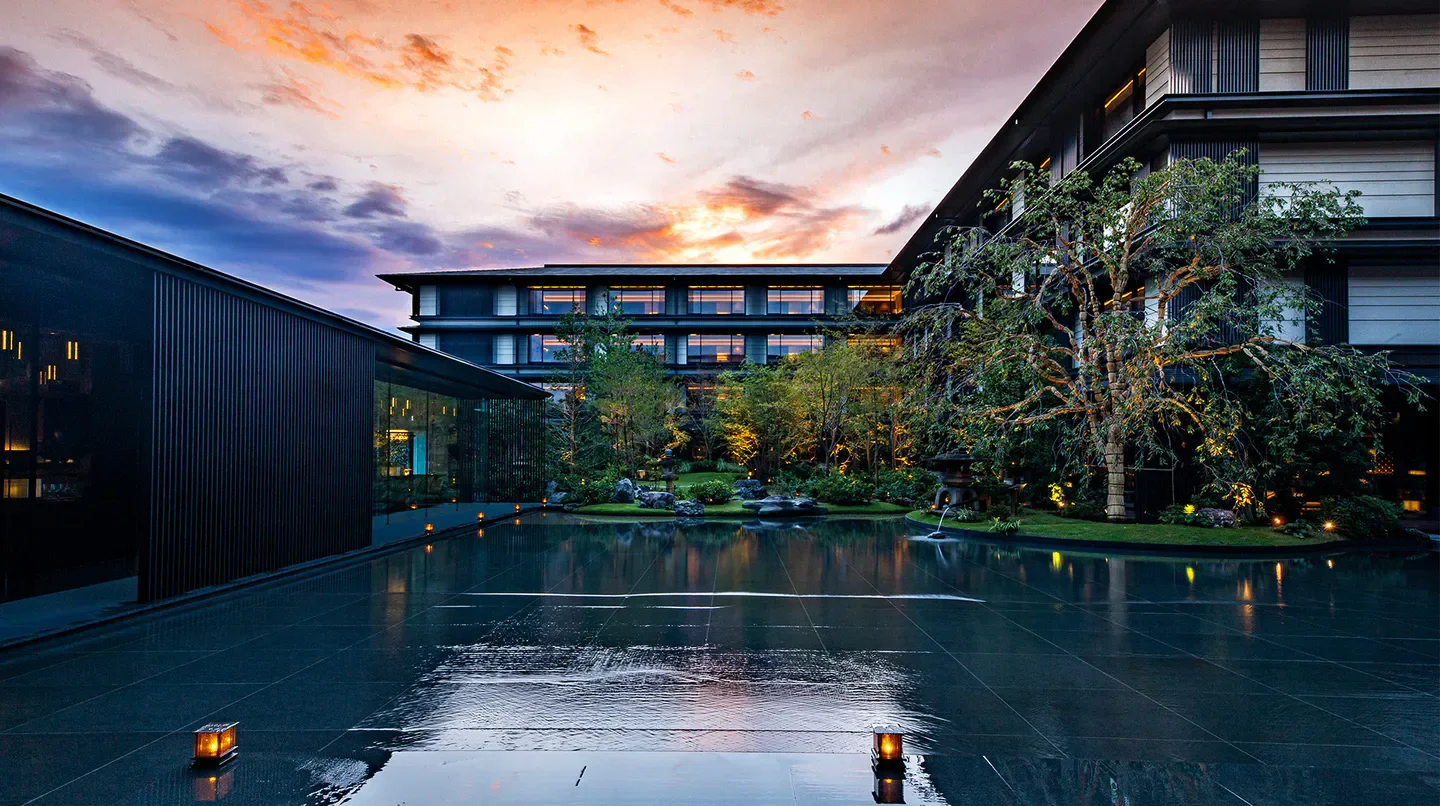
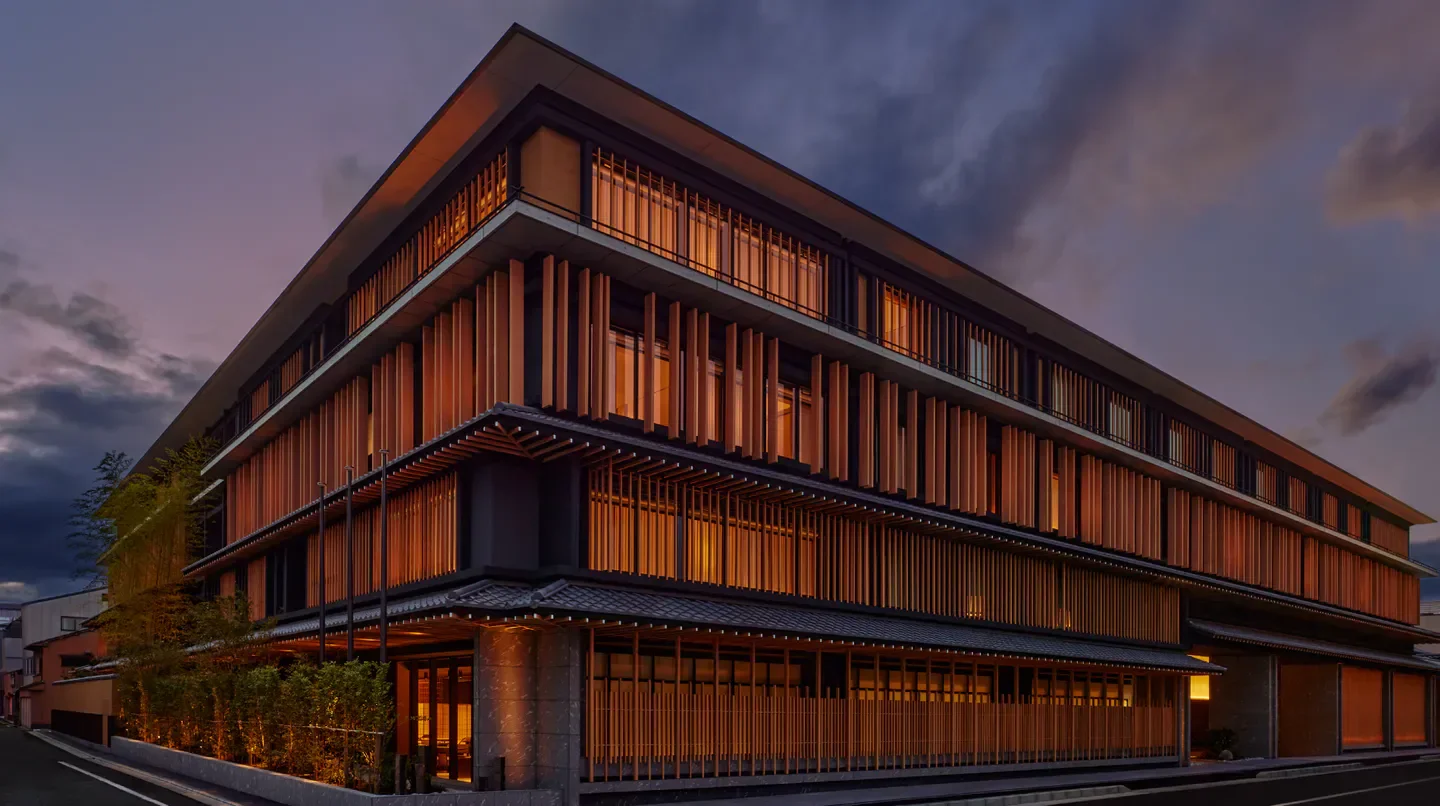
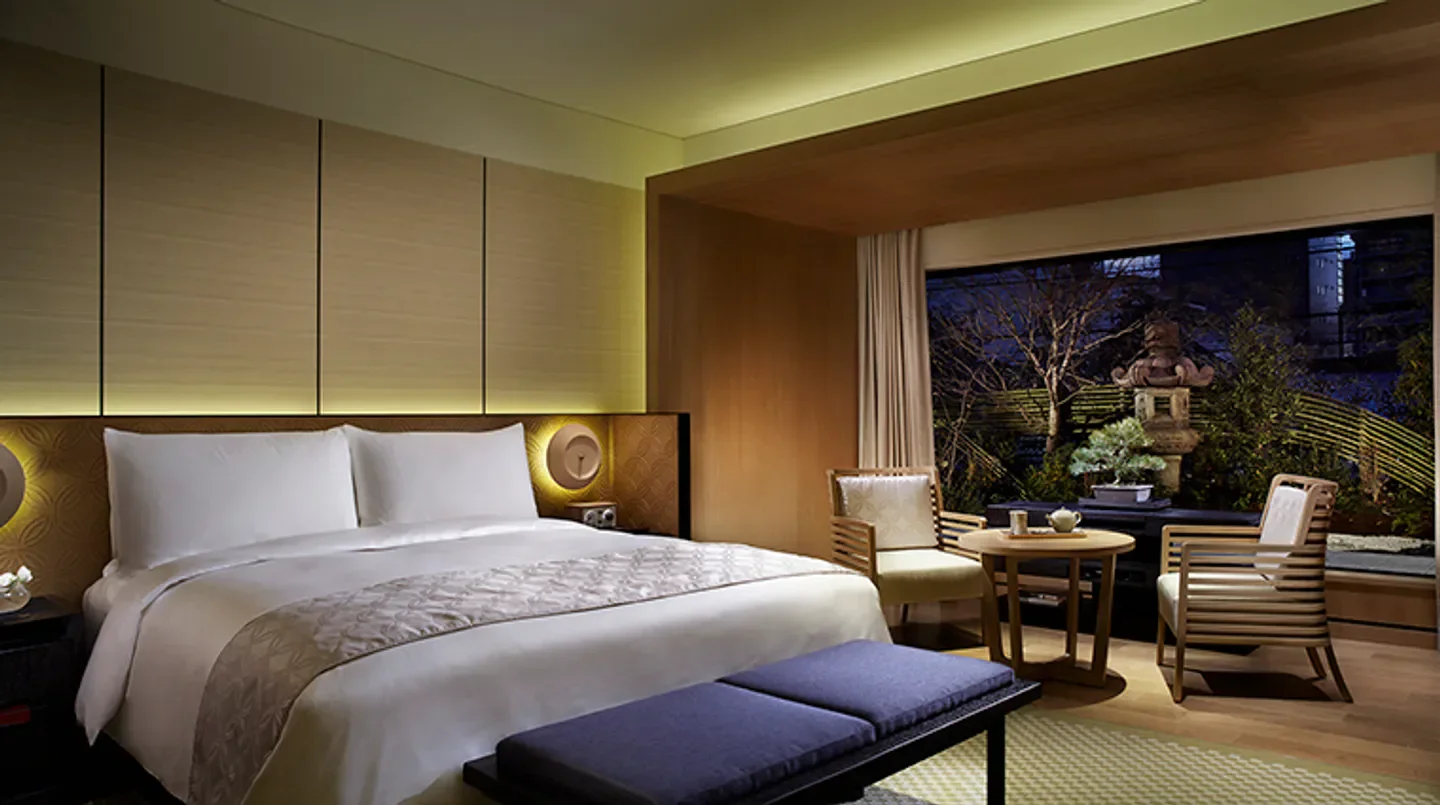
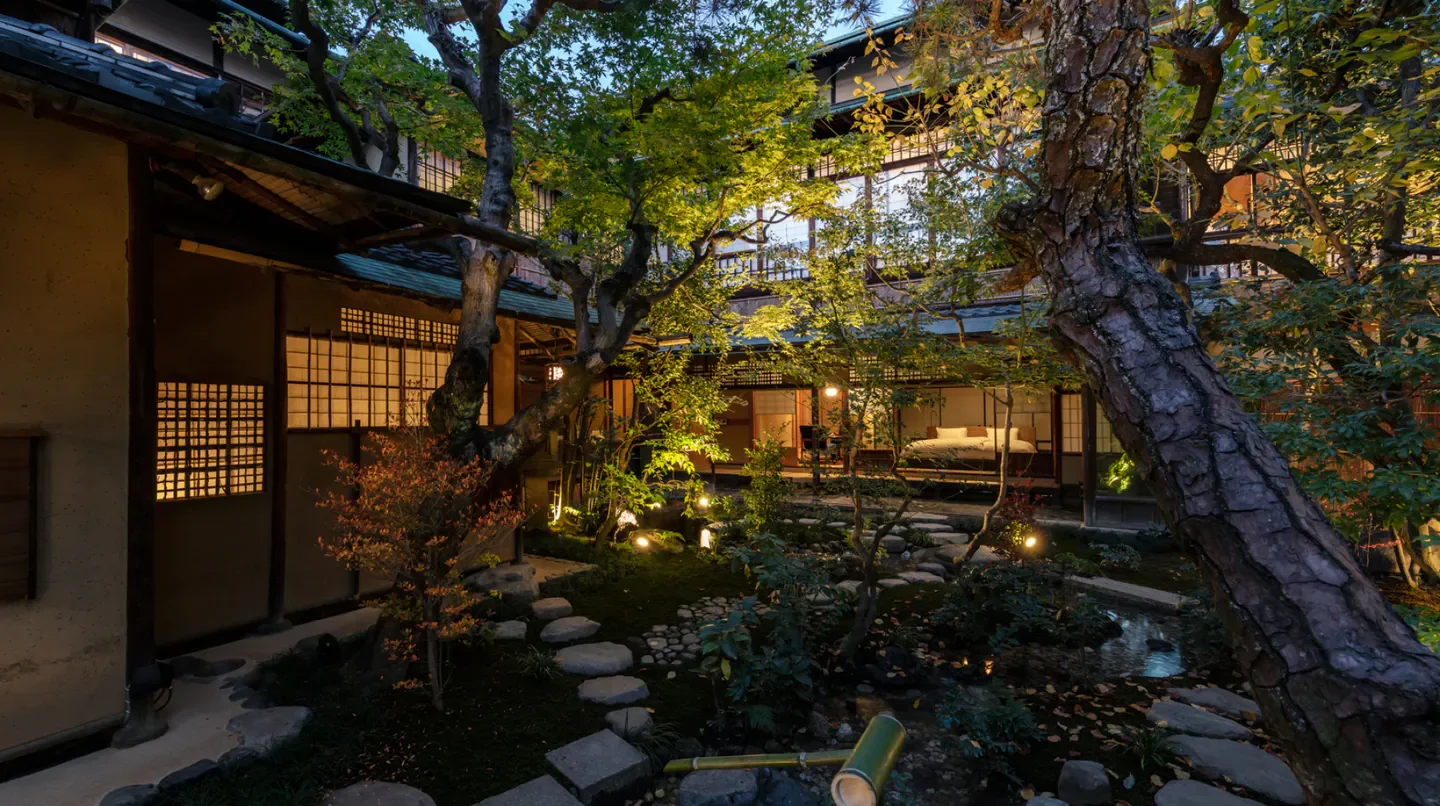
Kyoto hotels trade on the tension between the city’s rigid preservation codes and the modern requirement for large-scale hospitality. Unlike coastal resorts that expand toward the horizon, these properties must negotiate with centuries-old urban density. Developers often integrate internal gardens to insulate rooms from the narrow, grid-locked streets outside, prioritizing inward-facing tranquility over outward aesthetic expansion.
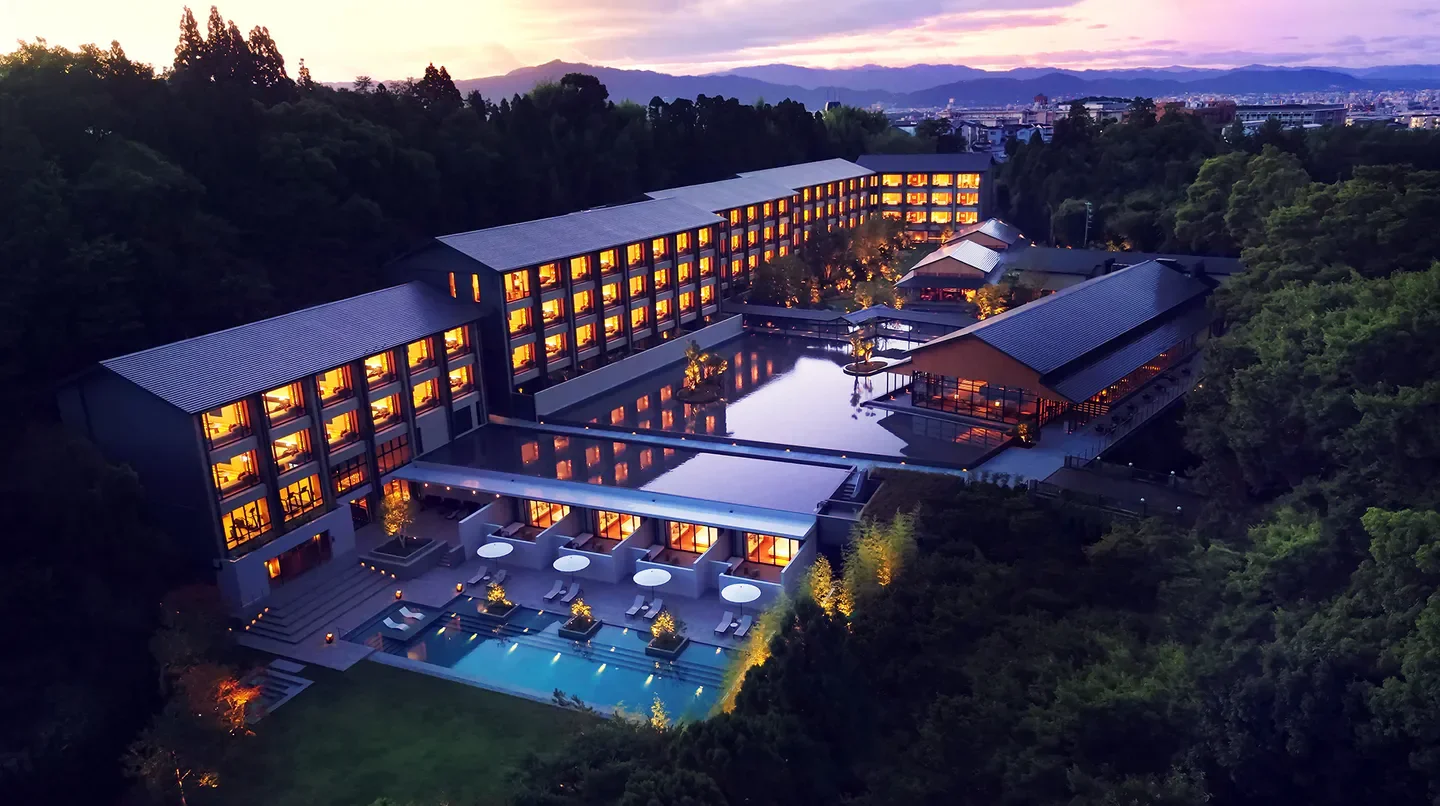
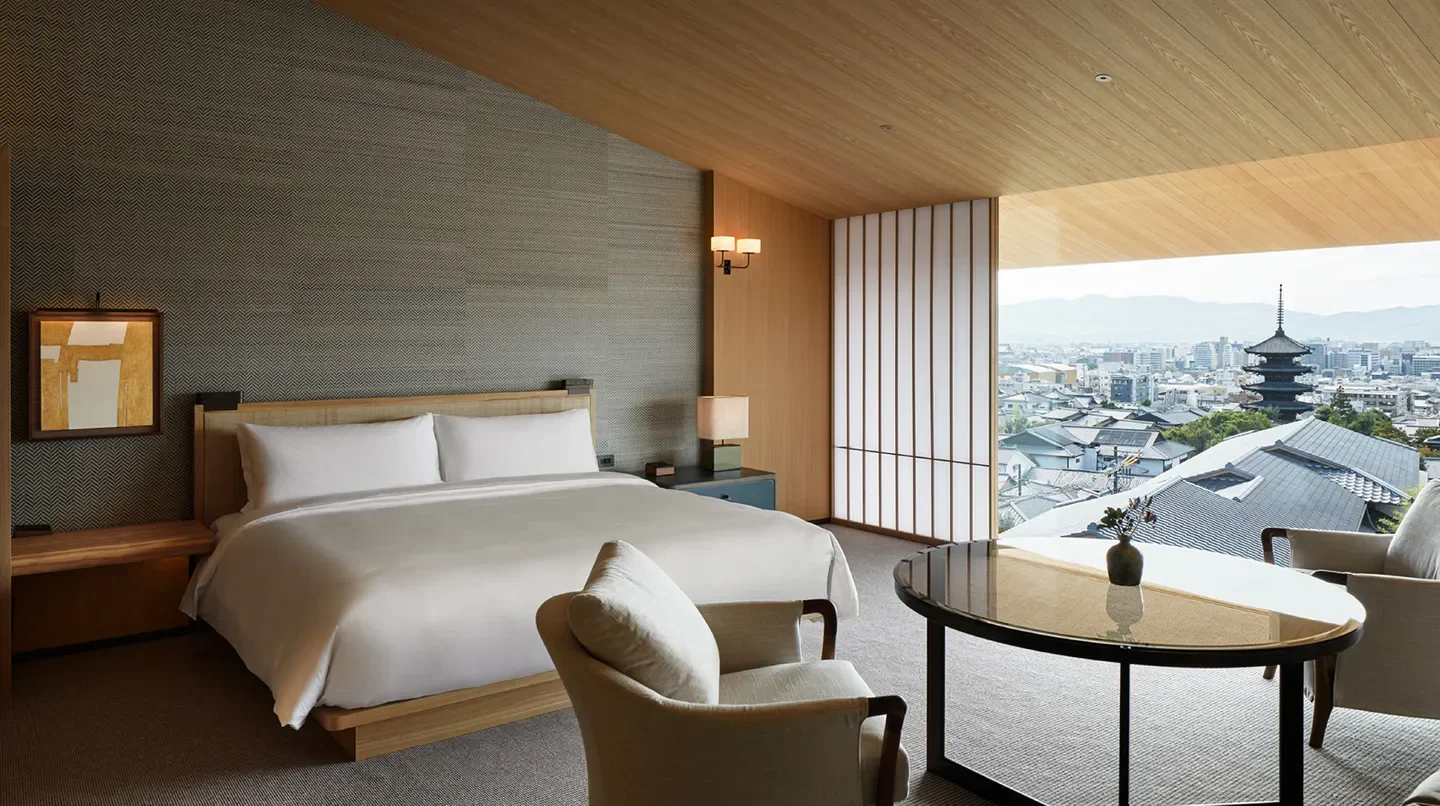
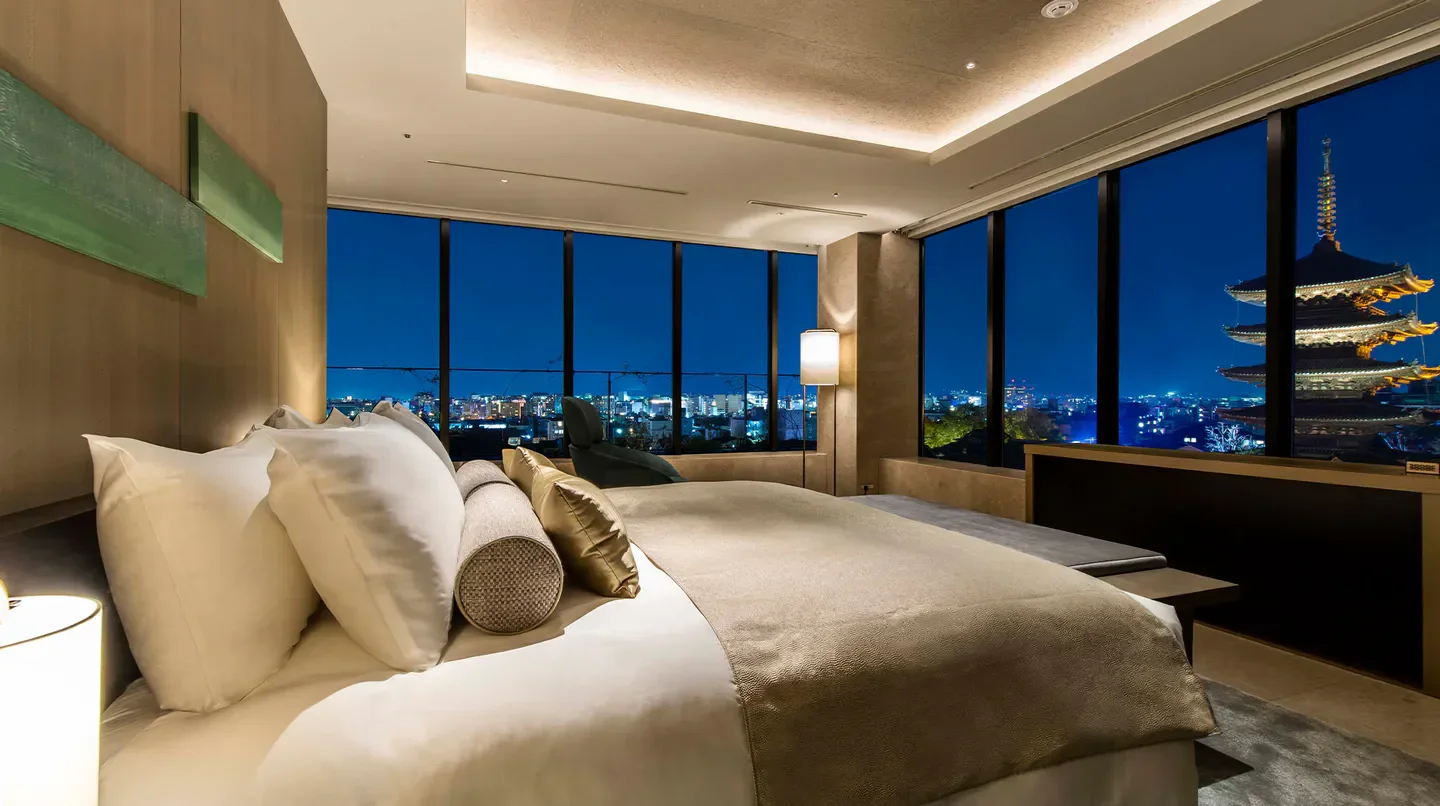
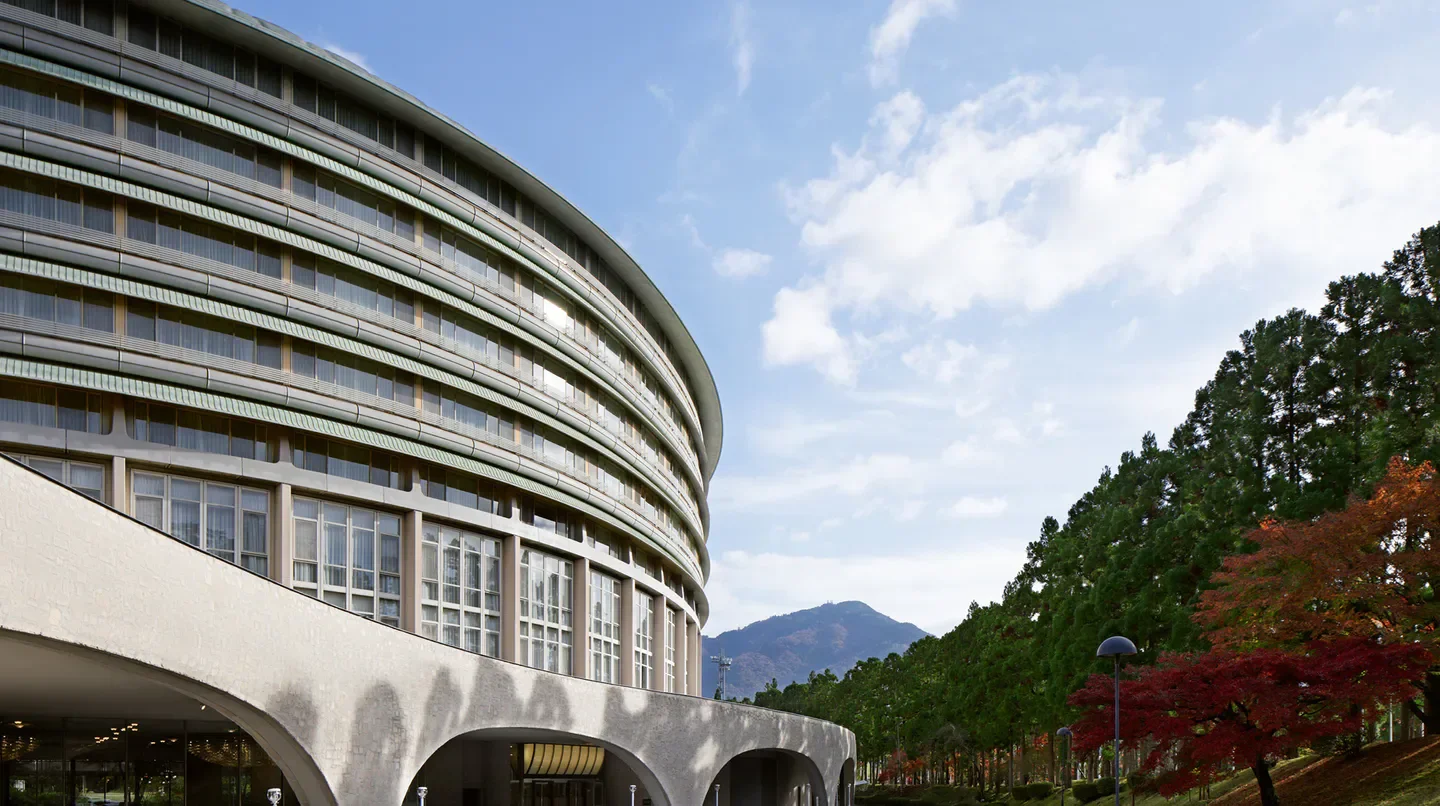
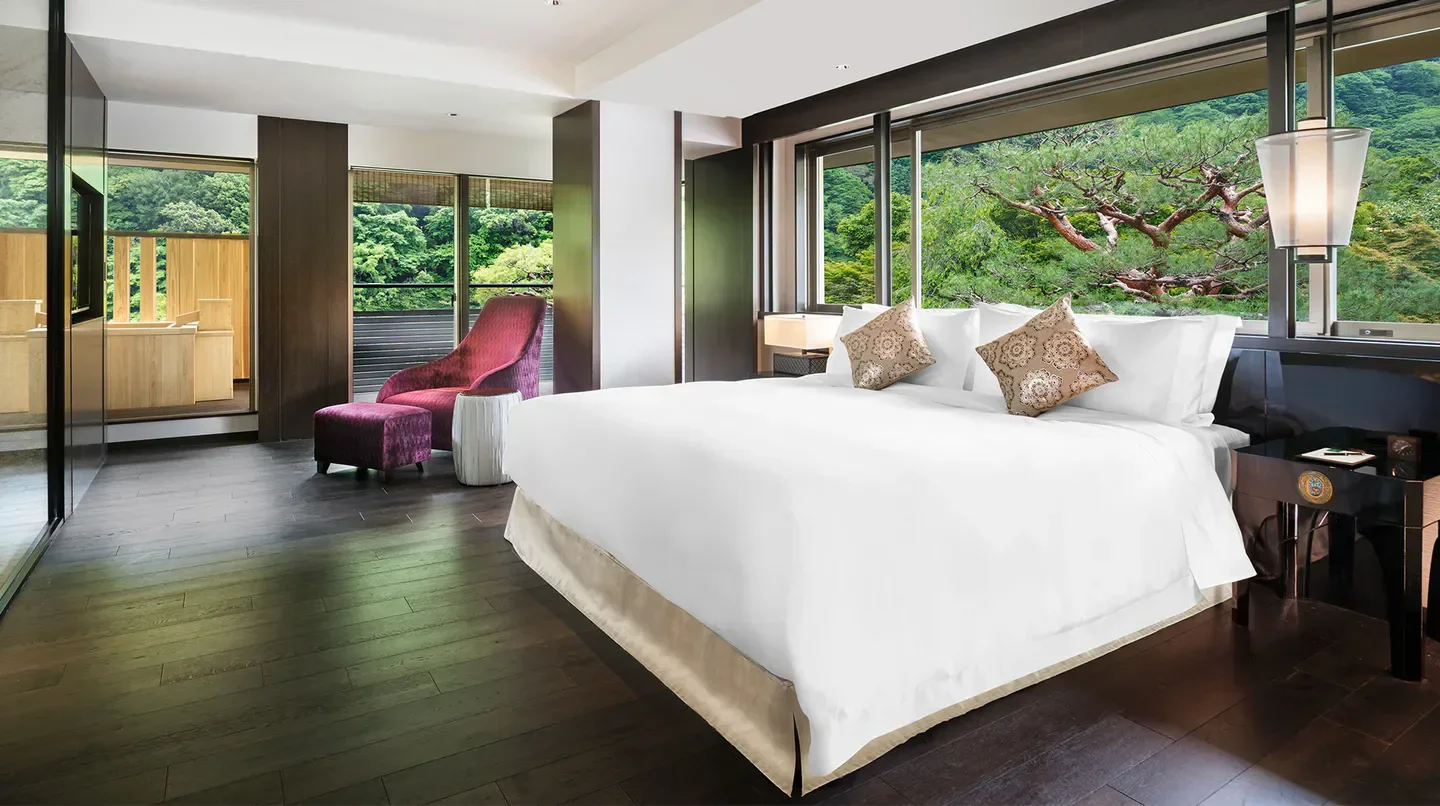
The city splits into distinct zones based on proximity to the Kamo River and the hillsides. Near the Higashiyama district, Park Hyatt Kyoto offers direct access to the sloped stone paths of Ninenzaka, making it the choice for travelers who prefer to walk to heritage sites before the morning crowds arrive. By the river in Nakagyo-ku, The Ritz-Carlton, Kyoto utilizes its water-front positioning to anchor a more central, urban-facing experience. Further north near the lush greenery of the Rakuhoku area, ROKU KYOTO, LXR Hotels & Resorts provides a retreat for those seeking the quiet atmosphere of the northern mountains.
Timing in Kyoto depends less on the day of the week and more on the sudden influx of seasonal visitors. Spring blossoms and autumn foliage create periods of intense density that render popular districts difficult to navigate. Weekends generally bring high volume to the city center, regardless of the season. We track these shifts in visitor density to help you choose when to move between the quiet mountain peripheries and the busier temple corridors.
Kyoto Hotels FAQ