
The Best Restaurants in Kyoto
Plan Your Experience
The Kyoto Restaurants Edit
The Experience
Kyoto Restaurants Unlocked
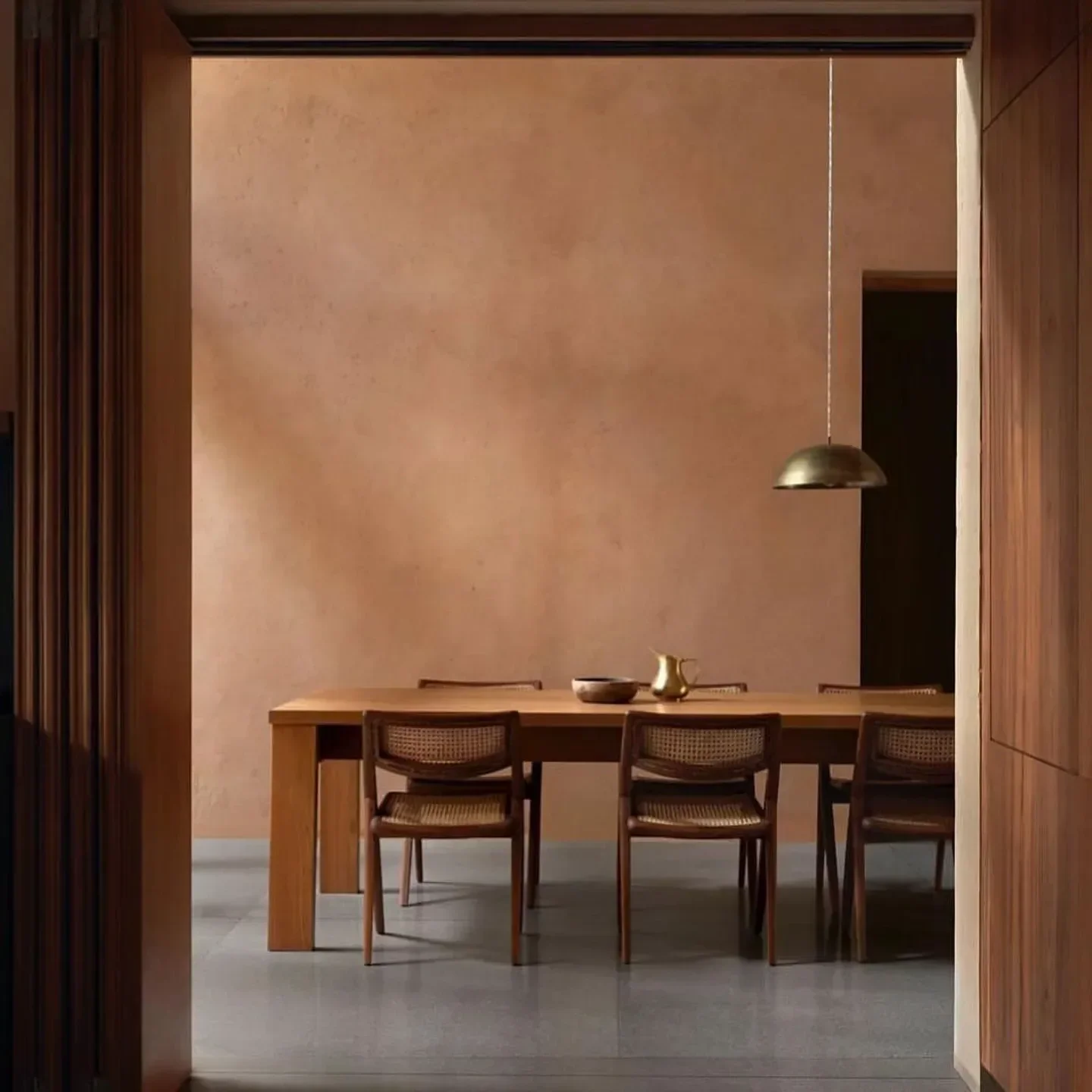
Kyoto dining revolves around the discipline of the seasons, where the menu shifts to reflect the exact harvest of the Kamo river basin. Unlike cities that prioritize constant innovation, Kyoto preserves techniques that prioritize the integrity of local ingredients, resulting in a rhythm defined by the micro-shifts in climate.
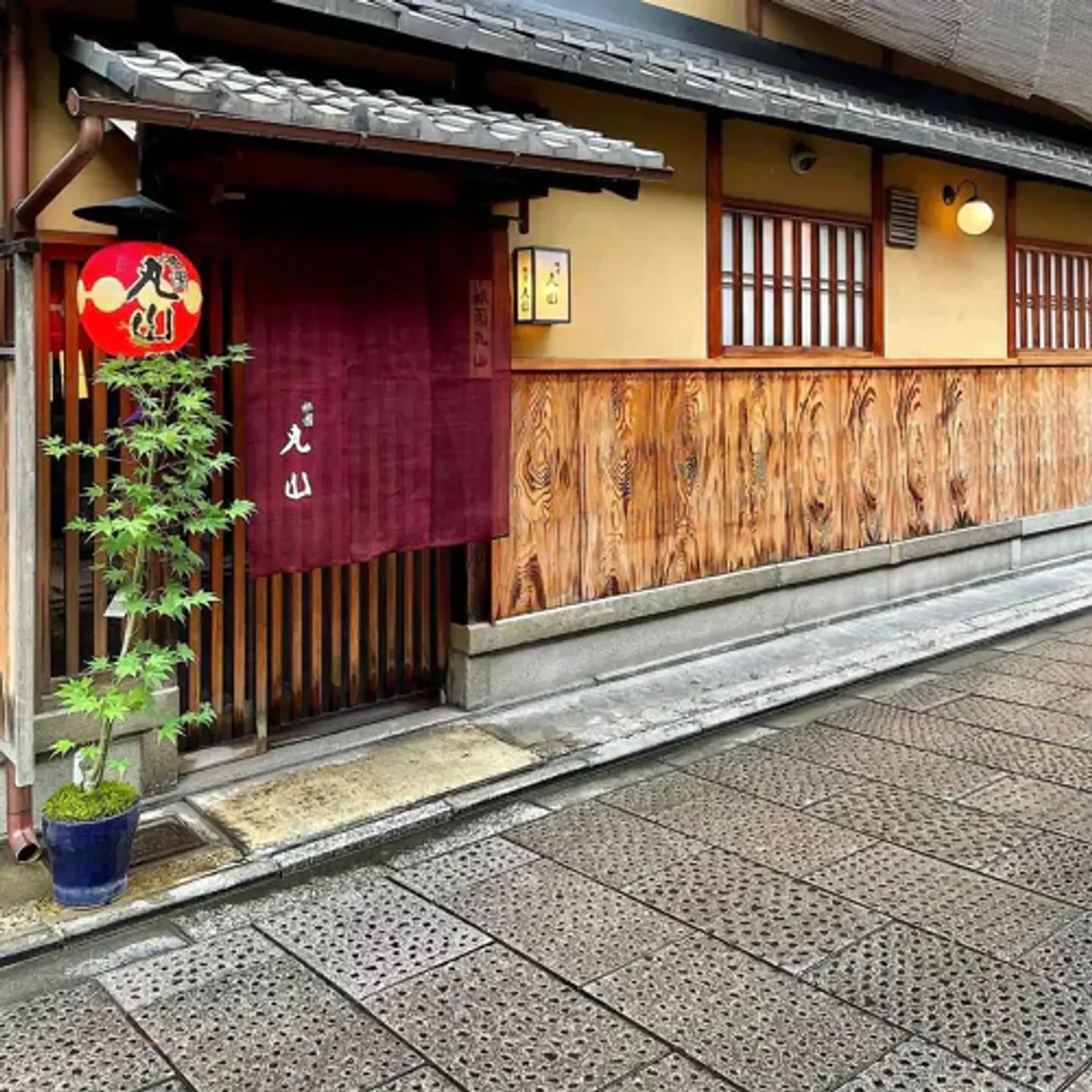
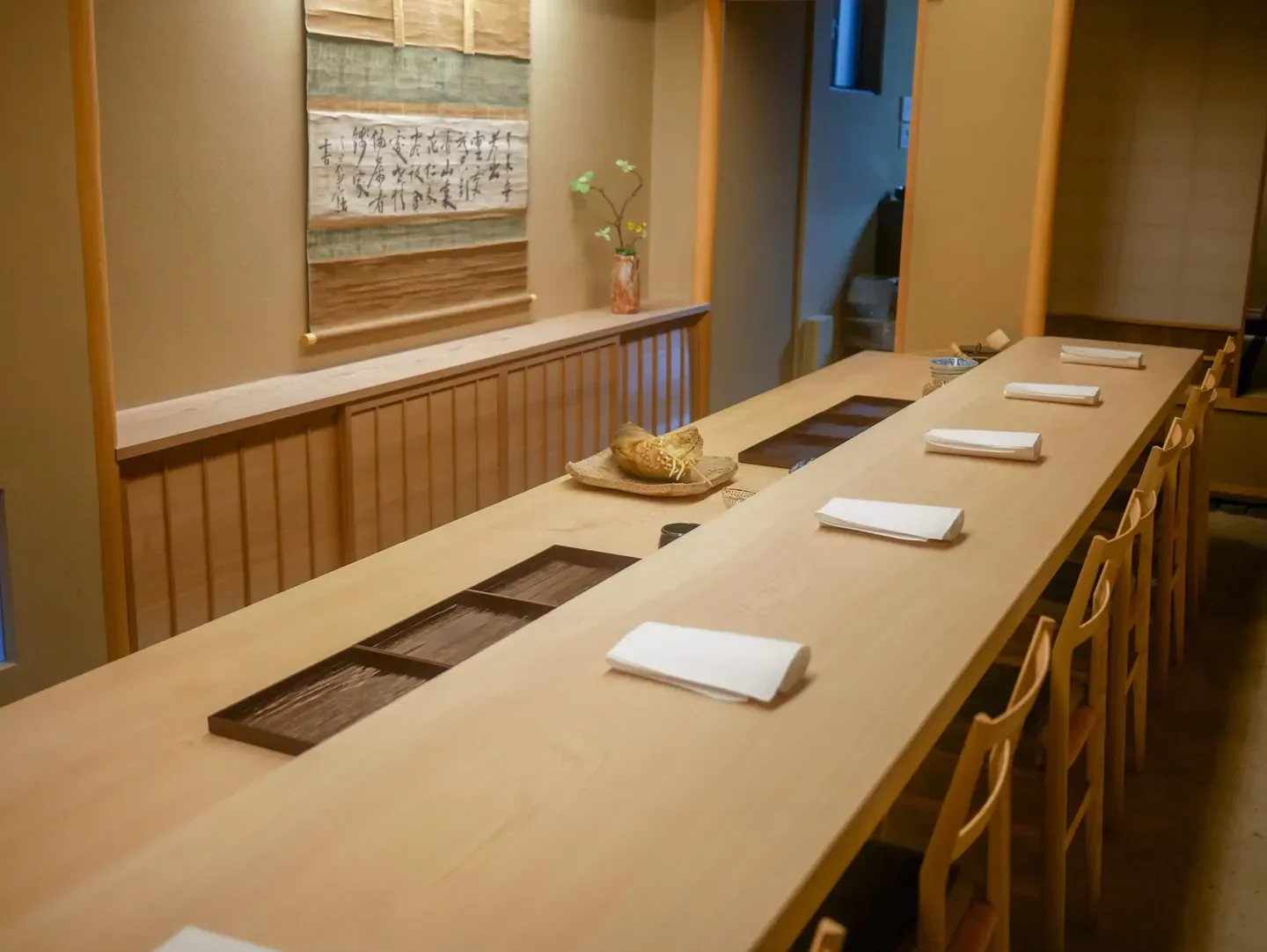
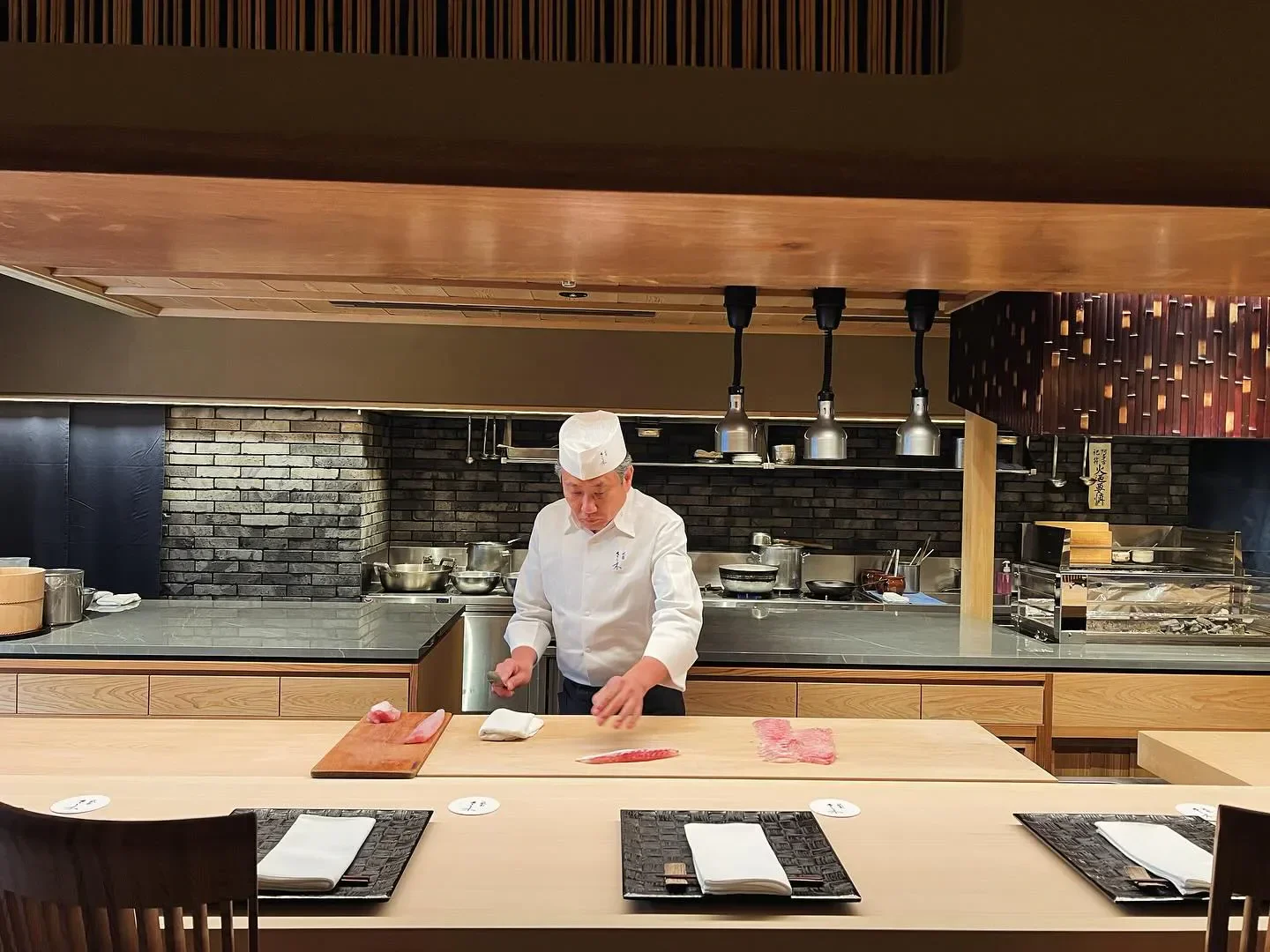
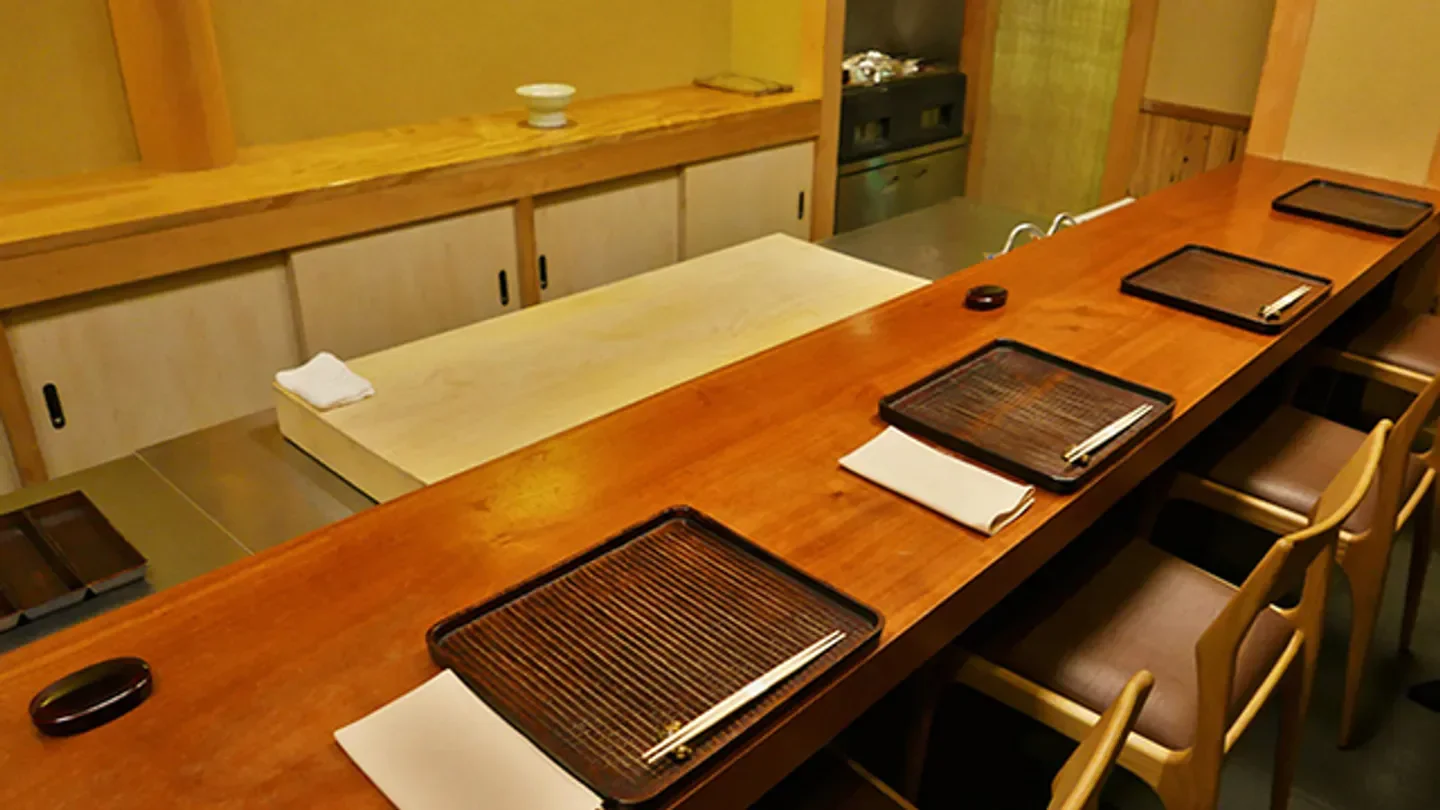
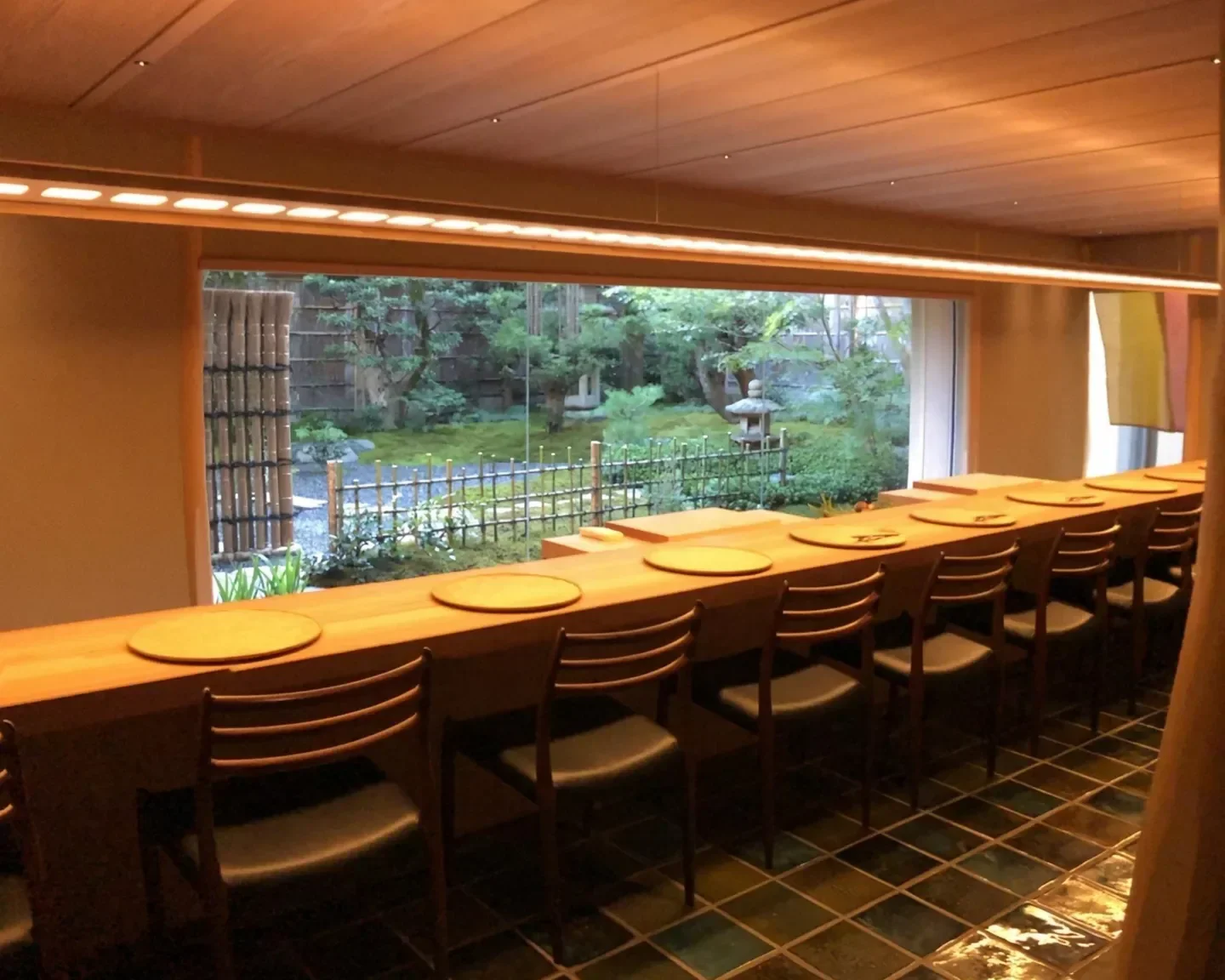
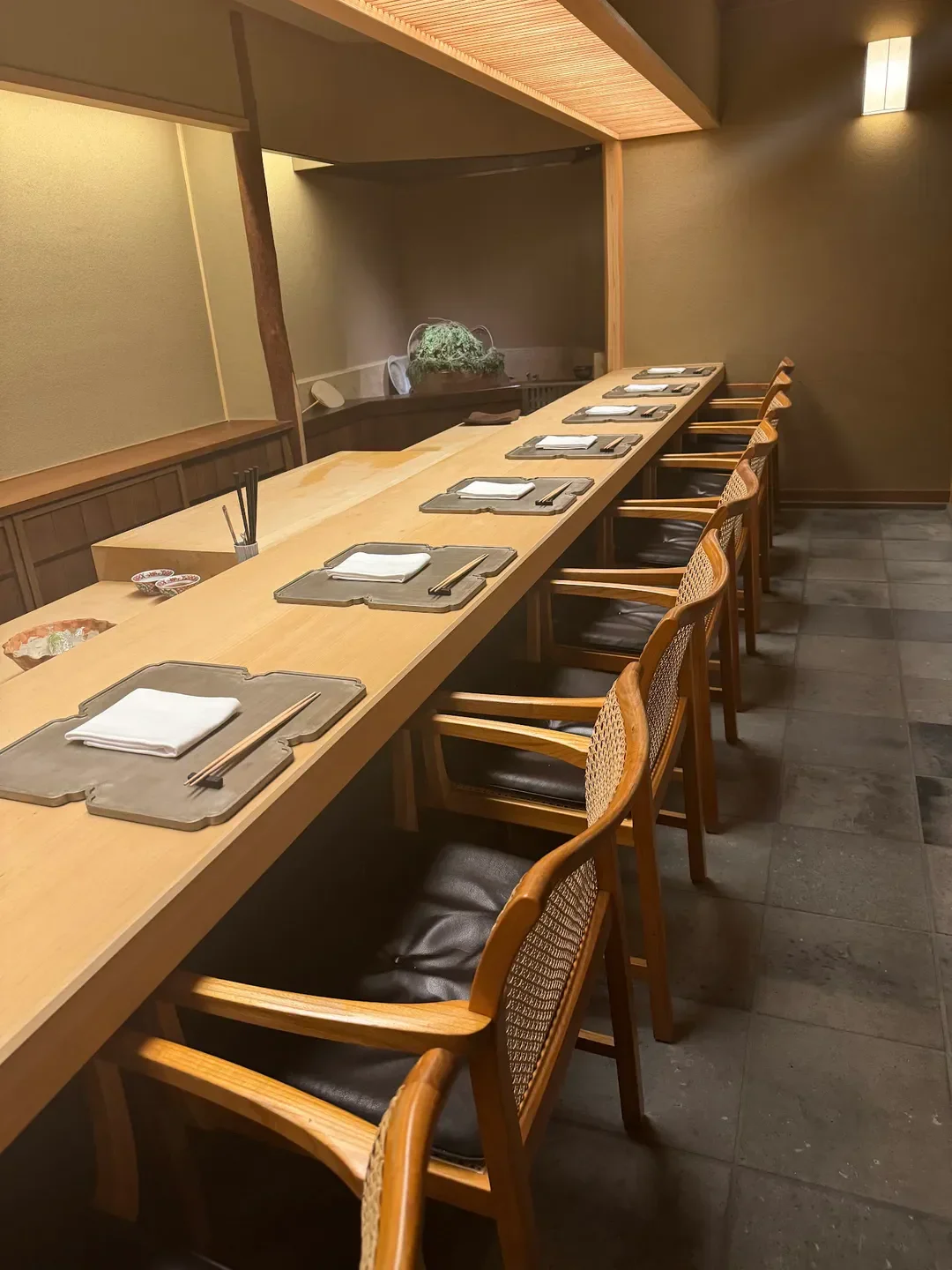
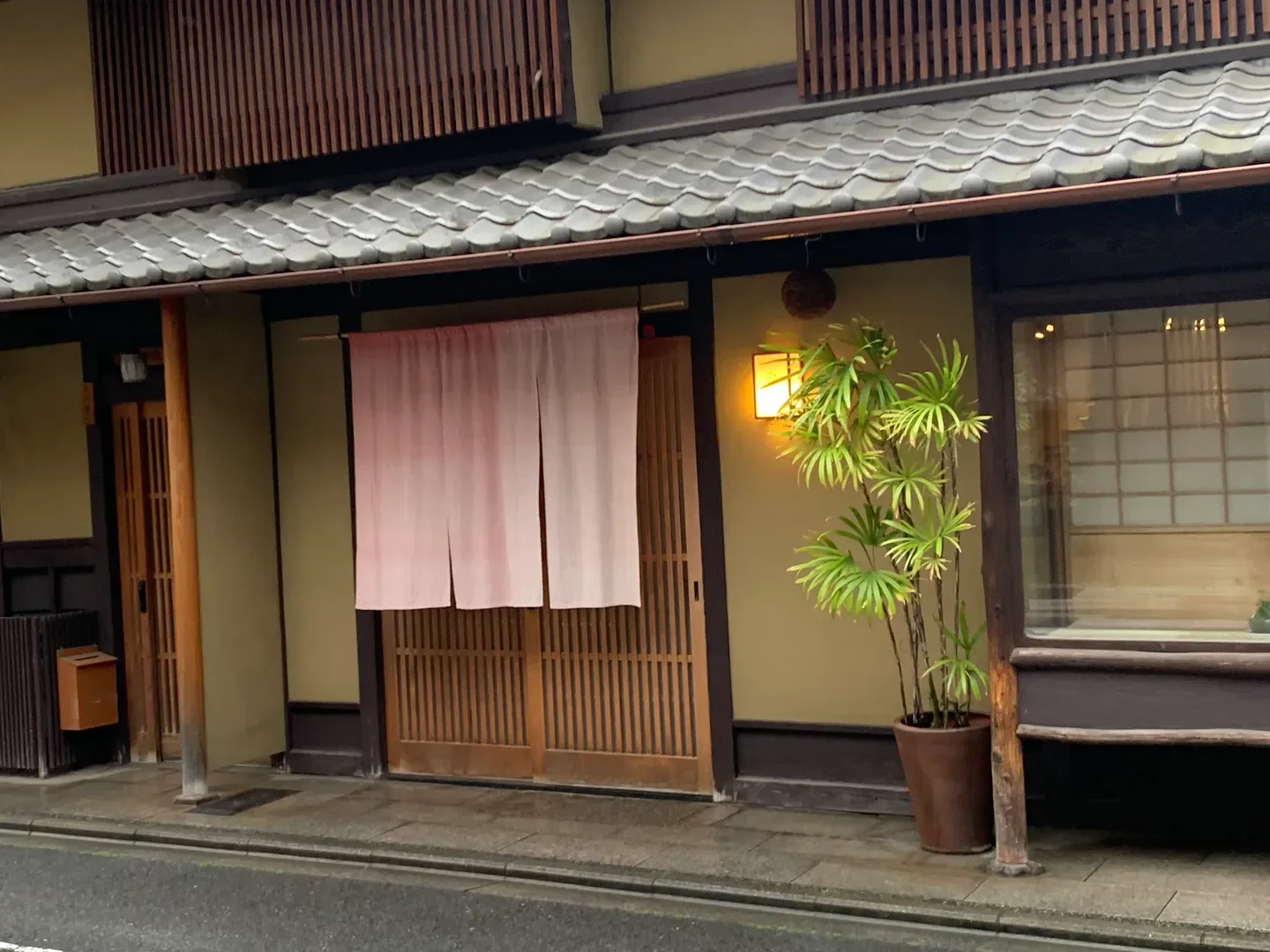
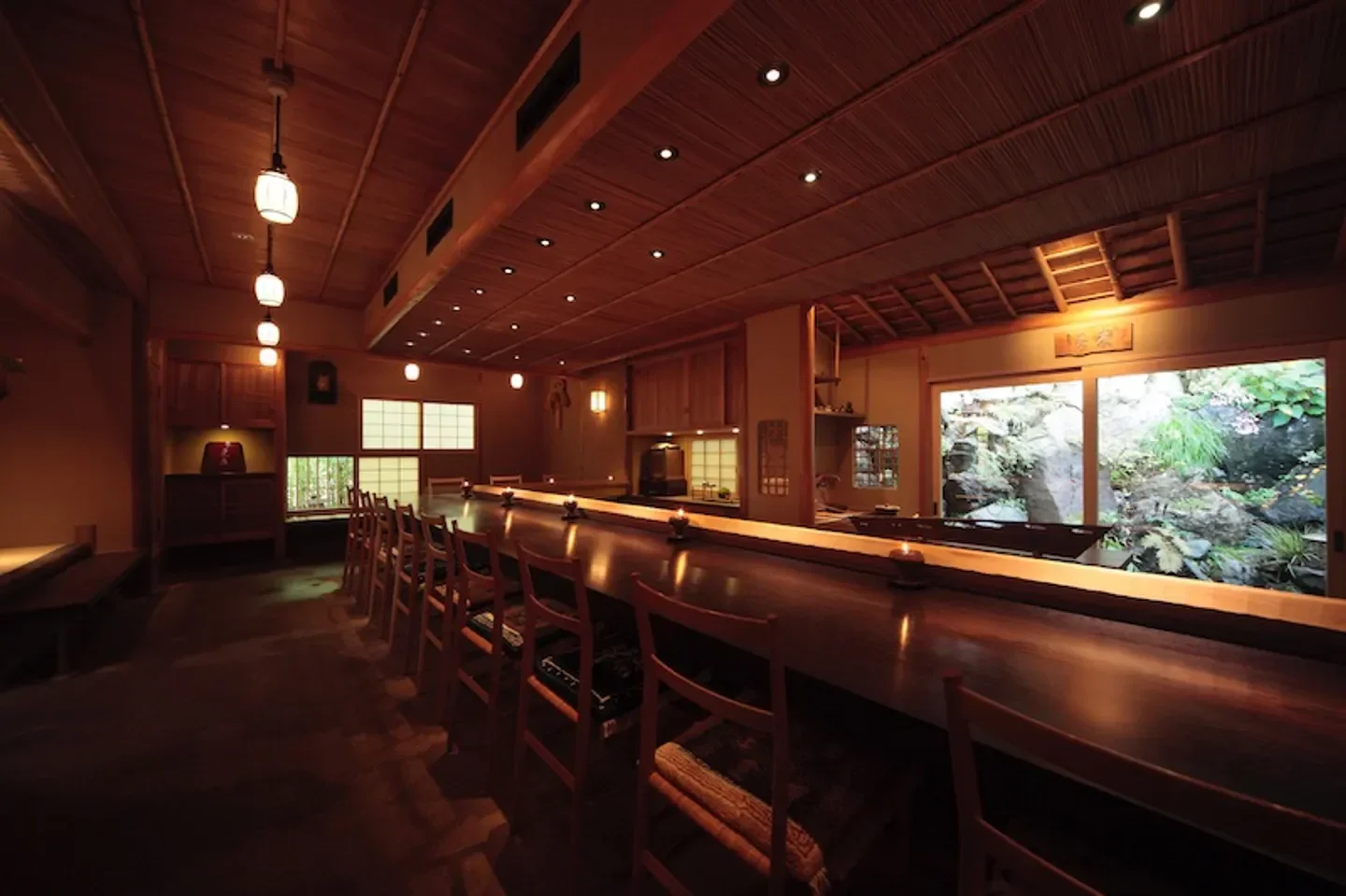
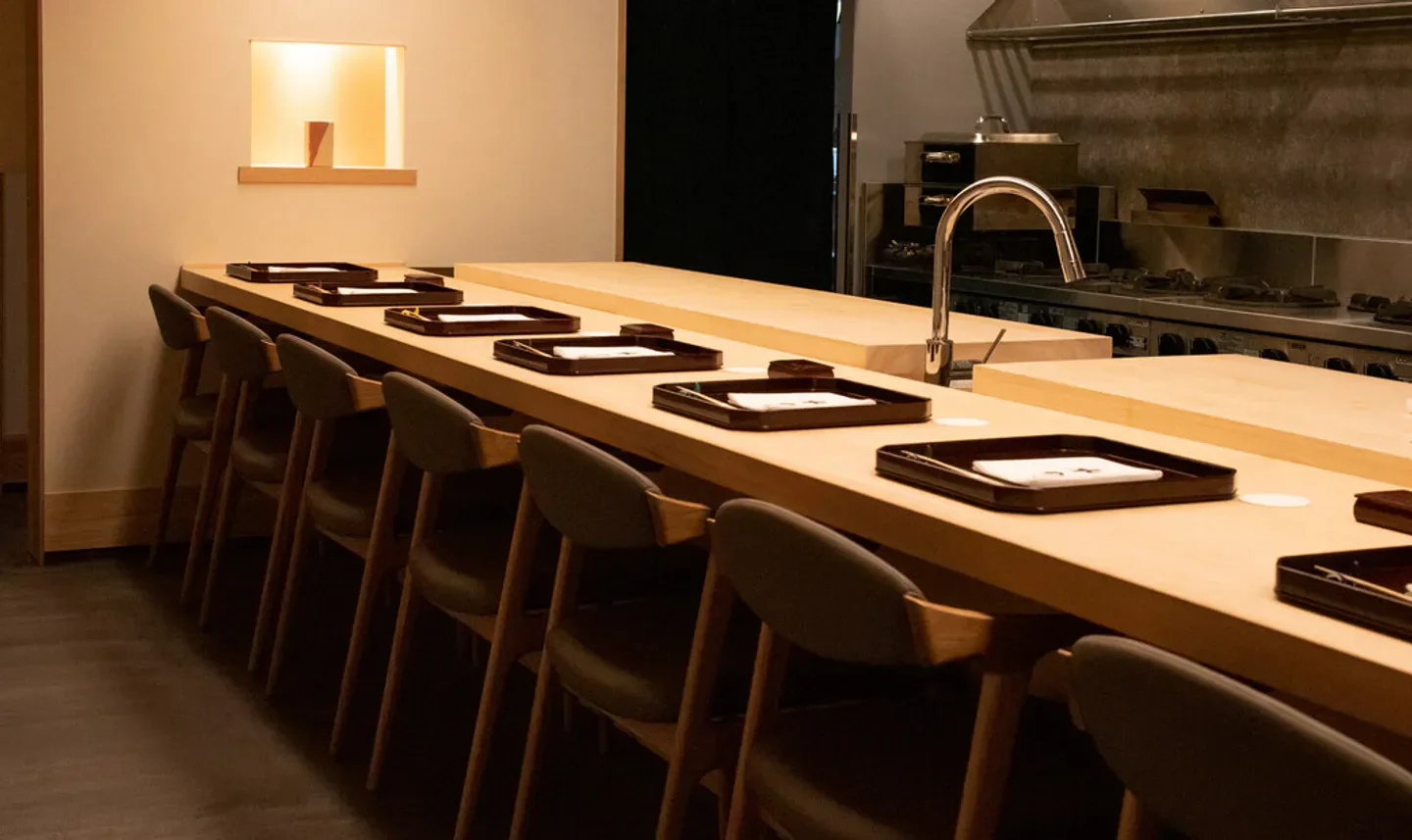
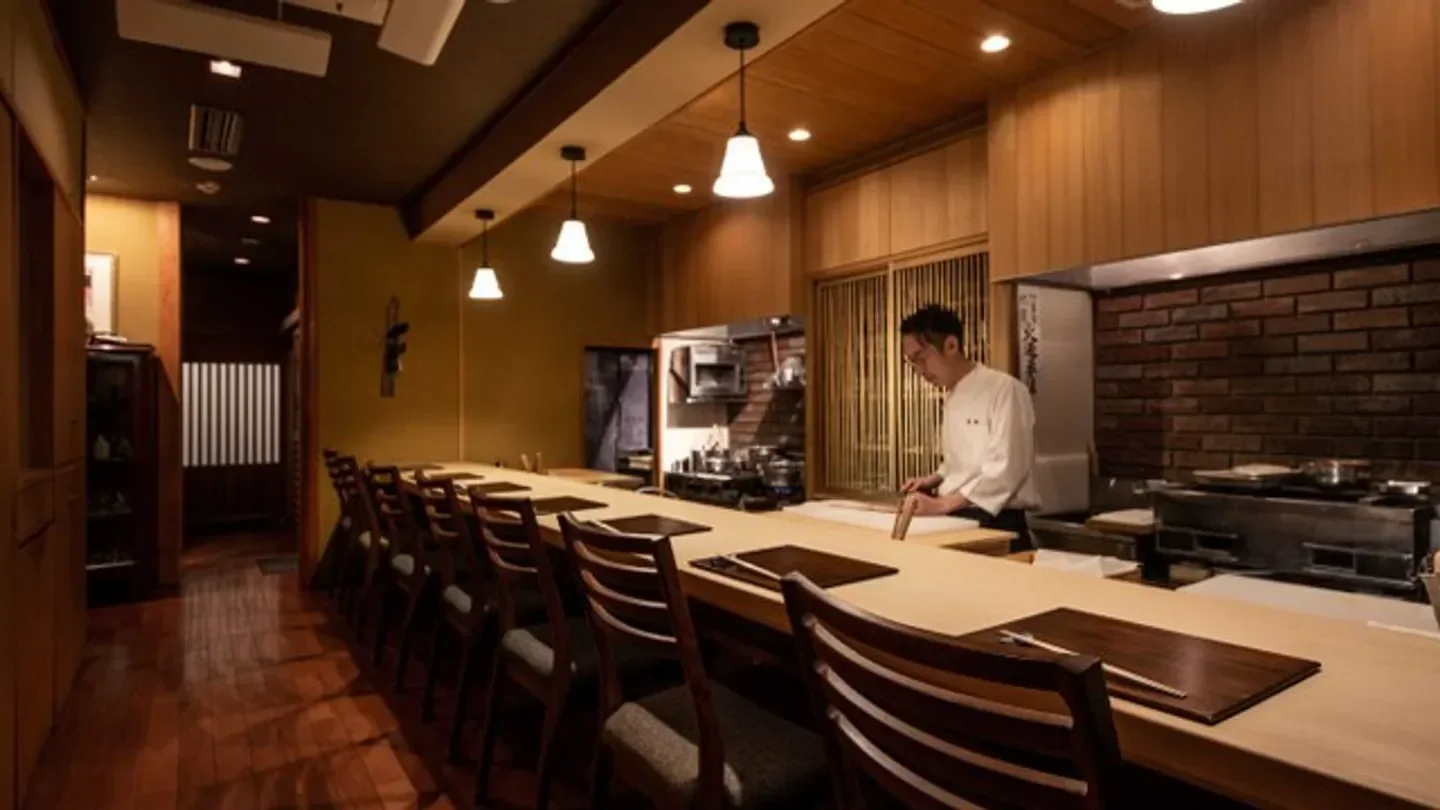
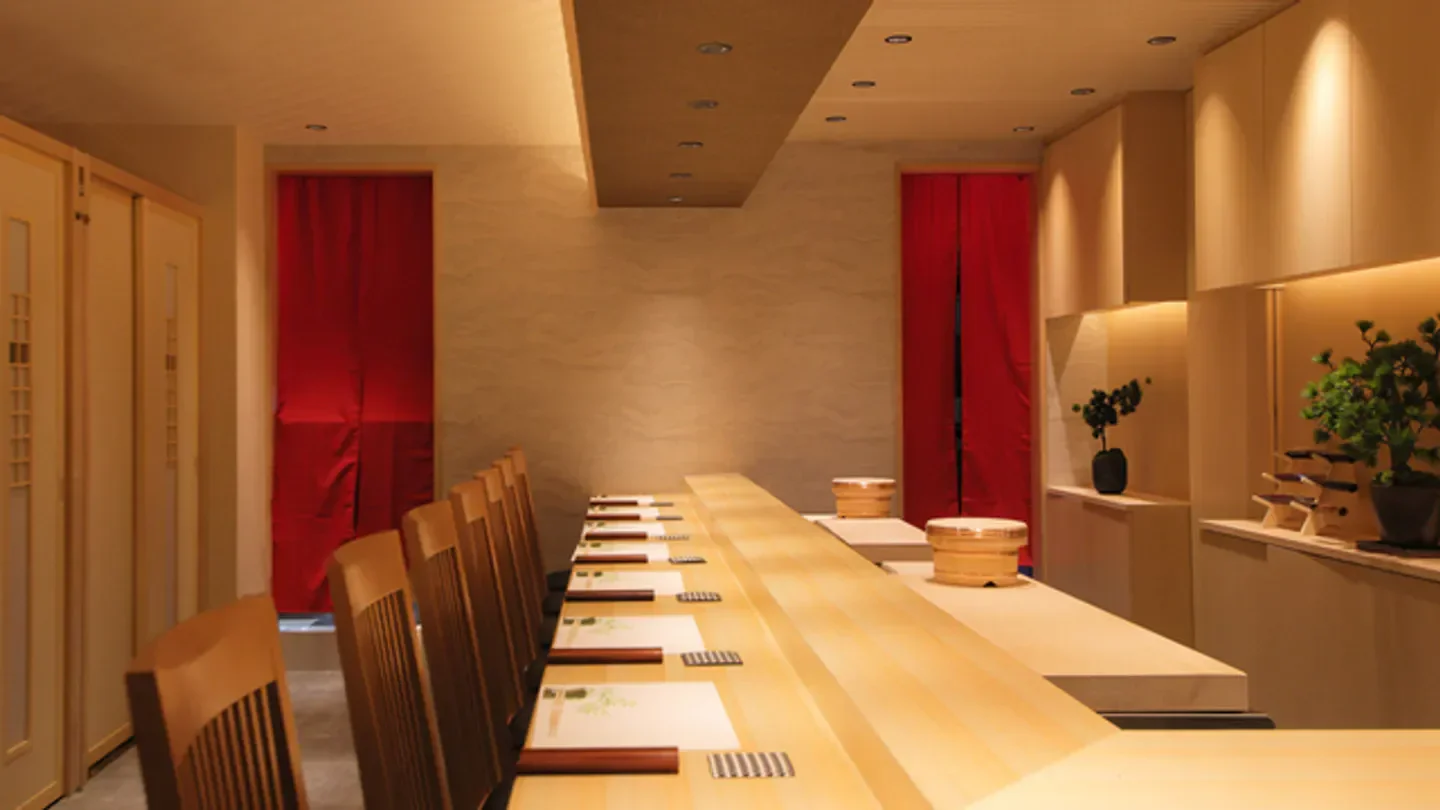
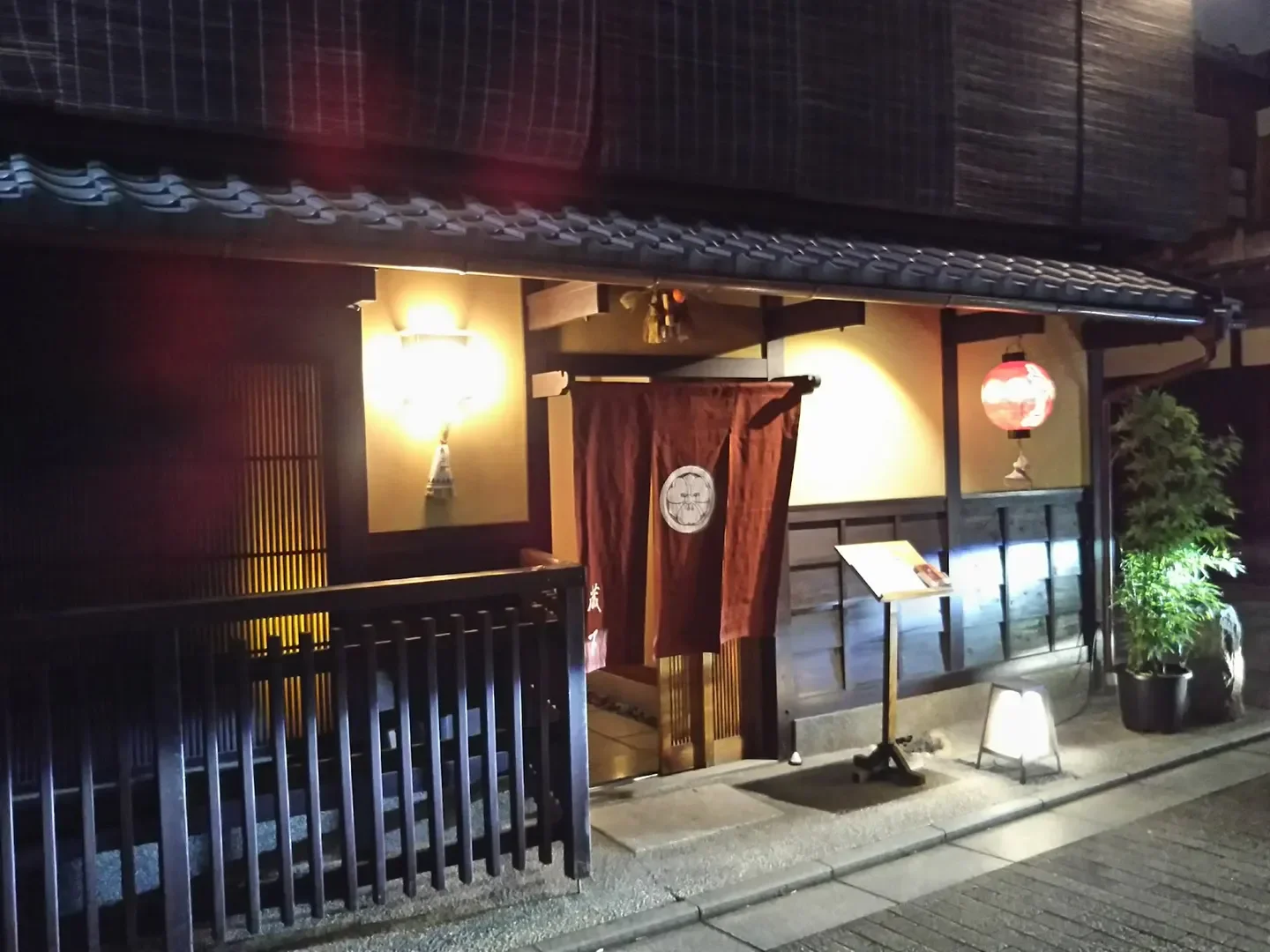
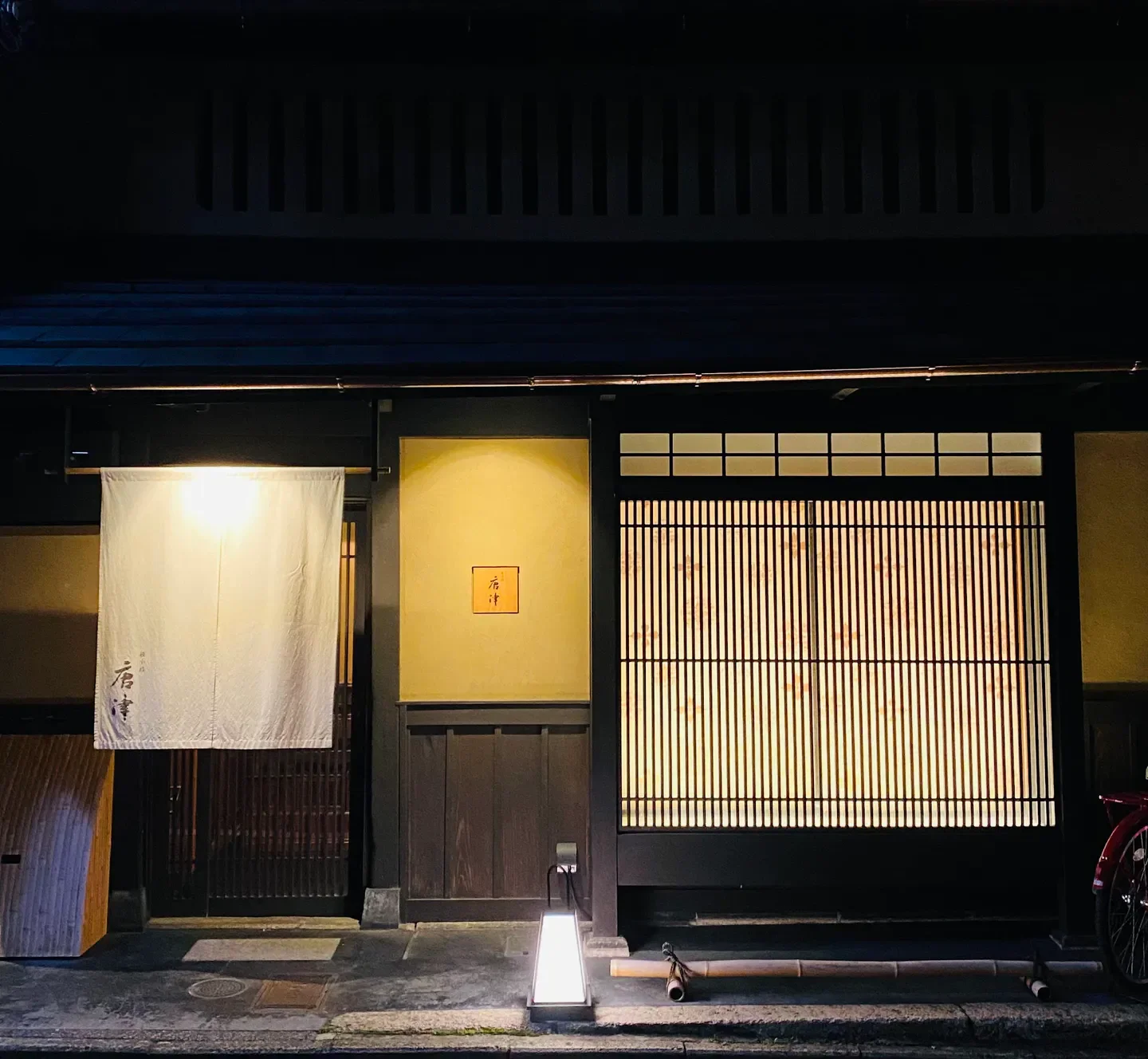
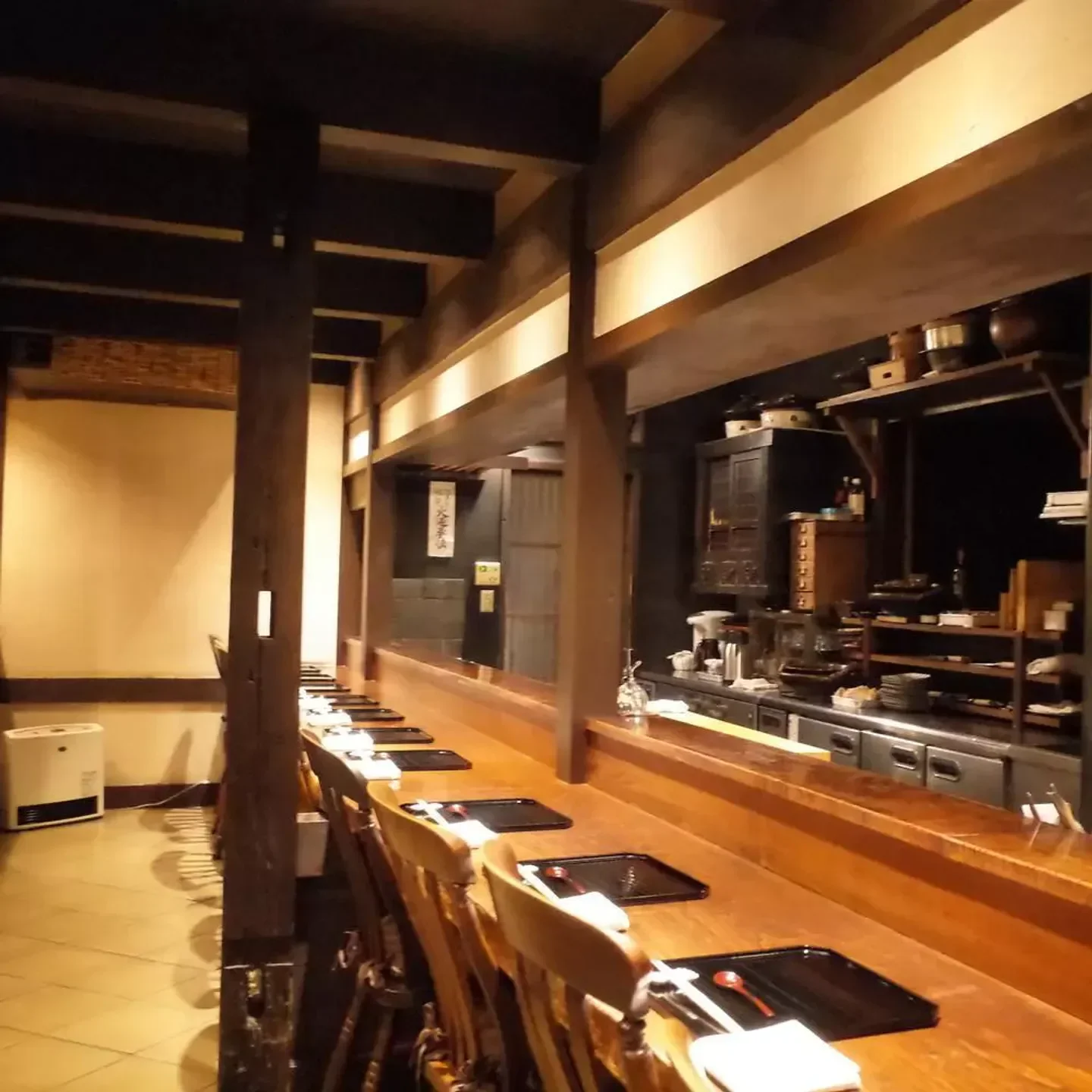
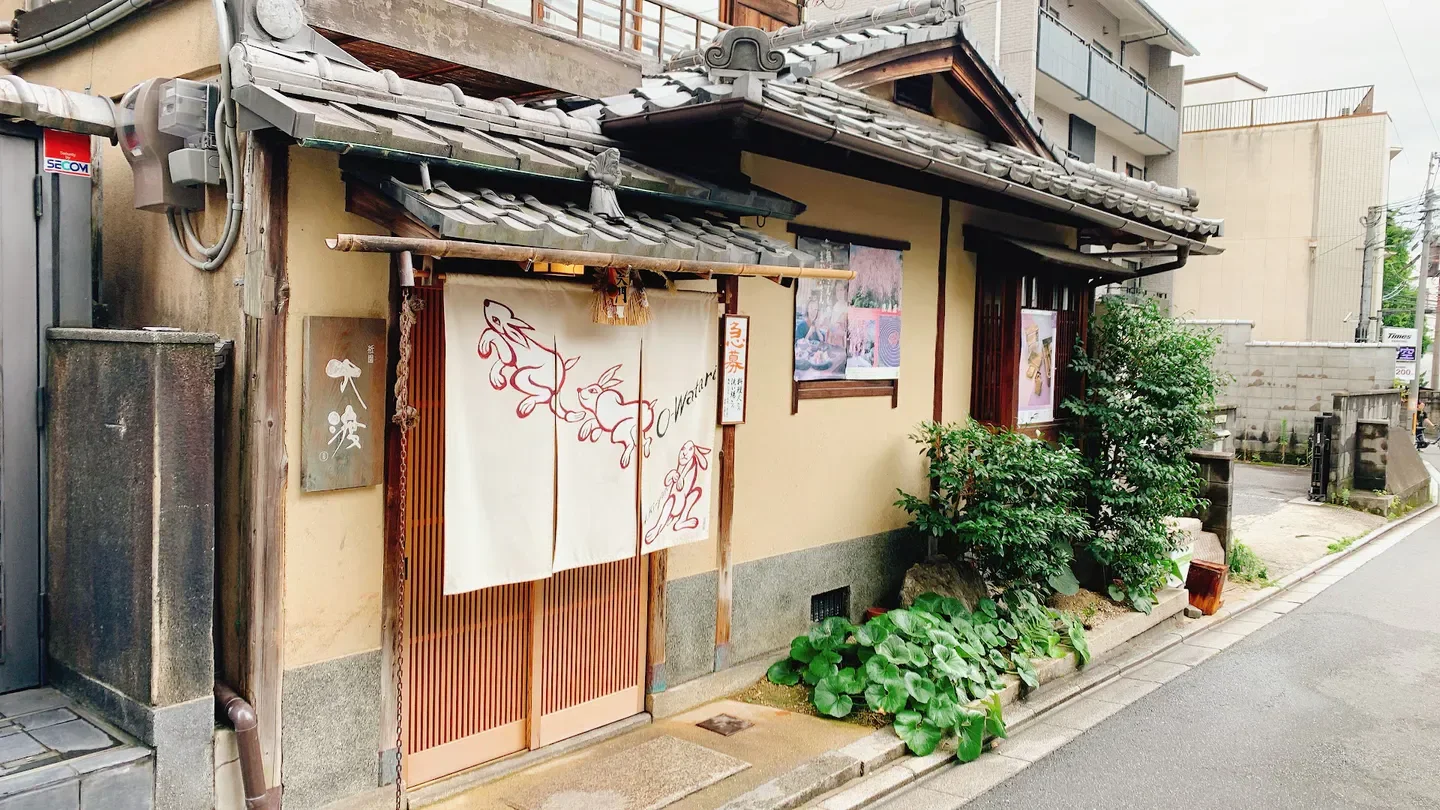
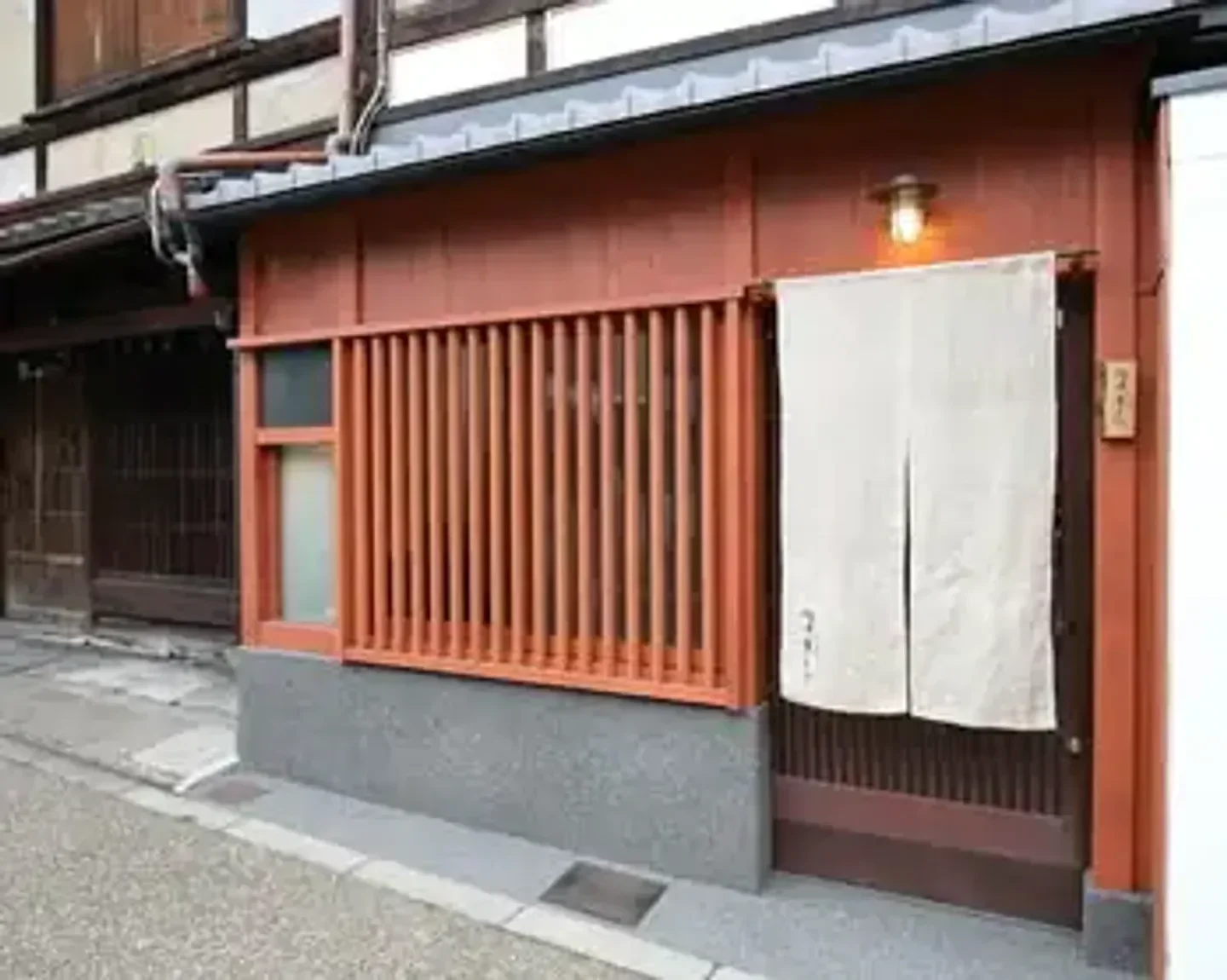
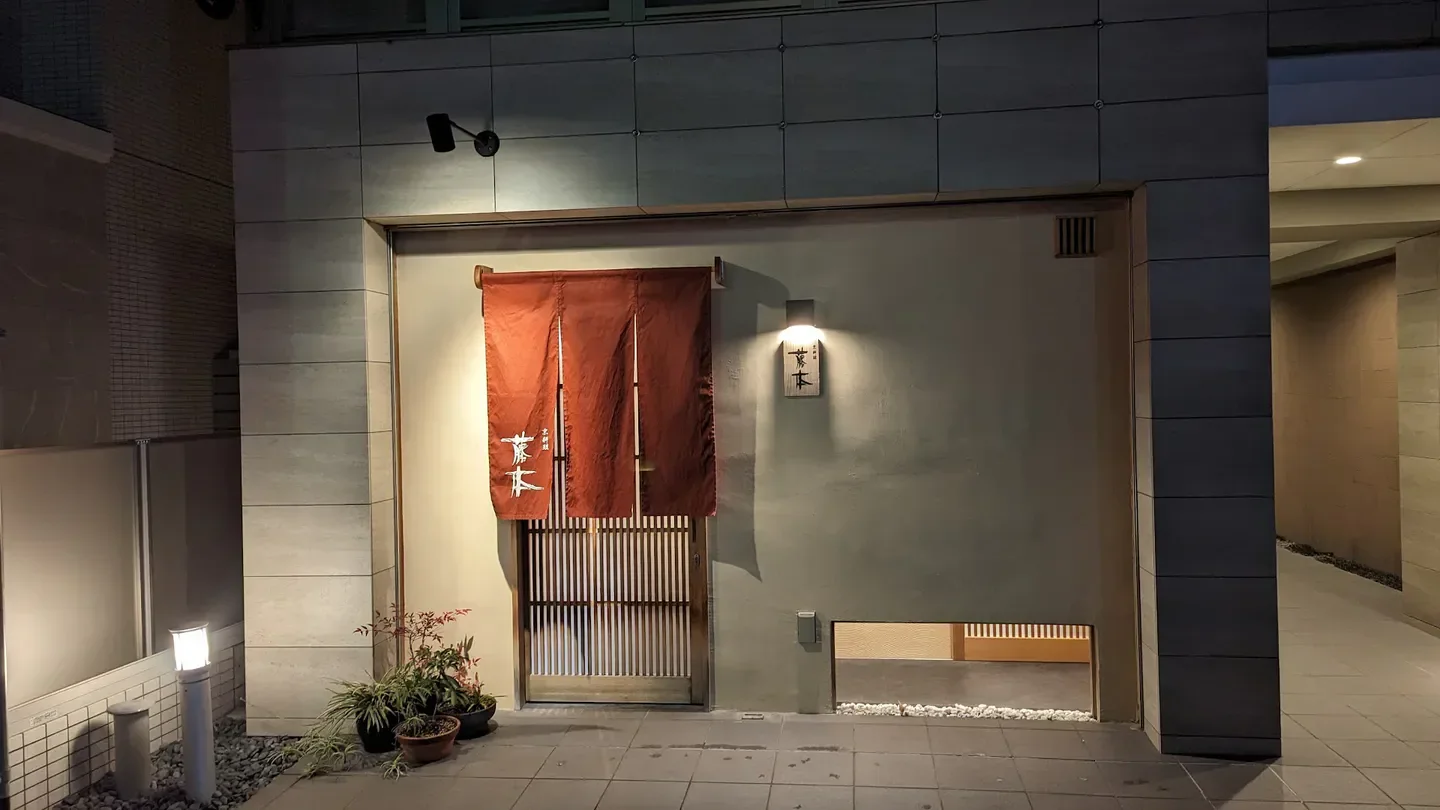
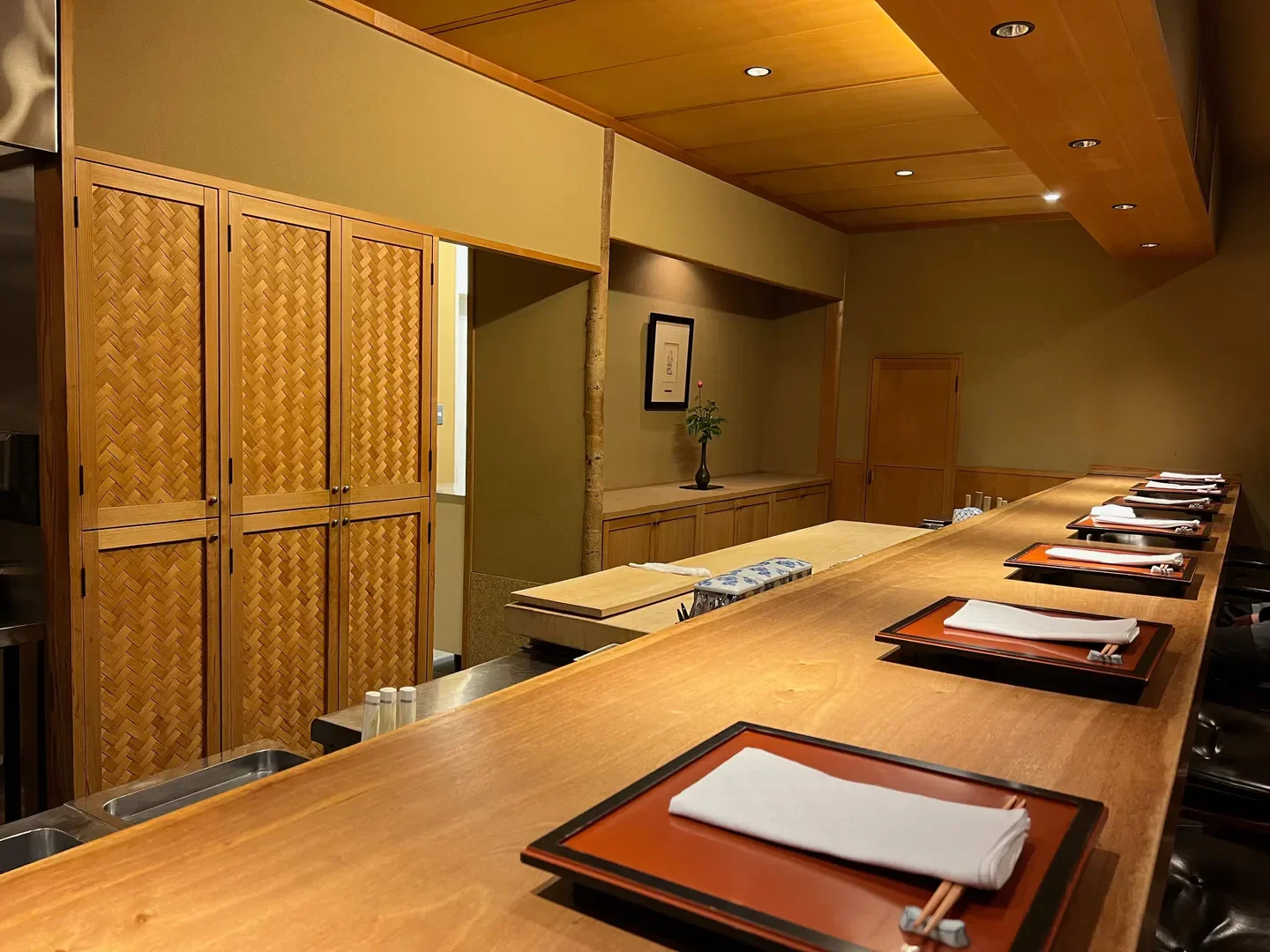
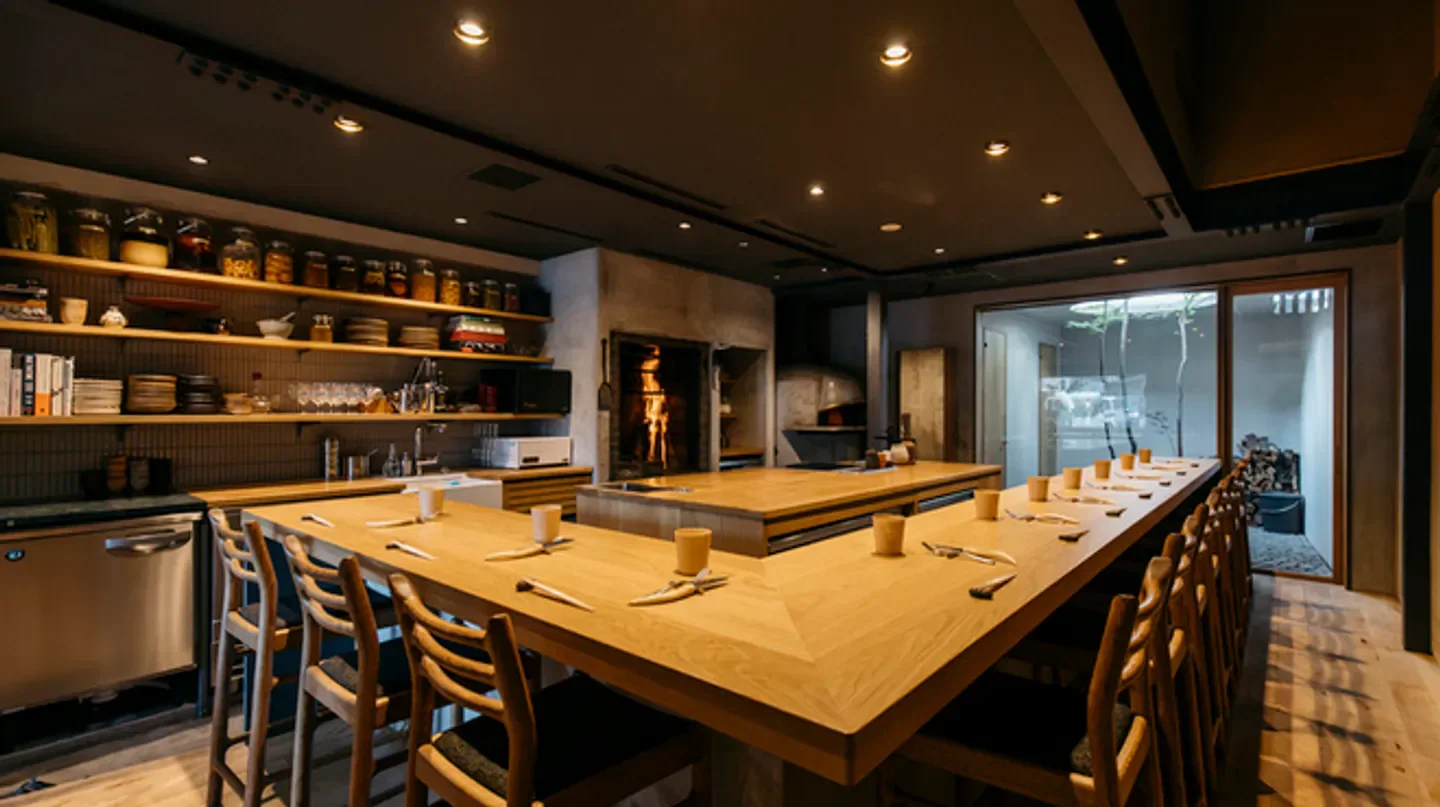
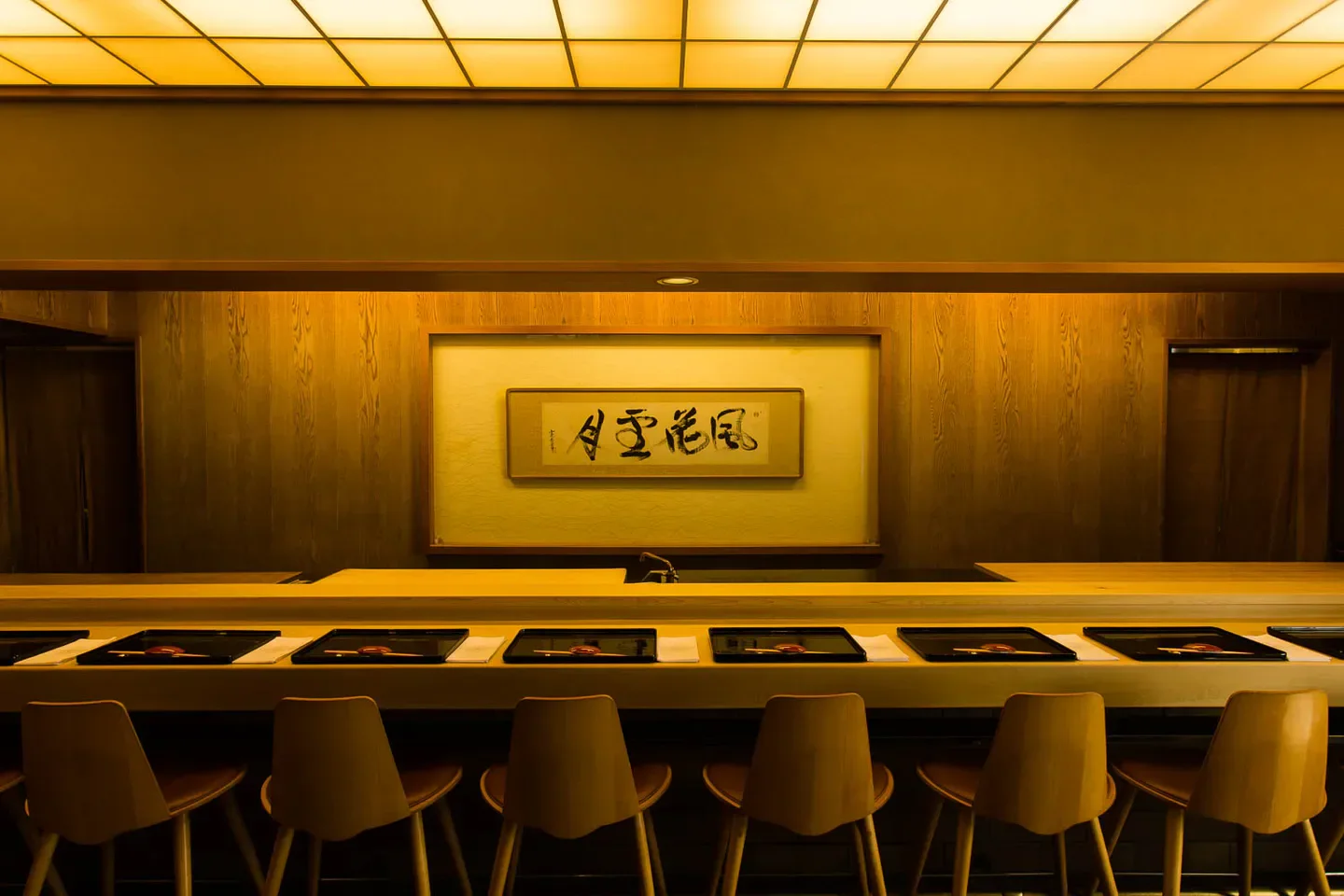
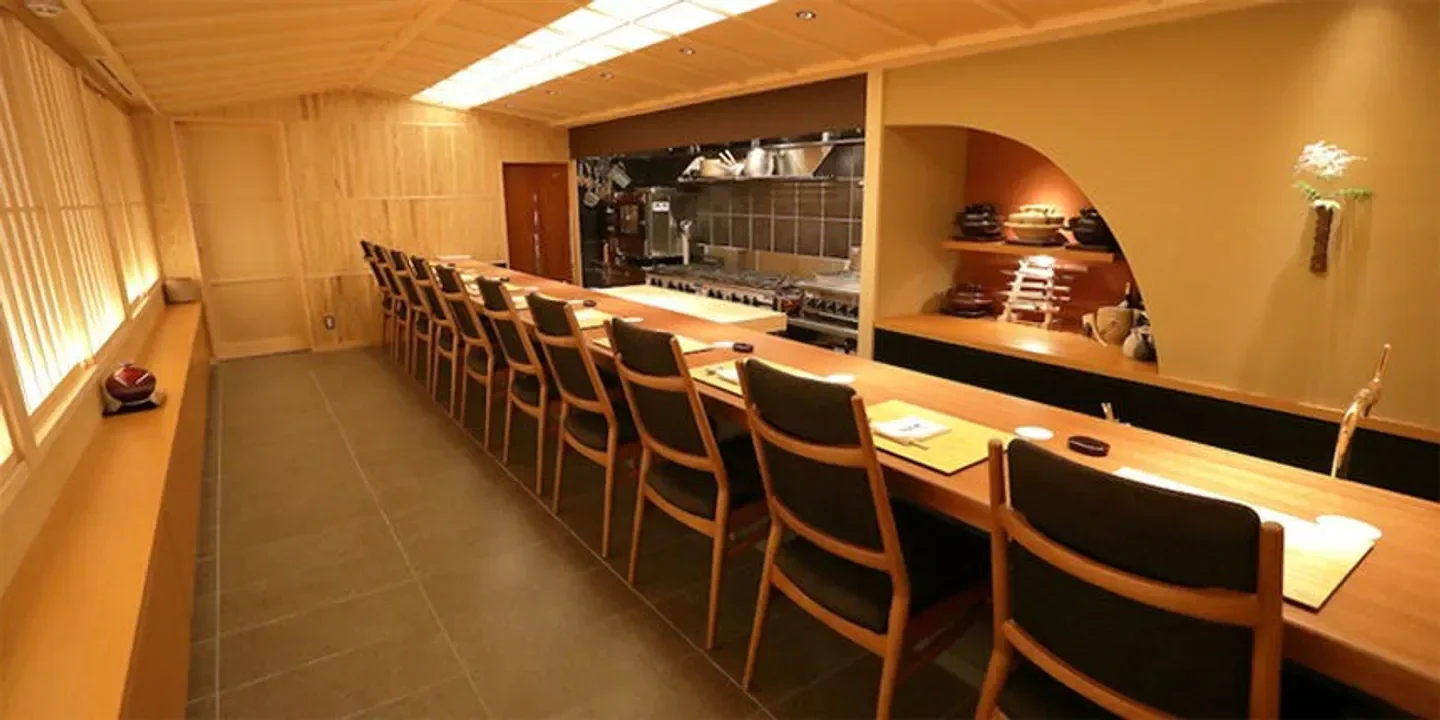
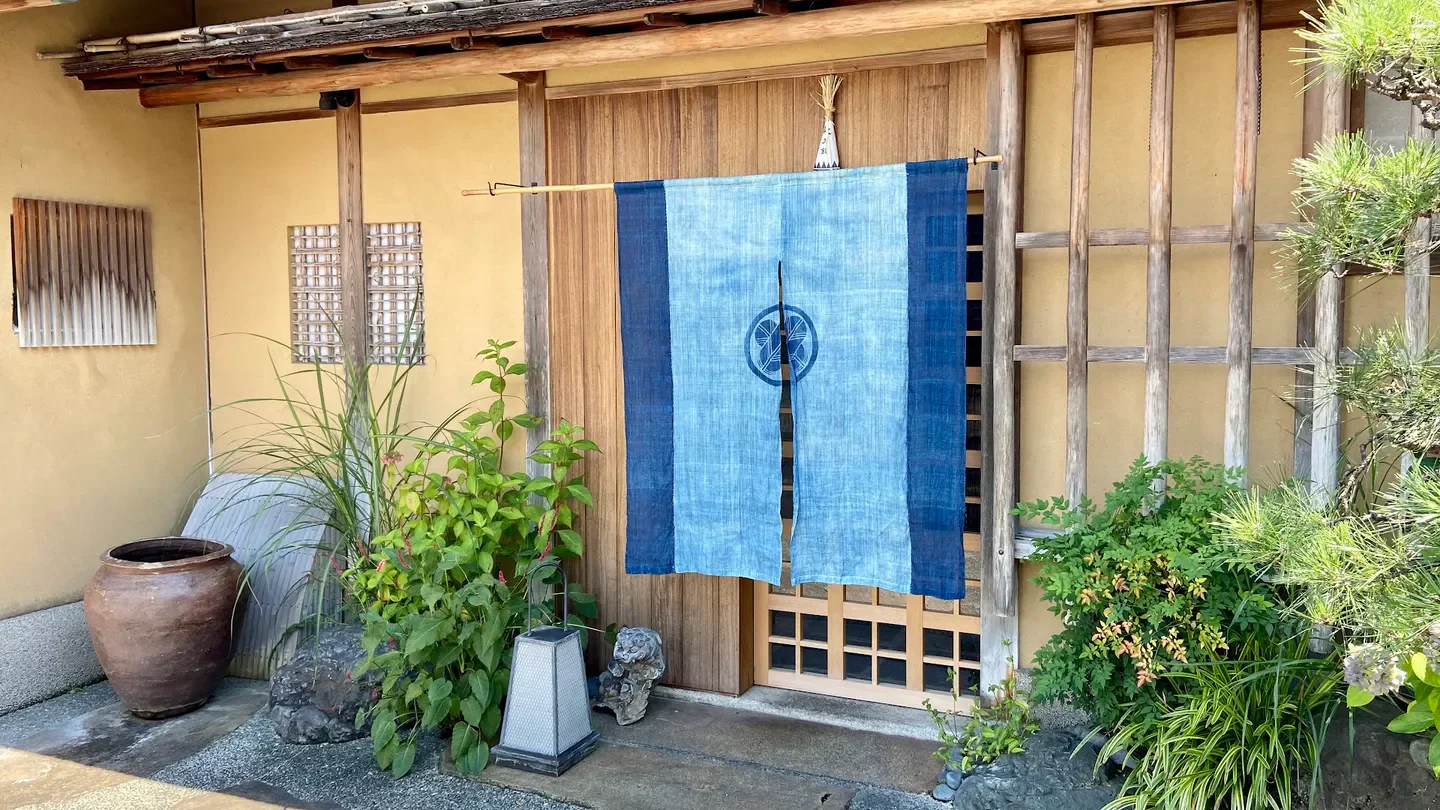
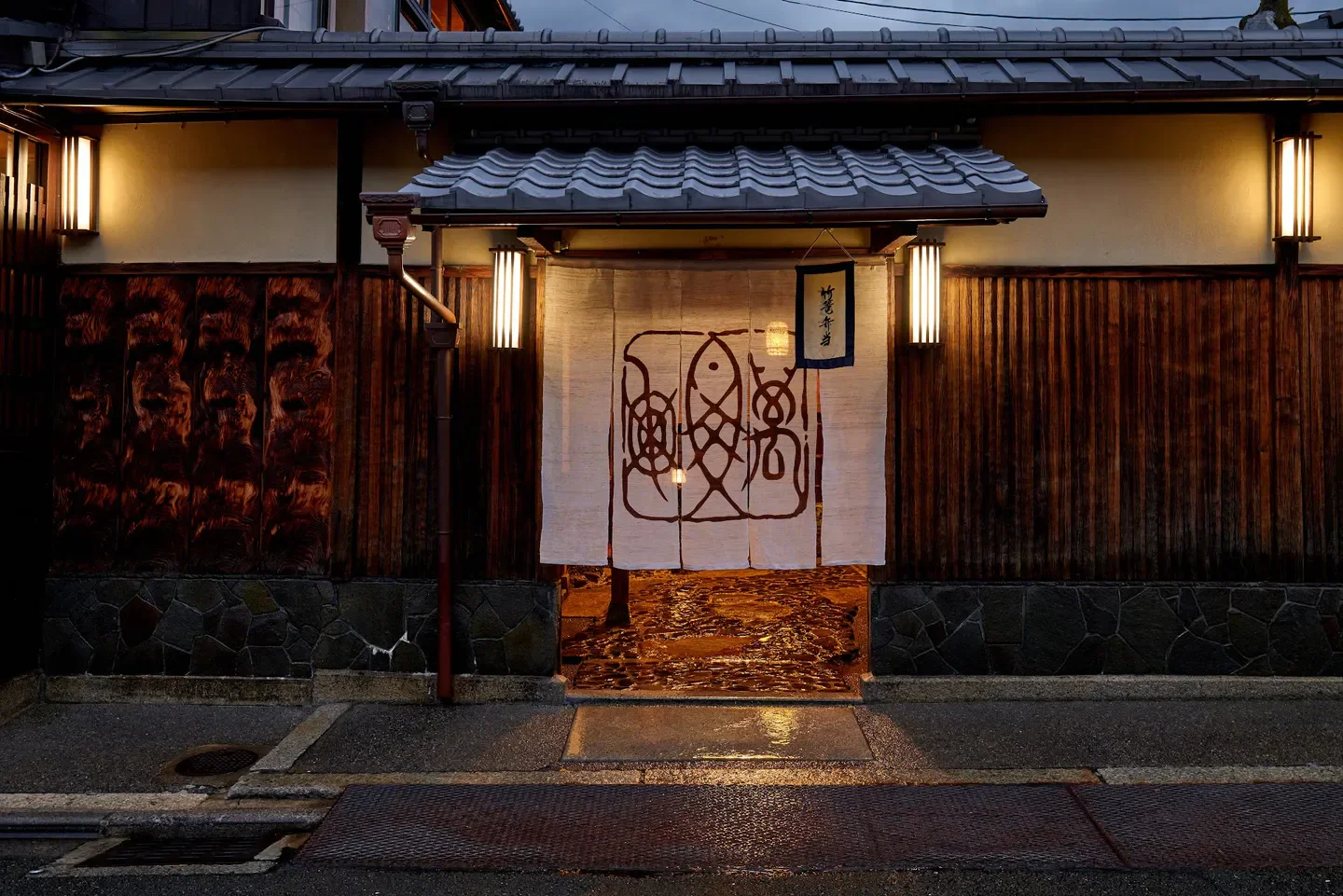
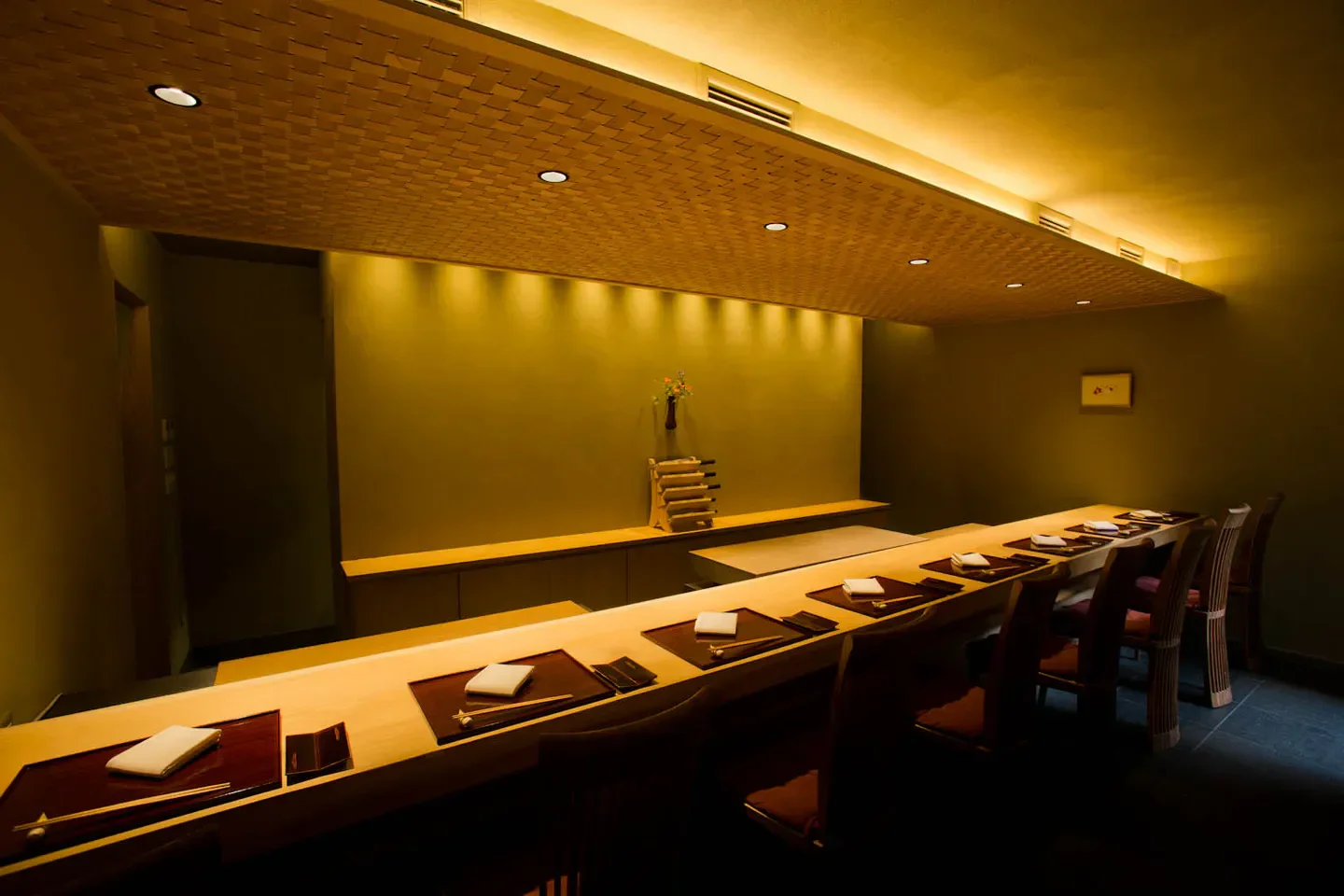
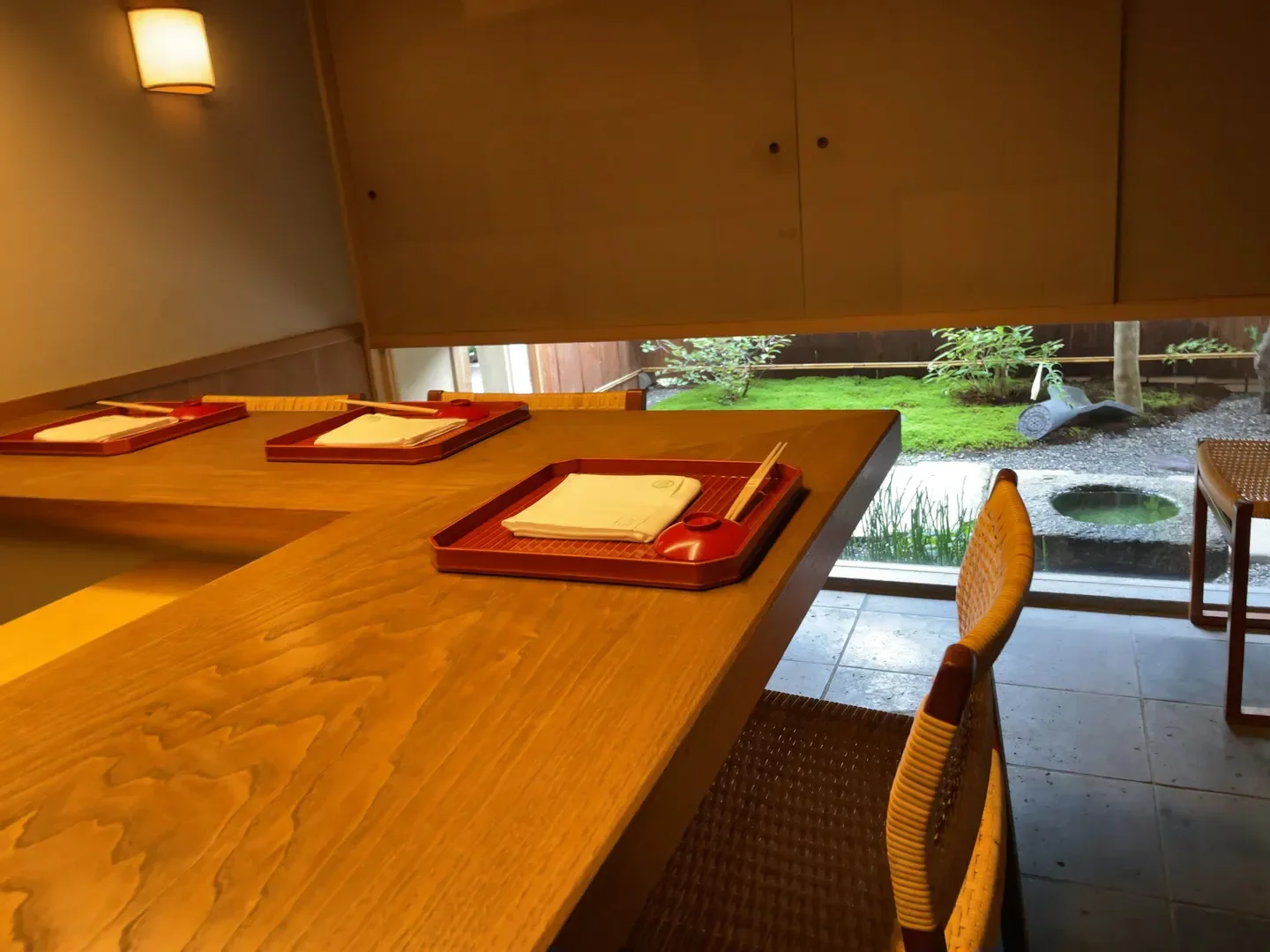
Gion remains the focal point for traditional structures, where the low-slung architecture houses intimate spaces. Gion Maruyama offers a rigorous interpretation of this heritage, grounding the visitor in the aesthetic history of the district. Further toward the center, Ayanokoji Karatsu holds a Michelin star, providing a focused look at how raw ingredients interact with charcoal heat. For those navigating the southern reaches, Doujin is worth seeking out; it earned the 25th spot on La Liste, distinguishing itself as a center for meticulous craft in an area dominated by smaller, more ephemeral counters.
The pace of the city accelerates during the cherry blossom bloom and the vibrant colors of late autumn, making weekends particularly competitive for space. Evenings demand early planning, as the smaller venues frequently close their doors once the final seating is complete. We verify current operational standards to help you align your travel with the quietest windows of the week.
Kyoto Restaurants FAQ