
The Best Restaurants in Nara

Plan Your Experience
The Nara Restaurants Edit
The Experience
Nara Restaurants Unlocked
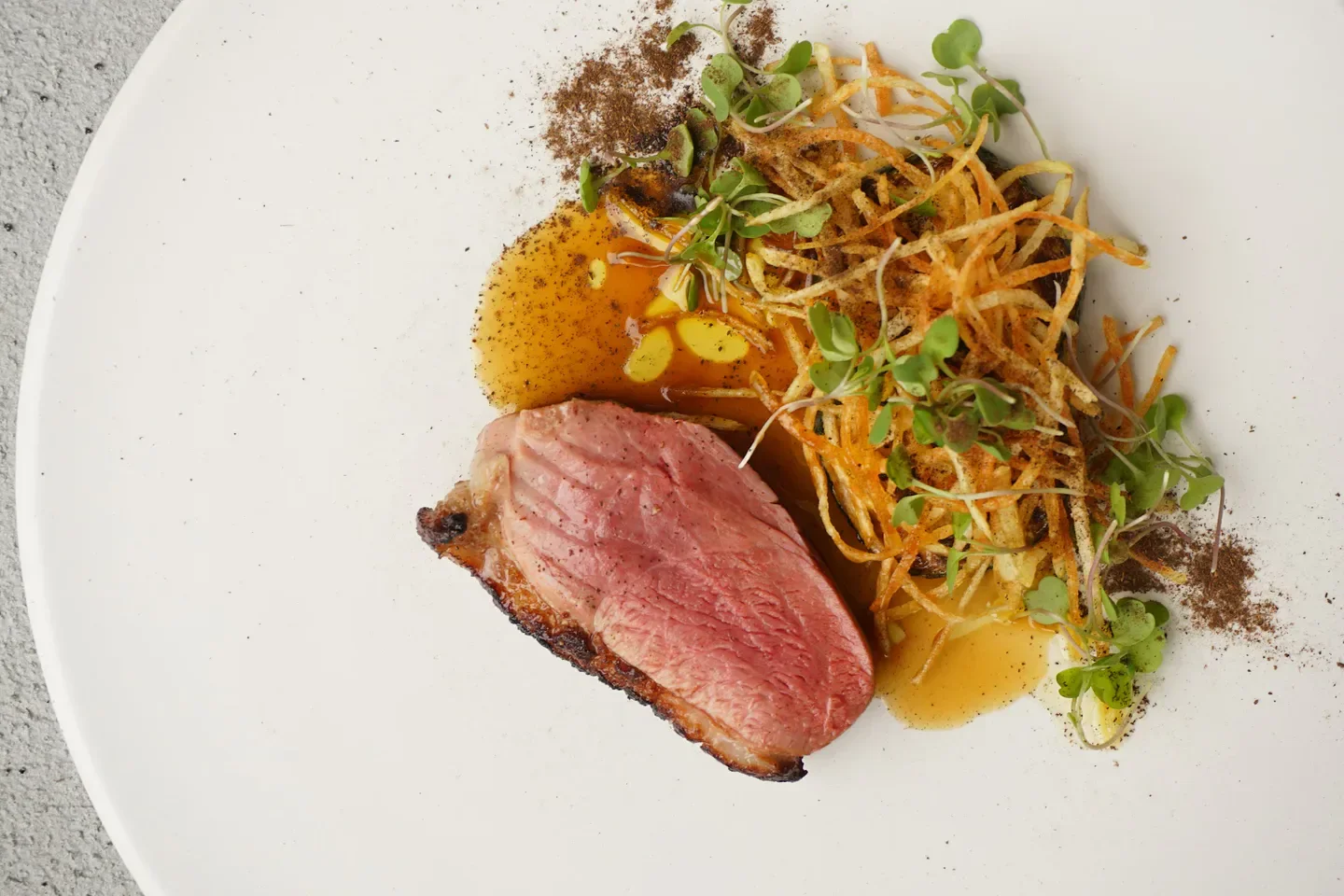
Nara dining defines itself through the quiet discipline of kaiseki and the preservation of long-standing regional ingredients. The city moves at a pace set by its Buddhist temples, encouraging a focus on subtle textures and seasonal rhythms rather than bold innovation. You find a respect for produce here that treats local mountain vegetables and river fish as the primary subjects of the plate.
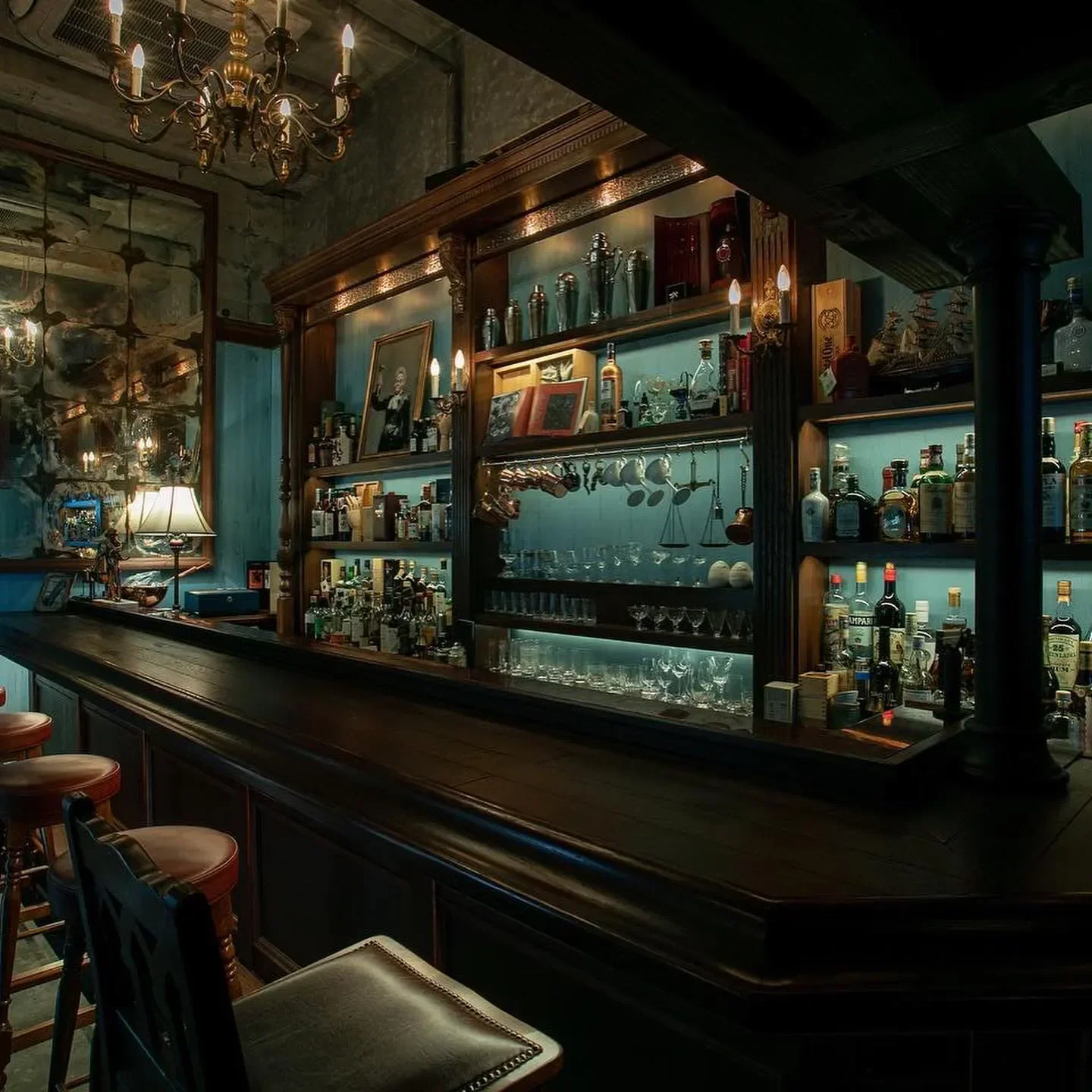
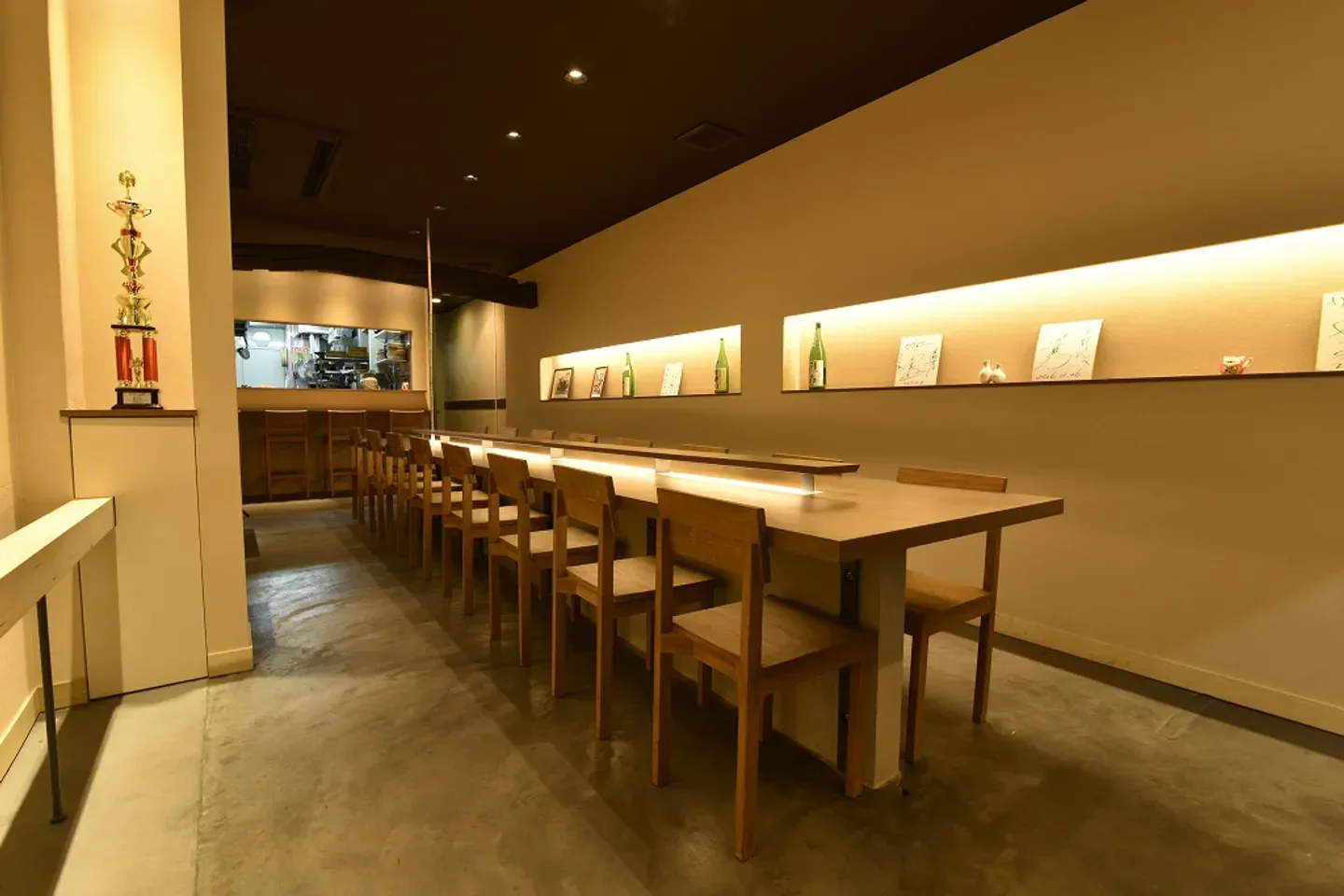
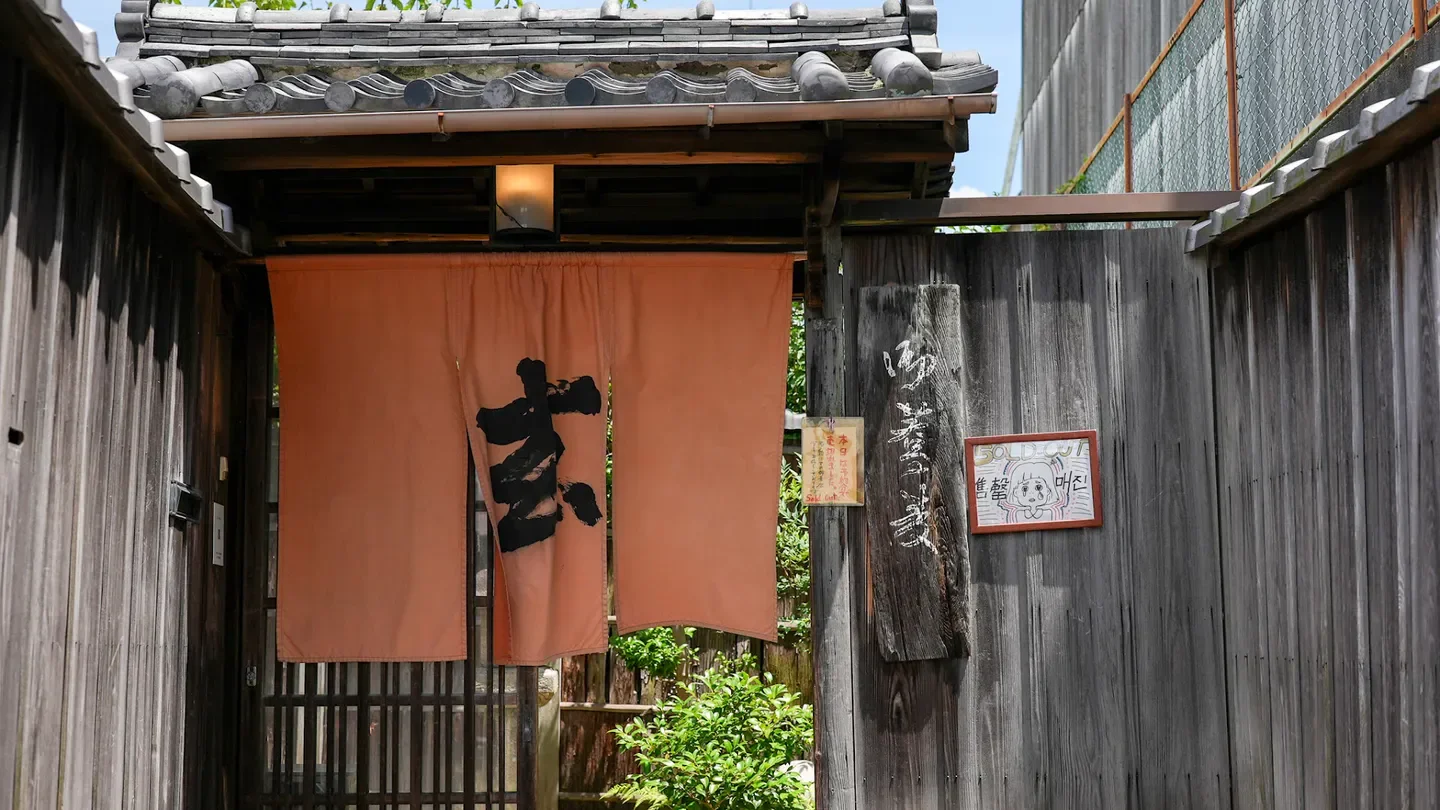
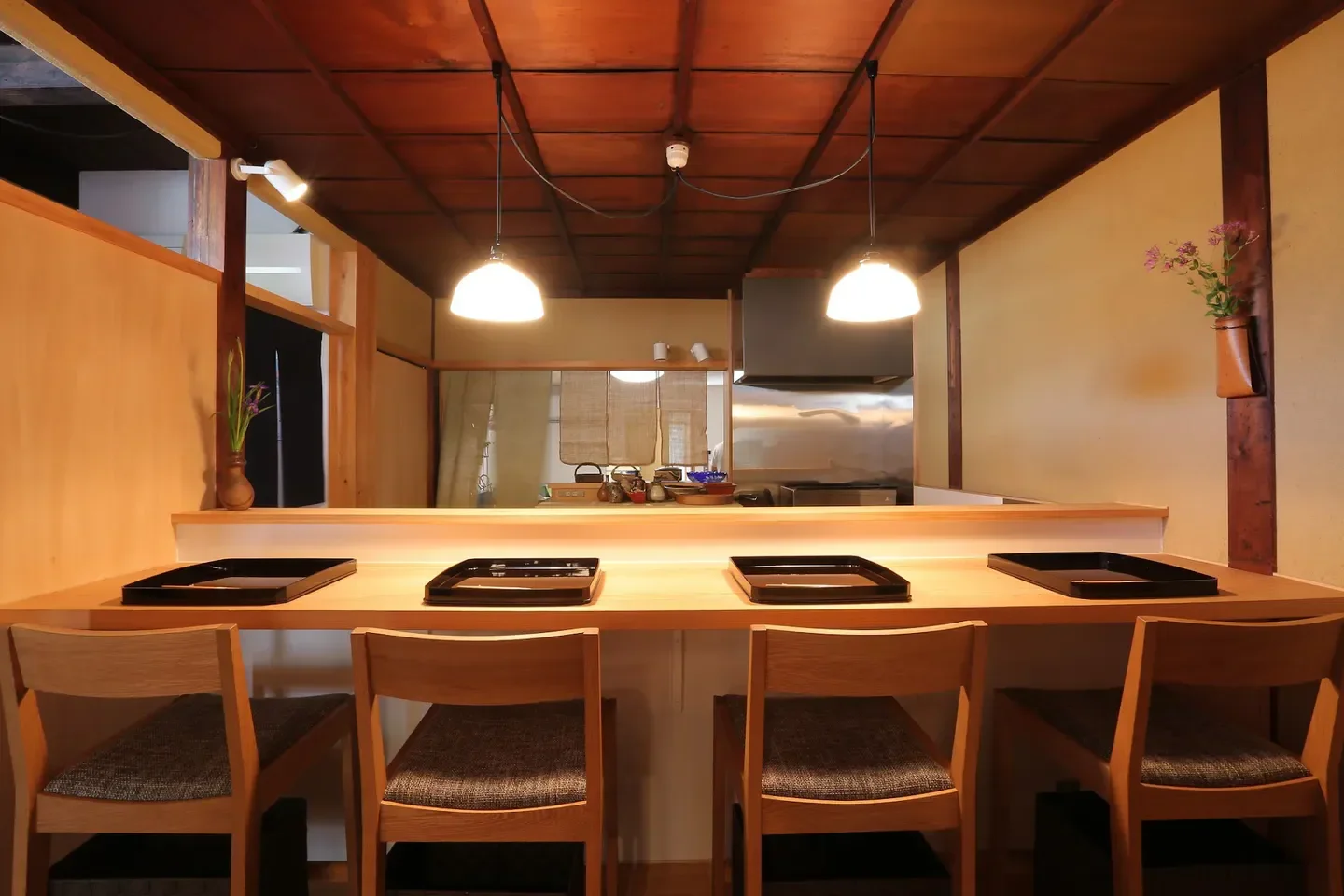
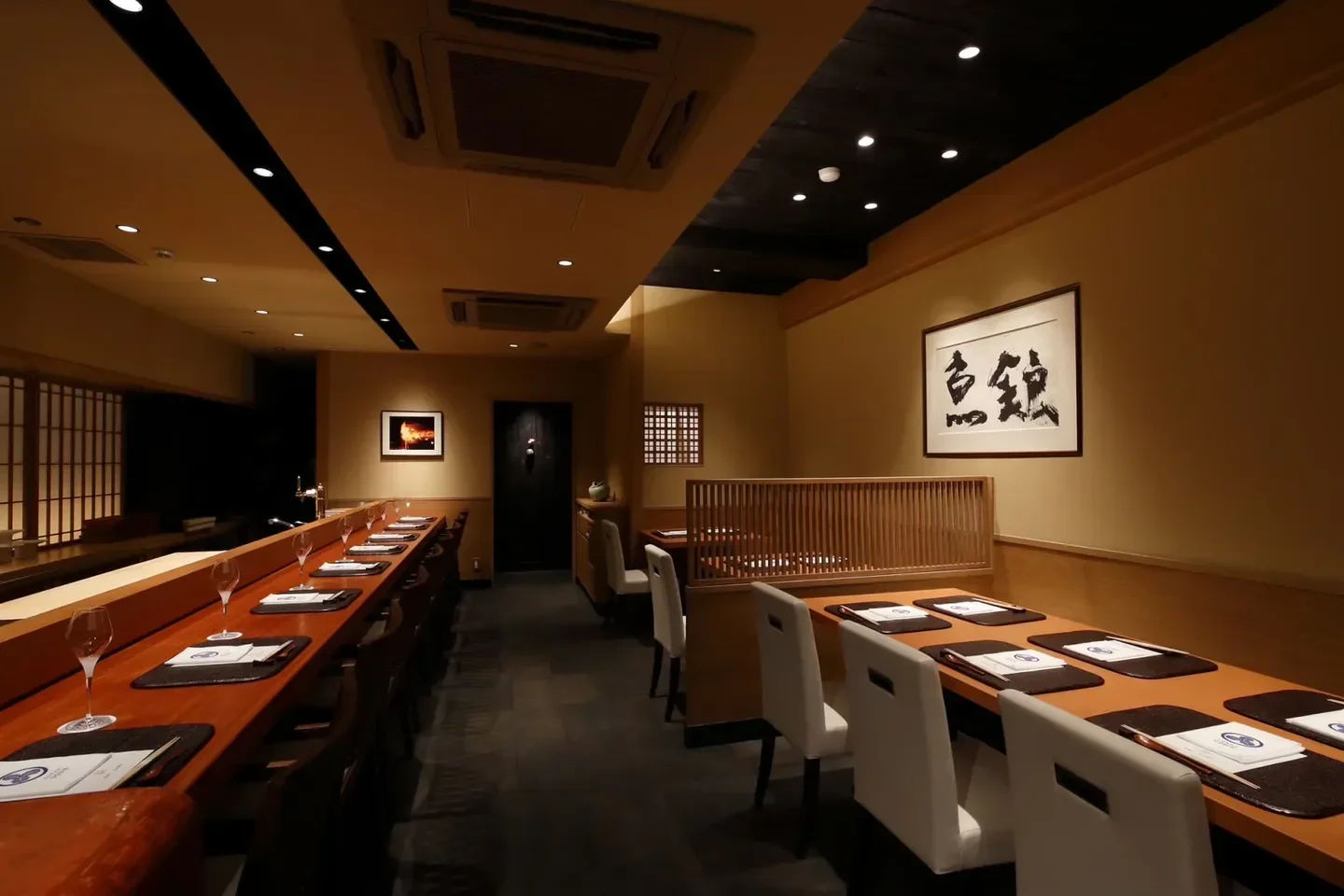
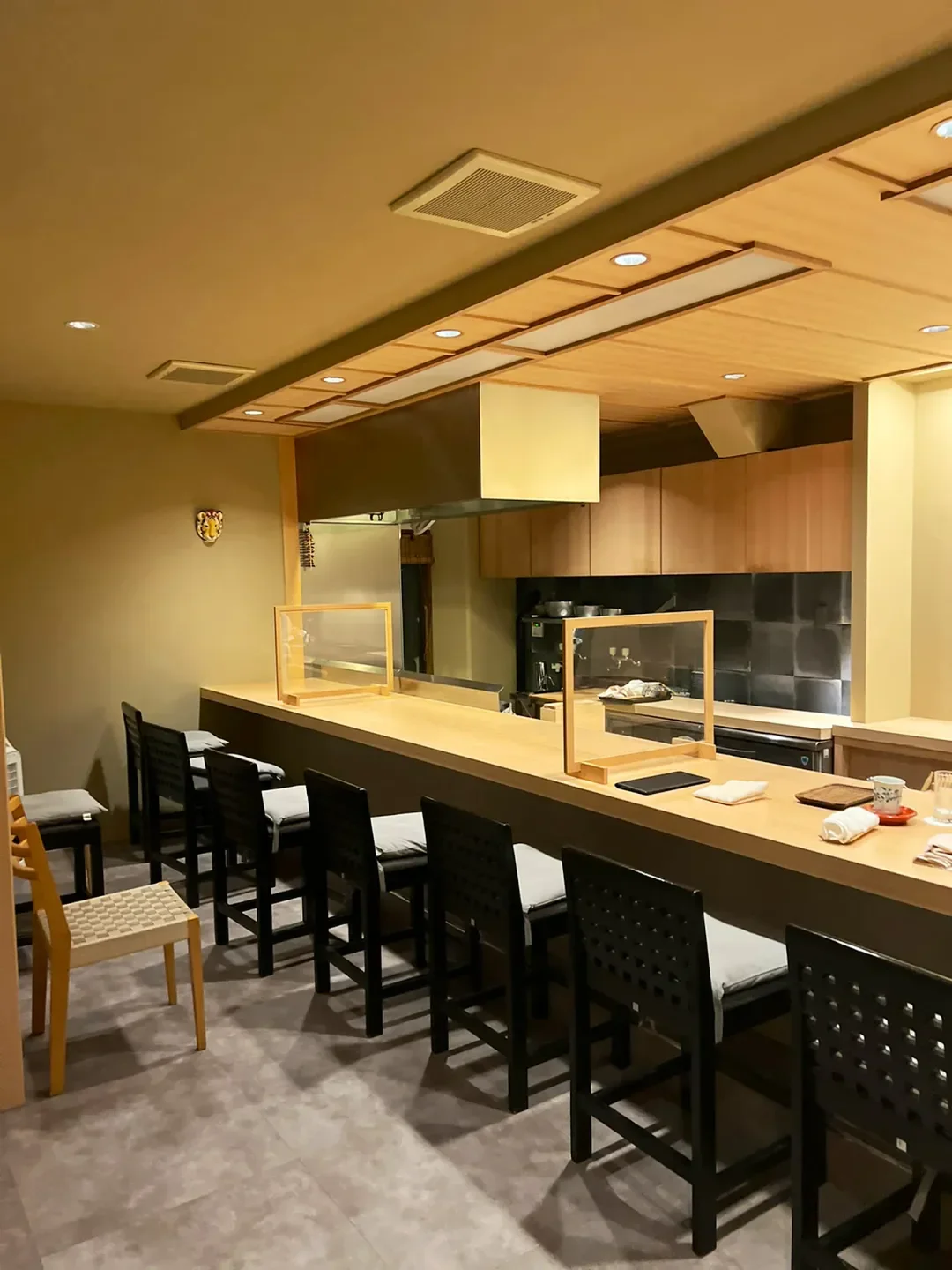
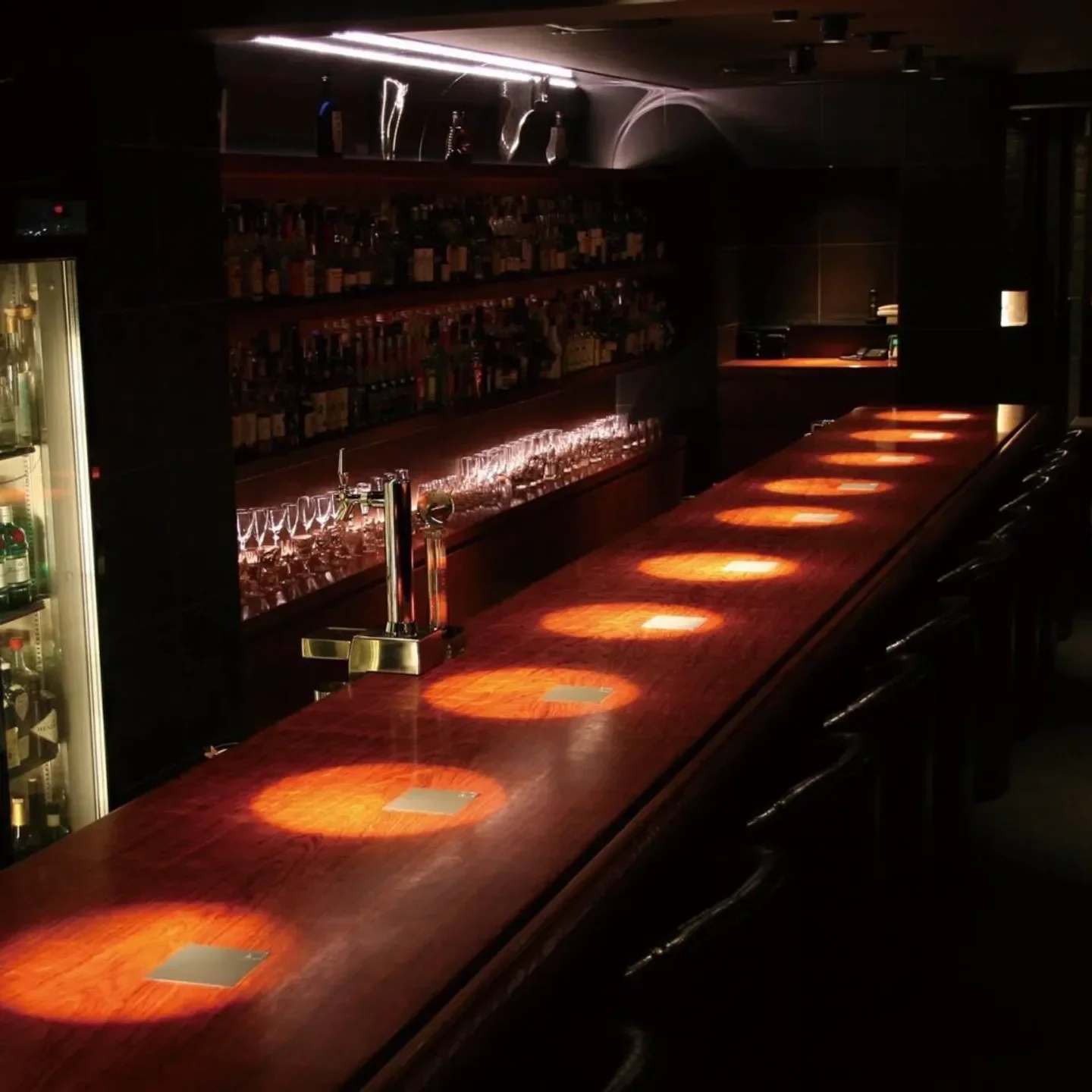
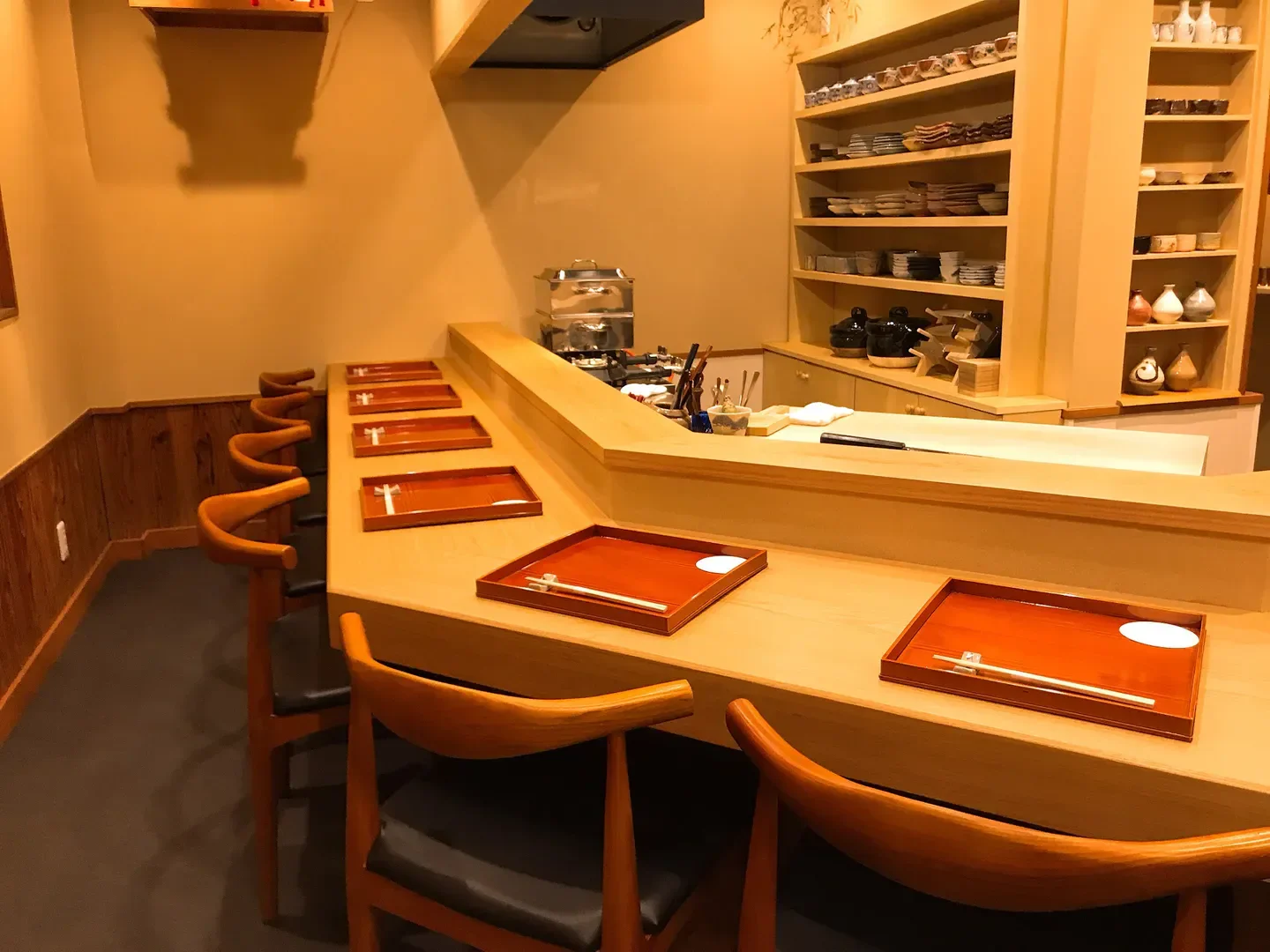
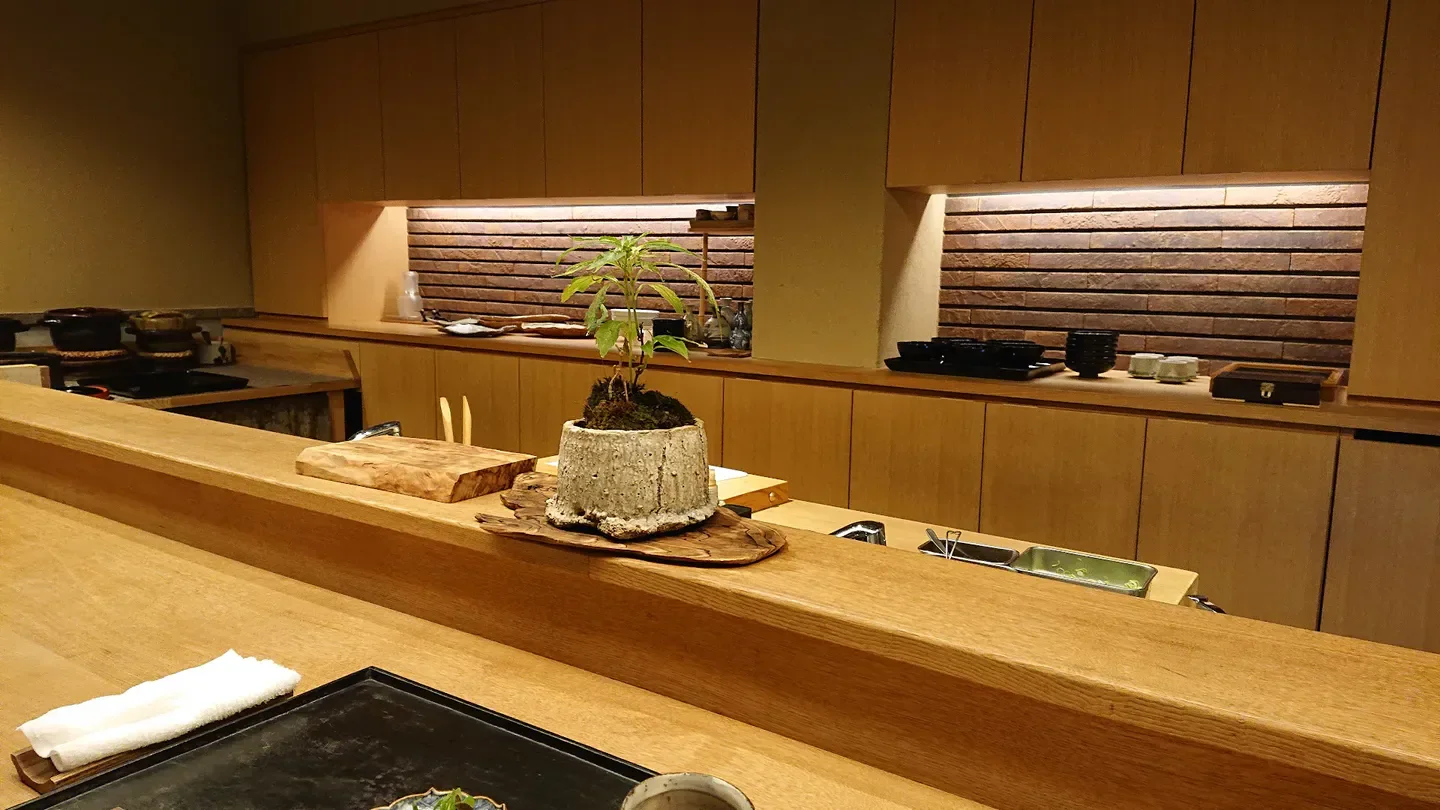
The city center clusters its most focused kitchens near the Kintetsu-Nara station and the quiet veins leading toward Naramachi. Ajinokaze Nishimura holds a Michelin star and demands attention for its mastery of traditional techniques in a compact space. Near the park, Wa Yamamura also holds a Michelin star, offering a rigorous approach to multi-course dining that strips away excess. For those who prefer a less formal interaction with the bar scene, Lamp Bar provides a necessary counterpoint to the city’s quietude through a deliberate focus on spirits.
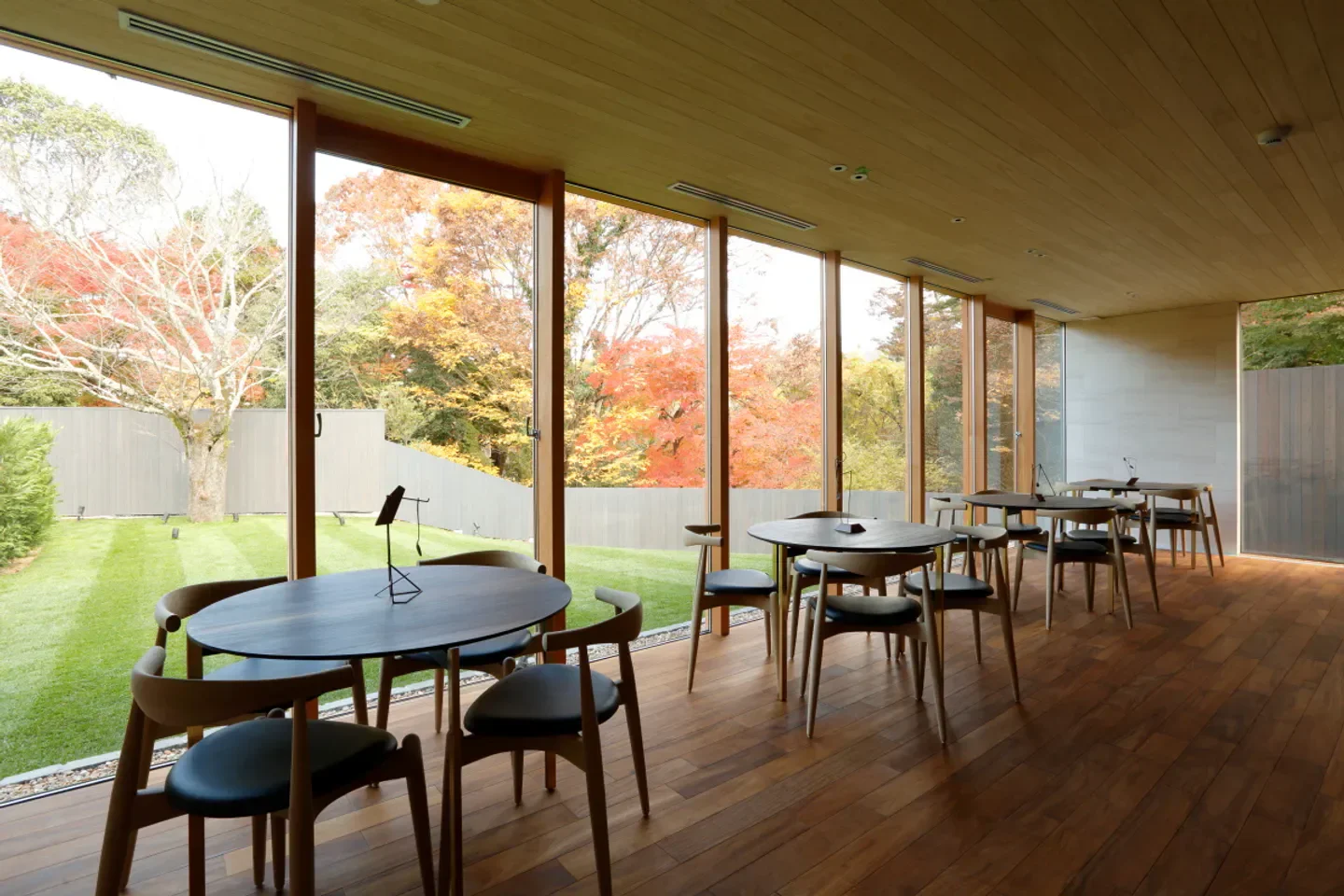
The restaurant floor shifts during the winter months, when the chill from the surrounding mountains pushes diners toward the warmth of hot-pot counters and hidden basement rooms. Evenings on weekends see the quiet lanes fill with local residents, making mid-week lunches the most reliable window for a seat at the smaller, family-run counters. Our selection highlights these venues based on their focus, consistency, and alignment with the regional character of the city.
Nara Restaurants FAQ