Parma Luxury Concierge Services
Plan Your Experience
The Parma Edit
View all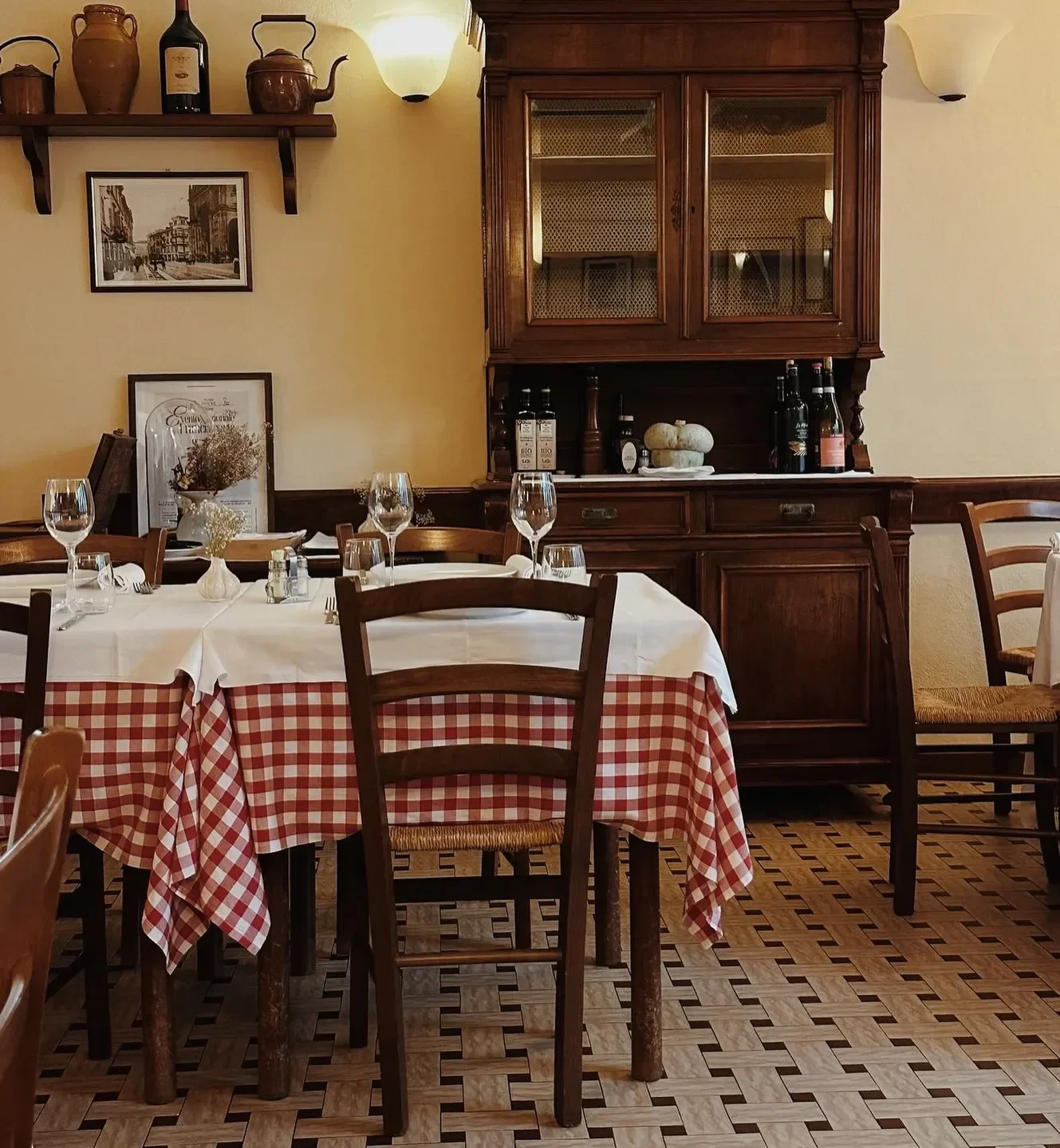
The Experience
Parma Unlocked
Parma demands a departure from the usual Italian coastal rhythm. Visitors often expect a rapid transition from sightseeing to dinner, but this city operates on a deliberate, local frequency that respects the sanctity of the midday meal. The real challenge is navigating the gap between the tourist-facing storefronts of the Strada della Repubblica and the quiet, high-walled spaces where the true kitchen culture happens. To eat well here, you must abandon the central thoroughfares in favor of the suburban edges where tradition is handled with clinical precision.
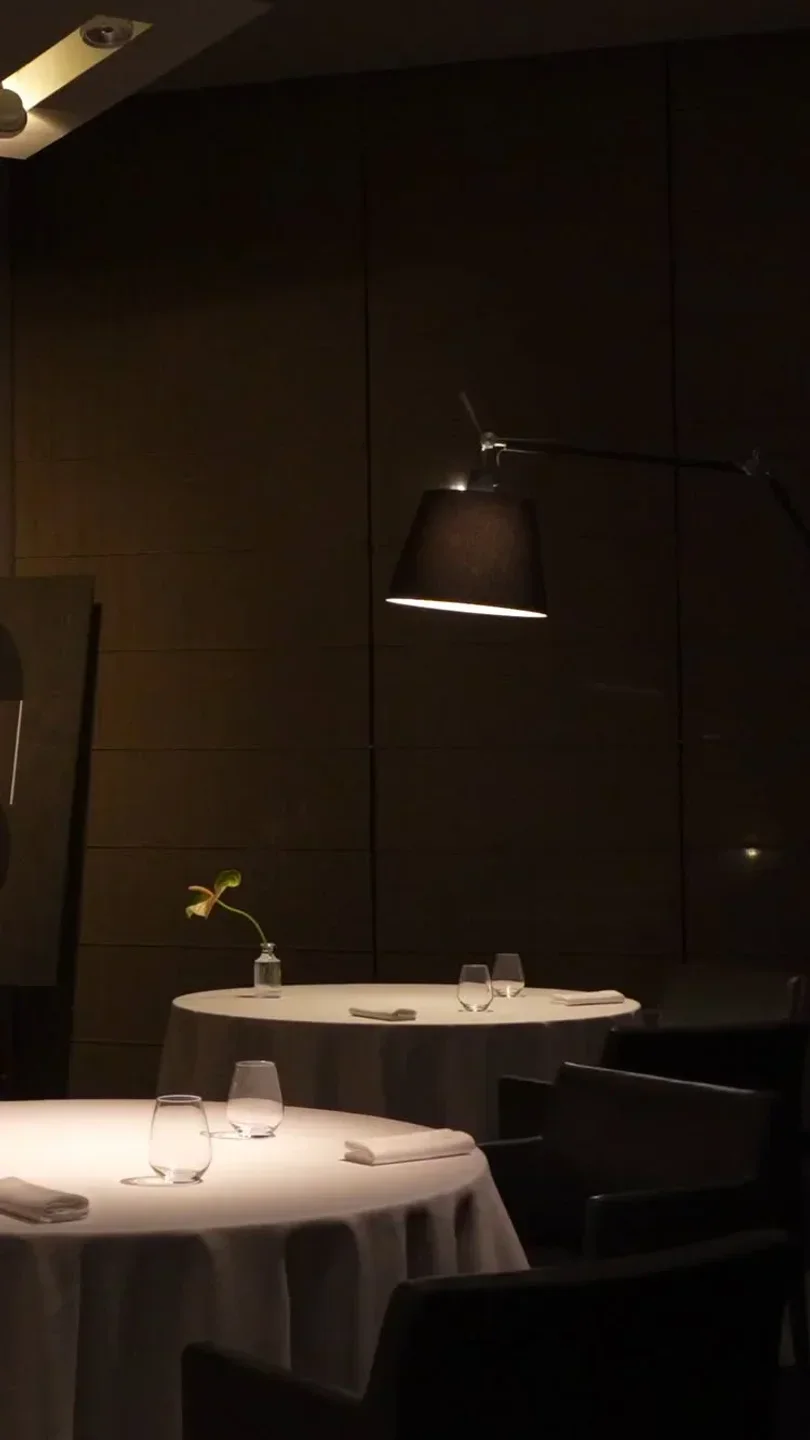
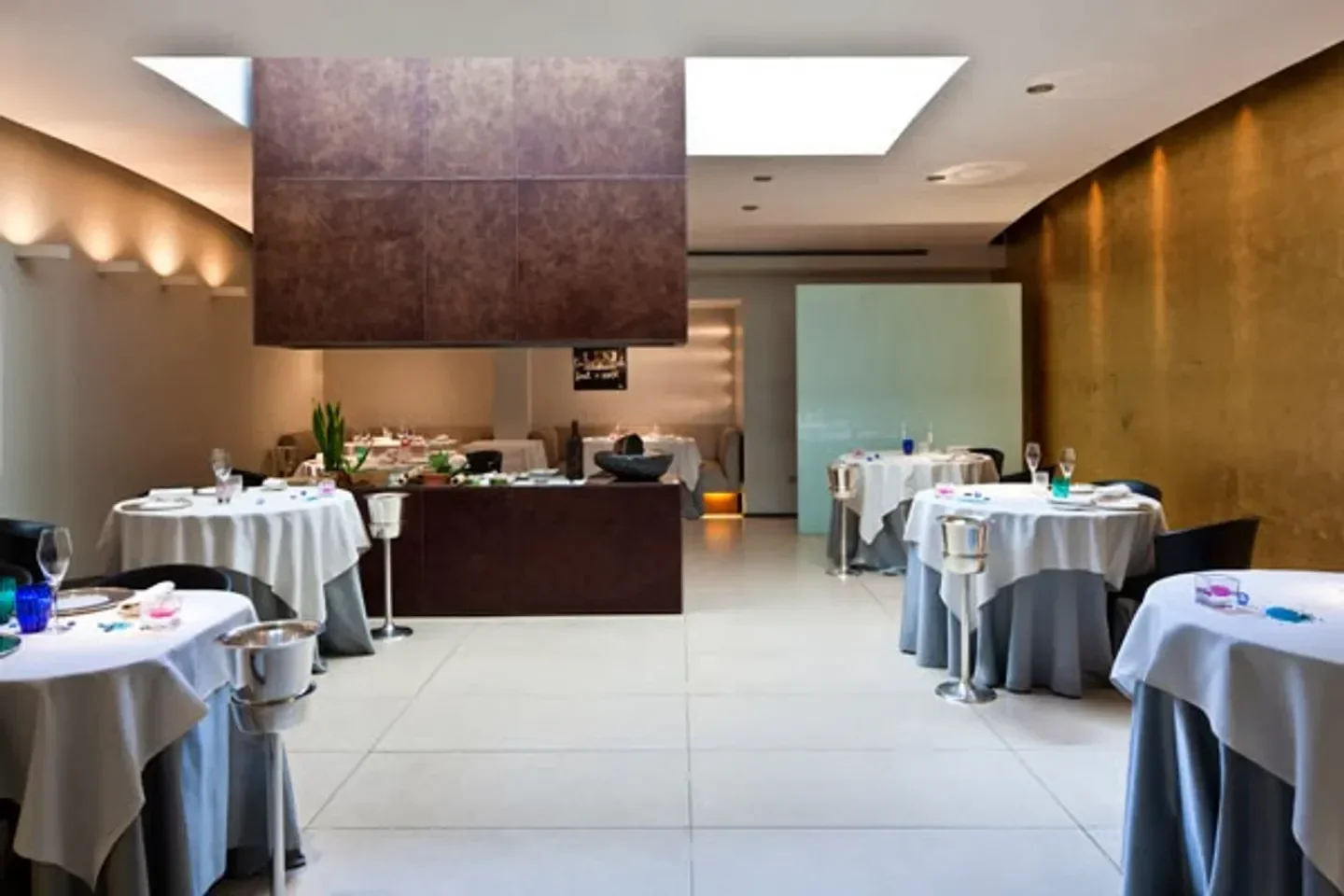
Neighborhoods like Oltretorrente retain a gritty, honest character that persists long after the museums close. Further out, the landscape shifts, turning toward the agricultural roots that define the regional output. Inkiostro holds a Michelin star, acting as the city's most daring laboratory for those seeking a departure from convention. For a more rooted, ancestral approach to the local trattoria, Ai Due Platani holds a place on the 50 Top Italy list as one of the best modern bistros, proving that a devotion to ingredients remains the strongest currency in the city.
Plan your movement around the early evening crawl through the bars near Piazza Garibaldi, before retreating toward the outskirts for dinner. Mid-week evenings feel more like local life than the heightened weekend pace, especially when the fog settles over the surrounding plains. We verify our recommendations against the shifting standards of local kitchens to ensure you avoid the traps of the main piazzas. Parizzi provides a consistent perspective on the city’s culinary heritage, making it a reliable waypoint for anyone intent on understanding why Parma remains a singular destination for those who track the movement of taste.
Parma FAQ