The Best Rooftops in Tokyo
Plan Your Experience
The Experience
Tokyo Rooftops Unlocked
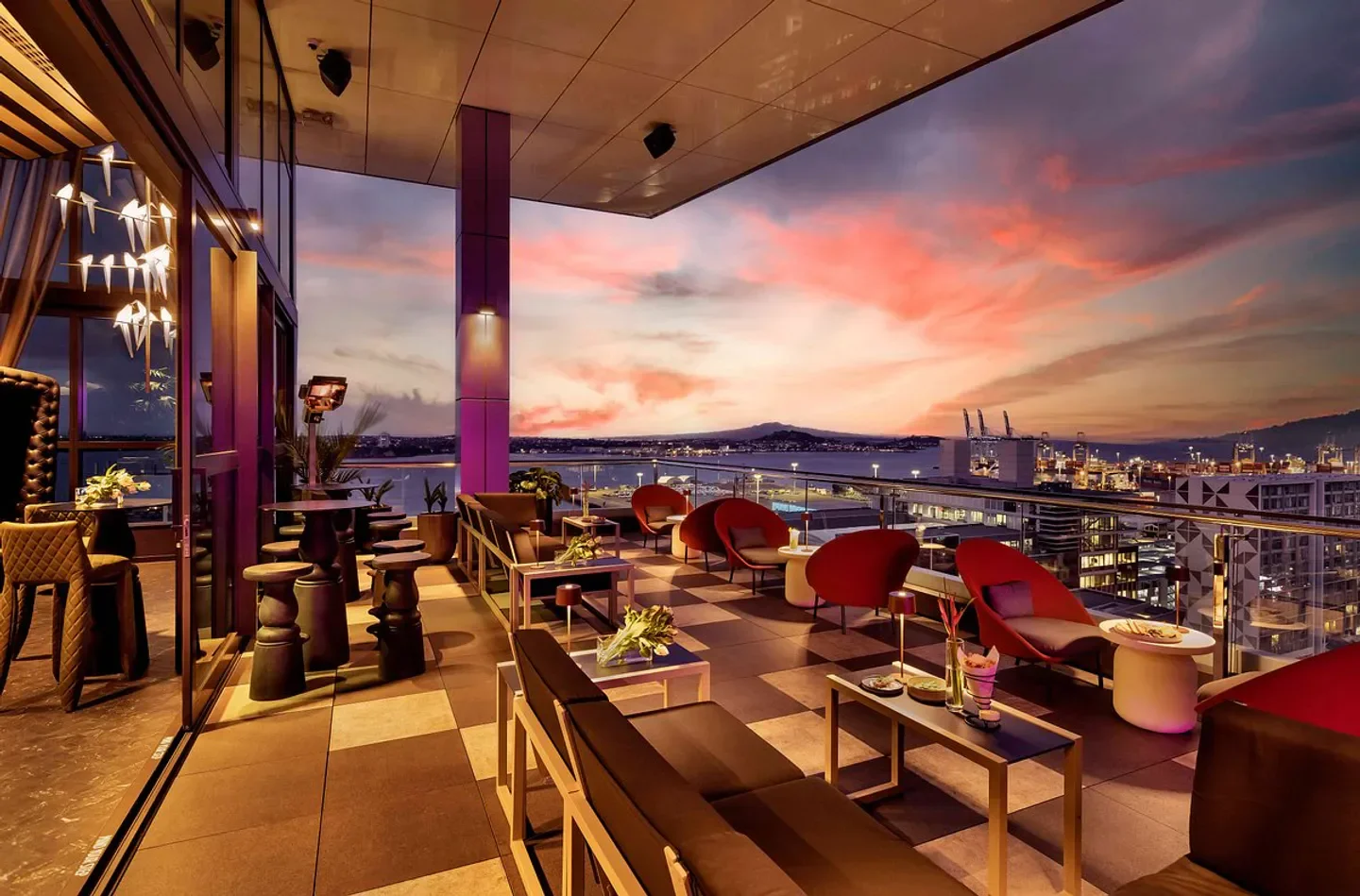
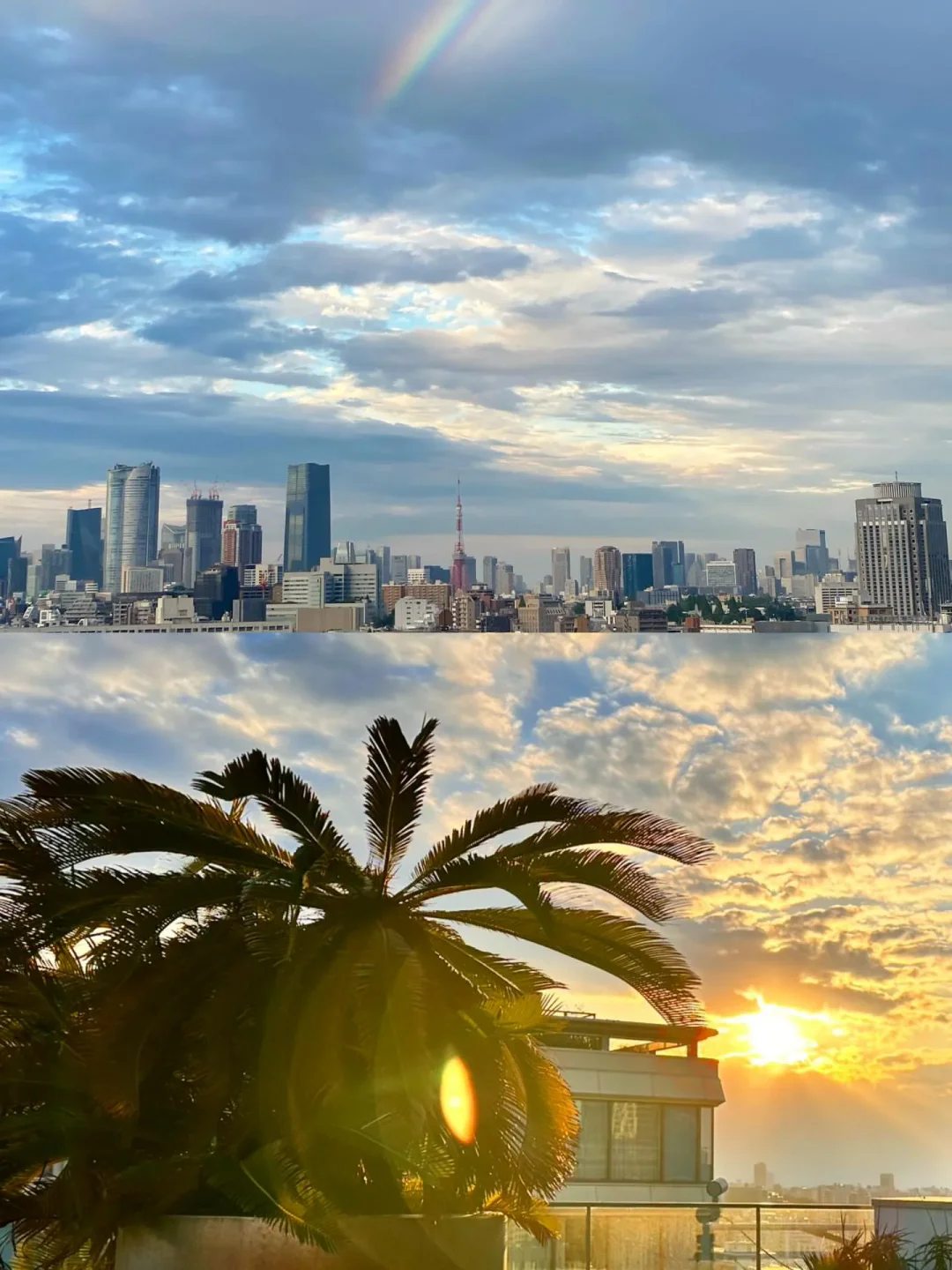
Tokyo rooftops exist as a vertical response to the city’s dense, ground-level sprawl. Instead of expansive plazas, these spaces function as pressurized observation decks where the proximity to the neon grid below creates a sharp contrast with the quiet of the sky. The architecture focuses on managing the relentless humidity, often incorporating misting systems or deep overhangs to make the height usable during the long, muggy transition between spring and autumn.
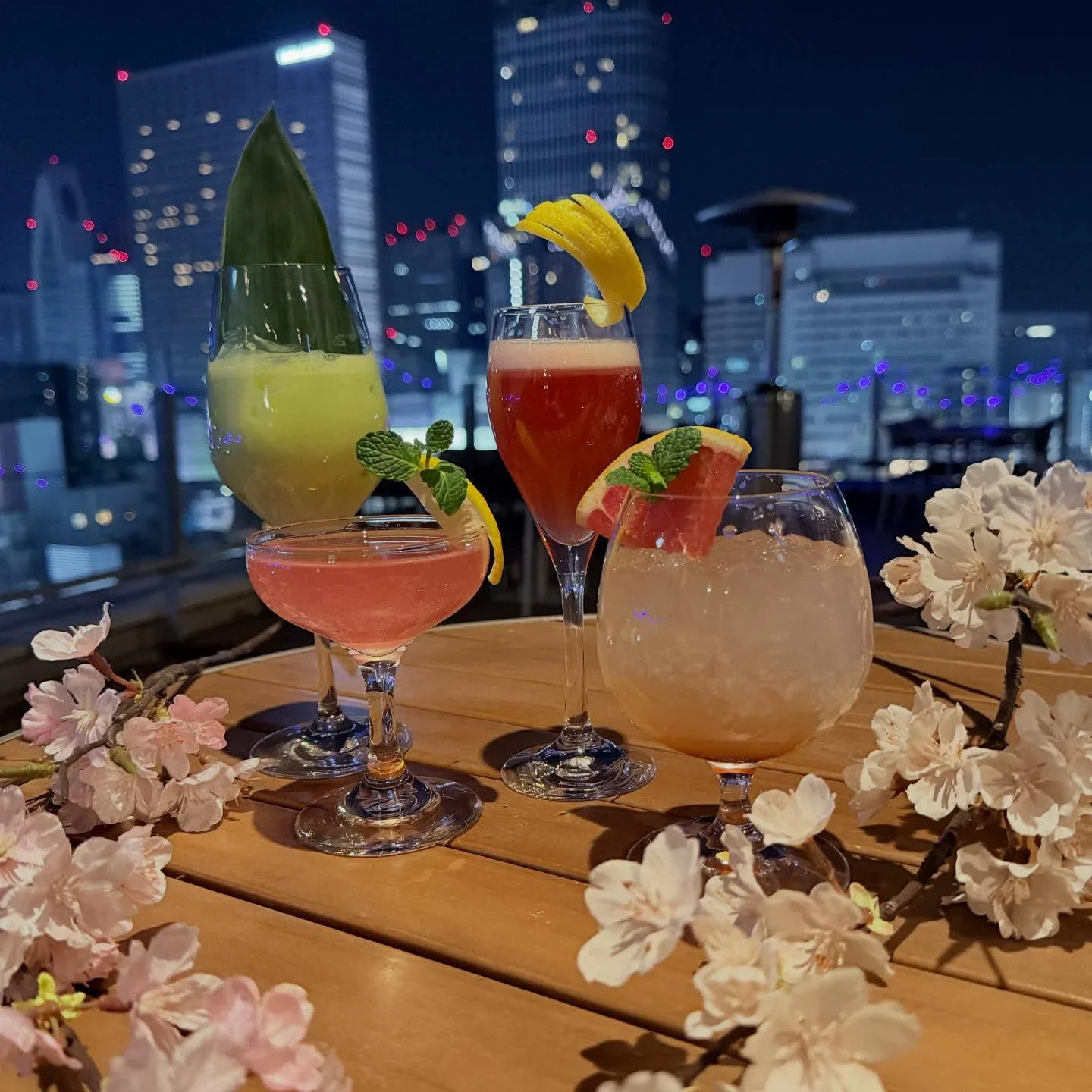
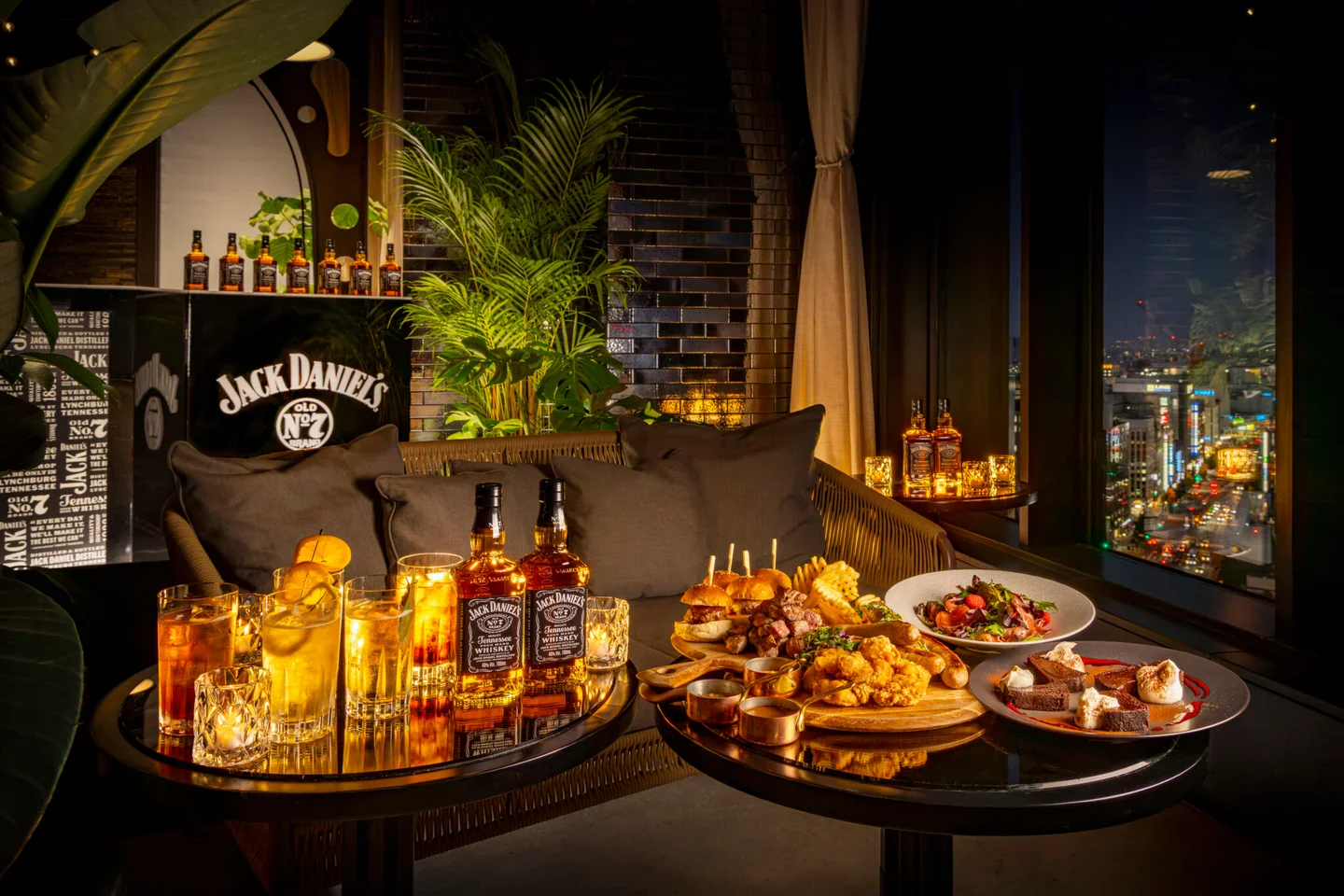
In the high-rise corridors of Marunouchi, Terrace G offers a grounding, foliage-heavy respite from the surrounding glass towers. Further south in the Minato district, PIGNETO Four Seasons provides a precise perspective on the city’s complex, overlapping transport arteries. For those navigating the commercial intensity of Daikanyama, Hacienda Del Cielo captures the local preference for open-air communal seating that leans into the neighborhood's relaxed, residential rhythm.
The atmospheric window for these spaces is remarkably narrow. Humidity peaks mid-summer, making the brief, cooling windows just after sunset the only time the air remains breathable for long sessions. Weekends see the local crowd migrate upward in droves, particularly during the transition from the humid rainy season into the dry, crisp days of late autumn. Our selection process relies on verified site visits to assess how each space handles the intersection of shifting wind patterns and city heat.
Tokyo Rooftops FAQ