
The Best Restaurants in Tokyo
Plan Your Experience
The Tokyo Restaurants Edit
The Experience
Tokyo Restaurants Unlocked
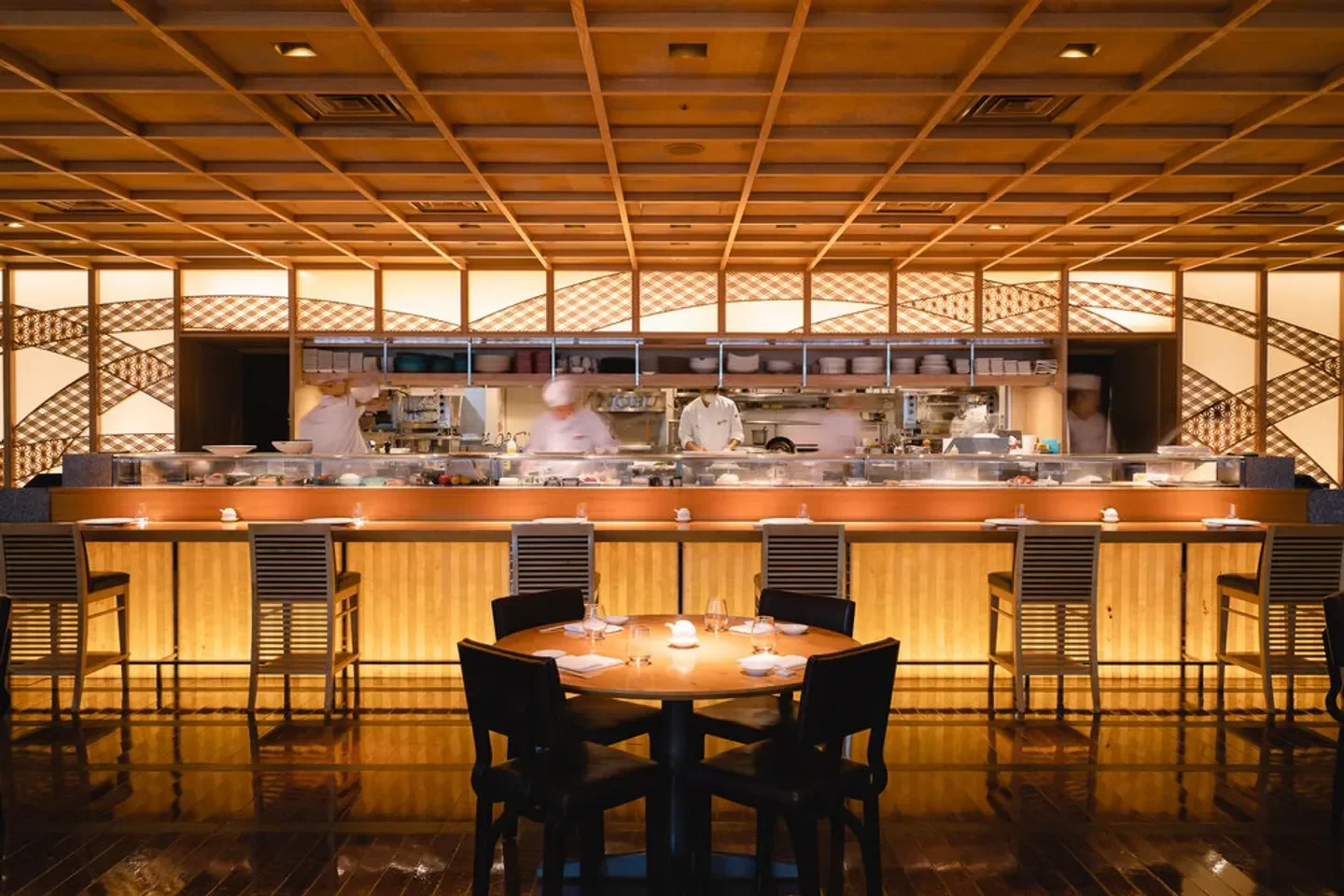
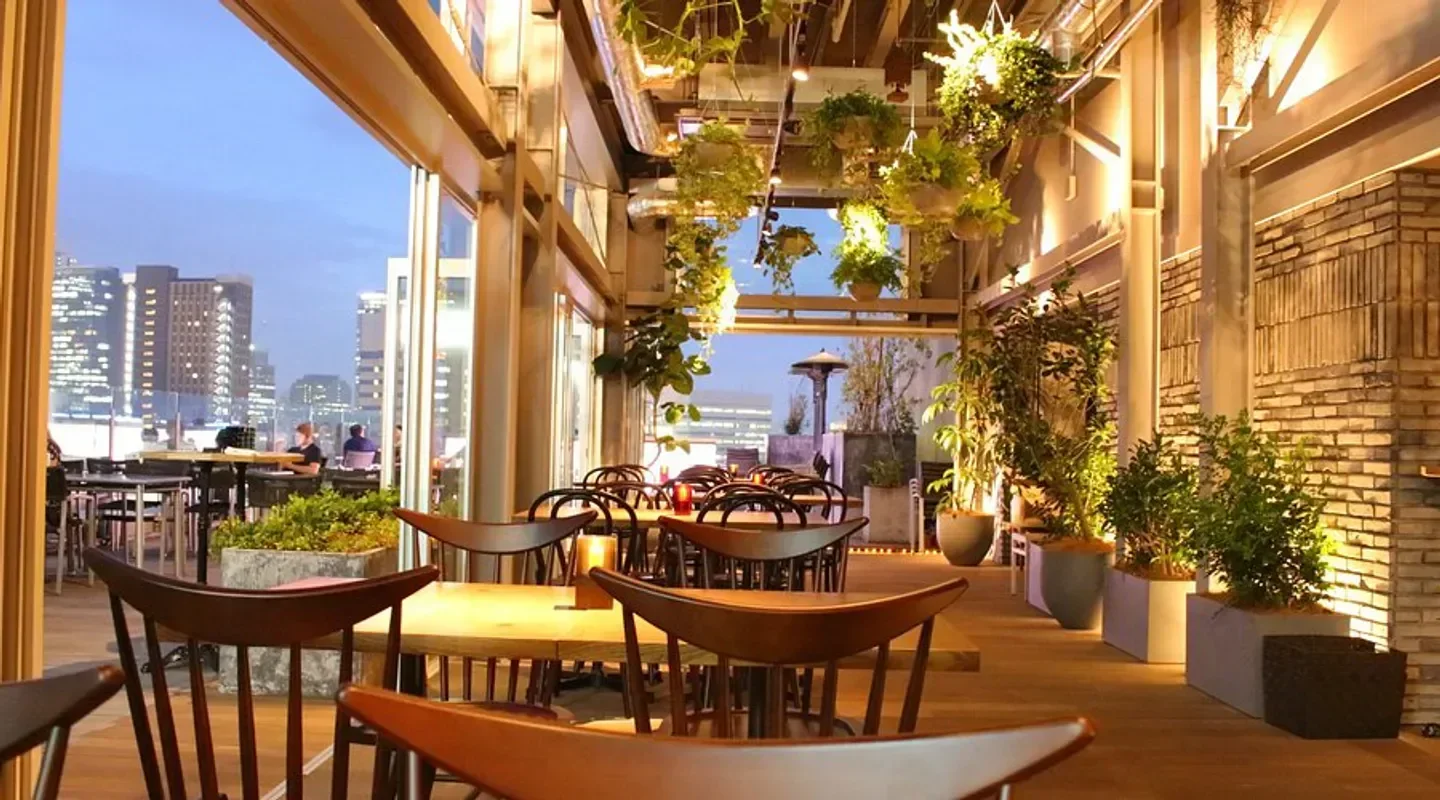
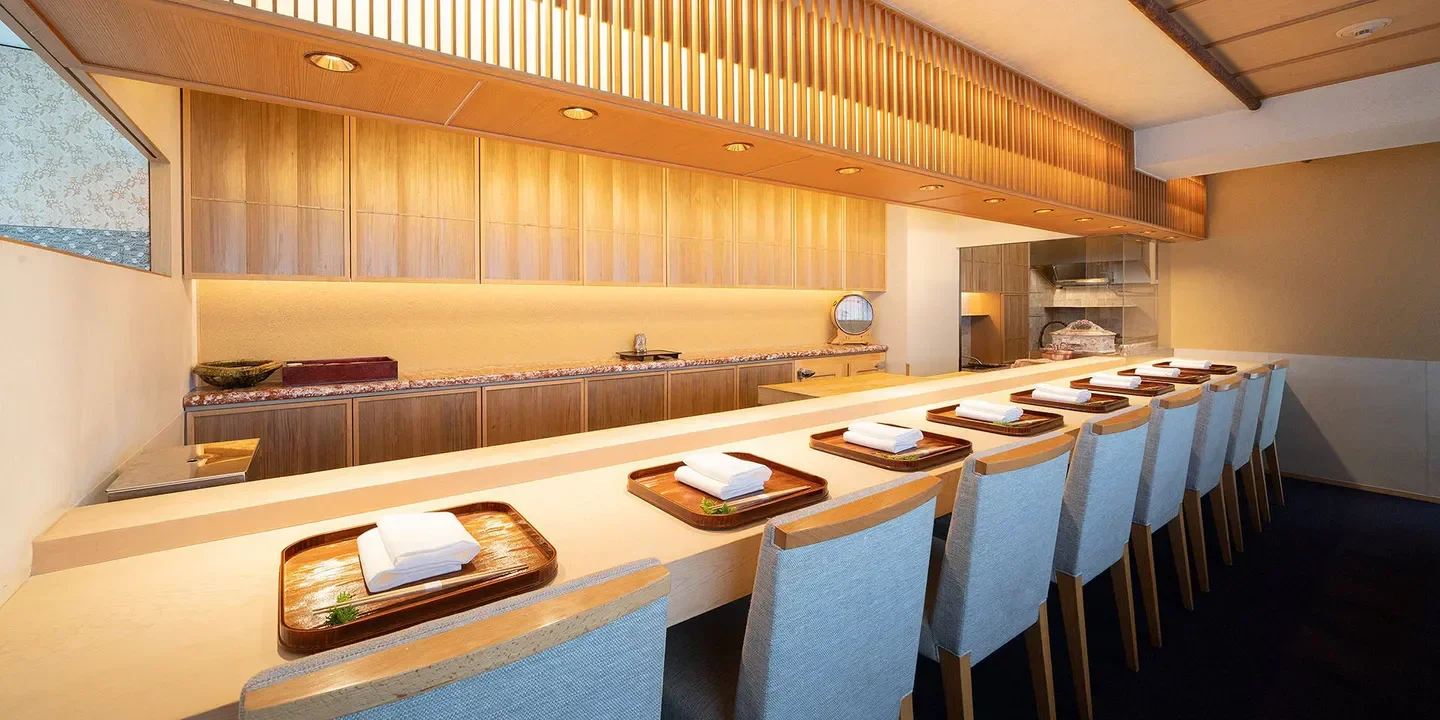
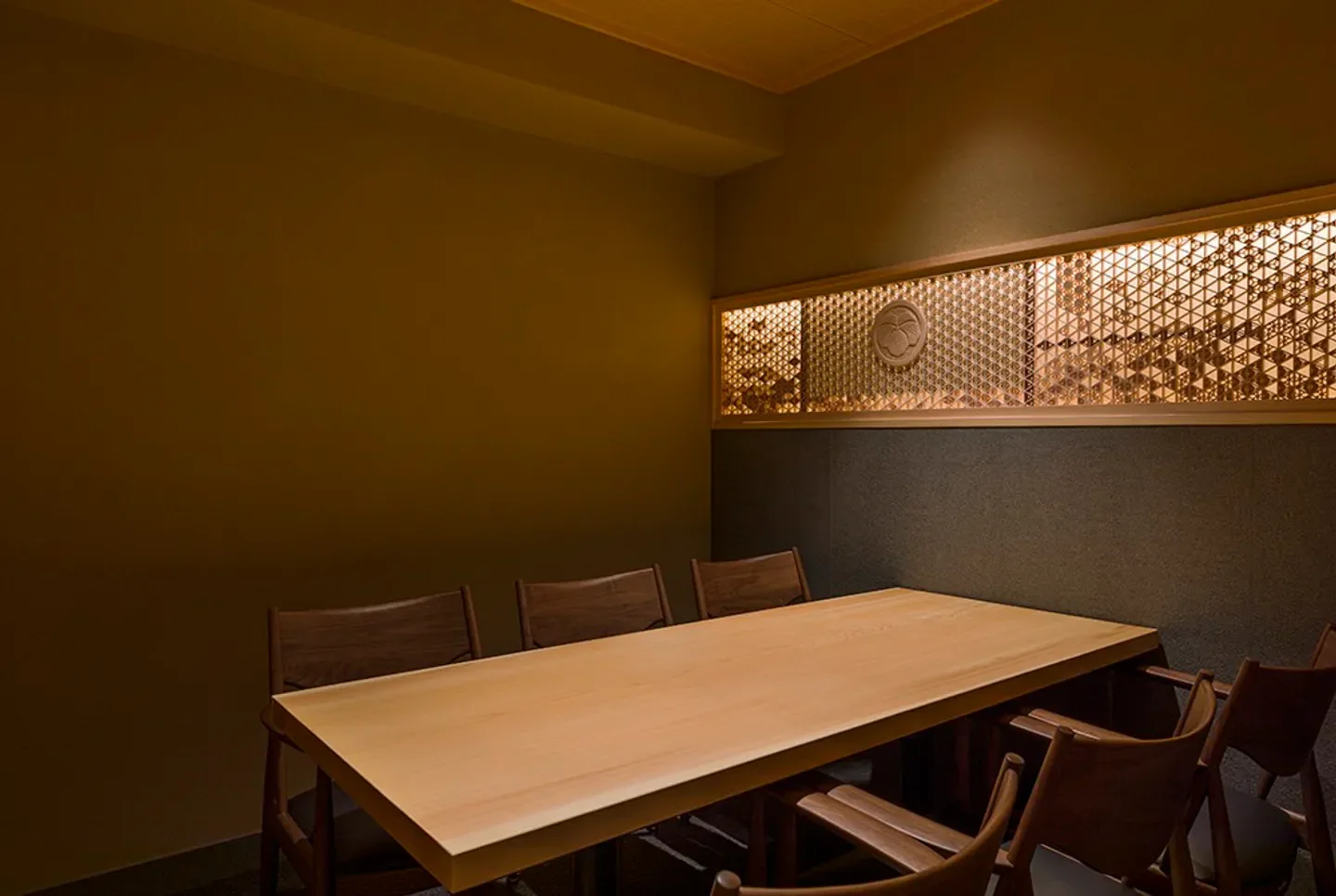
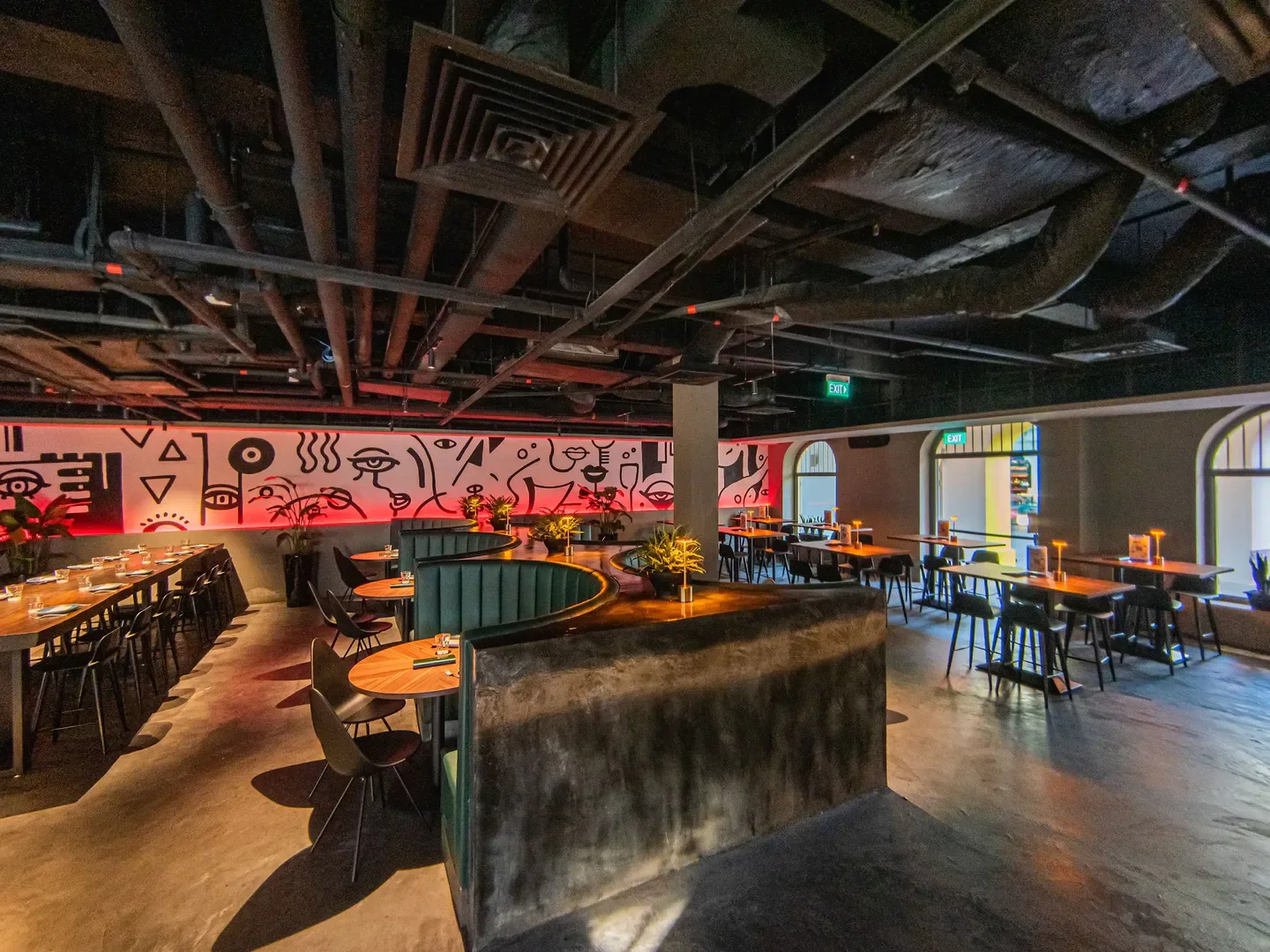
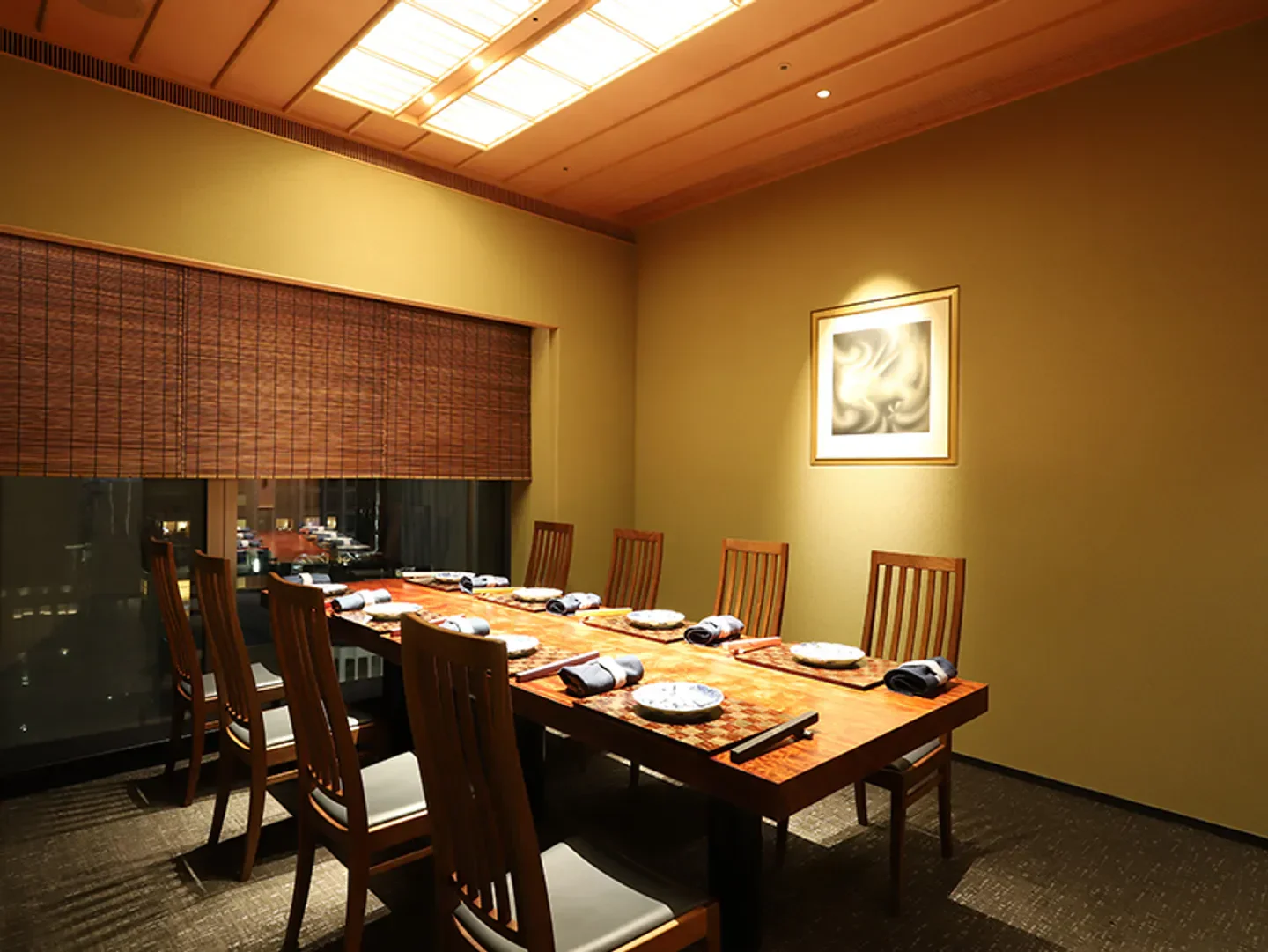
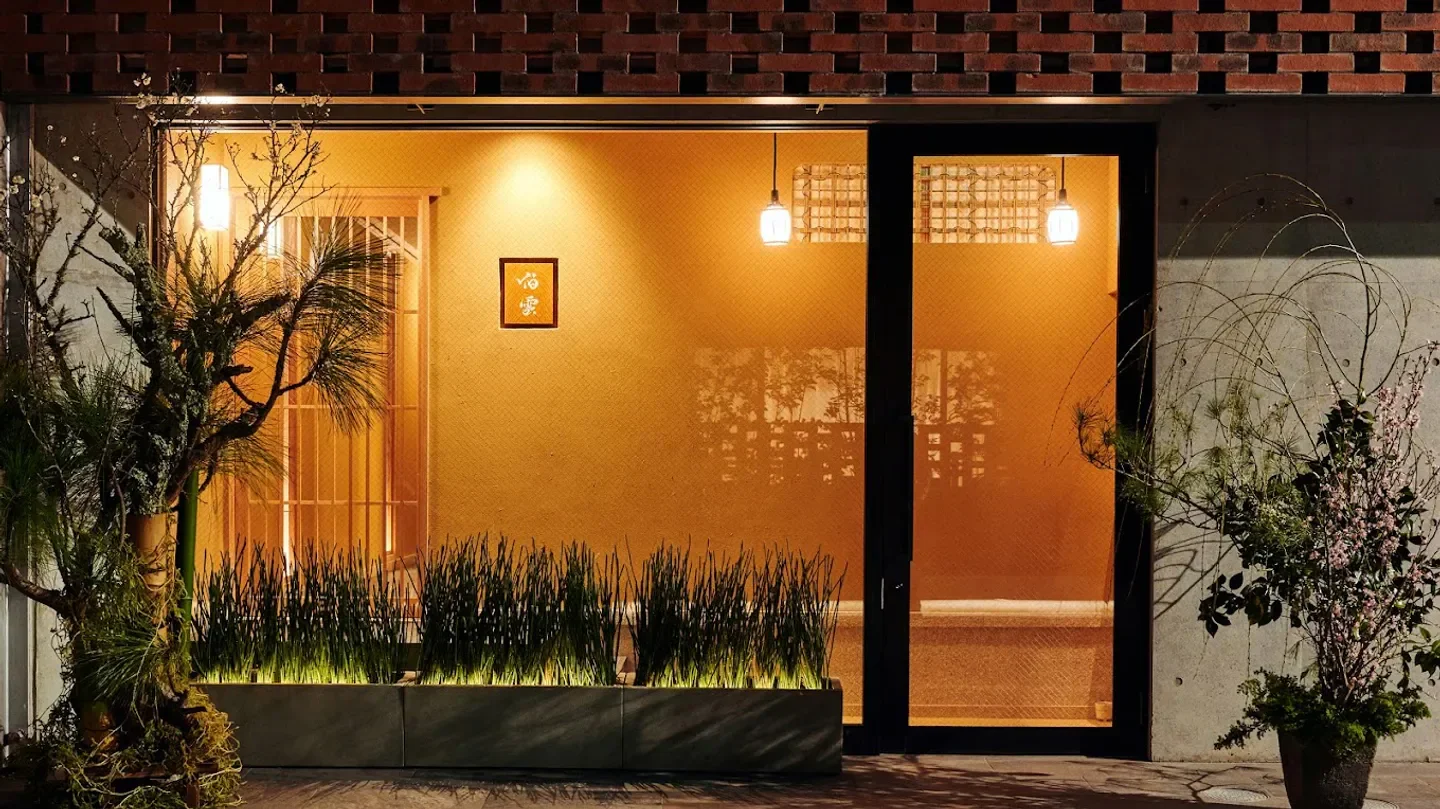
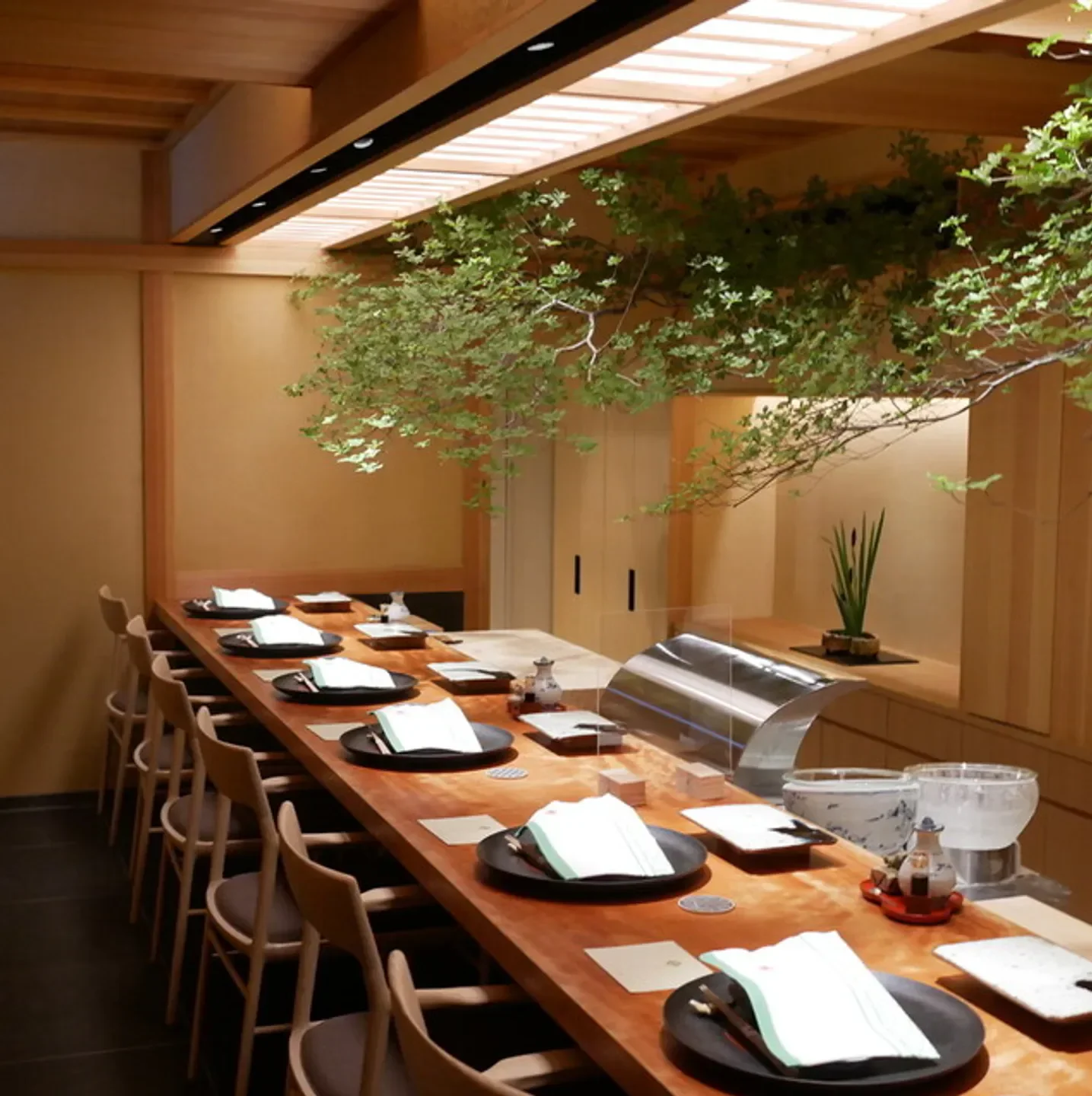
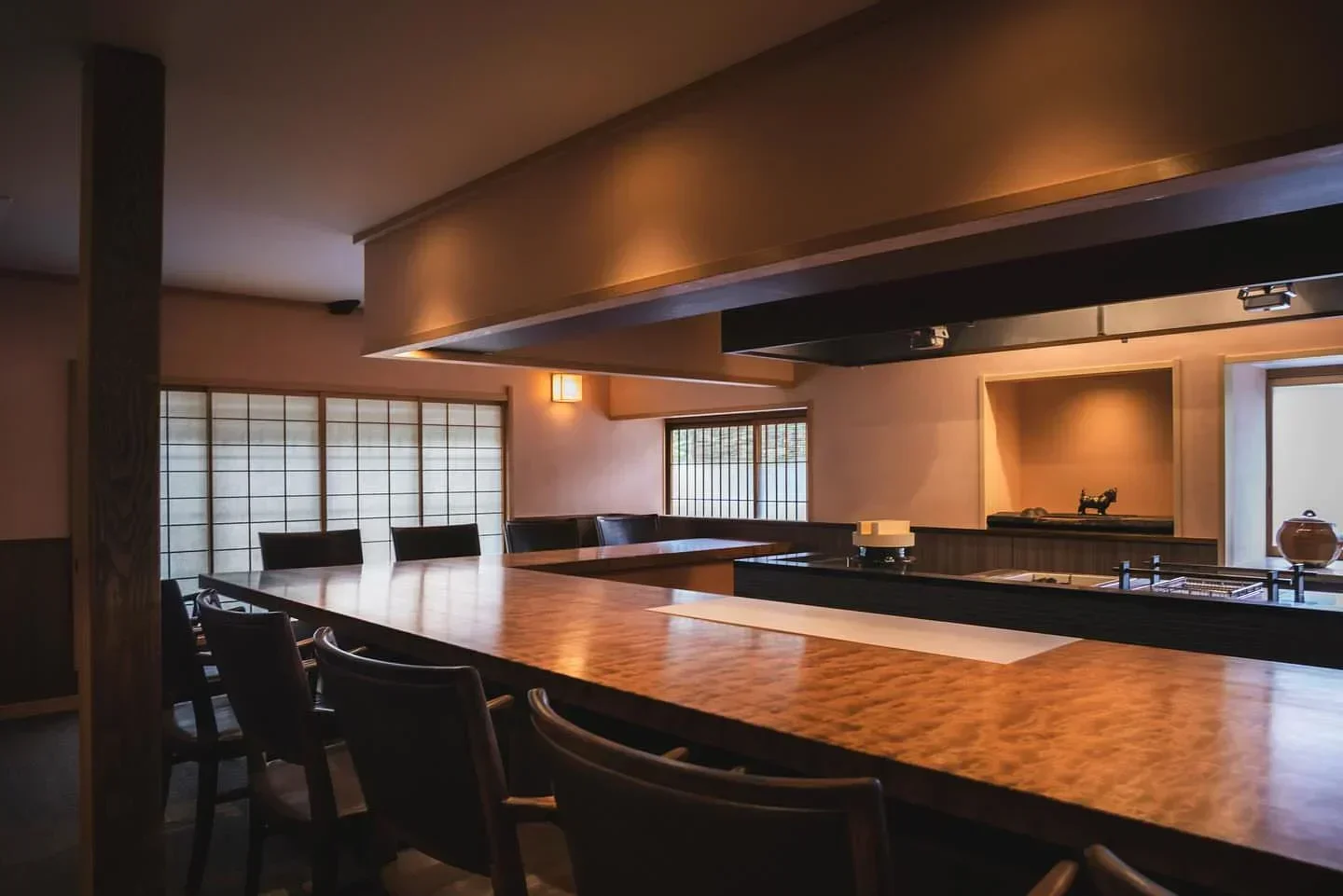
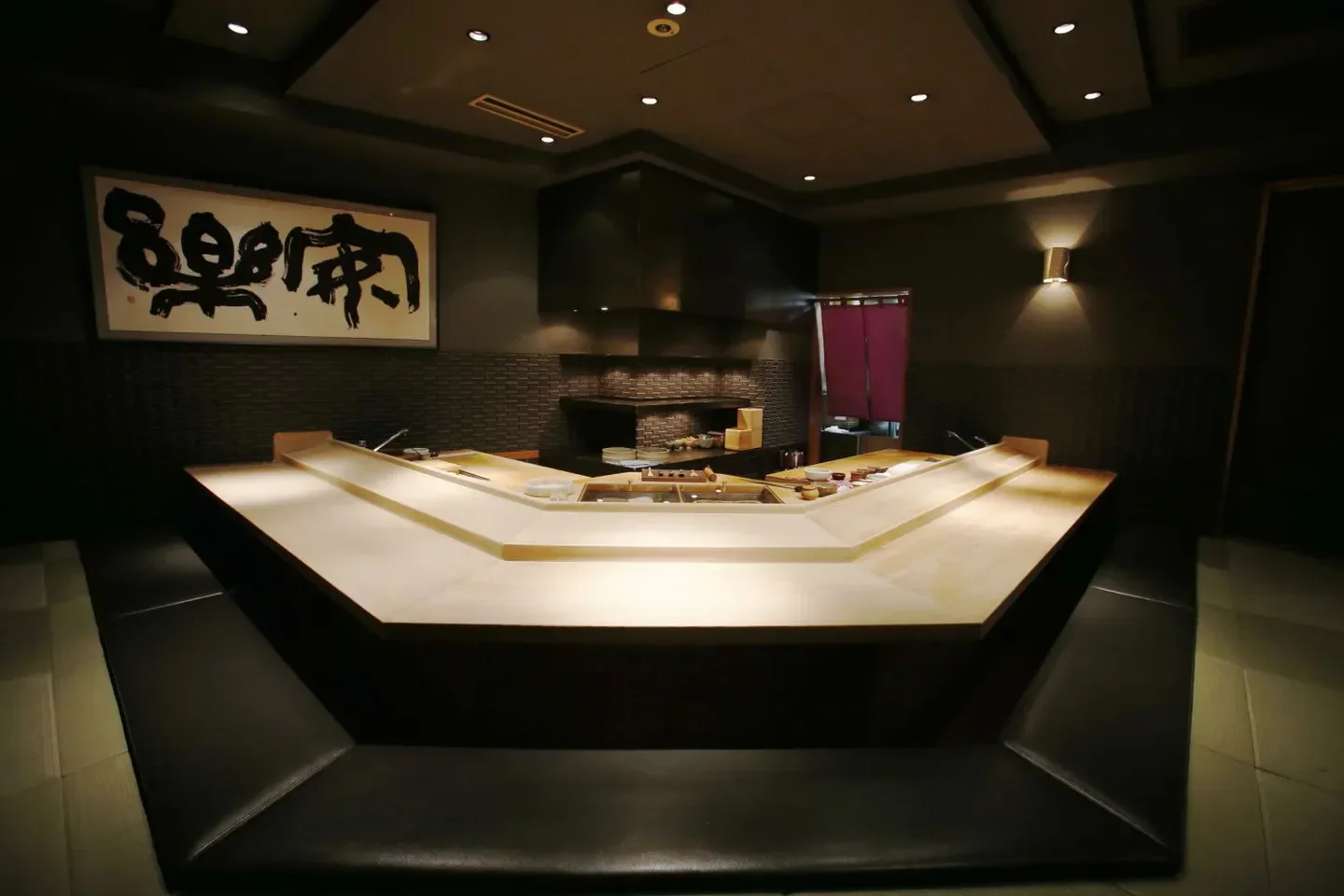
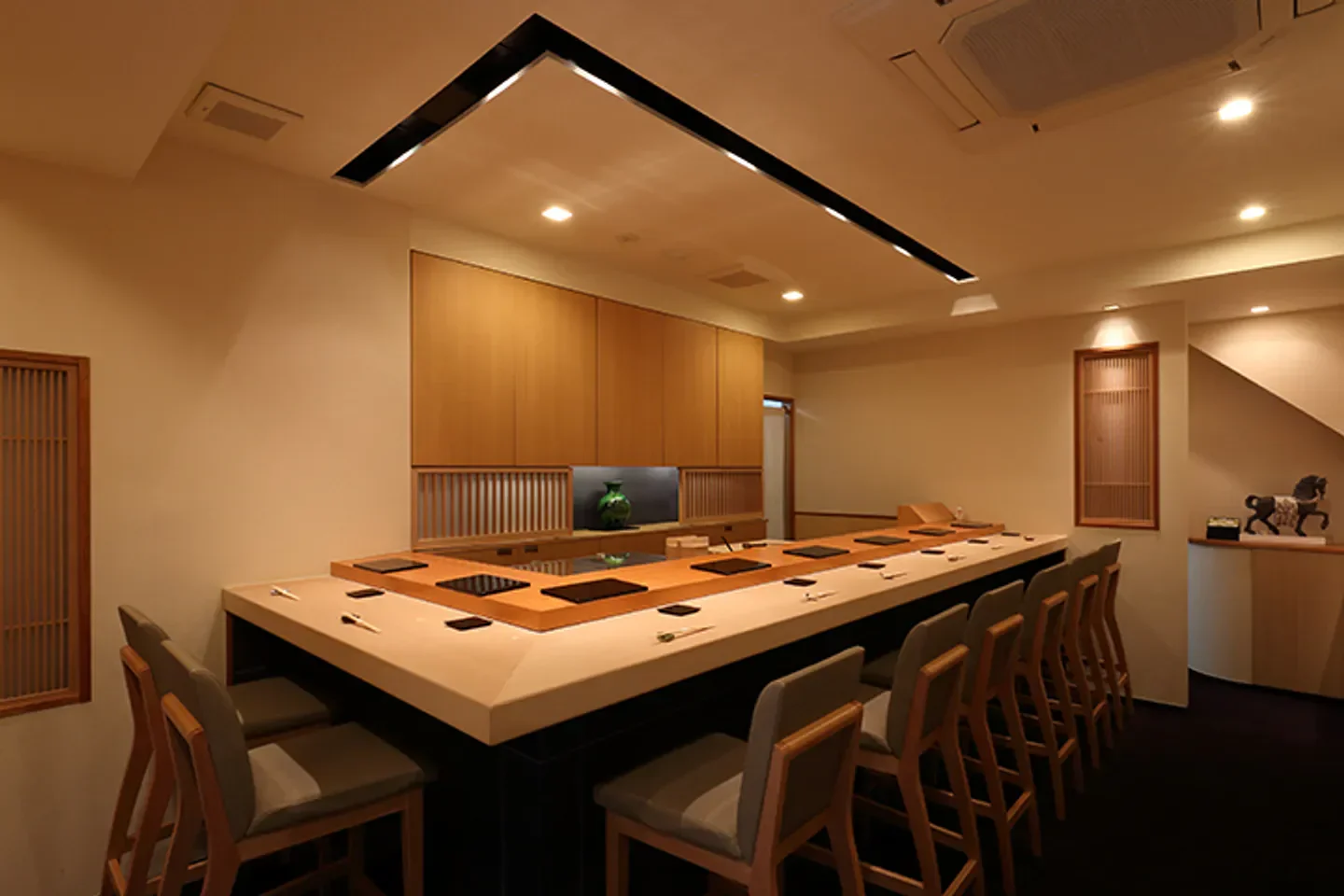
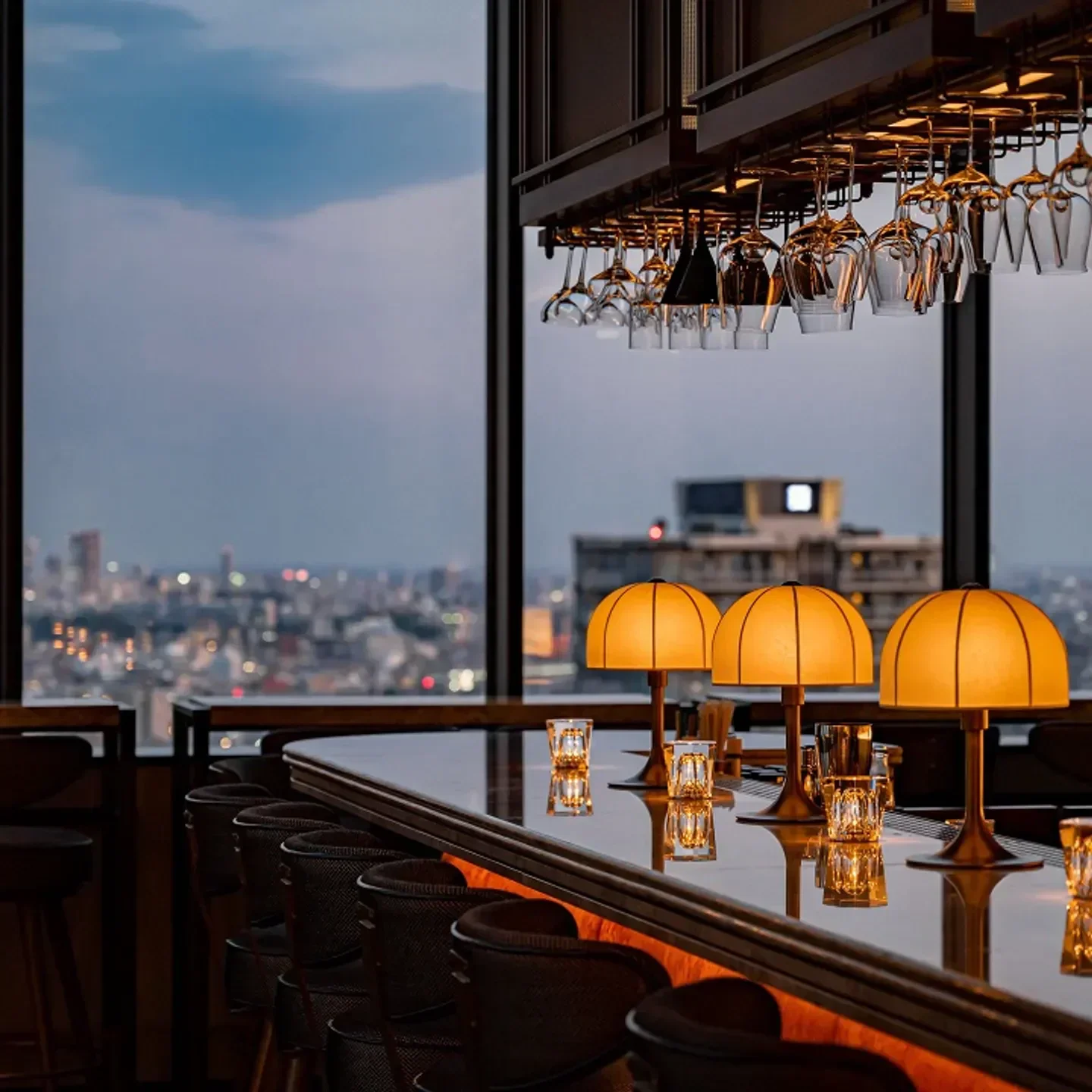
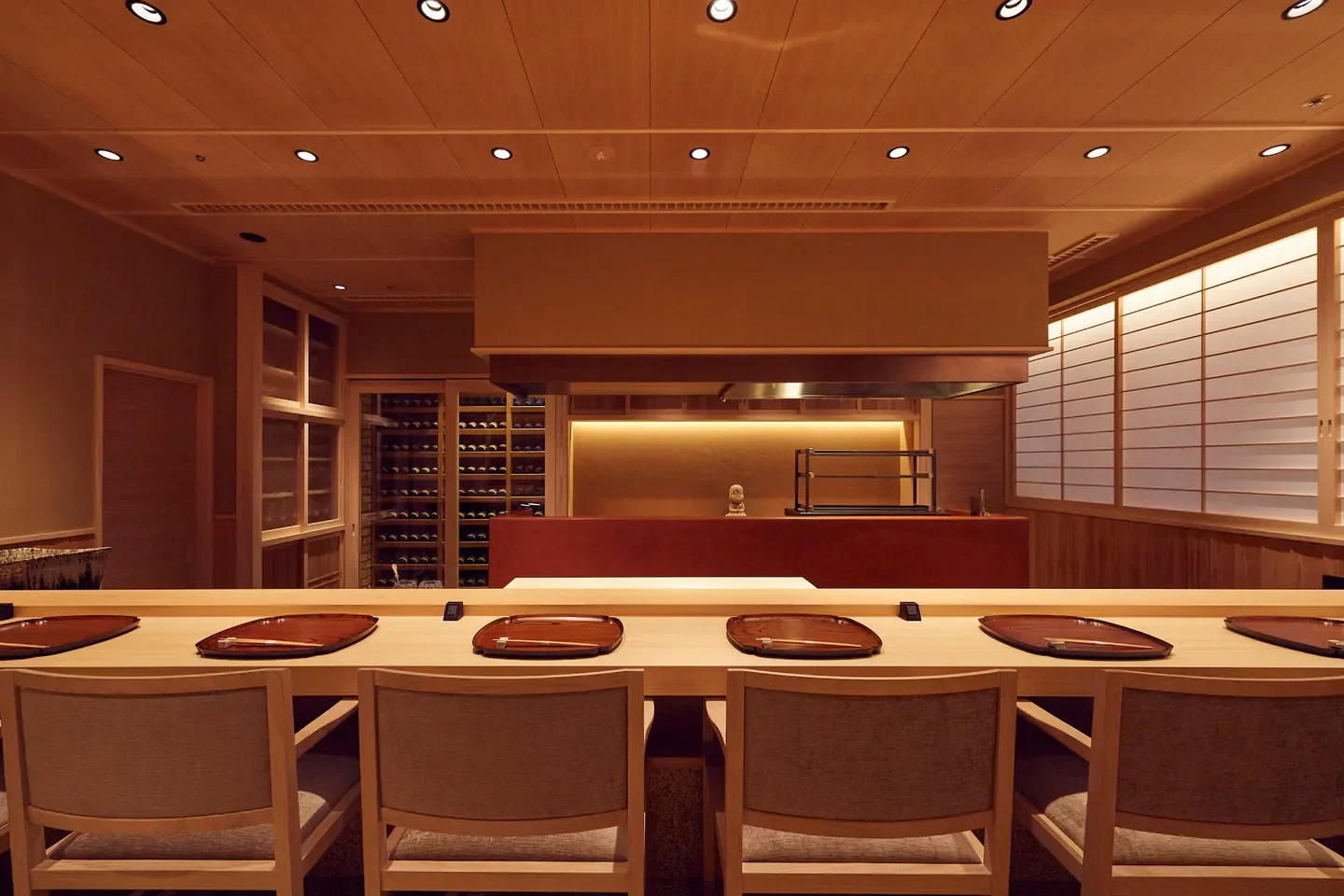
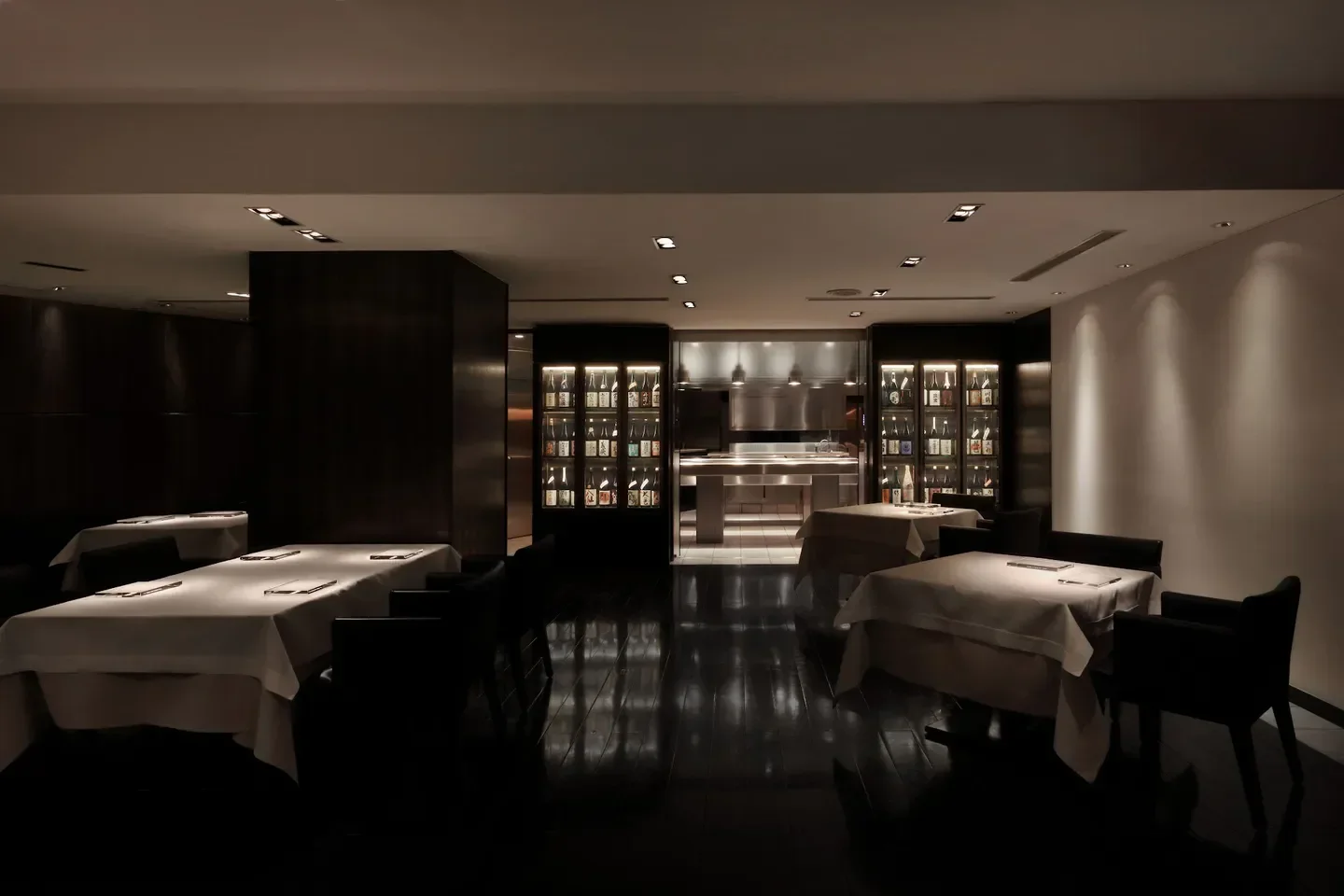
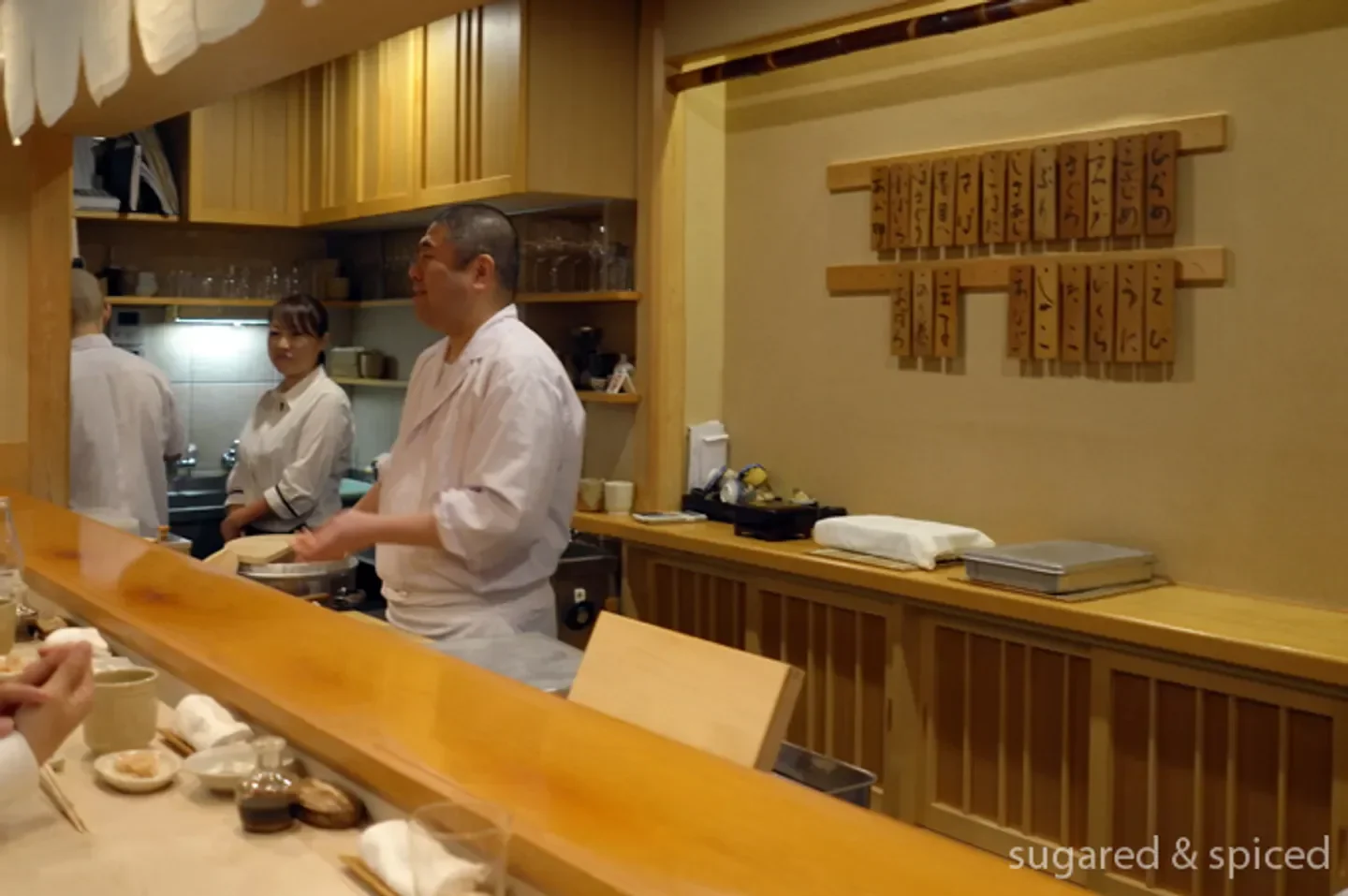
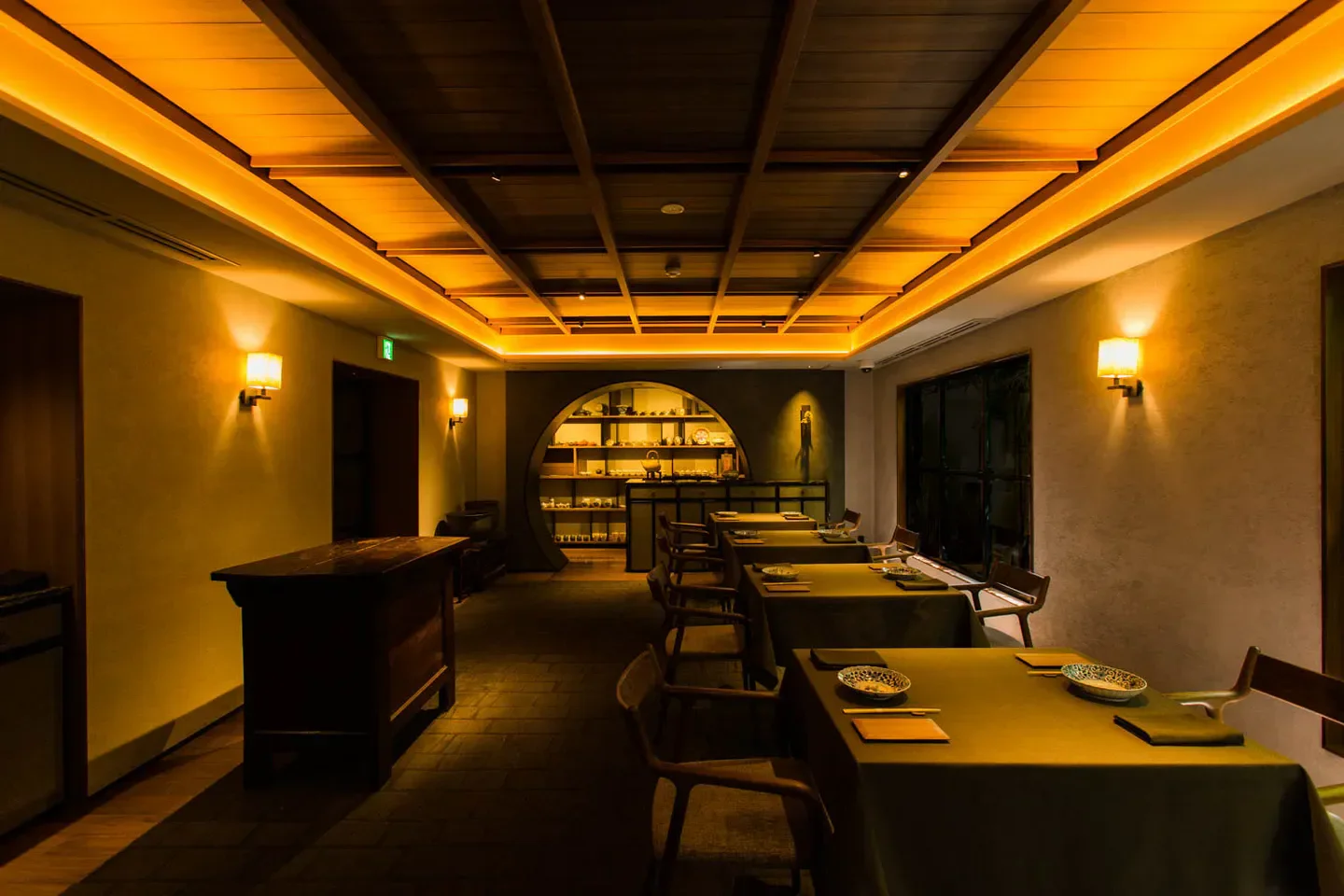
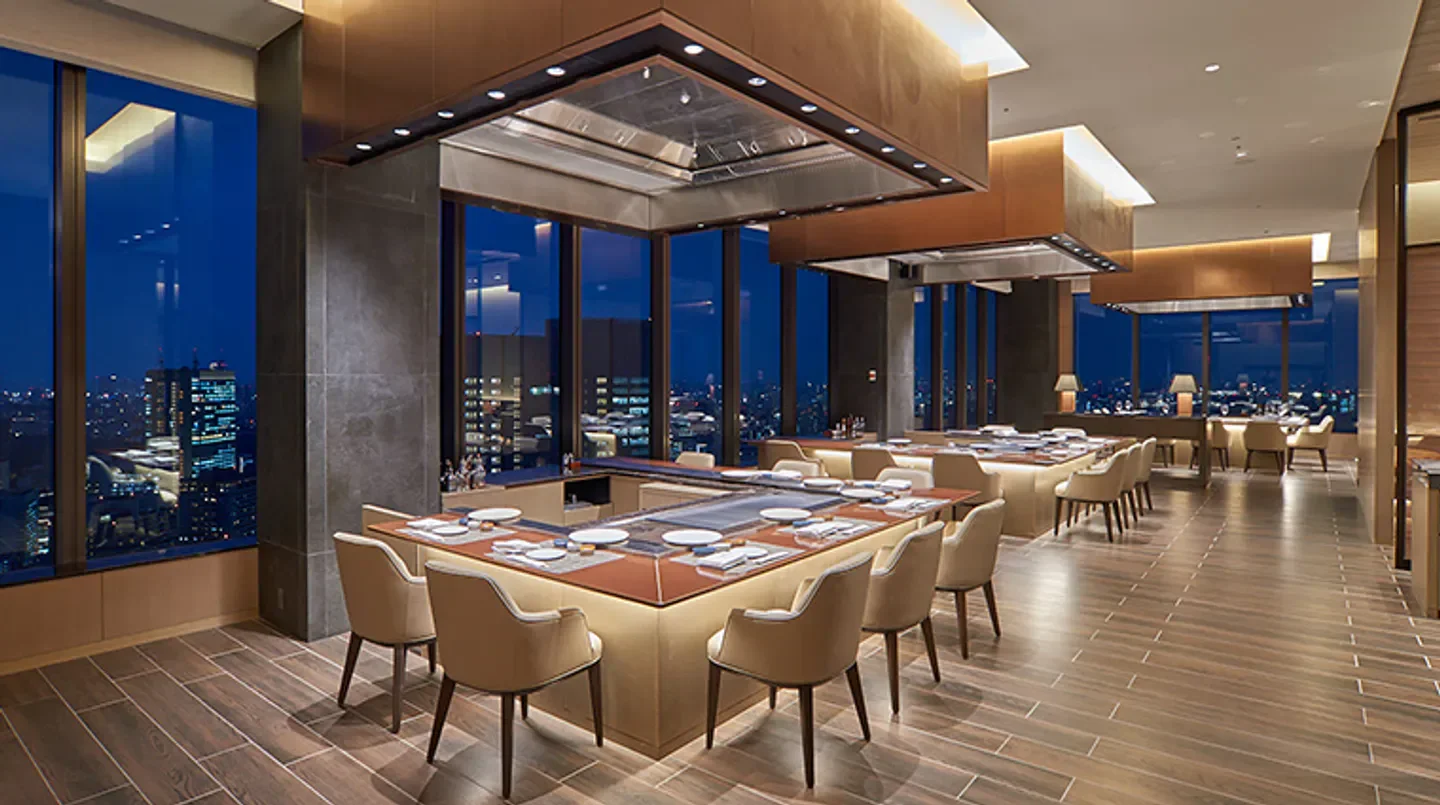
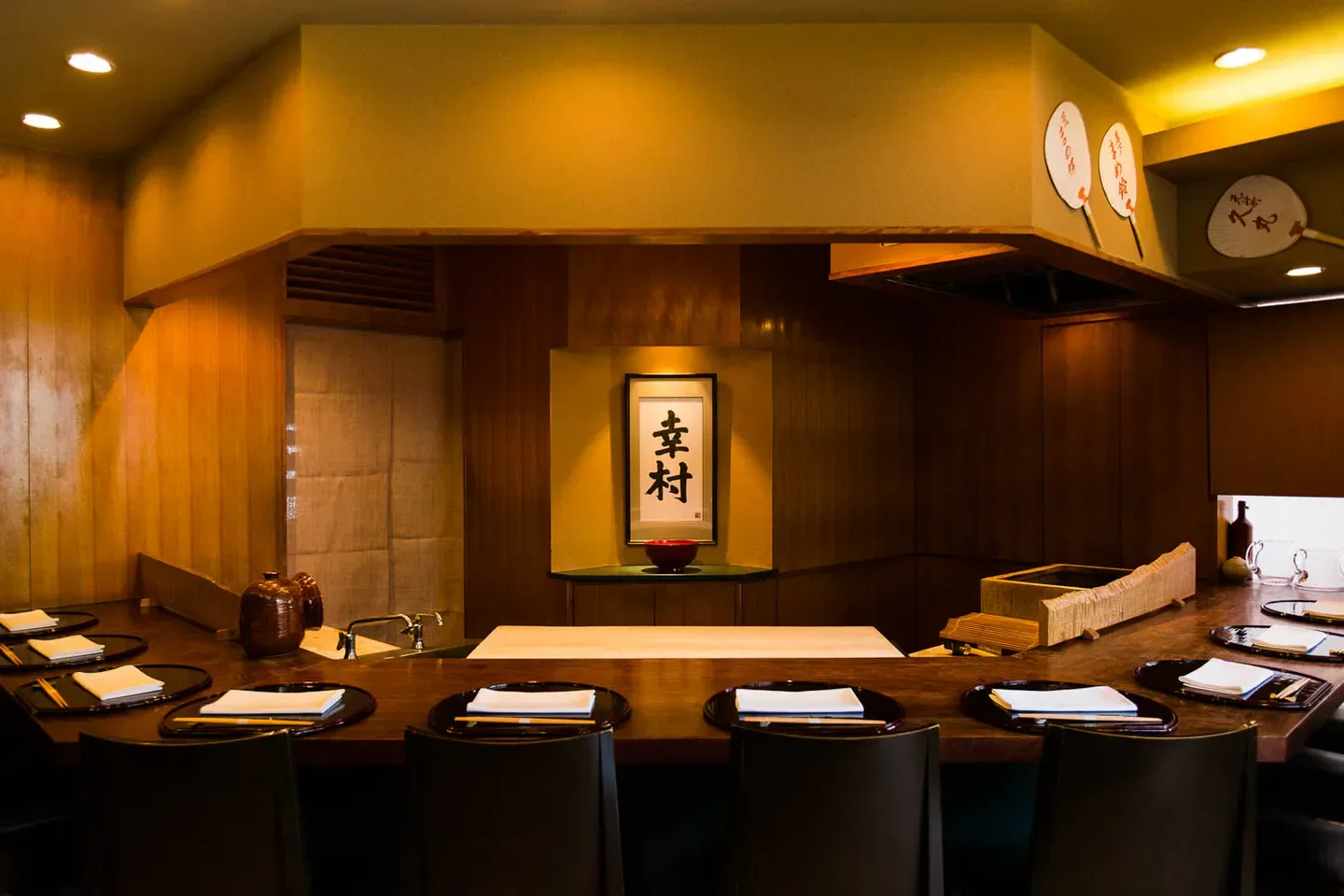
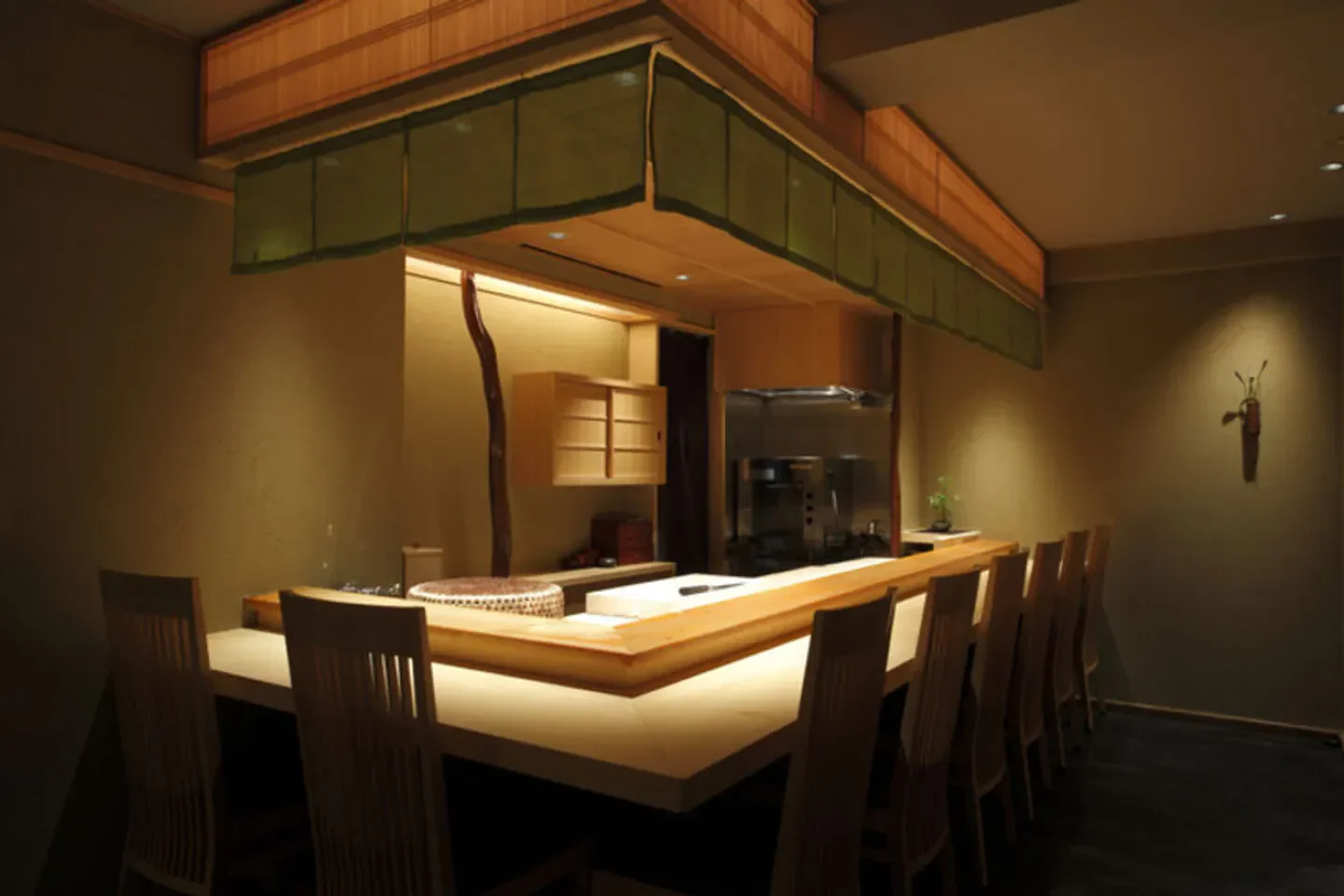
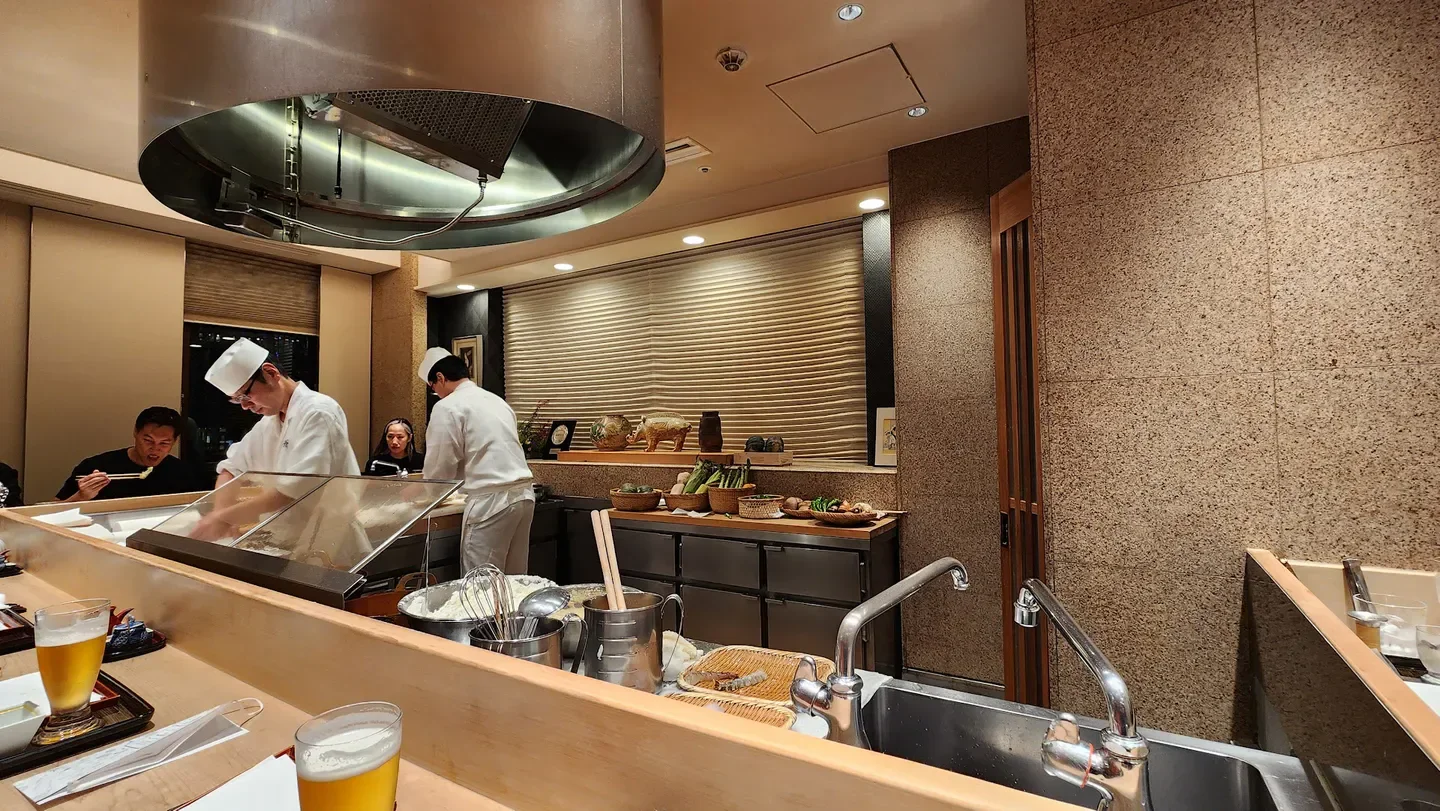
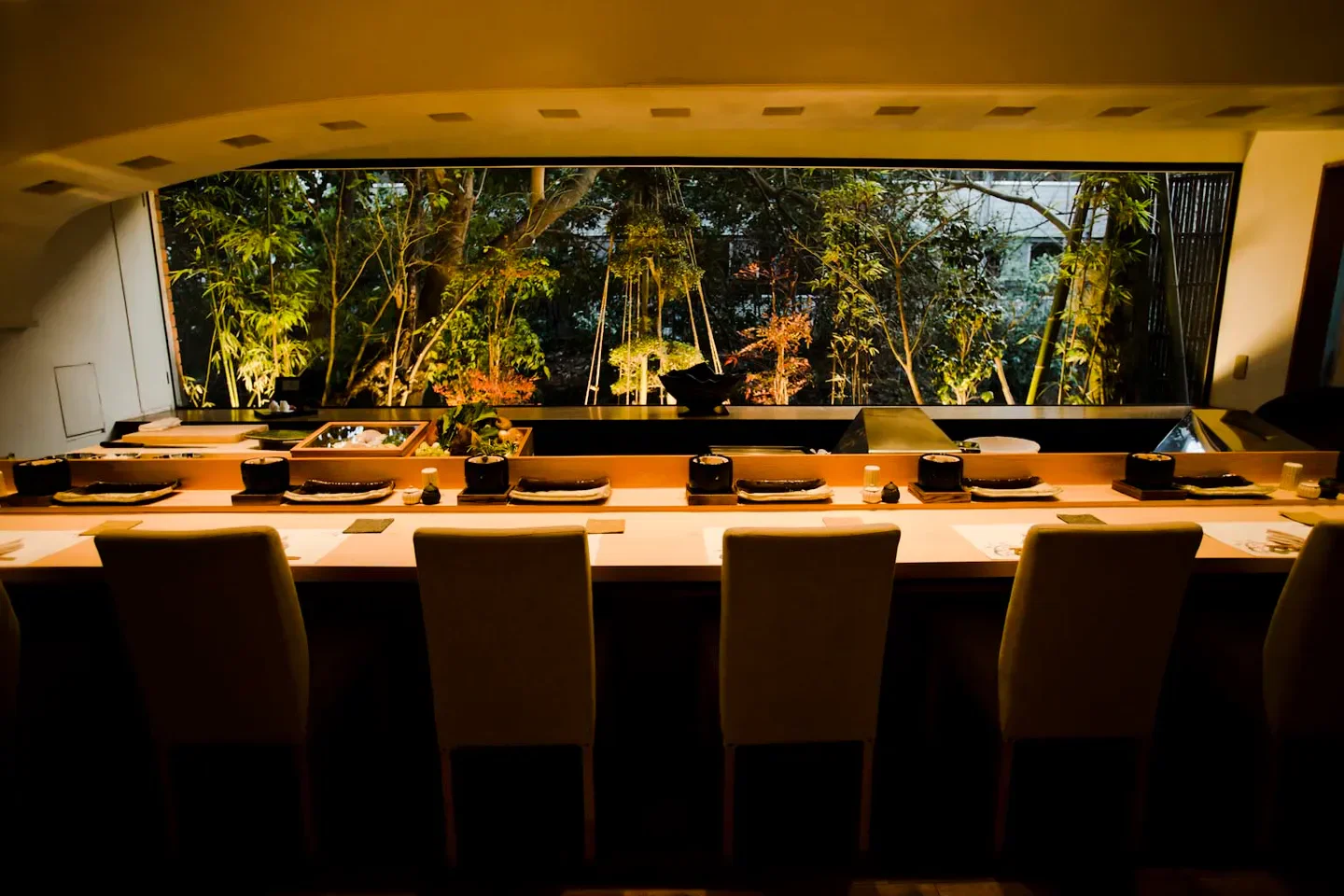
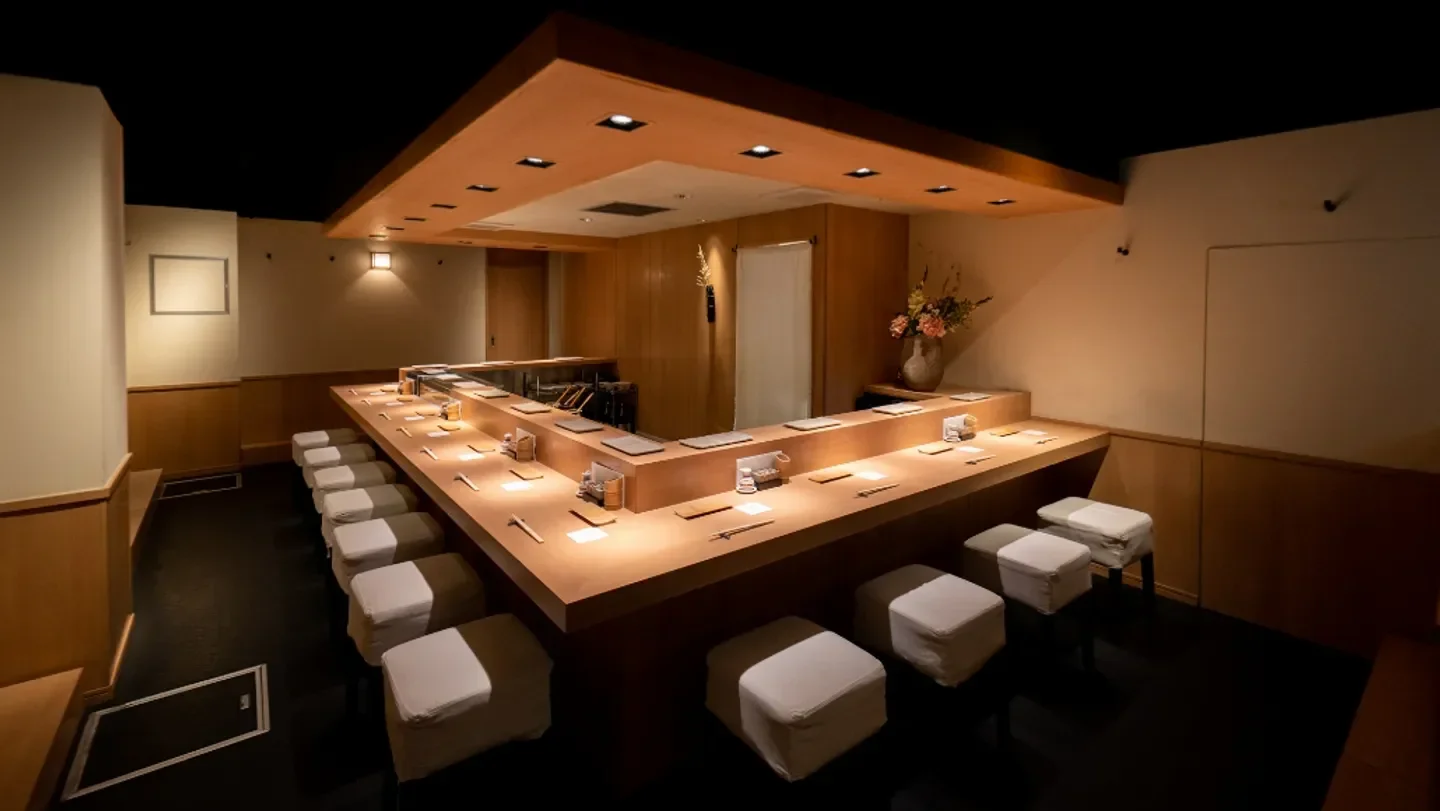
Tokyo rewards the diner who navigates the city by building height and vertical depth rather than street-level storefronts. Restaurants here thrive in the silent floors of commercial mid-rises, where the transition from concrete lobby to intimate dining room happens within a single elevator ride. This architecture of concealment forces a reliance on intent; you rarely stumble upon the city's best kitchens by chance.
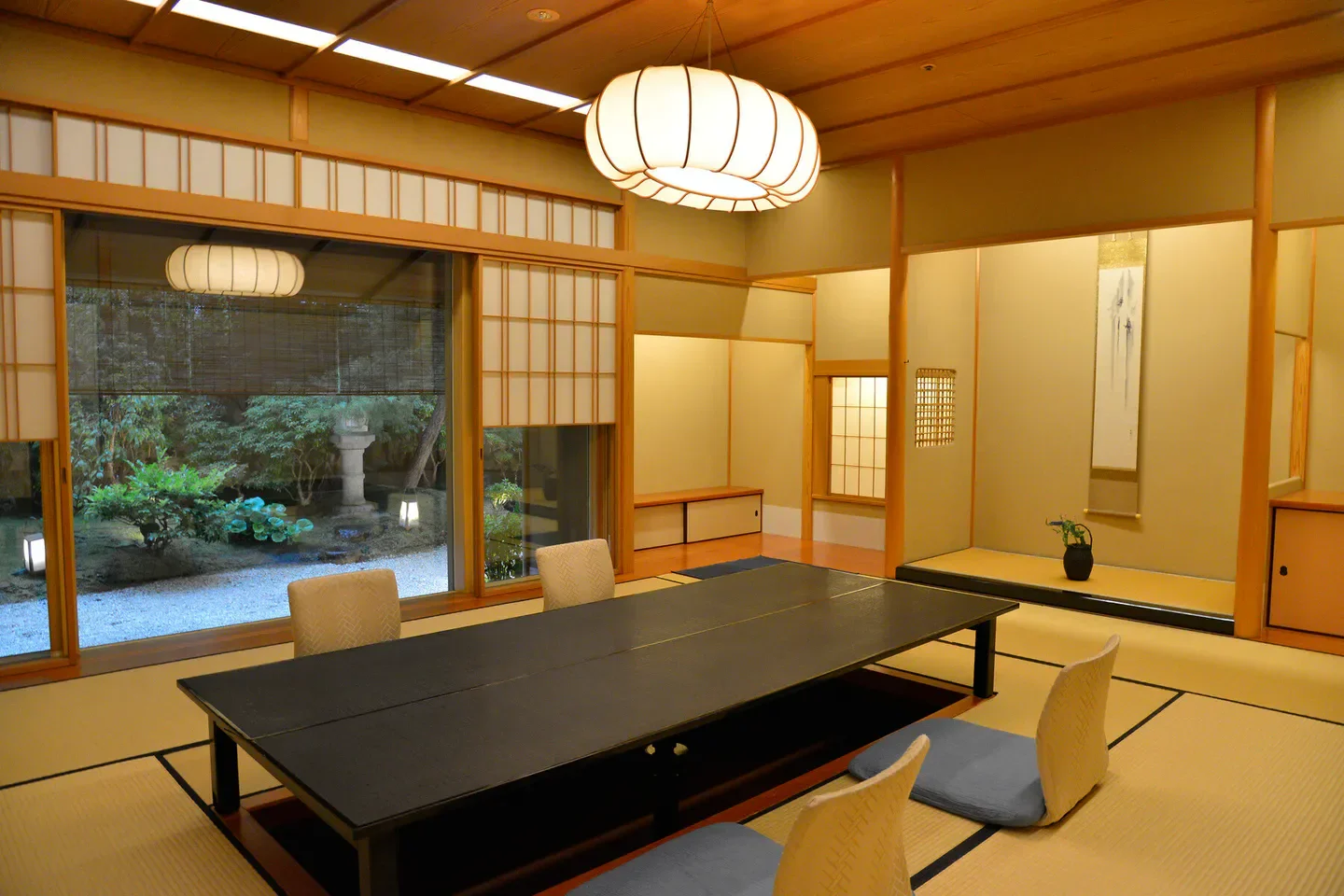
Akasaka Kikunoi preserves traditional Japanese craft while holding two Michelin stars, making it a destination for a deliberate, disciplined progression of courses. Further east, the Ginza district gathers high-concept European kitchens into its dense grid. Acá 1° distinguishes itself in this cluster, placing at no. 53 on La Liste for its precise application of Spanish technique to local ingredients. Meanwhile, Alchimiste holds a Michelin star, providing a starkly modern focus on seasonal product for those prioritizing minimalist preparation.
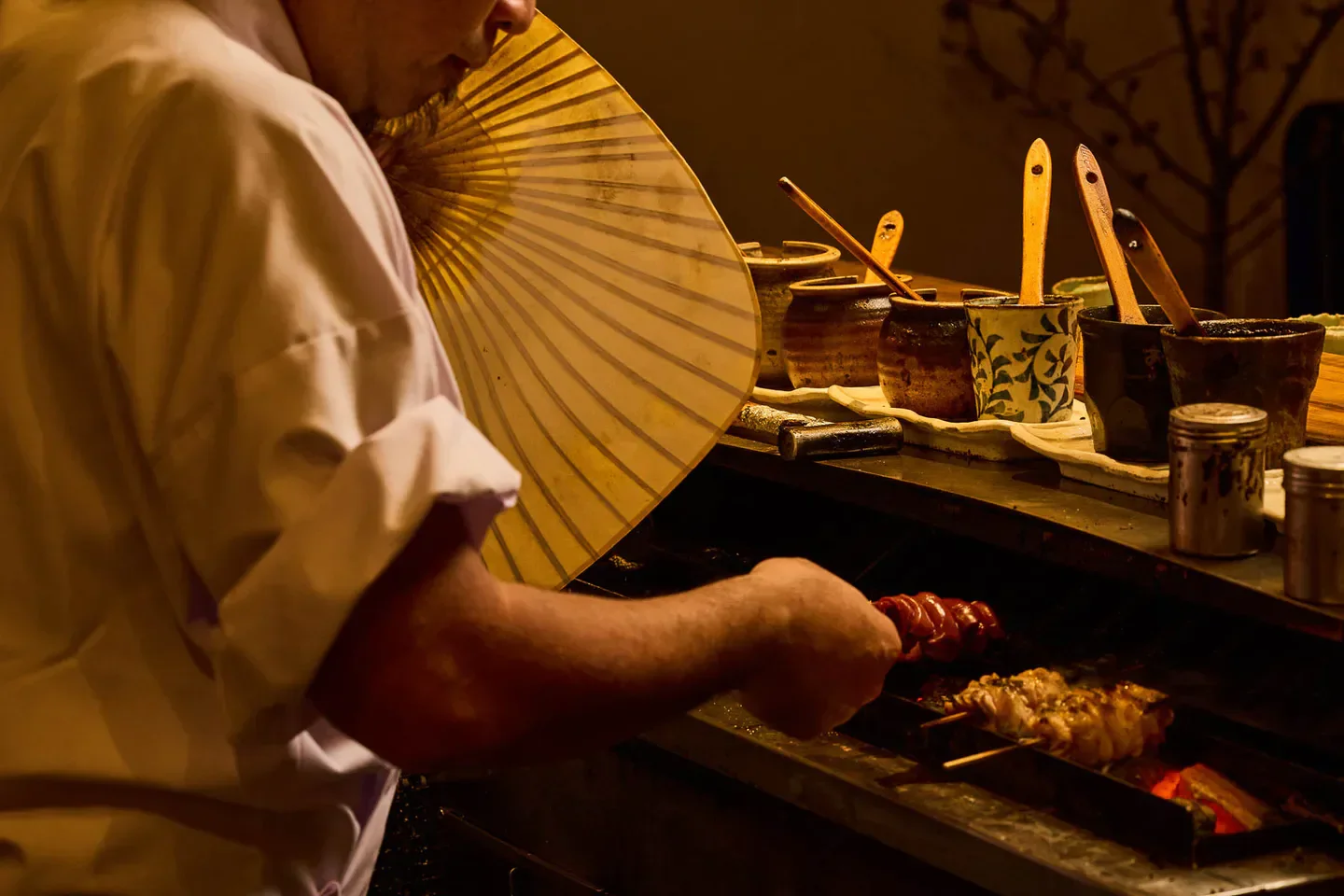
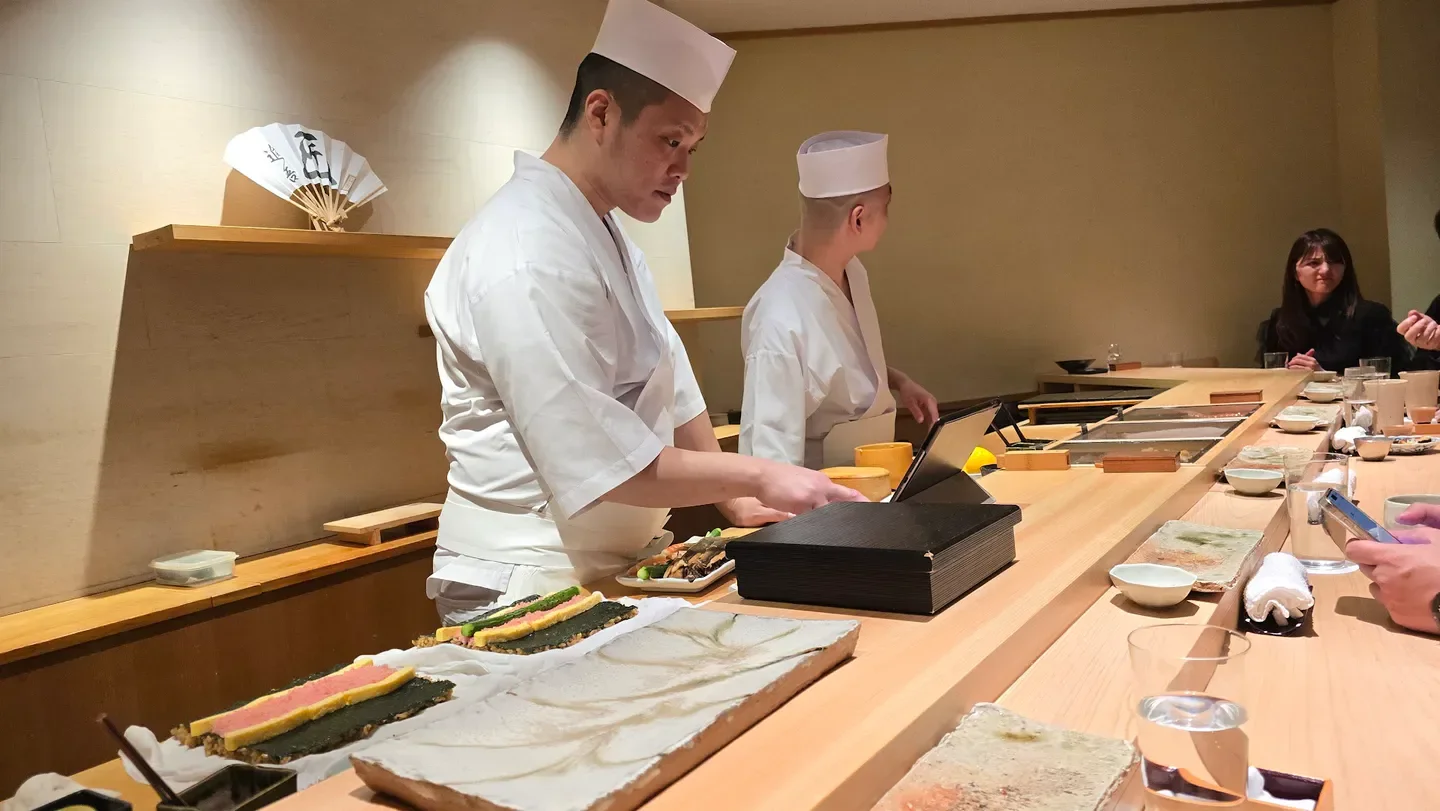
The city leans into seasonality, with menus shifting rapidly to reflect the subtle turns of the Japanese climate. Weekday lunch service offers a direct way to access high-end tables, as weekend evenings see a surge of demand from both residents and travelers. We organize these venues to highlight the kitchens that maintain consistency through these shifting rhythms, focusing on the spaces that demonstrate clear culinary intent.
Tokyo Restaurants FAQ